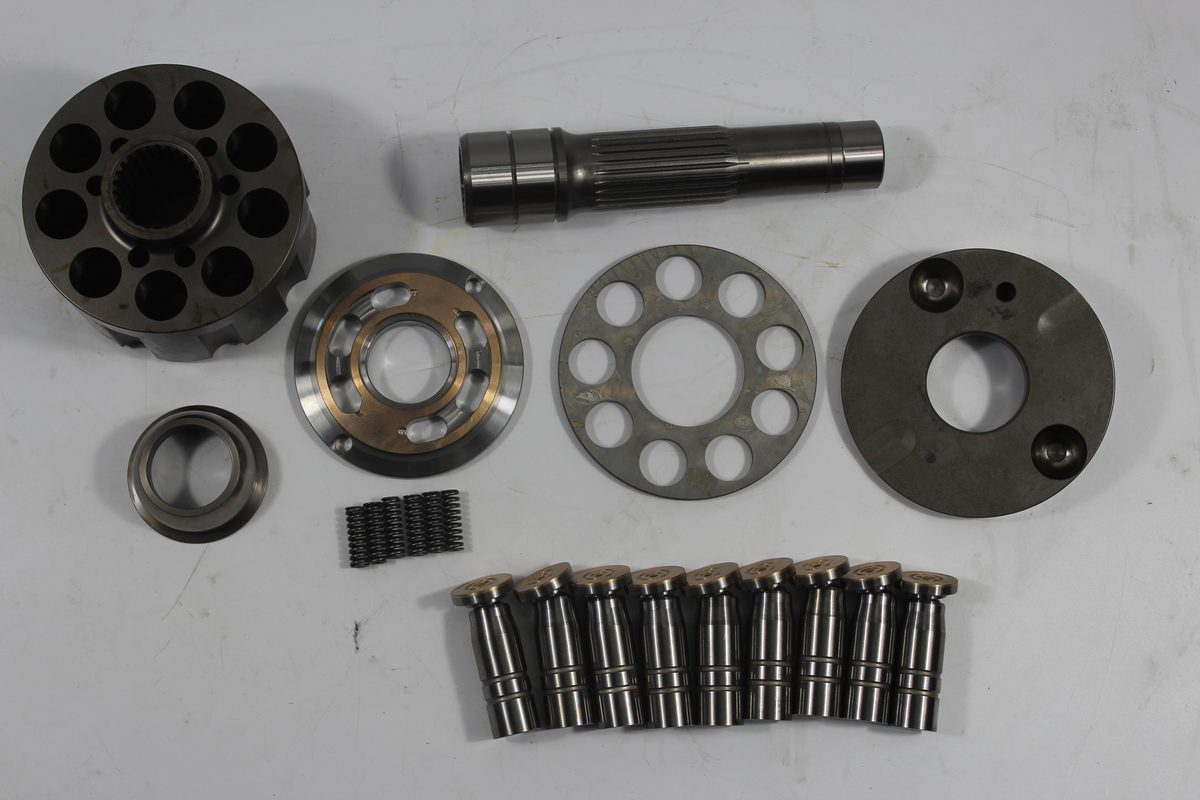
A travel failure on flat ground near the yard is an inconvenience. The same failure on a scaffold bank, in a trench line or halfway across a muddy site is a recovery project — and the first hour of decisions decides whether the bill stays at one travel motor or grows to include the brake, the final drive and the track. Guangzhou Shenyue Machinery Technology Co., Ltd. hears this story weekly, and this guide lays out how to move a dead machine without making the repair worse.
Why dragging destroys more than the failed part
An excavator that will not travel is usually driving through one failed device, but the other device — and both parking brakes — are still engaged and working. Dragging the machine with the brakes on forces the opposing travel motor's pistons, gear train and brake discs to act as a friction pad for tonnes of machine. The result is predictable: brake linings glaze or shatter, gears score, and the second final drive joins the repair list. Never drag a Kobelco with its travel brakes engaged; the tow is not free, it is billed to the drivetrain.
Releasing the travel brake
Travel devices are built with a means of releasing the parking brake for exactly this situation — typically a release screw or port at the travel device or motor, described in the machine's service manual. The release procedure and any associated release parts are commonly quoted against the machine serial rather than published in advance, so confirm the exact point and torque against the nameplate before touching it; the service data for your serial is the only authority. Guangzhou Shenyue Machinery Technology Co., Ltd. keeps the brake and release-side components for the SK travel families, quoted genuine, OEM or aftermarket. Release, never defeat: the brake must still hold the machine on completion of the move, so record the release state and restore it before anyone works under the machine again.
Towing discipline
With both brakes released and both tracks free, the machine can roll — which also means it can run away. Tow slowly, on flat or gently falling ground only, with the towing machine heavier than the casualty and connected by rated rigging, never by chains laid over glass tracks. Use the dozer blade, if fitted, dropped to the ground as a brake on any hint of gradient. Stop and re-plan rather than steer through soft patches: a 20-tonne machine sliding sideways is how booms meet concrete. Plan the route for the widest, firmest line even if it is longer, post one person watching the tracks for build-up of mud or debris, and agree hand signals before the first metre of movement rather than improvising them mid-tow.
After the machine is home
After the machine is home, the recovery itself needs closing out. Check the final drive oil on both devices — towing with one failed device can shed metal that shows in the oil of the healthy side too, and water or debris from the failure site may have entered through a breather or a lifted seal. Our final drive oil and wear metal guide explains what to look for and when an oil sample is worth sending to a laboratory. Then photograph the failed parts and pack them with the serial: they decide the correct replacement on the first quote, not the third, and they protect the claim if a component arrives not matching its description.
Ordering the repair
Travel-side repairs are normal orders here: travel motors, final drive components, brake parts and seal kits, quoted from records covering more than 3,000 part types on the shelf and over 100,000 part numbers available to order, each line graded genuine, OEM or aftermarket. Guangzhou Shenyue Machinery Technology Co., Ltd. quotes travel families against the machine serial, supports single-unit shipments for the parts that stop the restart, and treats the failed sample as part of the specification — buyers who send the serial, the nameplate photos and the failed part together get a first quote they can order from, not a round of clarification. Kobelco's own service positioning for these systems is described at kobelco.co.jp — what turns a breakdown into a one-part repair is the recovery discipline above, then the correct numbers.
Frequently Asked Questions
Can I tow a Kobelco excavator with a failed travel motor?
Only after releasing the parking brake at both travel devices, using the release point described in the service manual for your serial. Dragging with brakes engaged destroys the opposing motor and brake. Guangzhou Shenyue Machinery Technology Co., Ltd. advises confirming the release procedure against the nameplate before moving.
What happens if you drag an excavator with the travel brake on?
The engaged brake and the opposing travel device are forced to act as brakes for the machine's full weight. Brake discs glaze or shatter, gears score, and a one-travel-motor repair becomes both final drives. Always release the brakes before any tow.
How should a disabled excavator be towed safely?
Slowly, on firm level ground, by a machine heavier than the casualty, with rated rigging, both brakes released and one person watching the tracks. Use the dozer blade as a brake on gradients, and use a crane and low-loader instead where the machine is damaged structurally or off-level.
What should I check after recovering a disabled machine?
Check the final drive oil in both devices for metal or water, photograph the failed parts and send them with the machine serial. Guangzhou Shenyue Machinery Technology Co., Ltd. quotes travel motors, final drive and brake parts graded genuine, OEM or aftermarket from the sample and serial.