Swing, Travel and Undercarriage · Hydraulic Pumps, Valves and Pilot Circuits · Engine and Fuel Systems · Electrical, Controllers and Sensors · Cooling, Filtration and the Service Consumables · Who You Are Buying From · Fault codes · FAQ
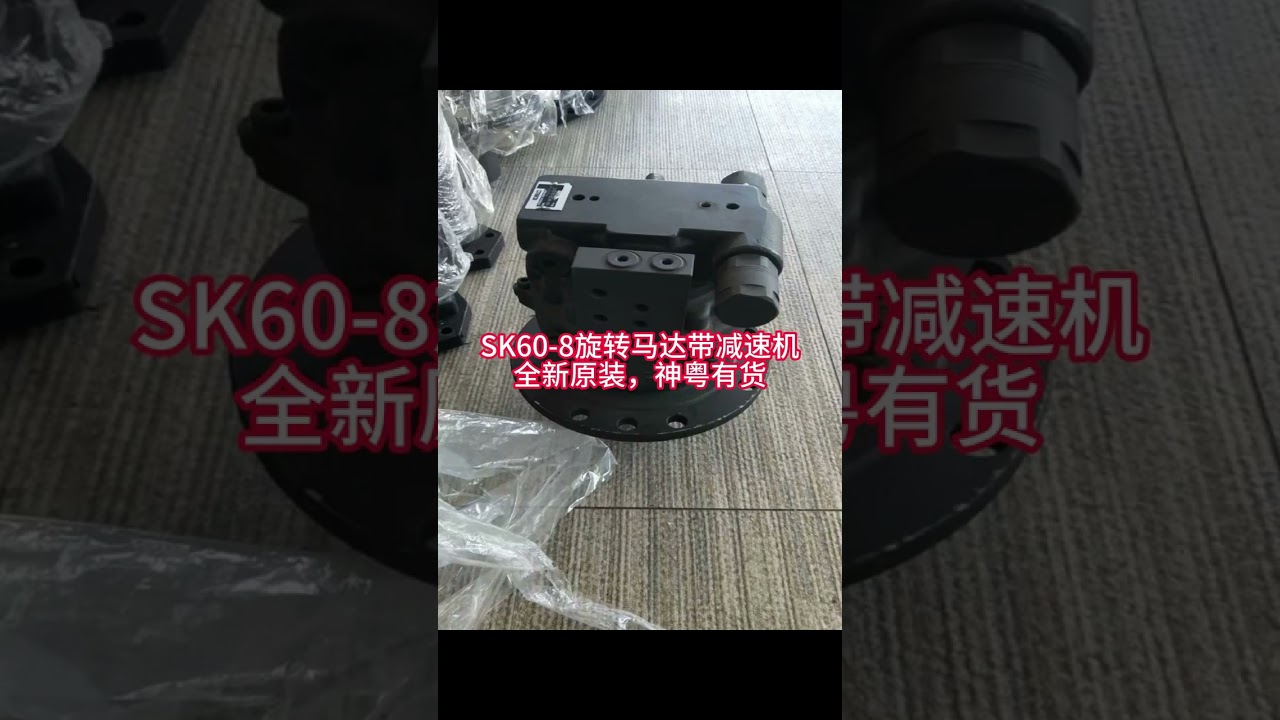
Swing and Travel: What the Symptom Tells You
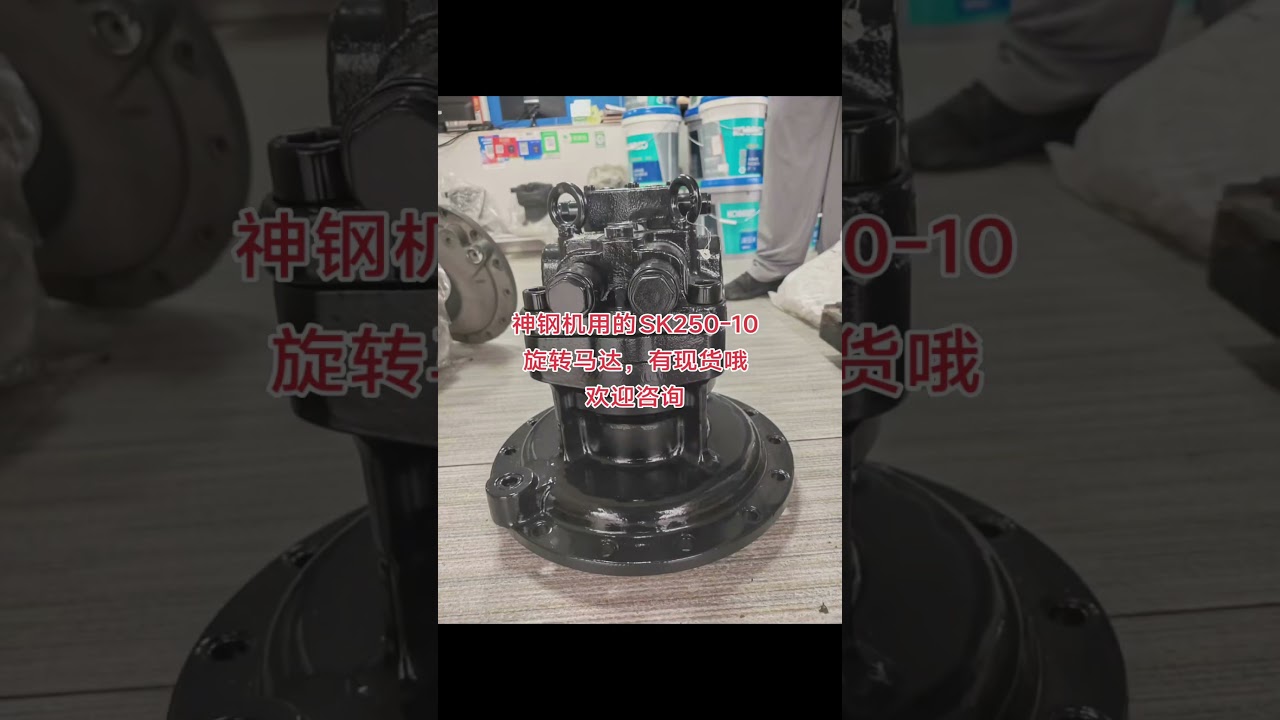
Start here if the complaint is about tracking, swing drift or a final drive that has gone quiet on one side — on a Kobelco the symptom usually names the side for you.
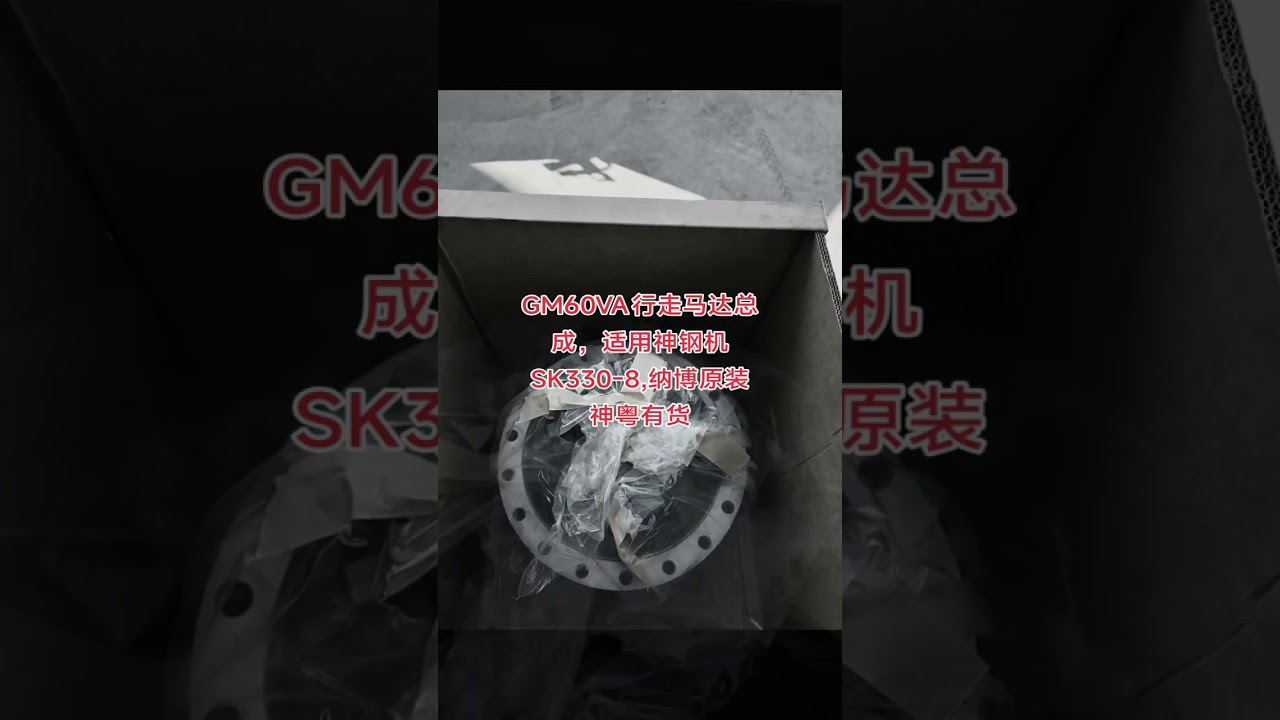
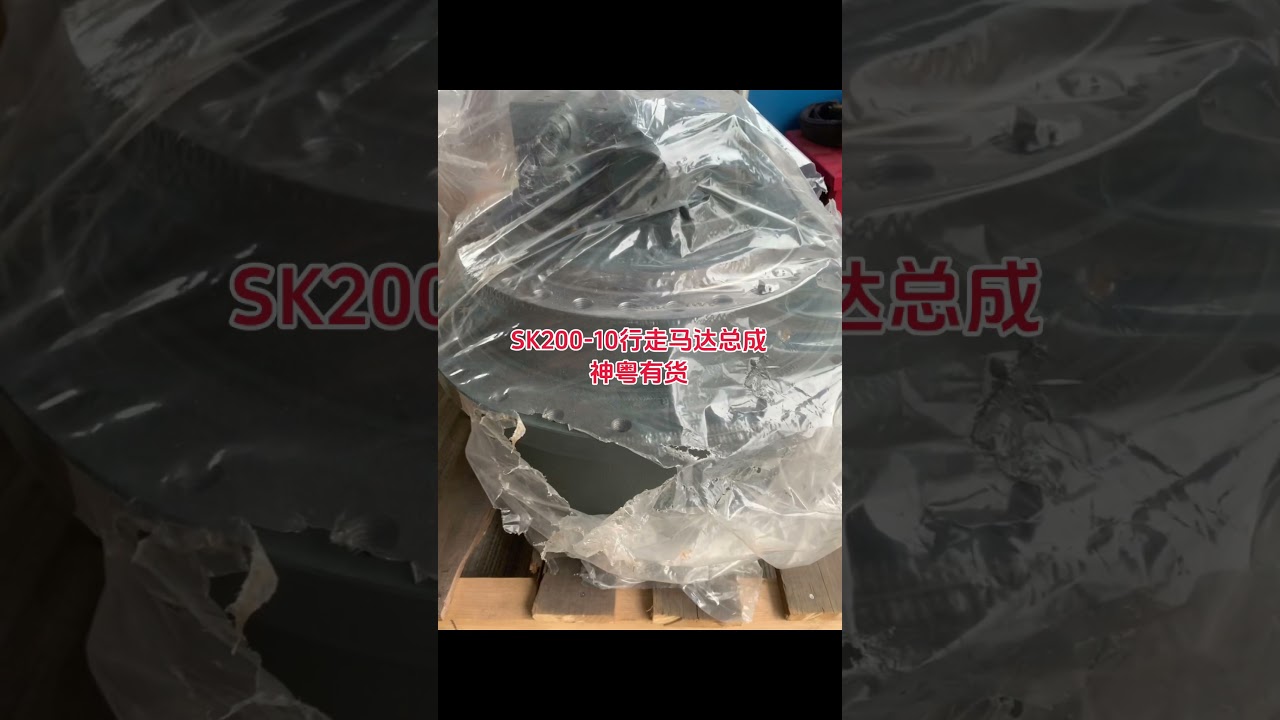
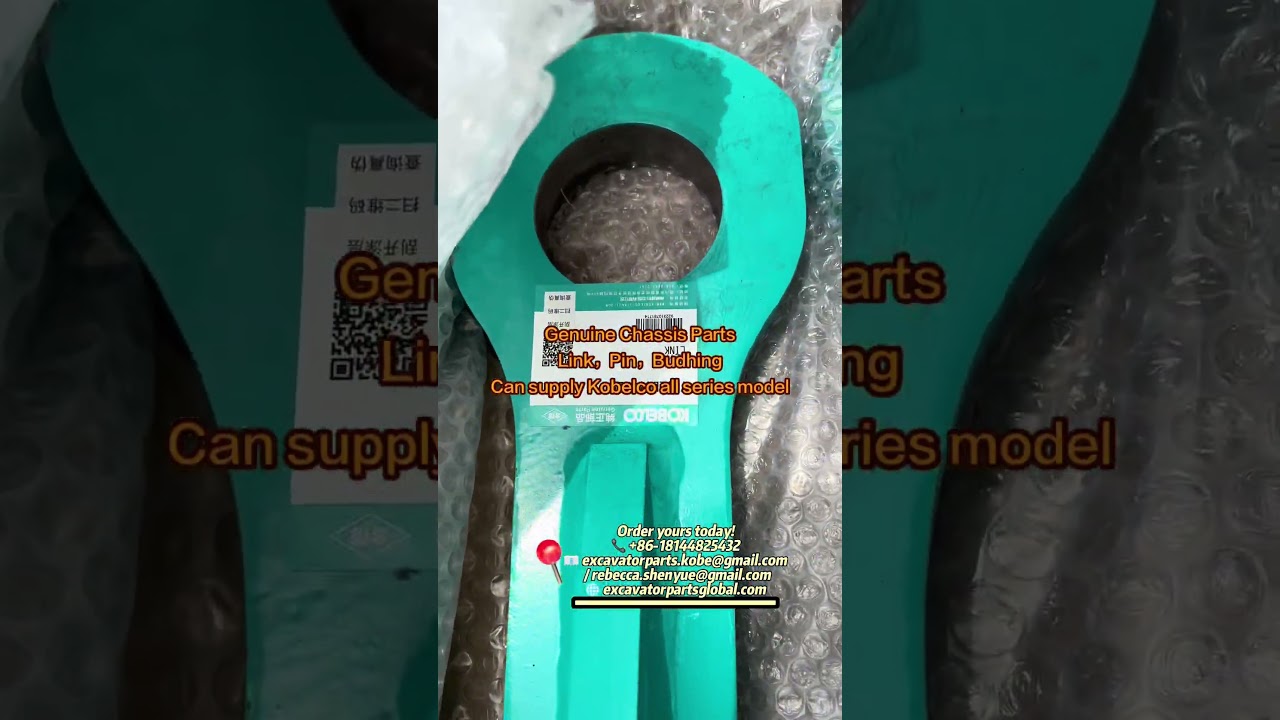
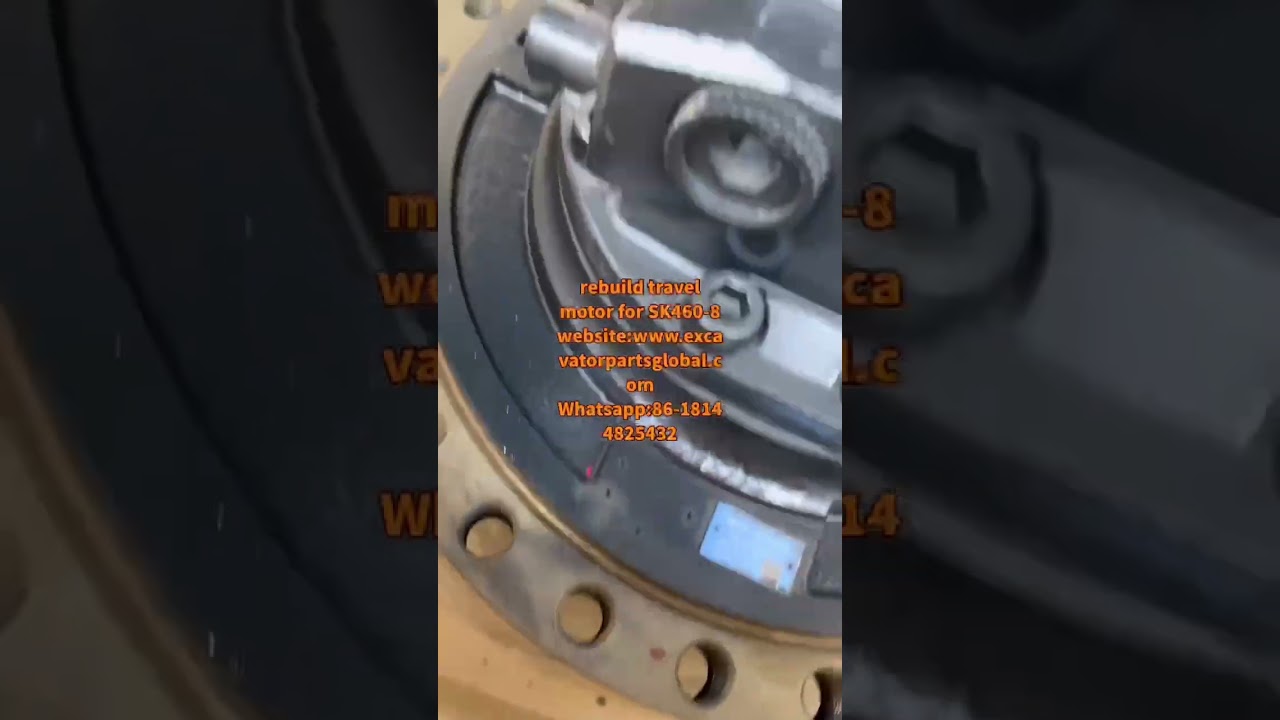
Each track is driven by its own travel motor and final drive, so a machine that pulls to one side with both levers pushed equally has a weak motor or a worn reduction on that side. That is the clearest single symptom in the undercarriage, and it is worth acting on early because a failing final drive will take the track chain with it.
Noise is the other guide. A whine or grind that changes with track speed is coming from the final drive, not the engine — the pitch follows the sprocket, not the tacho. On the swing side, the house drifting after the joystick is centred points at the swing brake or internal leakage in the motor rather than the slewing ring gear.
One trap worth knowing: a pinched or blocked case-drain line builds pressure behind the motor seals and mimics a failed travel motor exactly. Technicians have replaced motors that were fine and found the fault in a crushed hose. Check the case-drain line flows freely before you strip a unit.
Undercarriage wear is cumulative. Track tension outside spec wears pins, bushings and sprockets at an accelerated rate, and a worn sprocket will destroy a new chain in a fraction of its expected life. Measure the chain pitch and the sprocket together.
What you notice, and what to check first
| Symptom | Cause and first check |
|---|
| Machine pulls to one side travelling straight | Weak travel motor or worn reduction on that side. Swap the travel hoses side to side to see whether the fault follows the motor or the valve. |
|---|
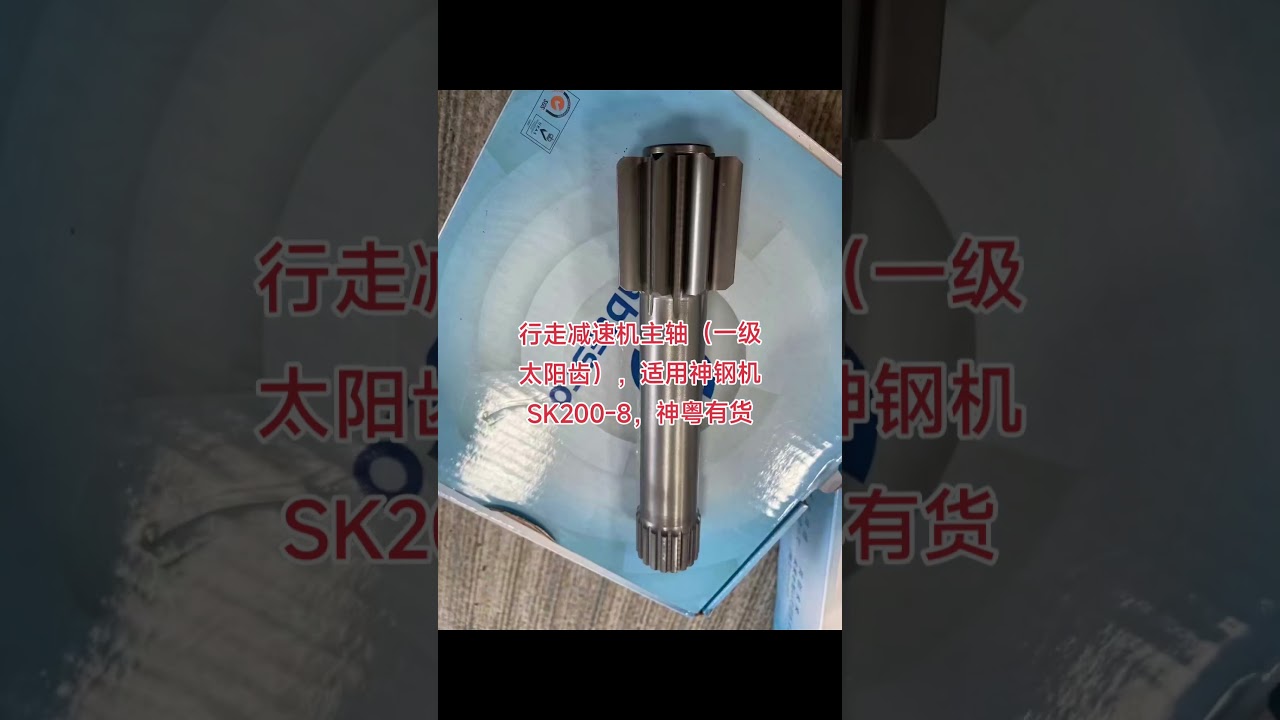
| Whine or grind that follows track speed | Final drive. Drain the gear oil and look for metal. |
|---|
| One track dead under load | Motor, reduction or a blocked case drain. Check the drain line first. |
|---|
| House drifts after the joystick is centred | Swing brake wear or motor internal leakage, not the ring gear. |
|---|
| Swing slow in one direction only | Motor or its control valve, rather than the reduction. |
|---|
| Knock when swinging against a bank | Play in the swing bearing. Measure axial play and check the mounting bolts for stretch. |
|---|
Numbers we hold for this system
| Part number | Description | Notes |
|---|
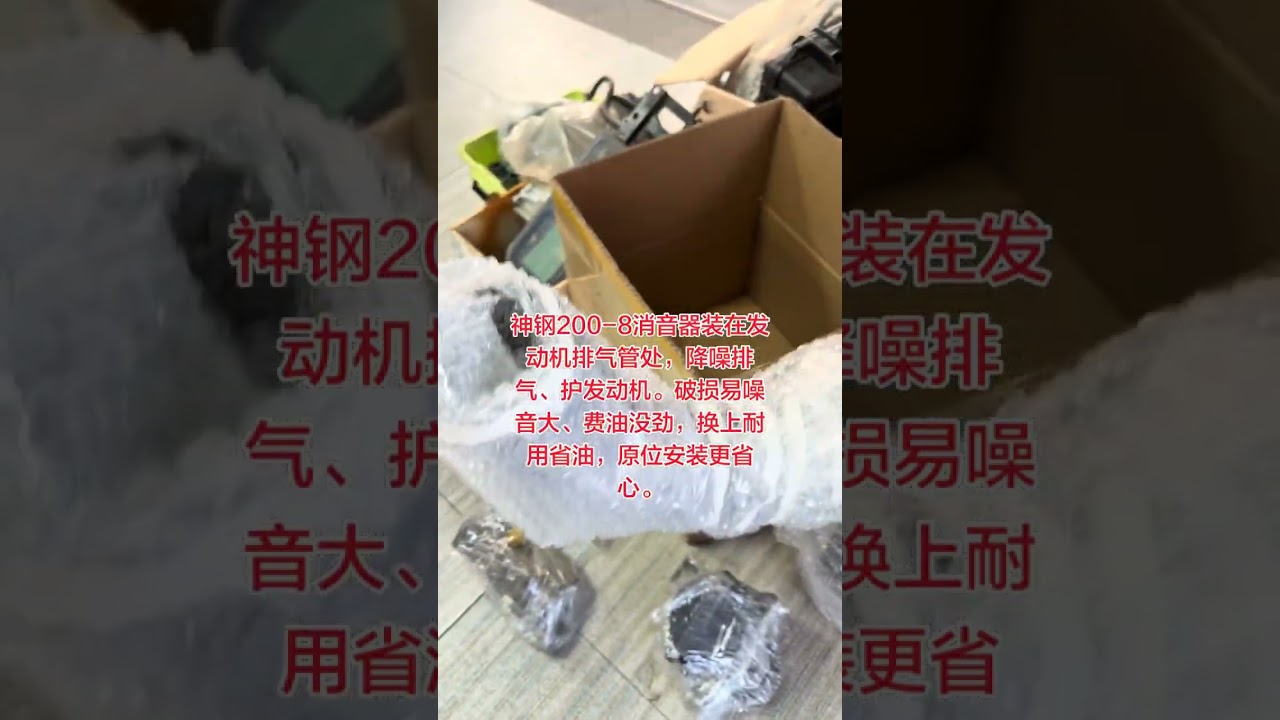
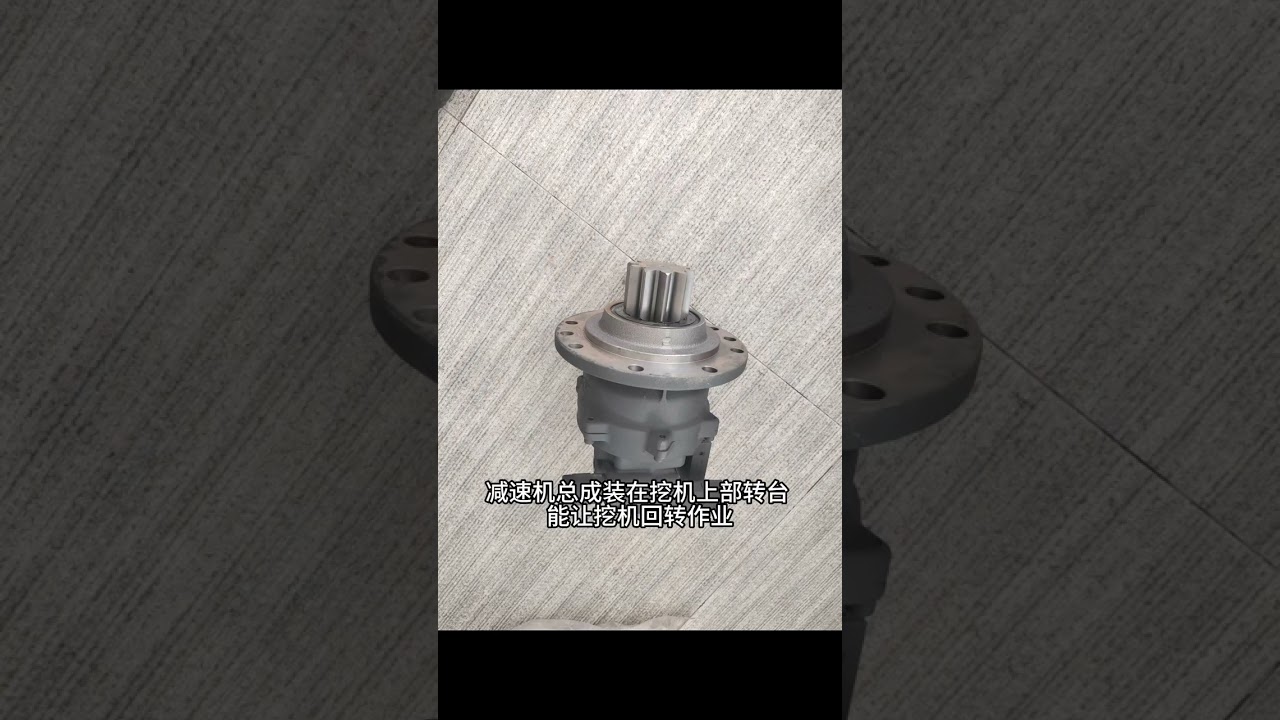
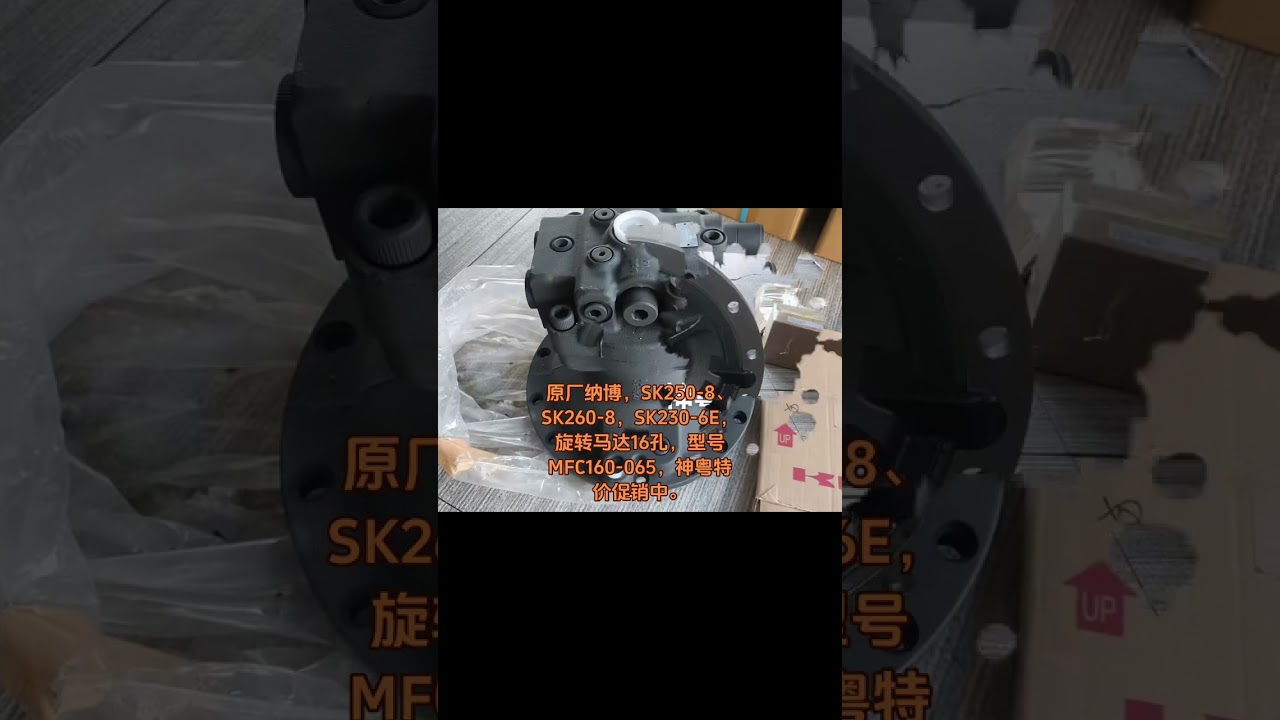
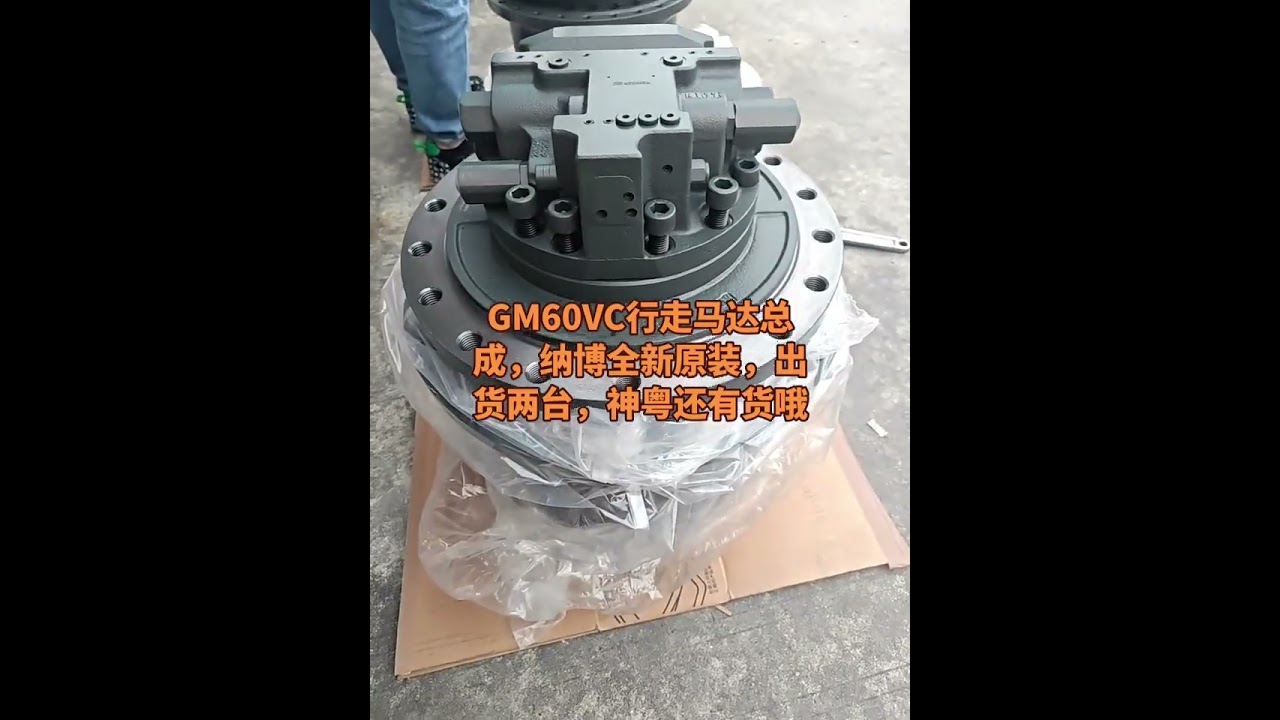
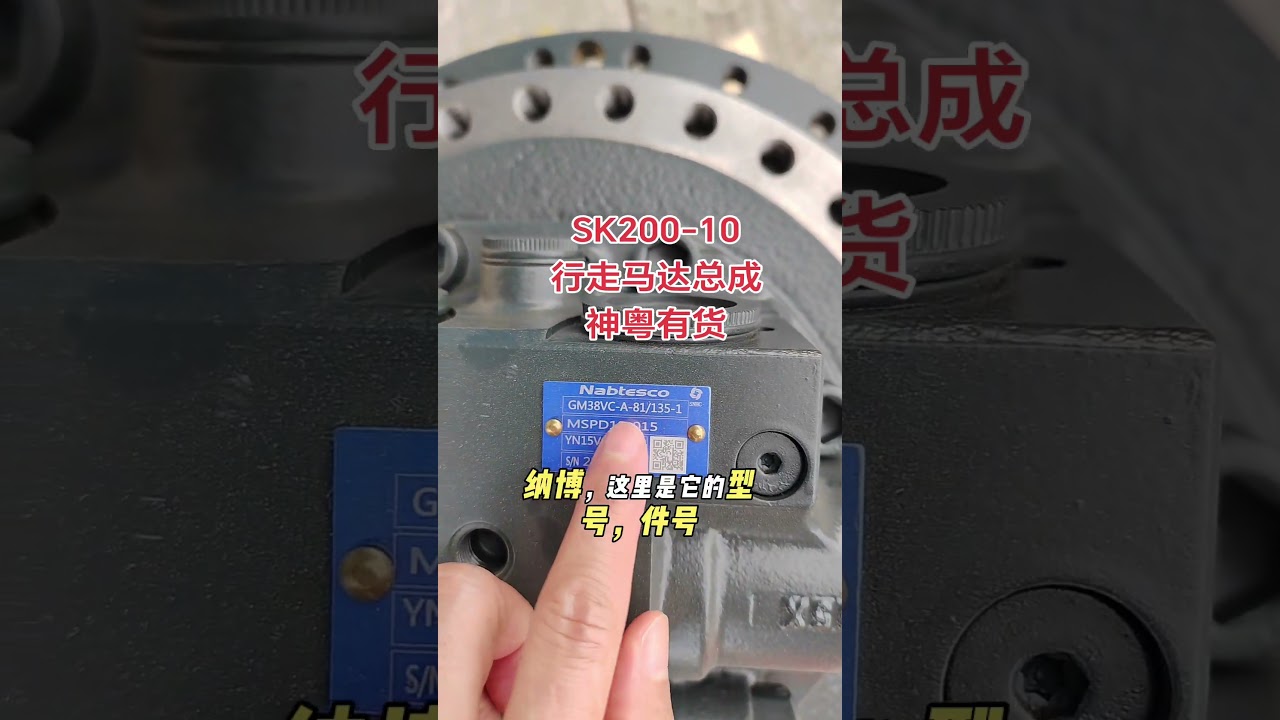
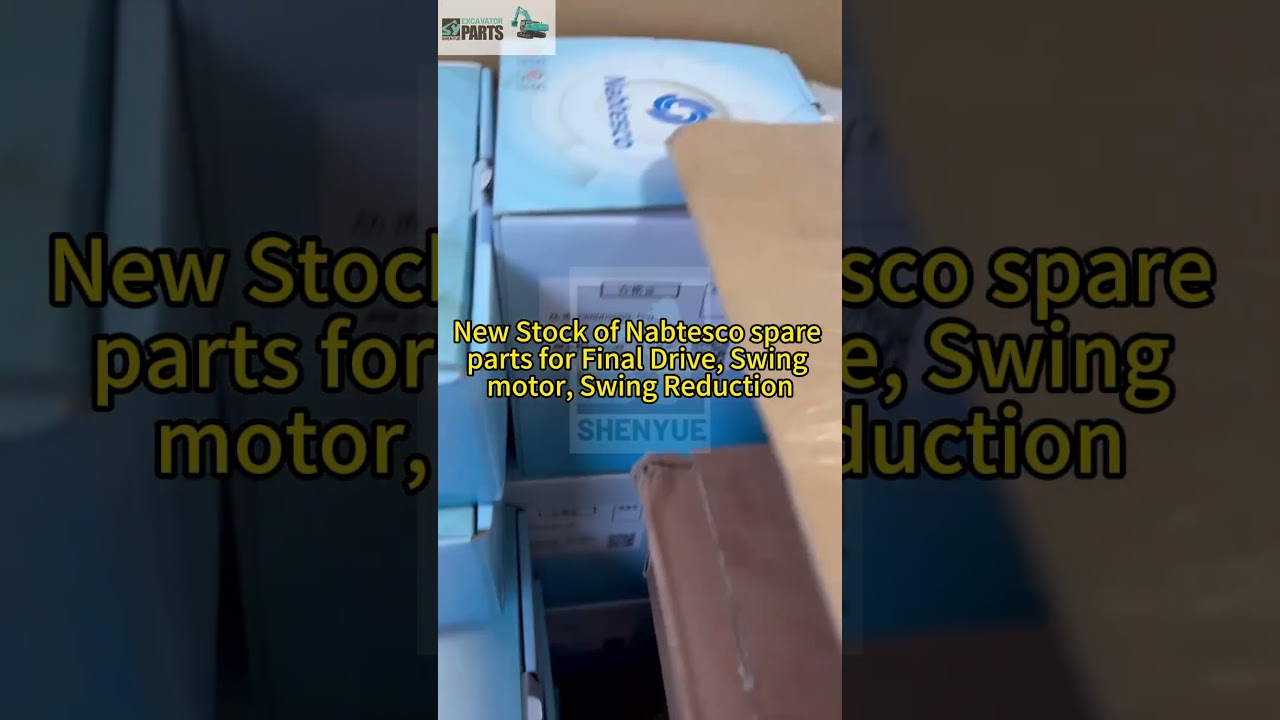
| YN15V00077F1 | Swing Motor | Swing motor assembly for the SK200-8 class |
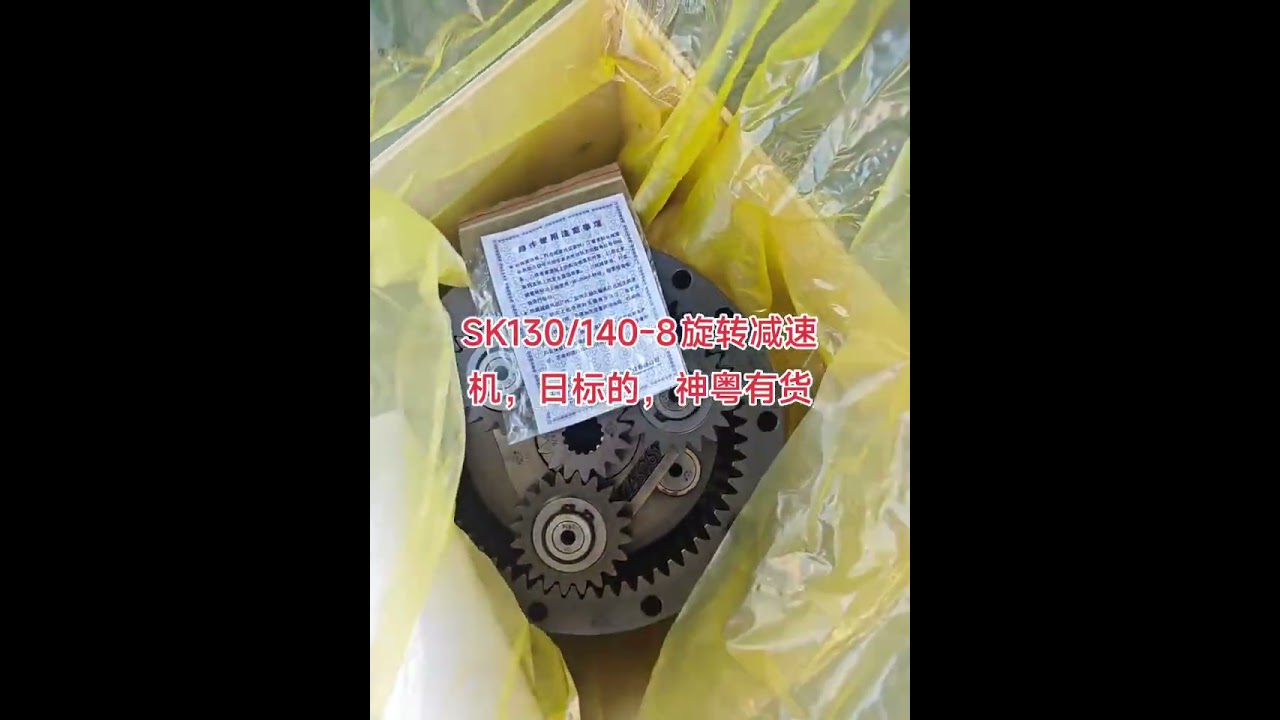
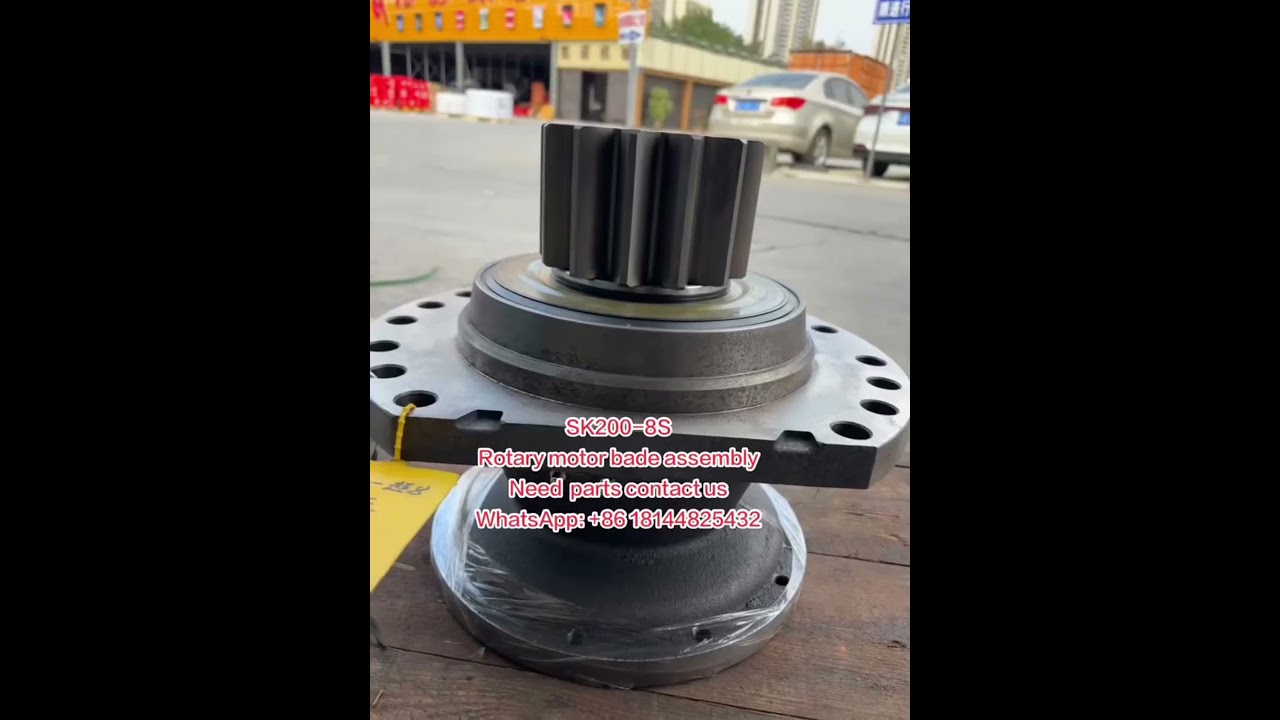
| YN40F01001P1 | Swing Reduction Assembly | Swing reduction and slewing gear, SK200-8 |
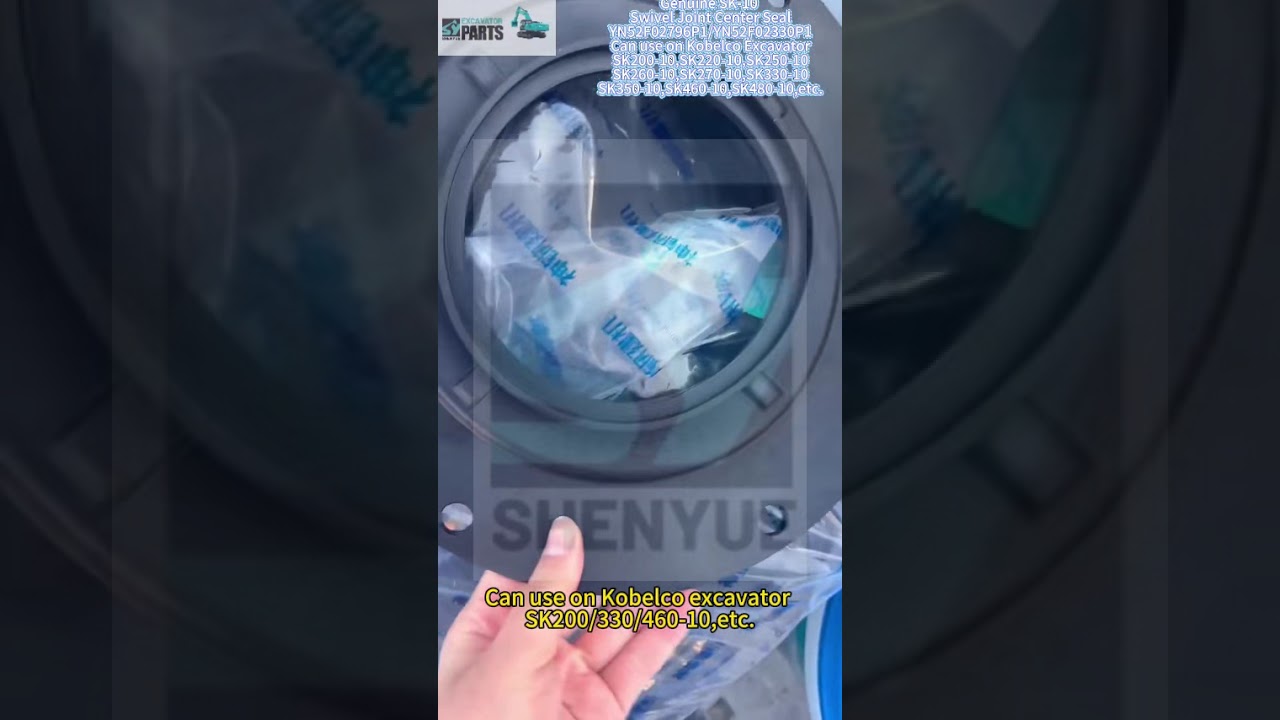
| YN40F00042F2 | Swing Bearing | Swing bearing / slewing ring, SK200-10 |
| AE3994A | Travel Reduction Housing | Travel reduction housing, SK200 class |
| XZ0532E | Oil Seal | Swing shaft oil seal |
| LS30P01001F1C | Coupling Assy | Drive coupling assembly |
Hydraulic Pressure: Eliminating Pump, Relief and Pilot Faults in Order
Pump, relief and pilot pressure faults wear the same face on these machines, so the order in which you eliminate them is what decides the repair bill.
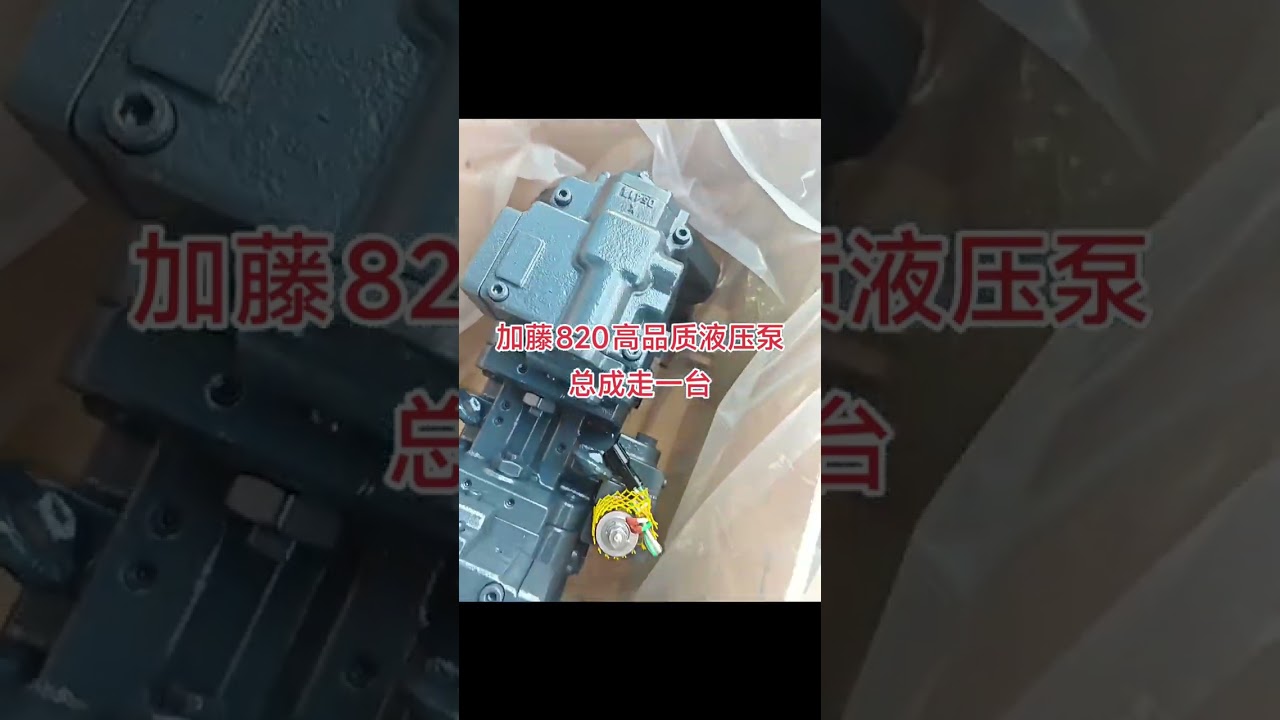
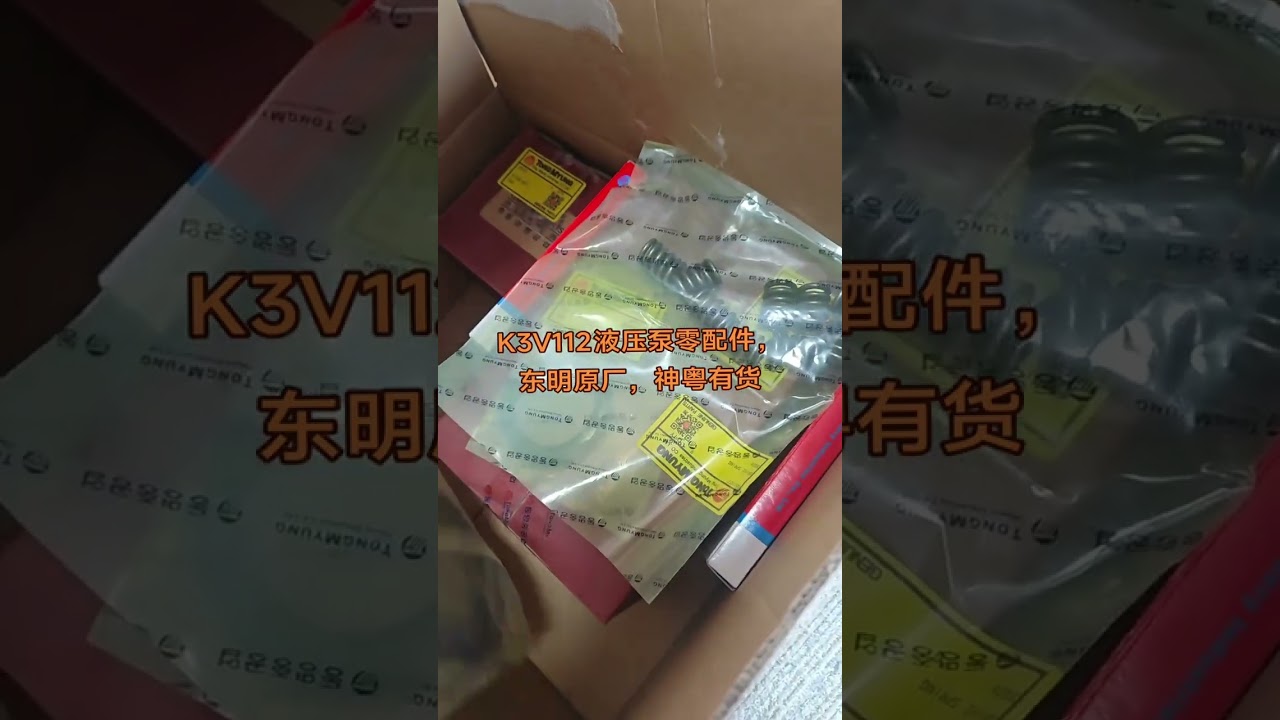
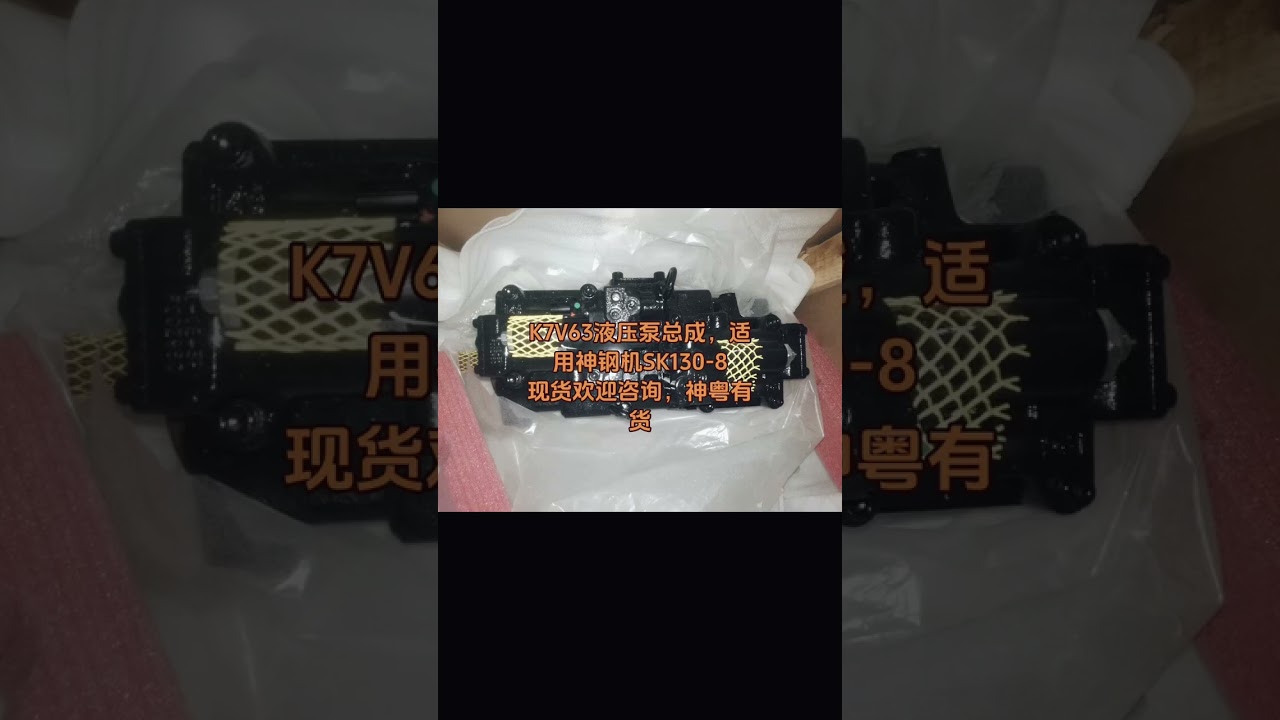
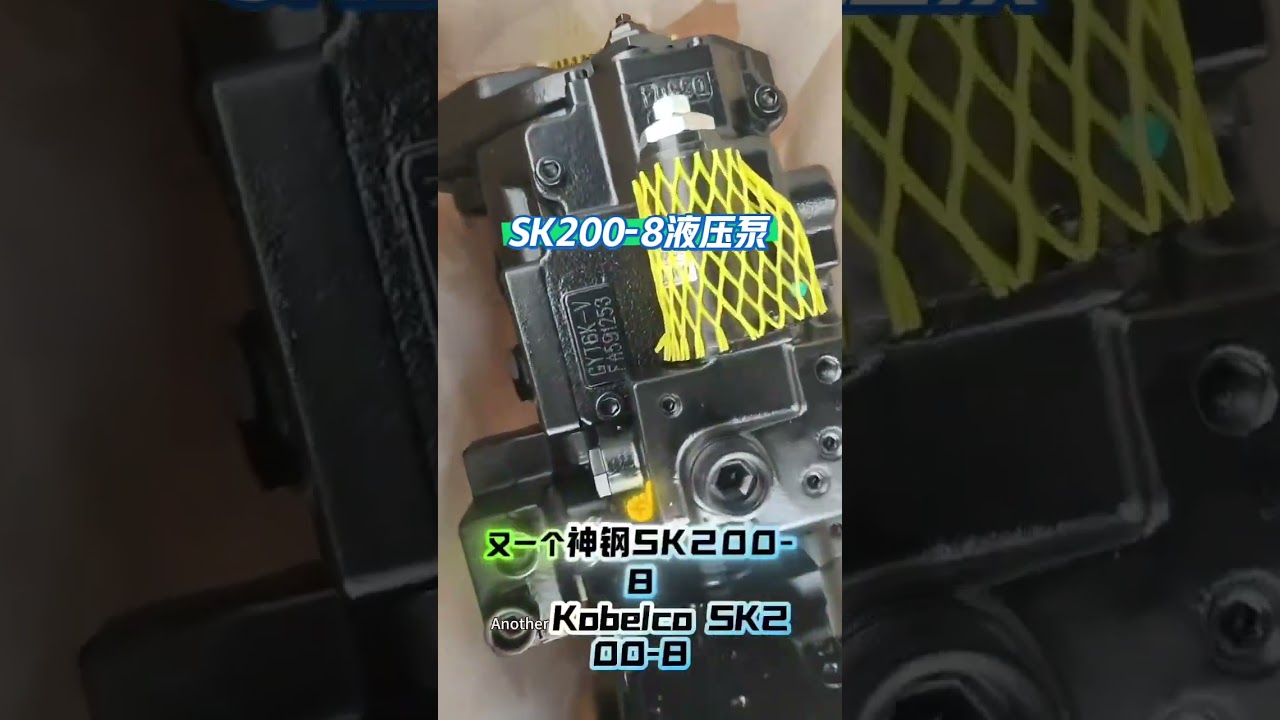
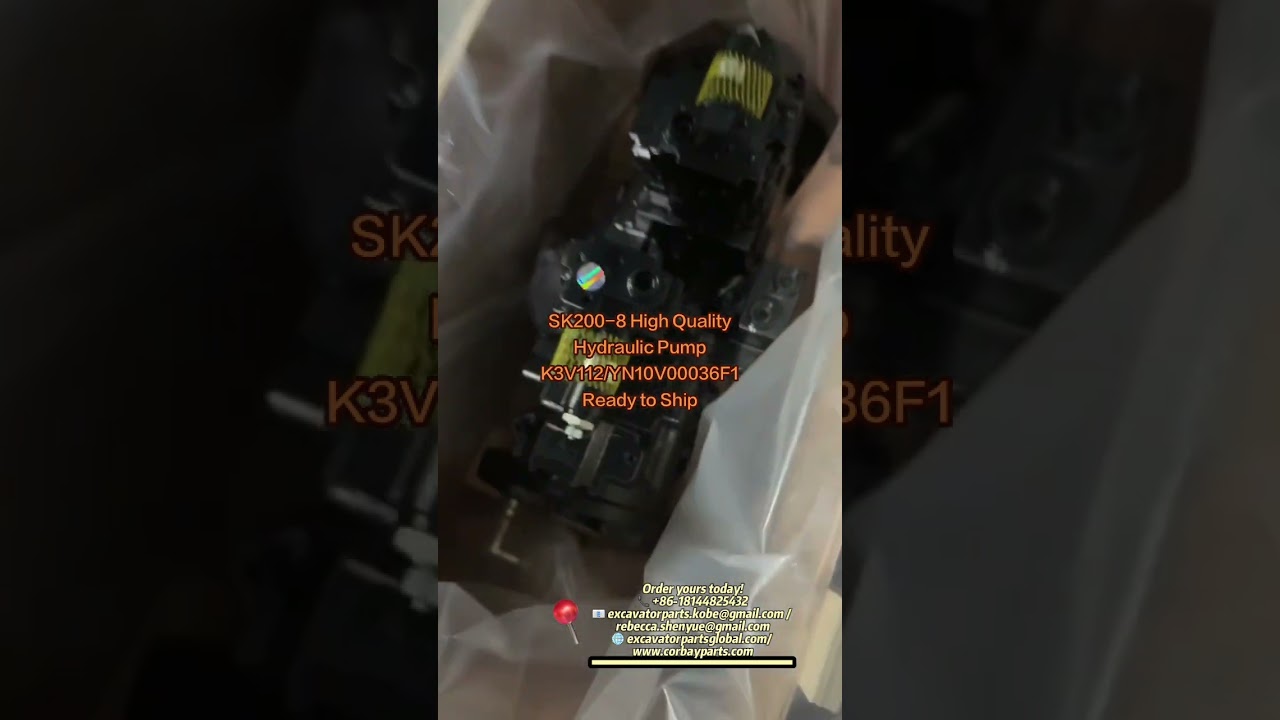
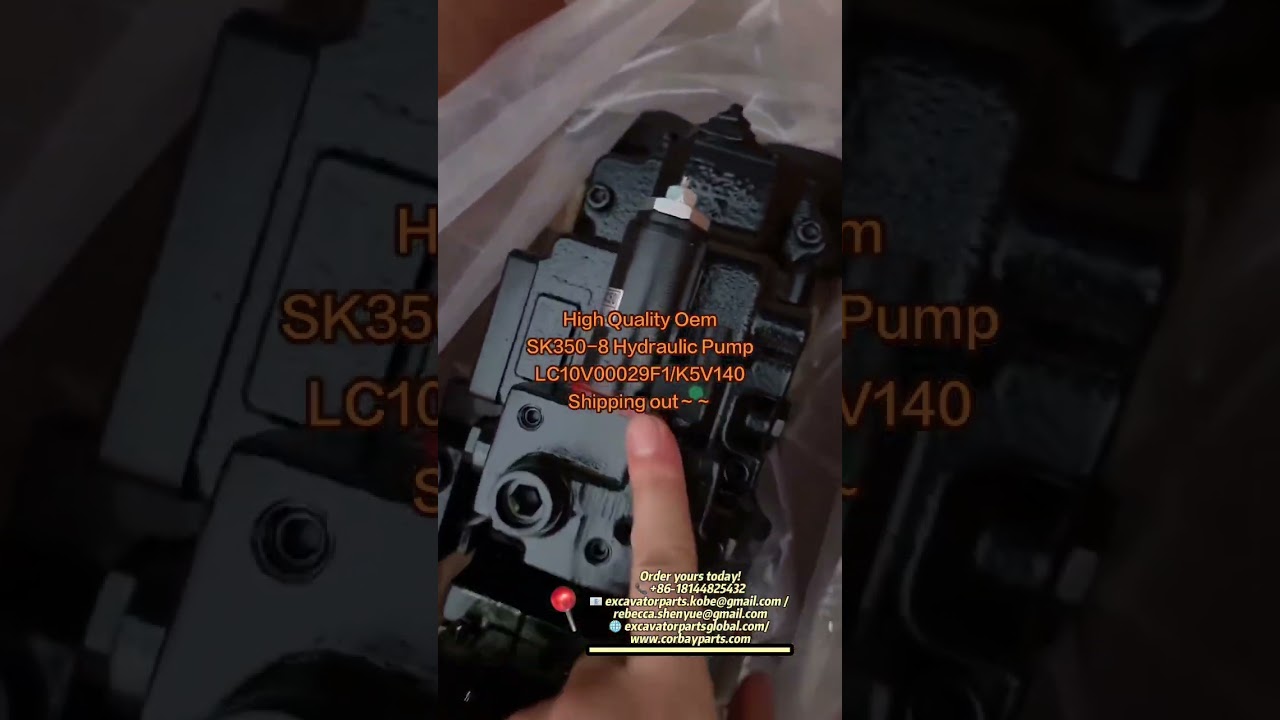
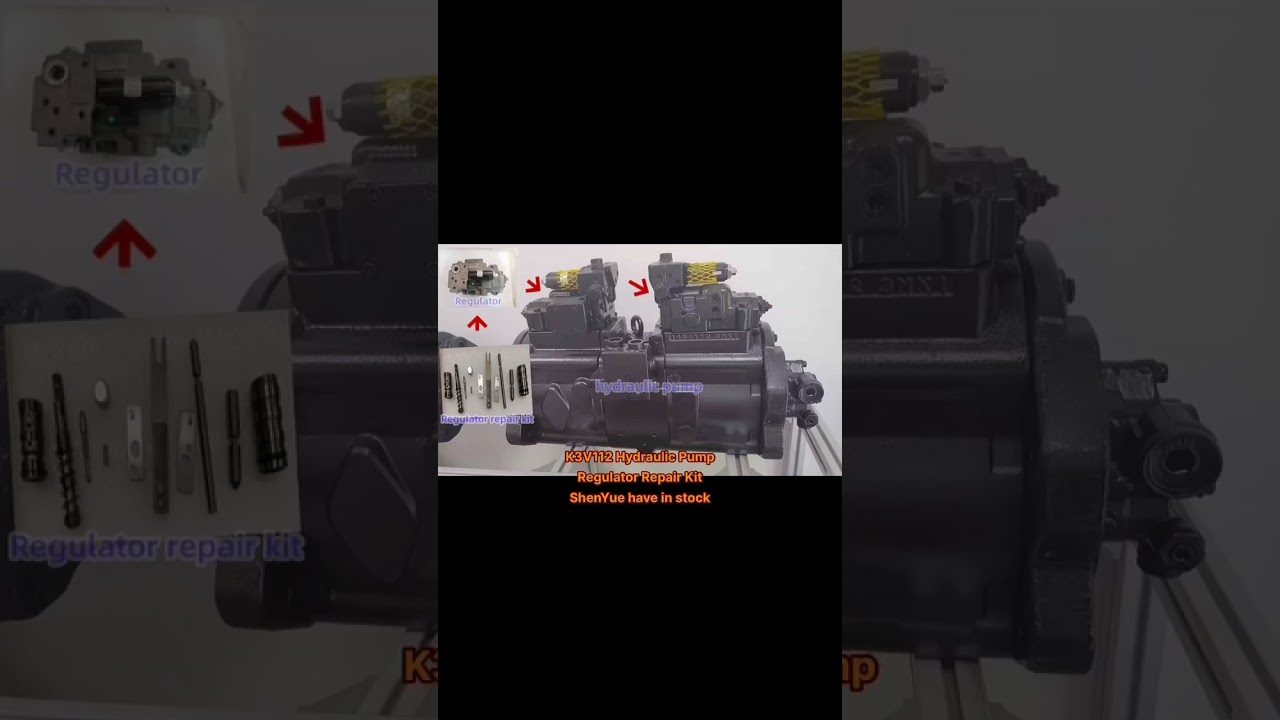
The main pumps on these machines are Kawasaki K3V and K5V series variable-displacement axial piston pumps of swash plate design. The 20 to 22-tonne machines normally run the K3V112 size; the 33 to 35-tonne machines run the K5V140. Rated pressure is in the region of 34.3 MPa with a peak around 39.2 MPa, and both are tandem units, which is why a pump fault often shows on every function at once.
When a pump wears, the symptom set is consistent: functions get slower across the board, the tank runs hotter than it used to, and the pump starts to whine once the oil is hot. What you will not see is one lazy function with everything else normal — that pattern points at the control valve section or the cylinder, not the pump.
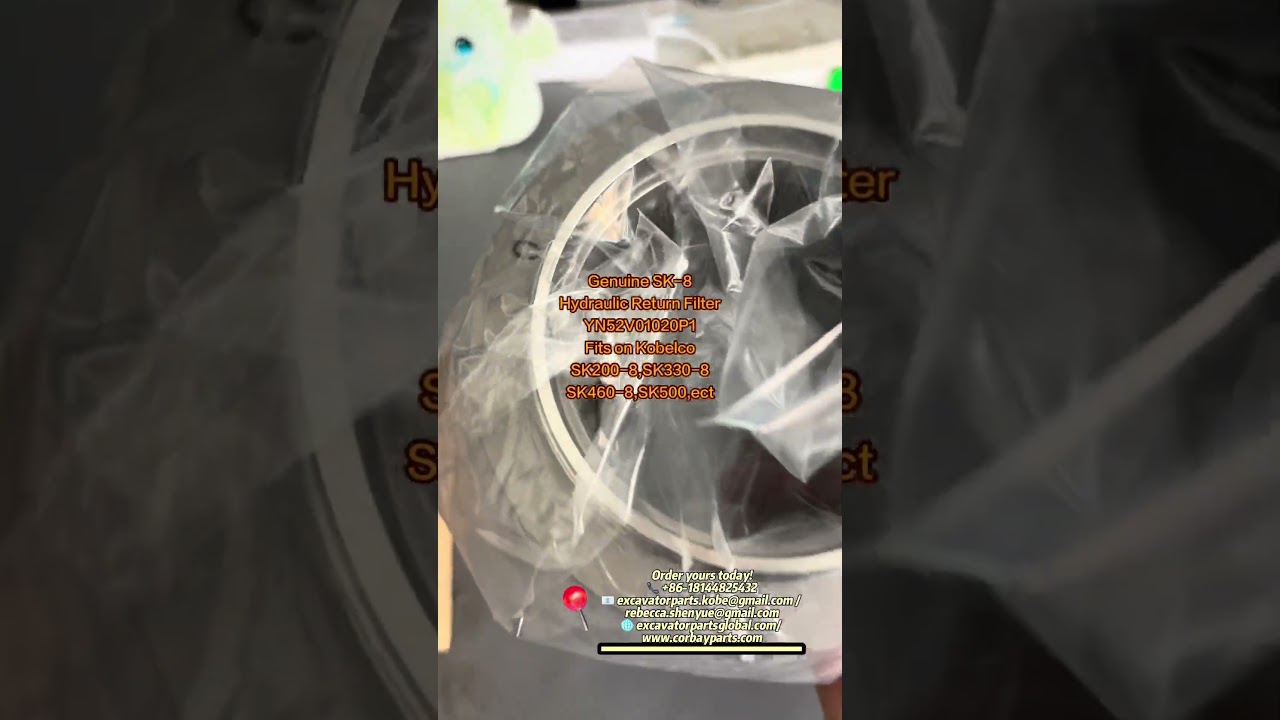
Contamination is the single biggest killer. Metal from a worn rotary group circulates, and a pump rebuilt into a dirty circuit fails again quickly. If you find metal in the return filter, the whole circuit needs flushing, not just the pump replacing.
The pilot circuit is the cheapest thing to overlook and the easiest to blame on the pump. A blocked pilot filter starves every control spool, and the machine feels exactly like a pump that has lost its flow. Change the pilot element before any hydraulic diagnosis.
What you notice, and what to check first
| Symptom | Cause and first check |
|---|
| All functions slow and weak together | Flow loss at the pump, or the main relief relieving early. Gauge main relief pressure at the test port first. |
|---|
| Pump whines when the oil is hot | Internal wear, or air being drawn at the suction line. Check the suction joints on a cold start for cavitation. |
|---|
| Machine strong then suddenly flat | Pump regulator not holding displacement. Check regulator control pressure against pump output. |
|---|
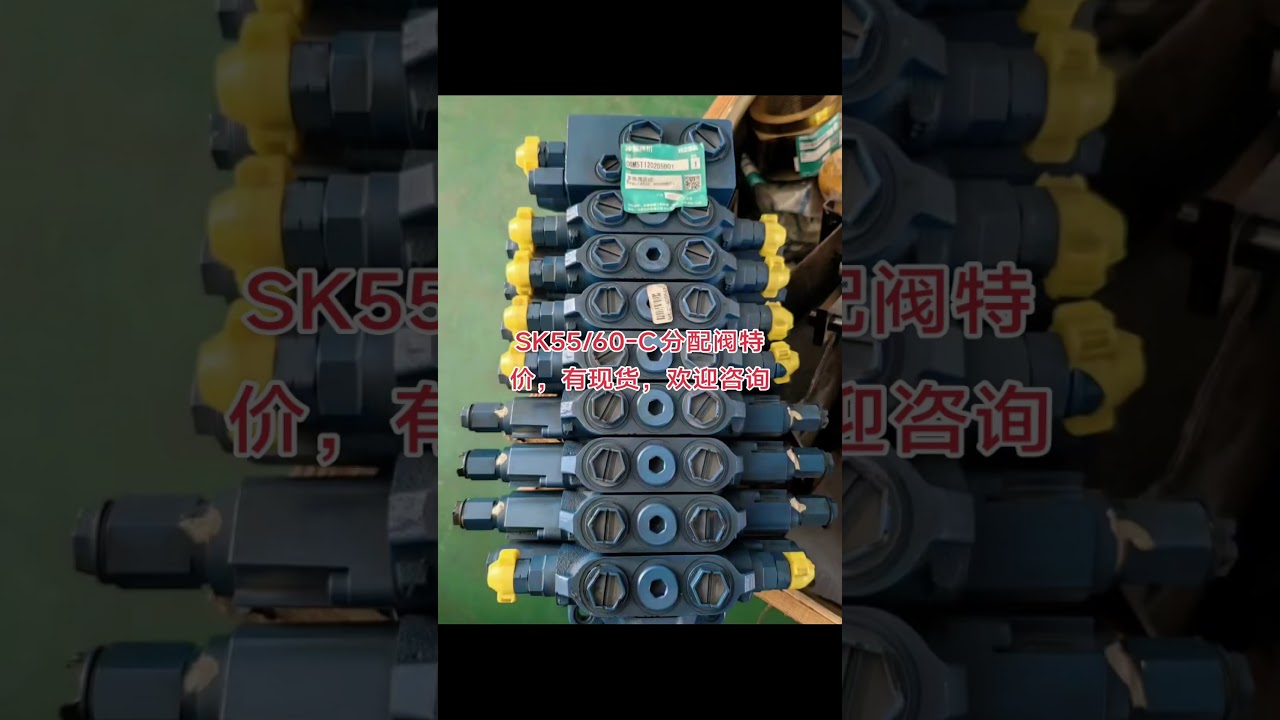
| One function weak, the rest normal | Control valve section or the cylinder, not the pump. Isolate the function before stripping anything. |
|---|
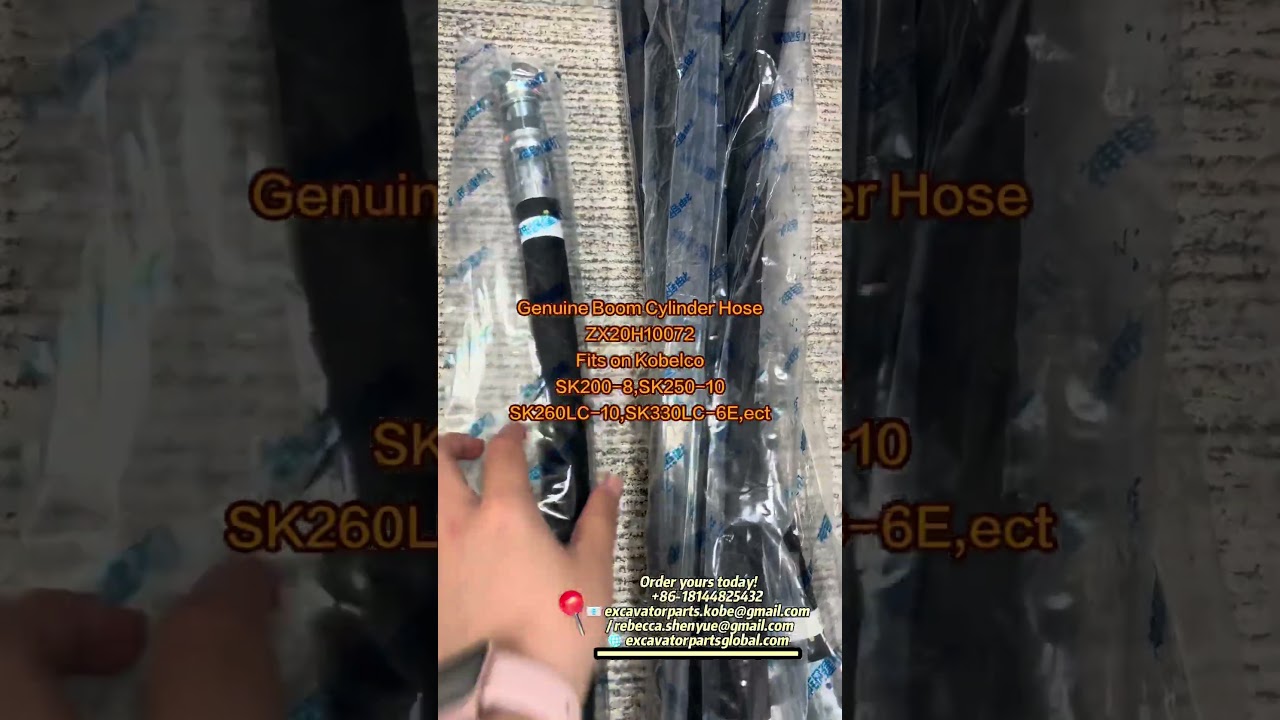
| Boom sinks with the levers centred | Boom hold valve seat, or internal leakage past the cylinder piston seal. |
|---|
| Controls vague and slow to respond | Pilot pressure low. Check the pilot filter element and pilot pressure at the spool. |
|---|
Numbers we hold for this system
| Part number | Description | Notes |
|---|
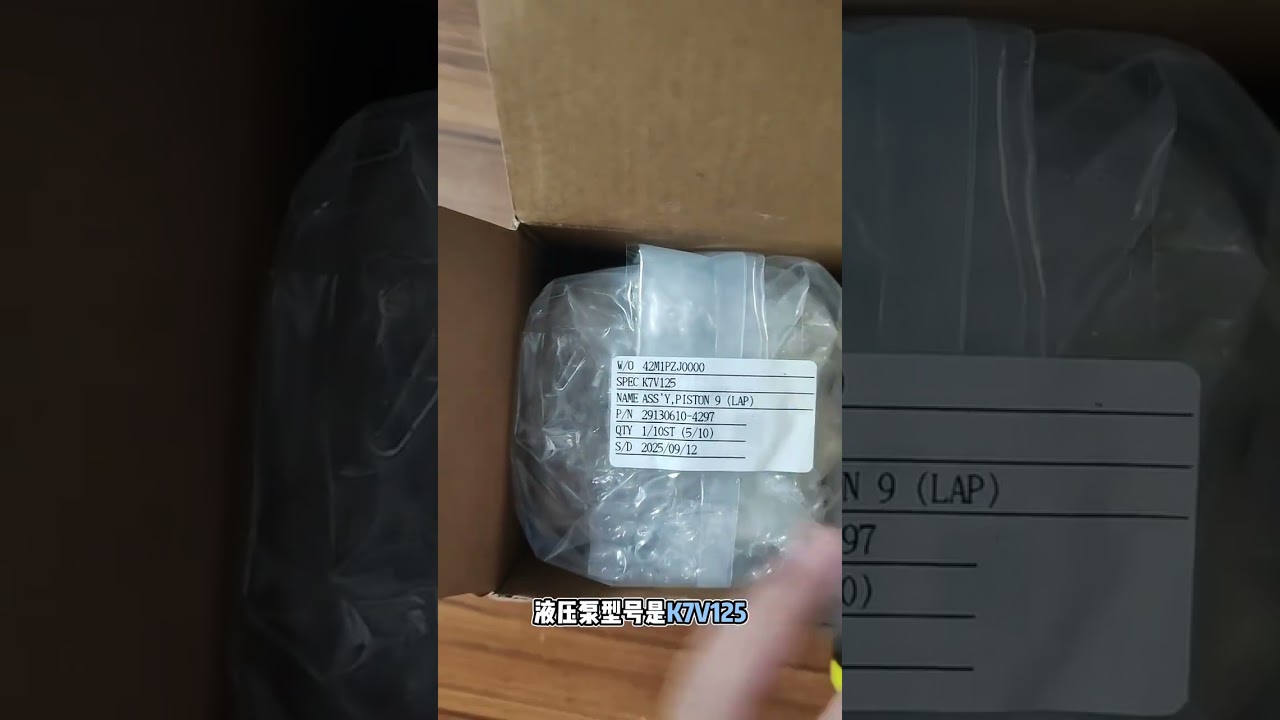
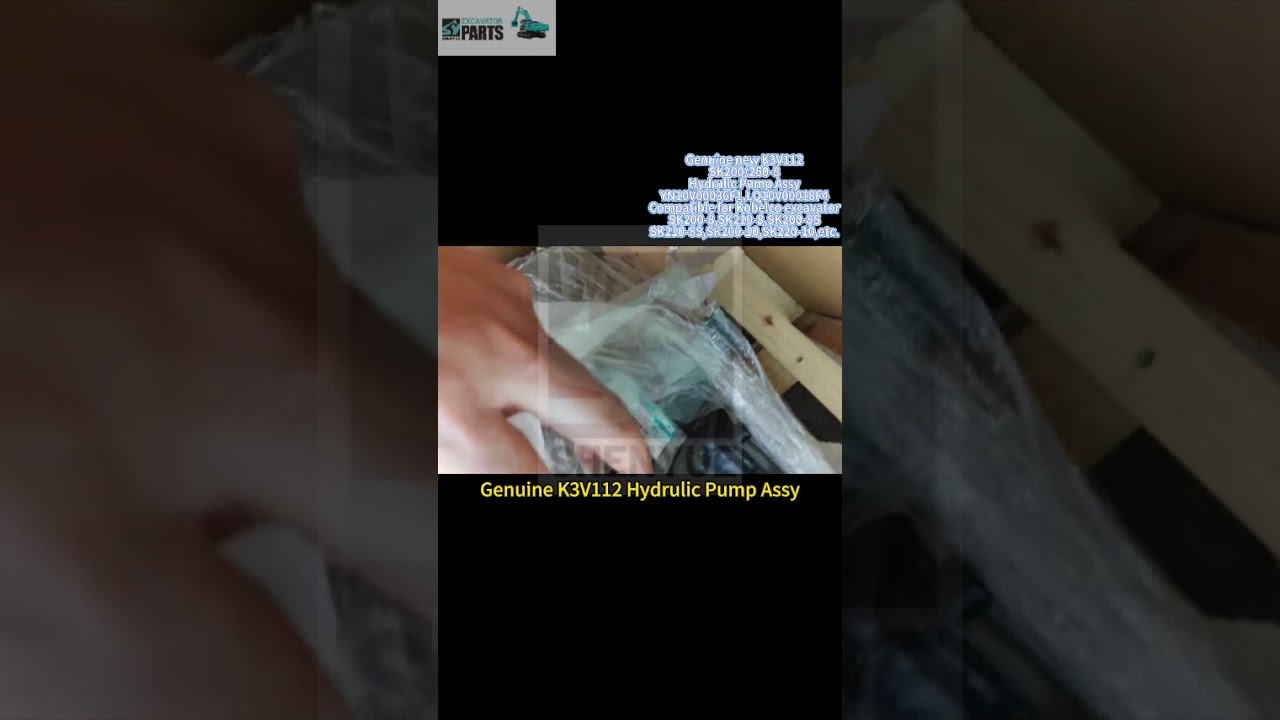
| 2924610-0030 / YN10V00005S156 | Hydraulic Pump Assembly | K3V112 / K5V140 class main pump assembly |
| 29070821-4927 | Regulator Assy | Pump regulator for the K3V112 pump |
| YN10V01006F1 | Regulator Assy | Regulator for the SK200-6 pump |
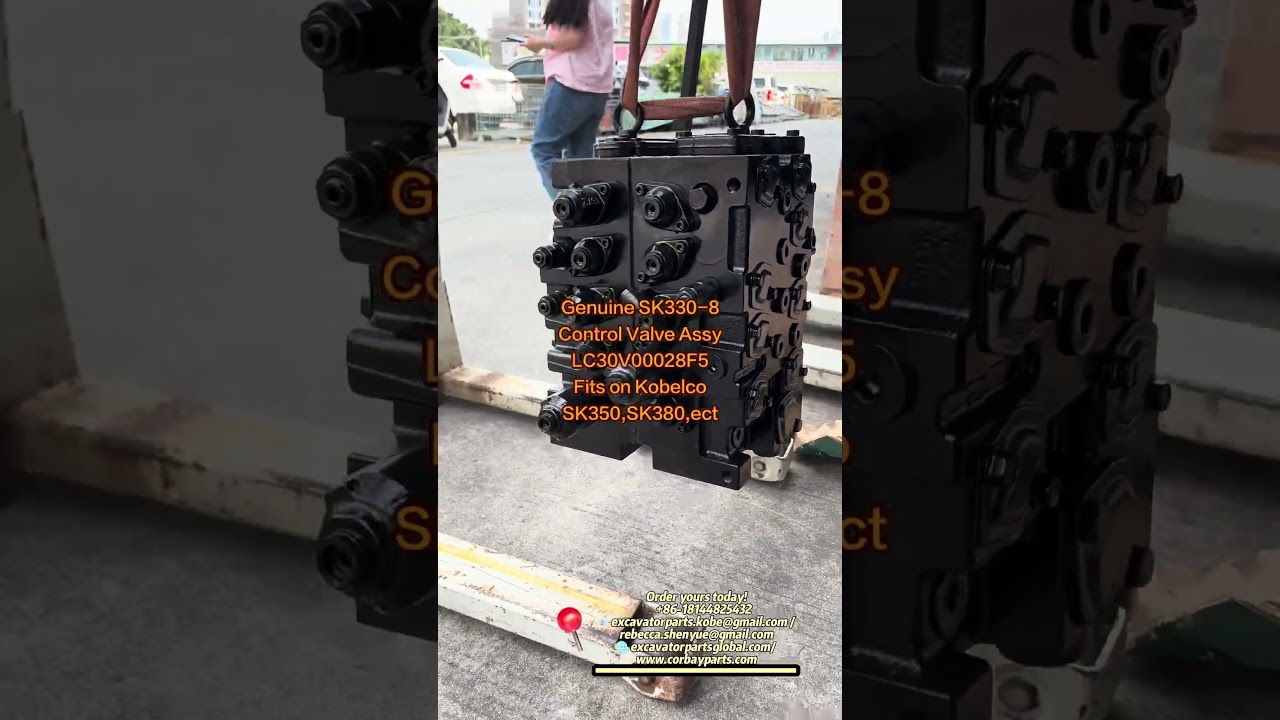
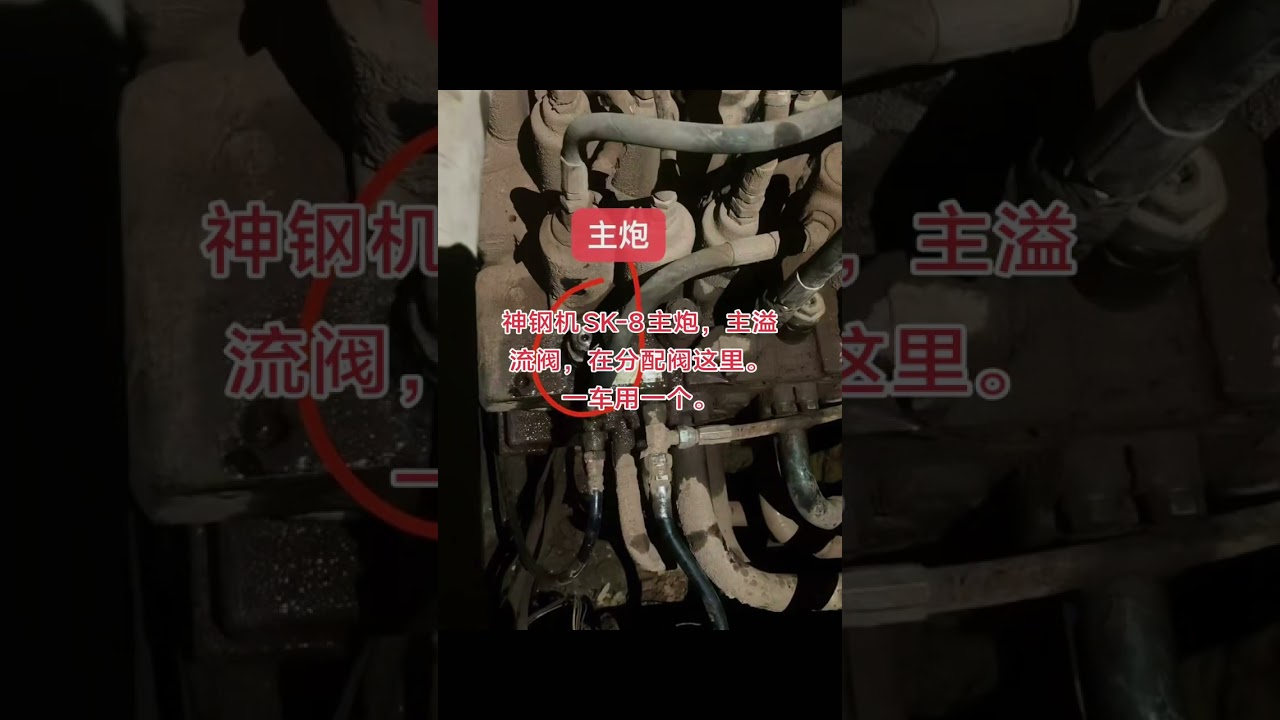
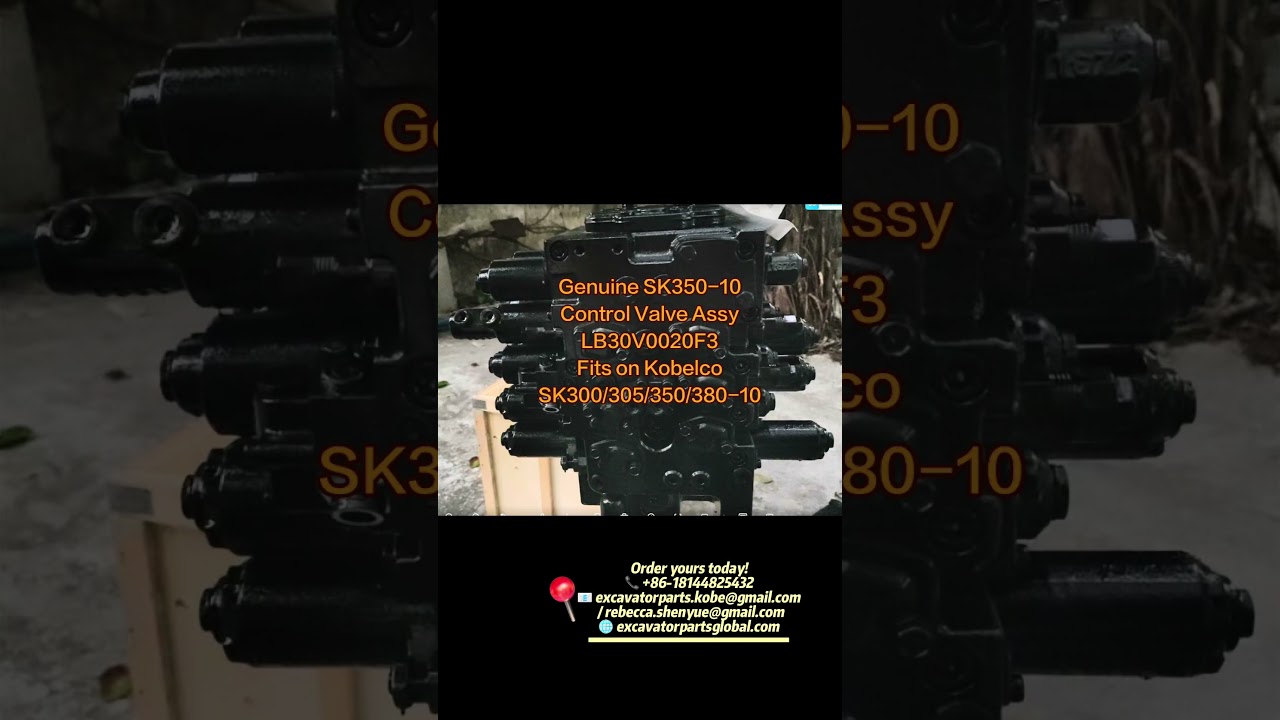
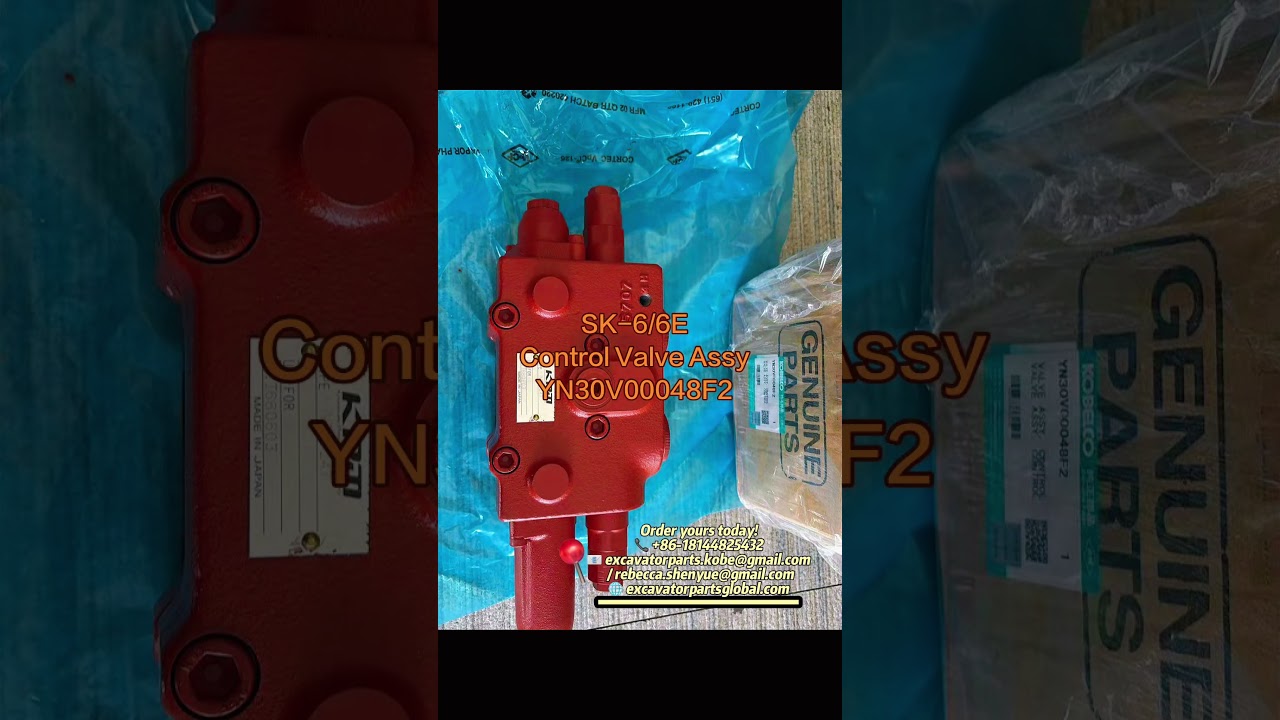
| YN22V00001F4 | Main Relief Valve | Main relief valve, large-machine specification |
| YN50V00020F1 | Pilot Inline Filter | Pilot circuit filter element |
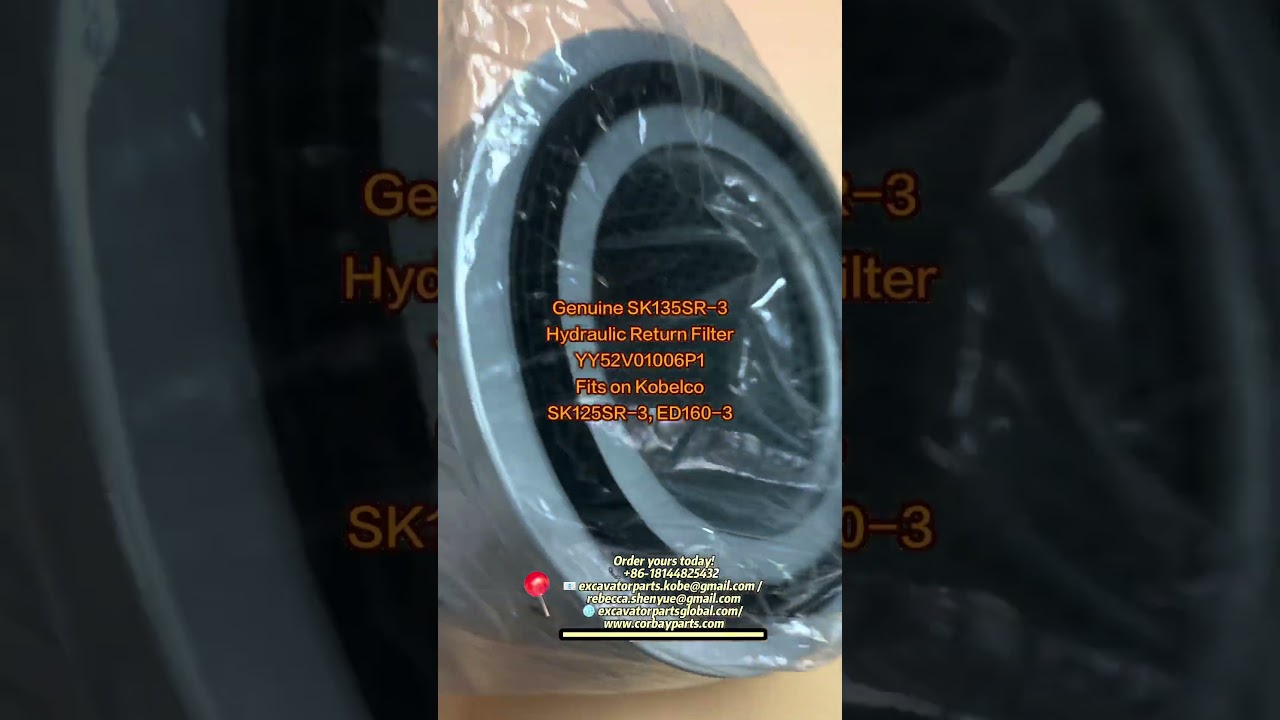
| YN52V01025R110 | Hydraulic Return Filter | Return filter element, SK200 class |
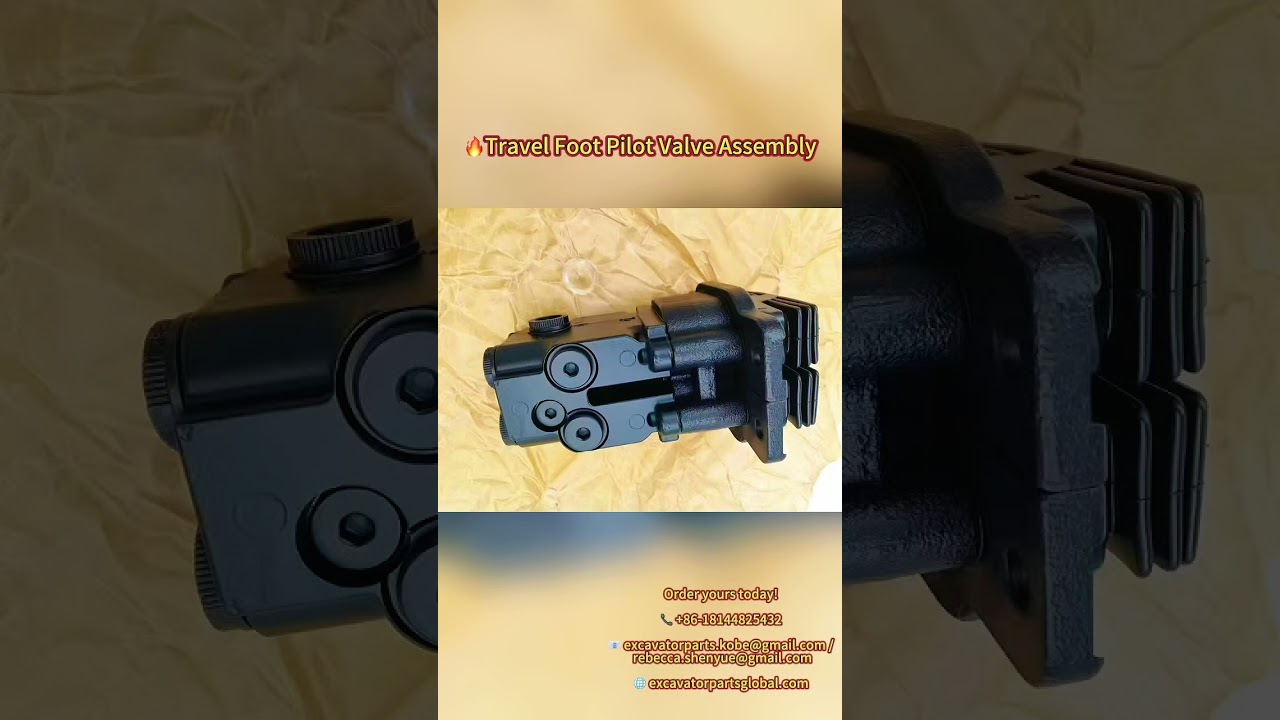
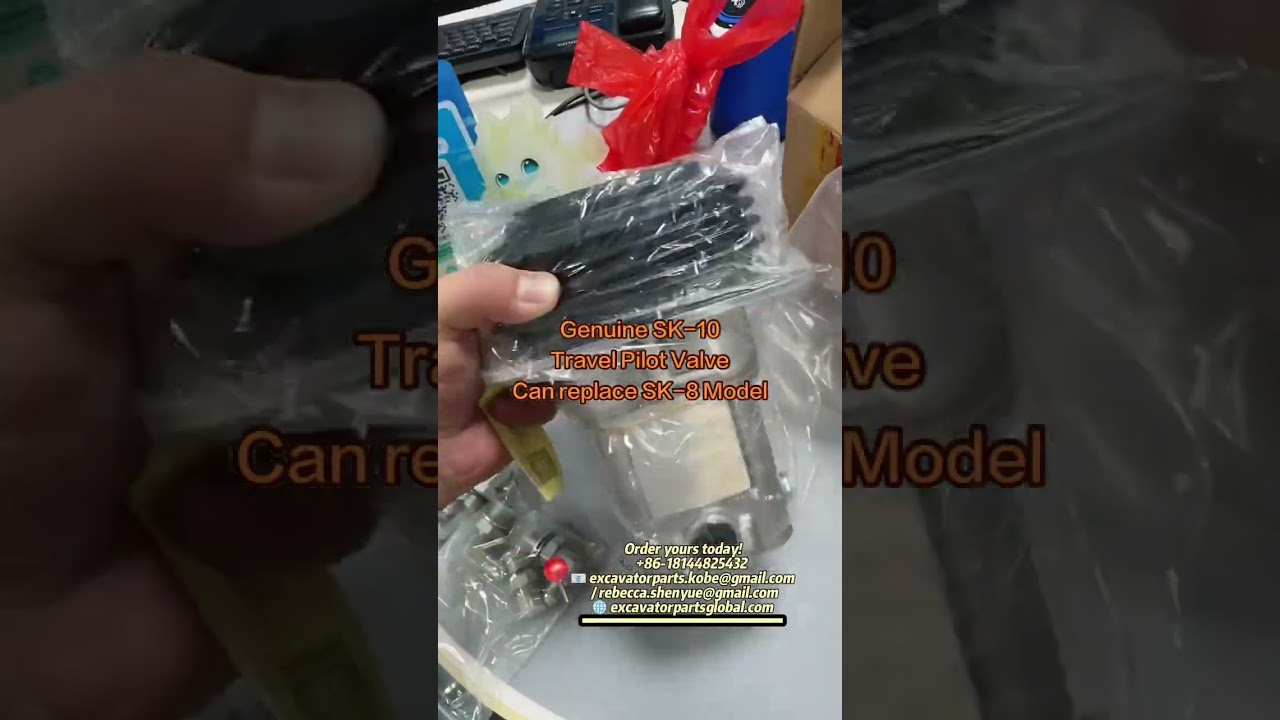
| PX30V00043F4 | Hand Pilot Valve | Pilot valve for the SK75-8 class |
Kobelco Engines: J05, J08, P11C, D04 and D06
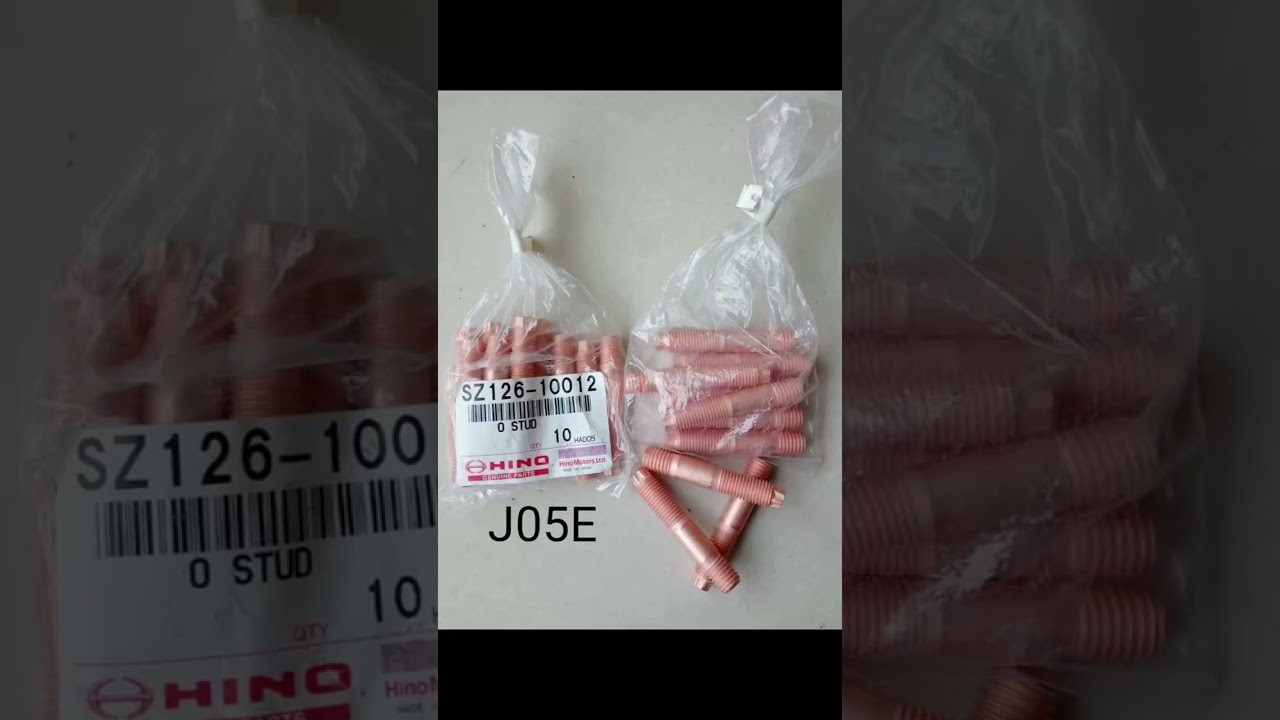
J05, J08, P11C and the Mitsubishi D04 and D06 families cover most of the Kobelco range, and nearly all of them fail through the fuel system rather than the rotating assembly.
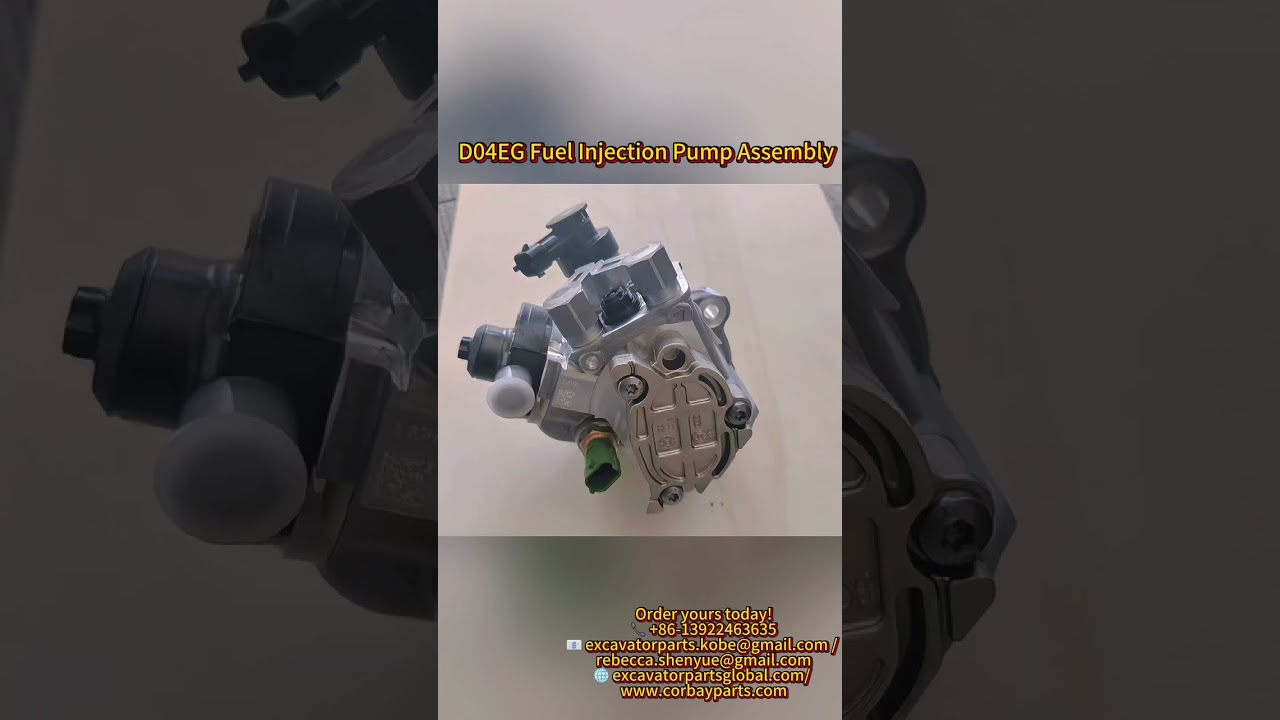
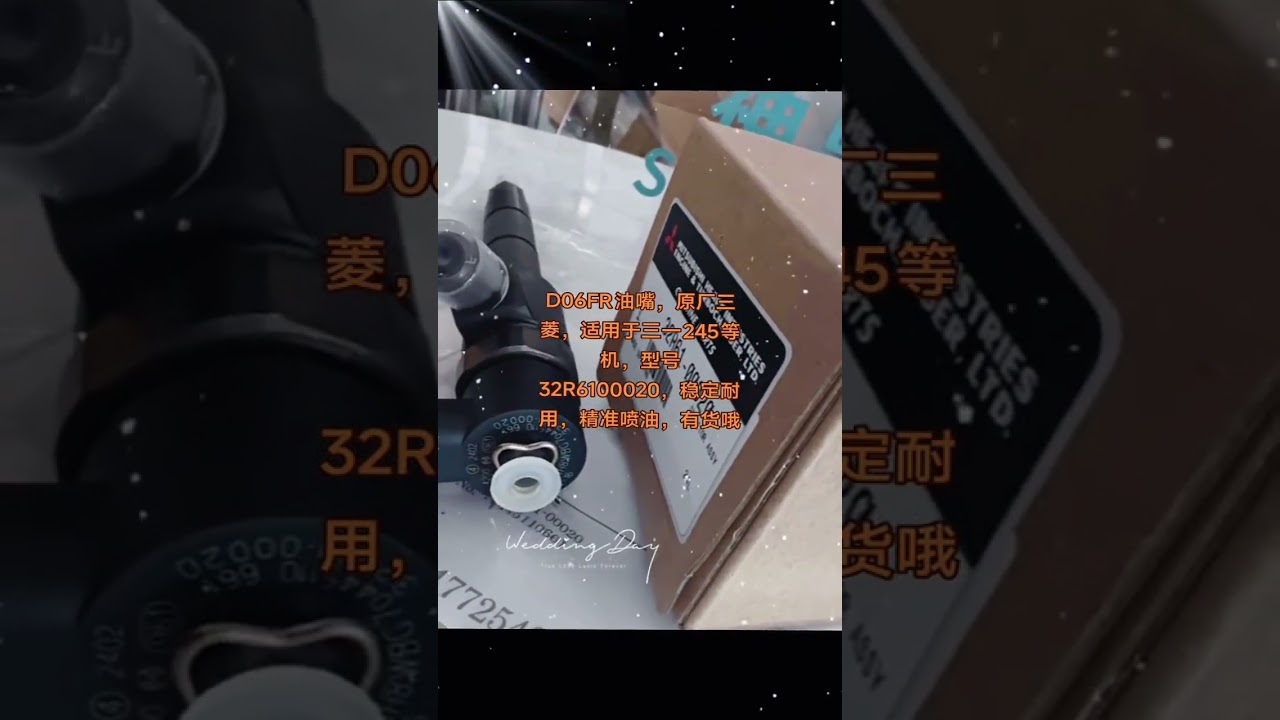
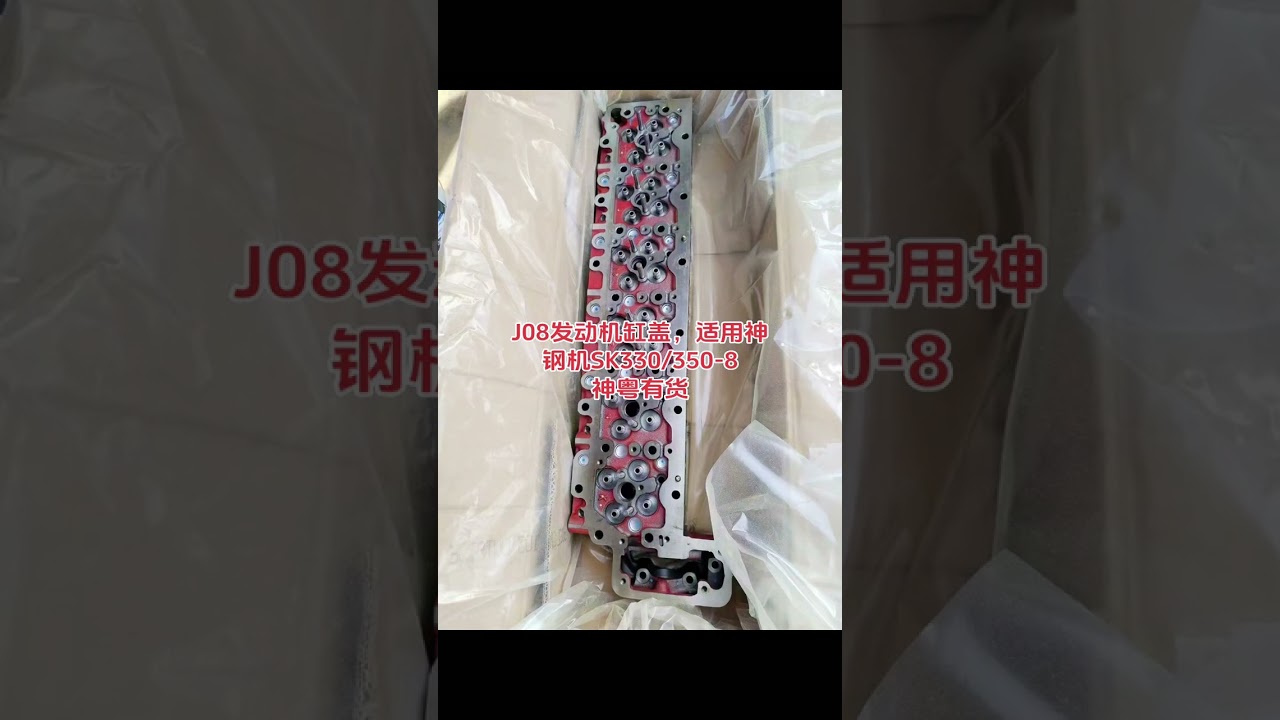
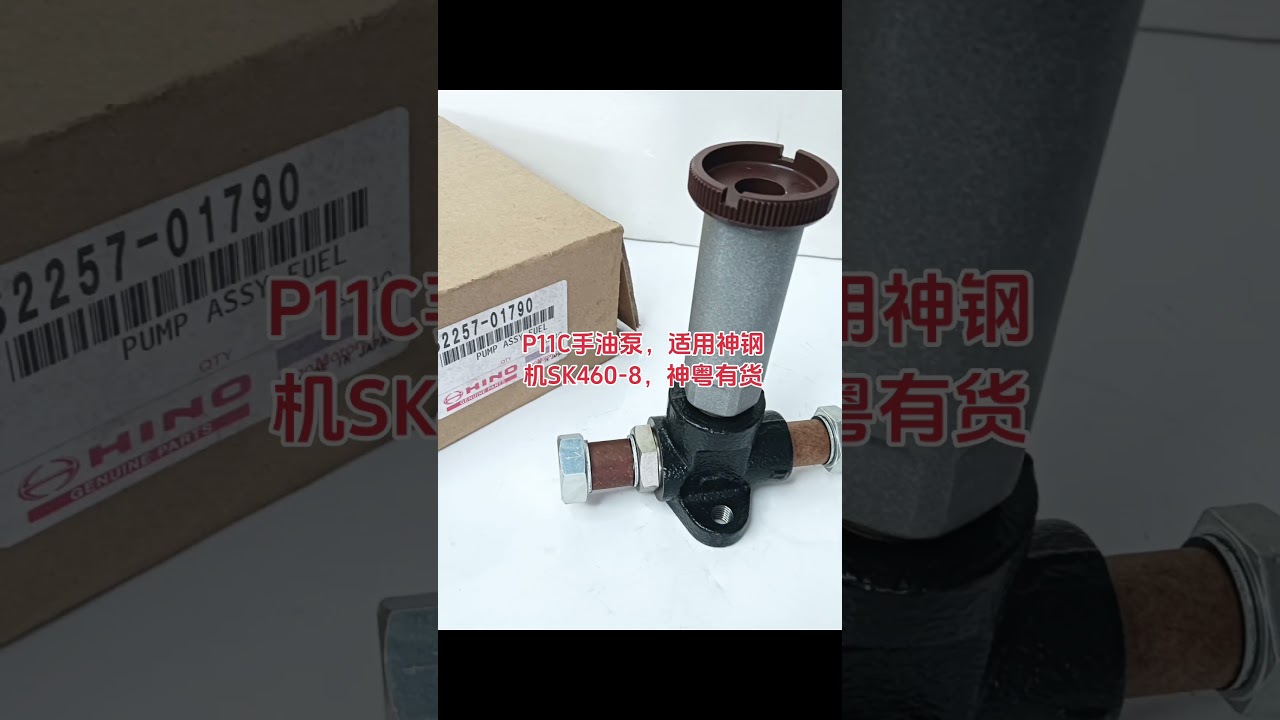
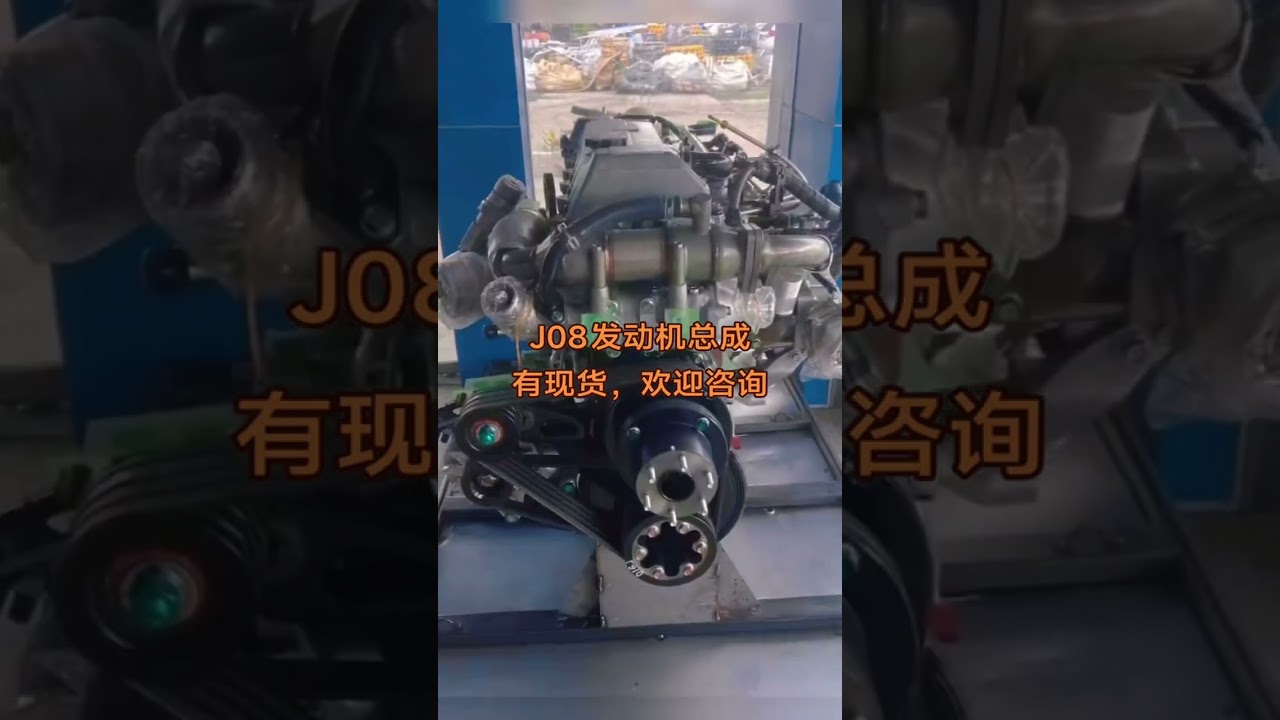
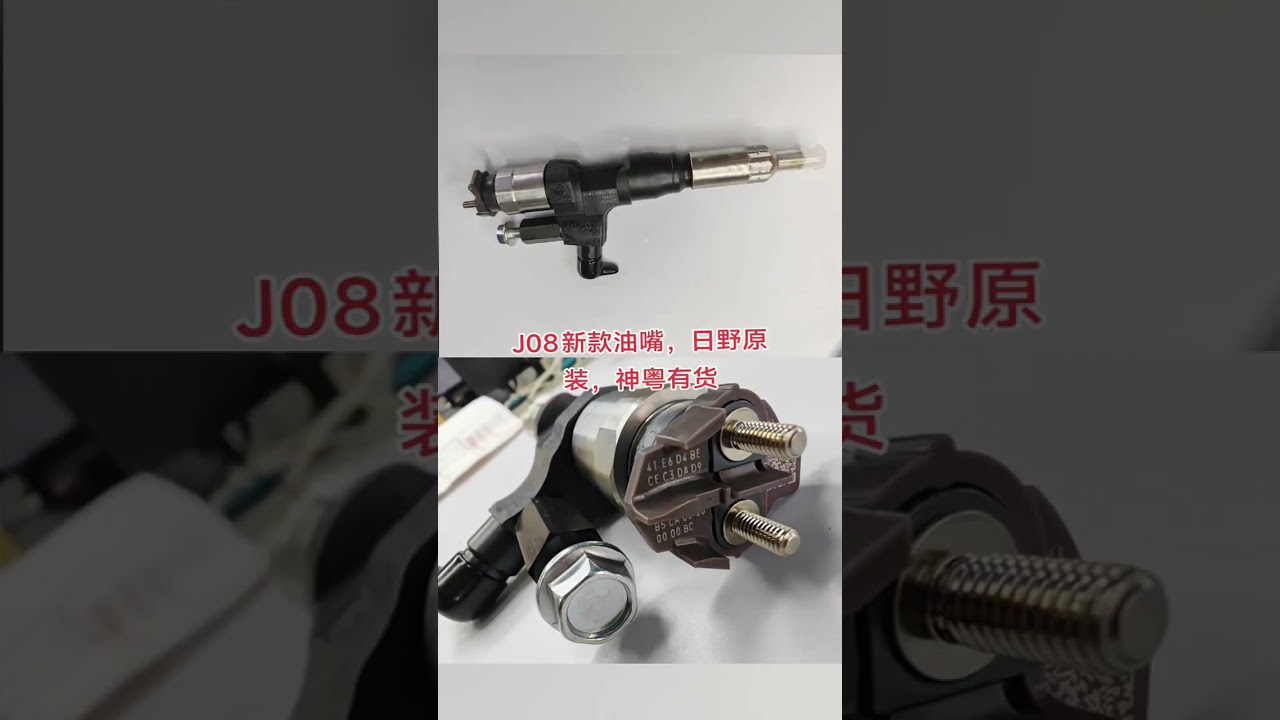
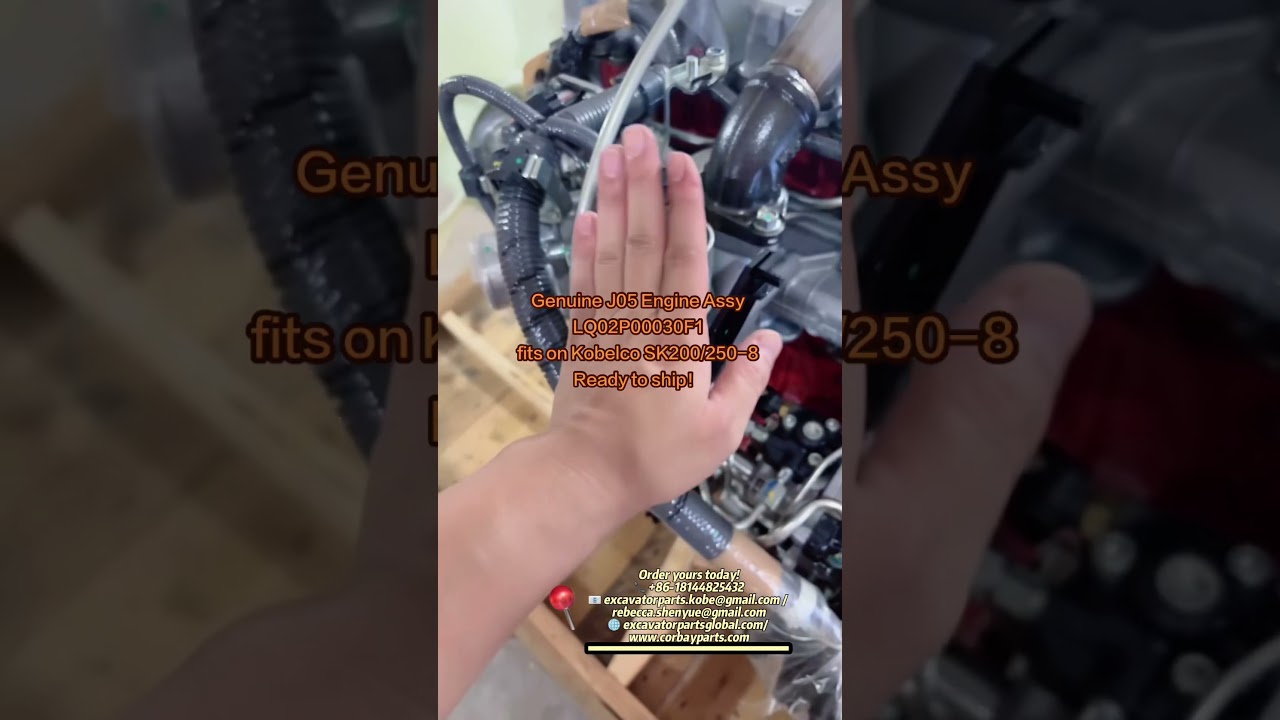
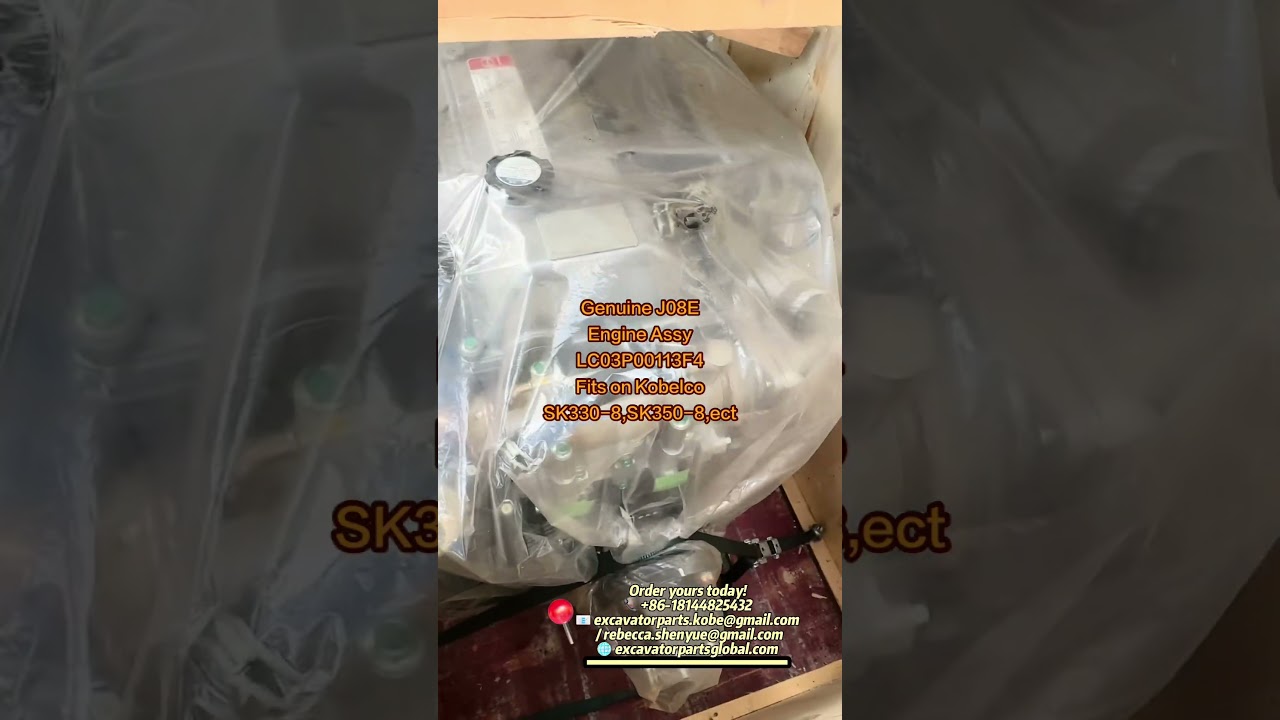
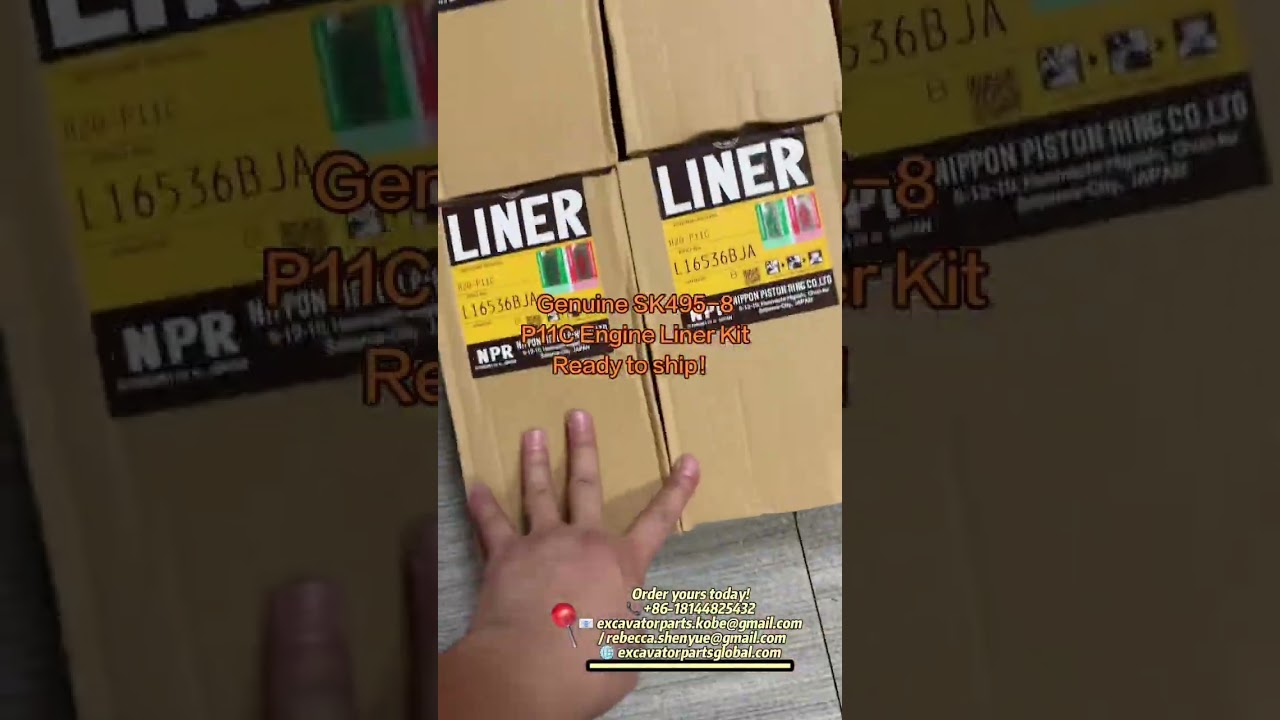
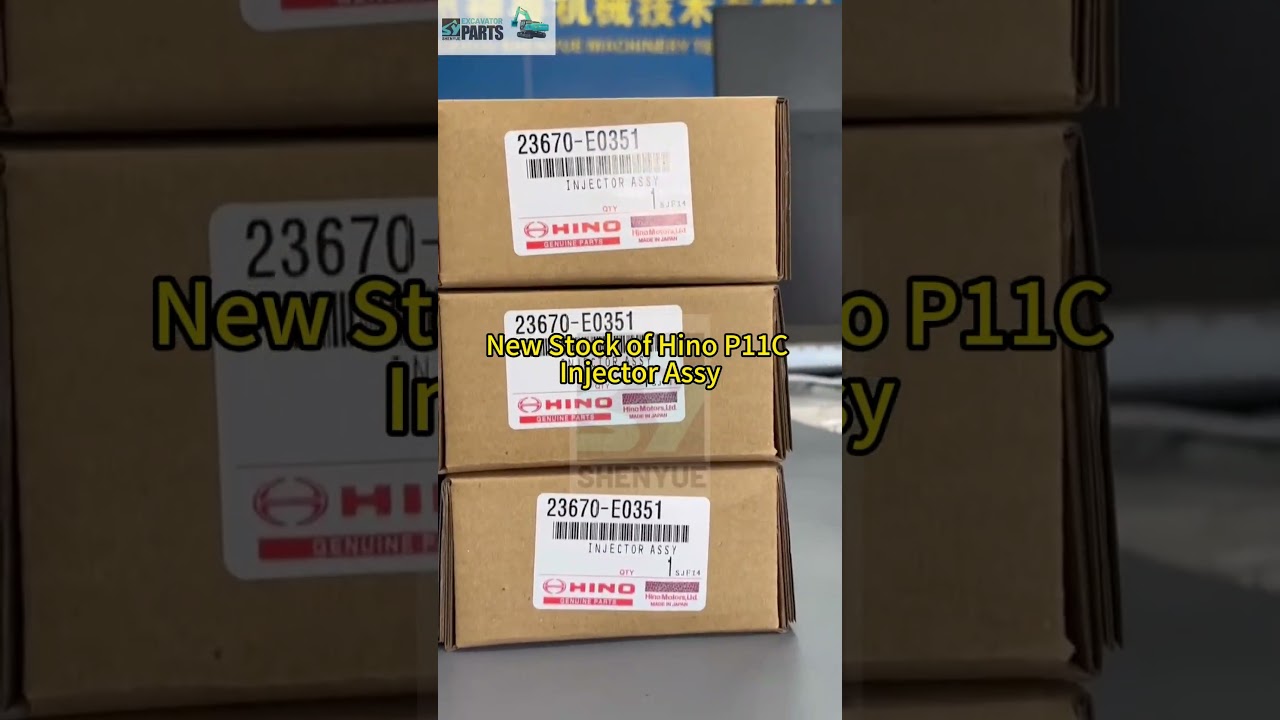
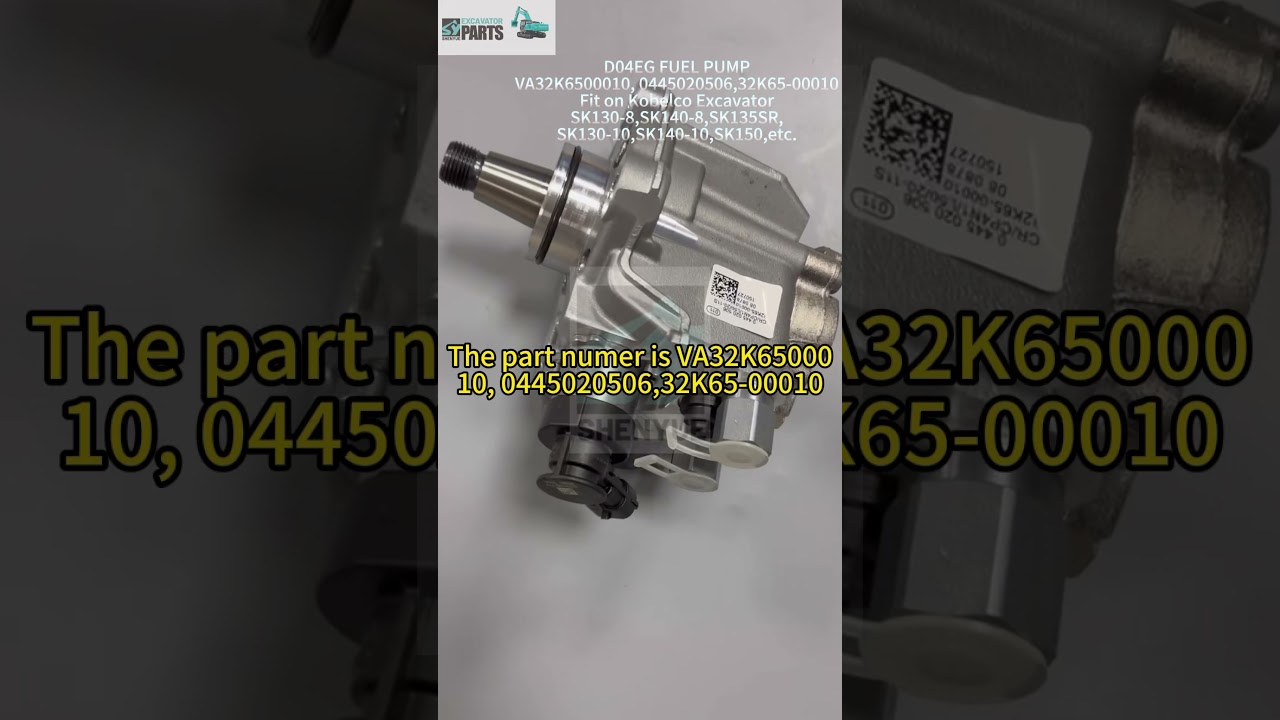
The engines you will meet most often are the Hino J05 four-cylinder in the 20-tonne class, the Hino J08 six-cylinder in the 33 to 35-tonne class, the Hino P11C in the large machines, and the Mitsubishi D04 and D06 four- and six-cylinder units in the 13 to 15-tonne class. They share a common-rail fuel system, which is what makes them clean and economical and also what makes them unforgiving of water and dirt in the fuel.
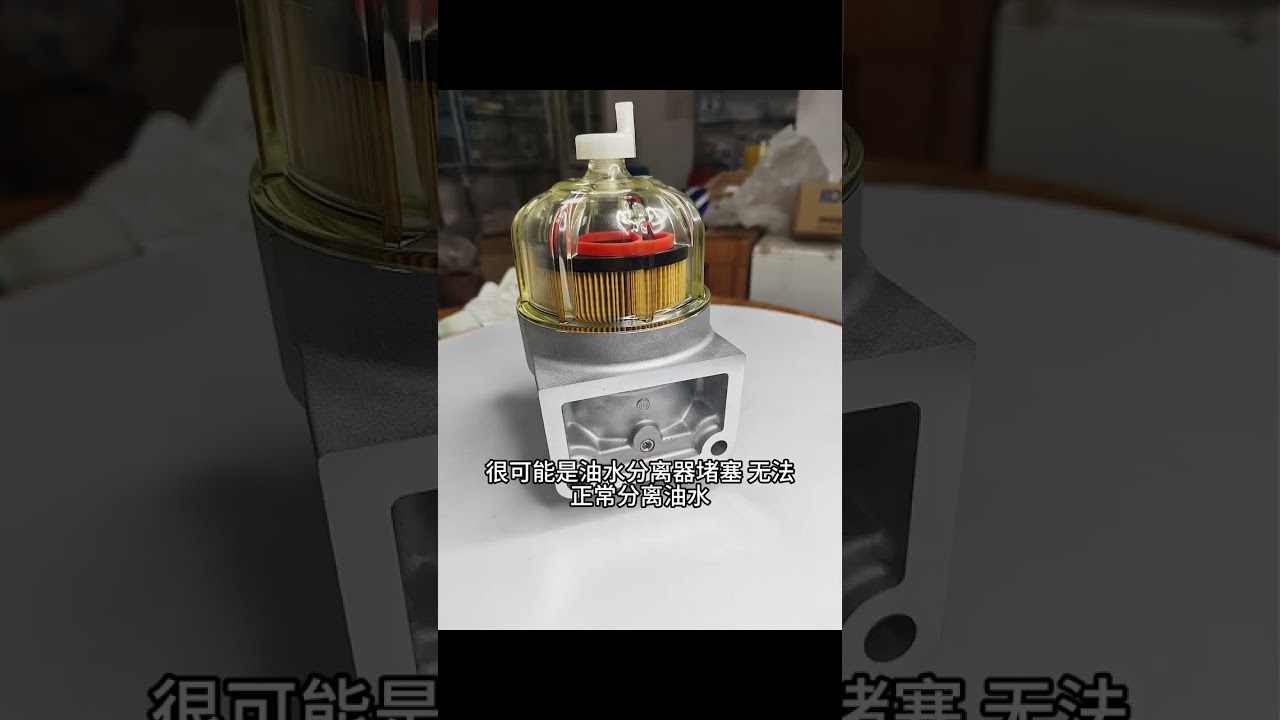
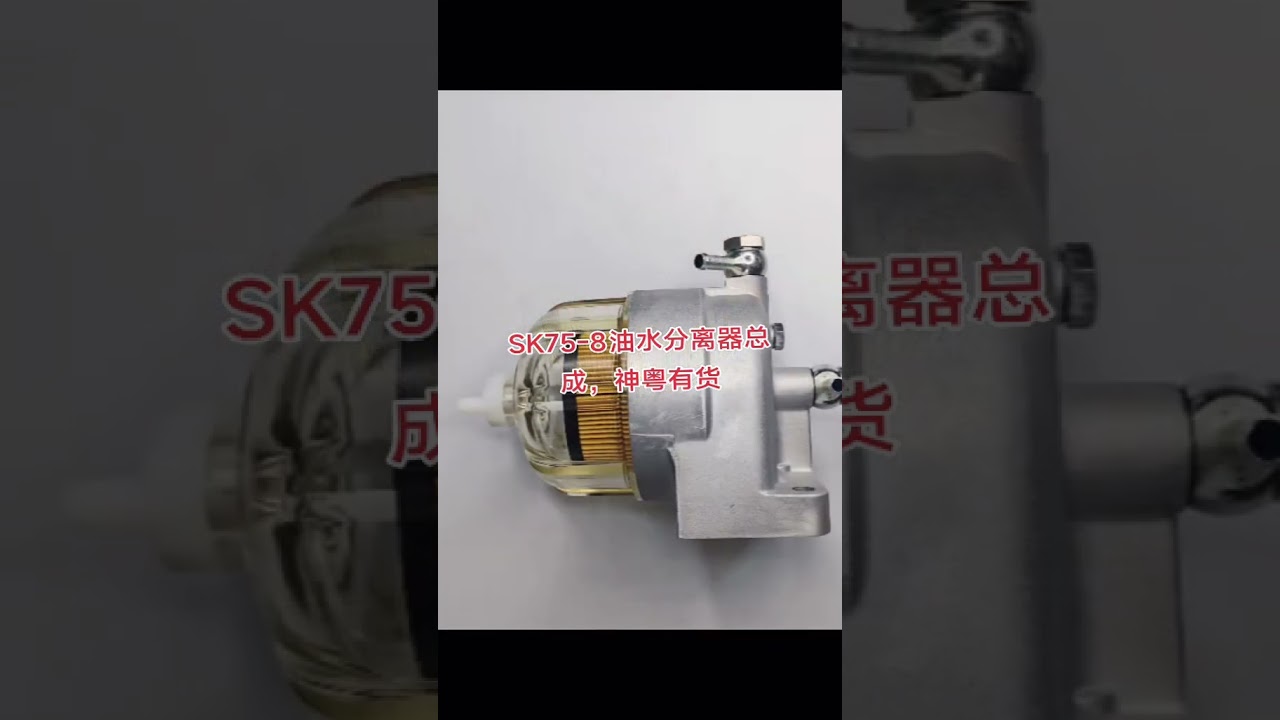
Because all of them are common-rail, the injectors operate at pressures where a small amount of contamination does real damage. That is why the fuel filter and water separator matter more on these machines than on anything with a mechanical pump. If you take one habit from this page, drain the filter bowl weekly.
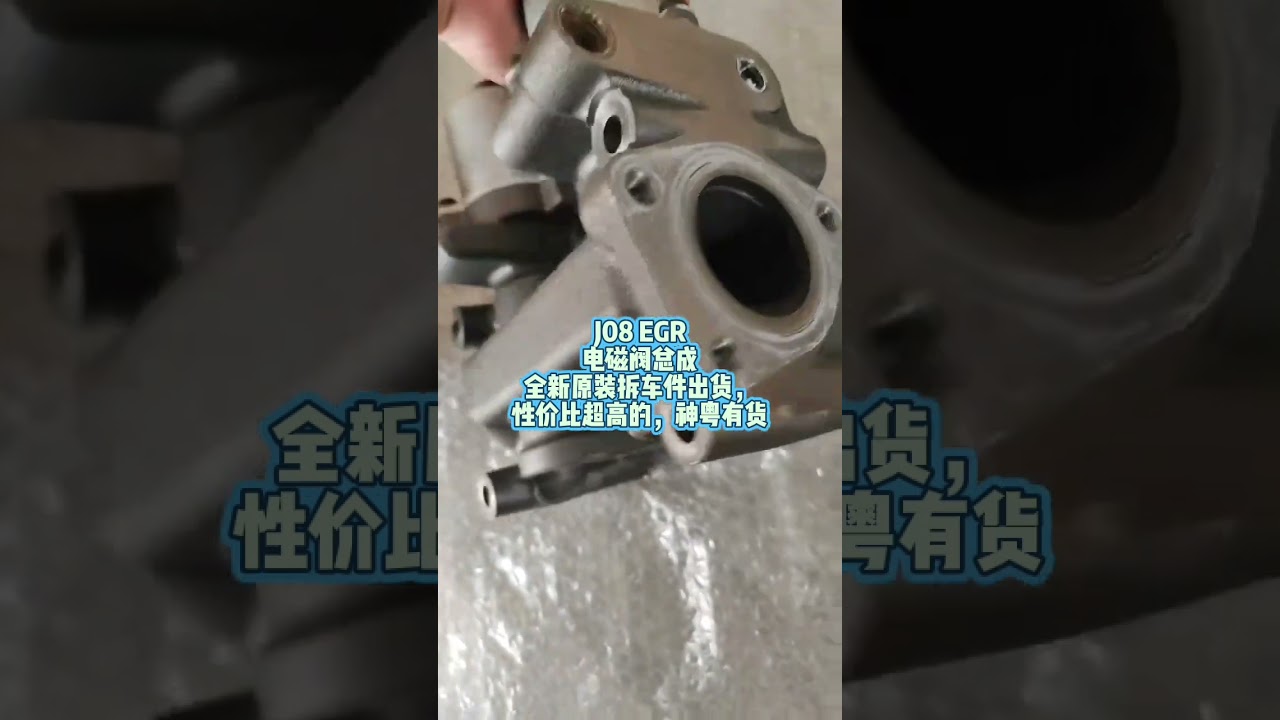
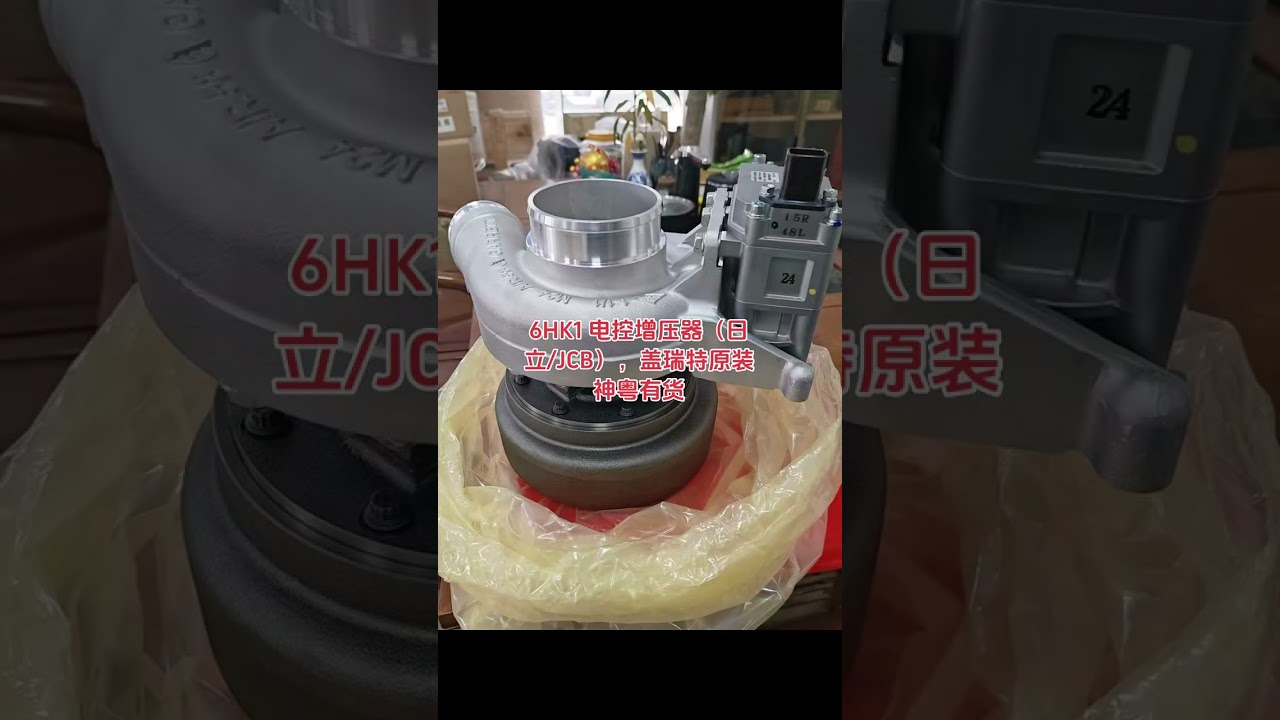
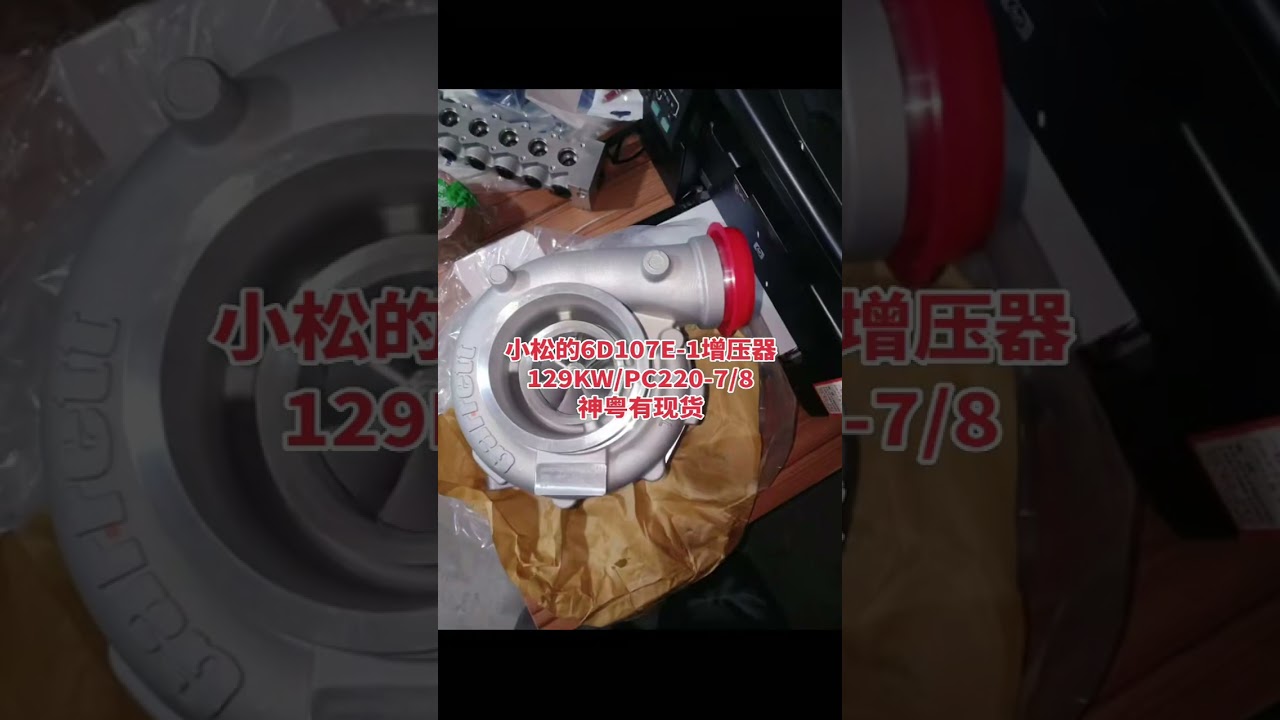
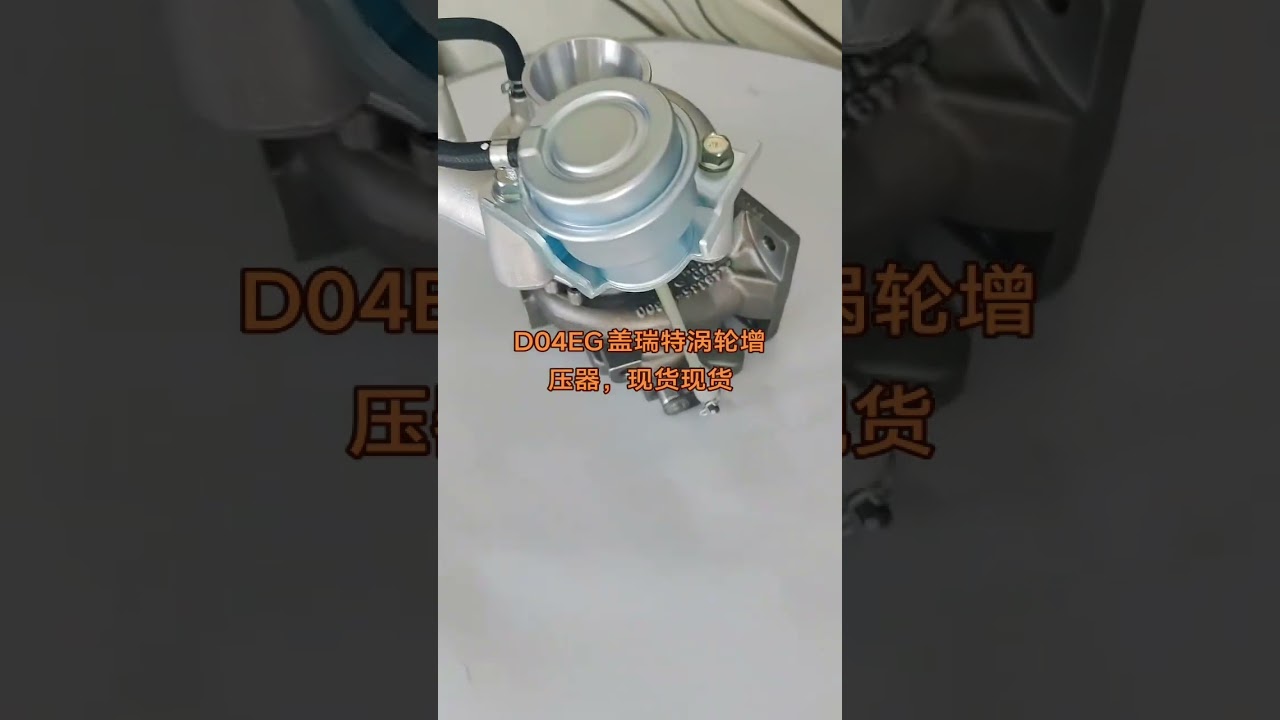
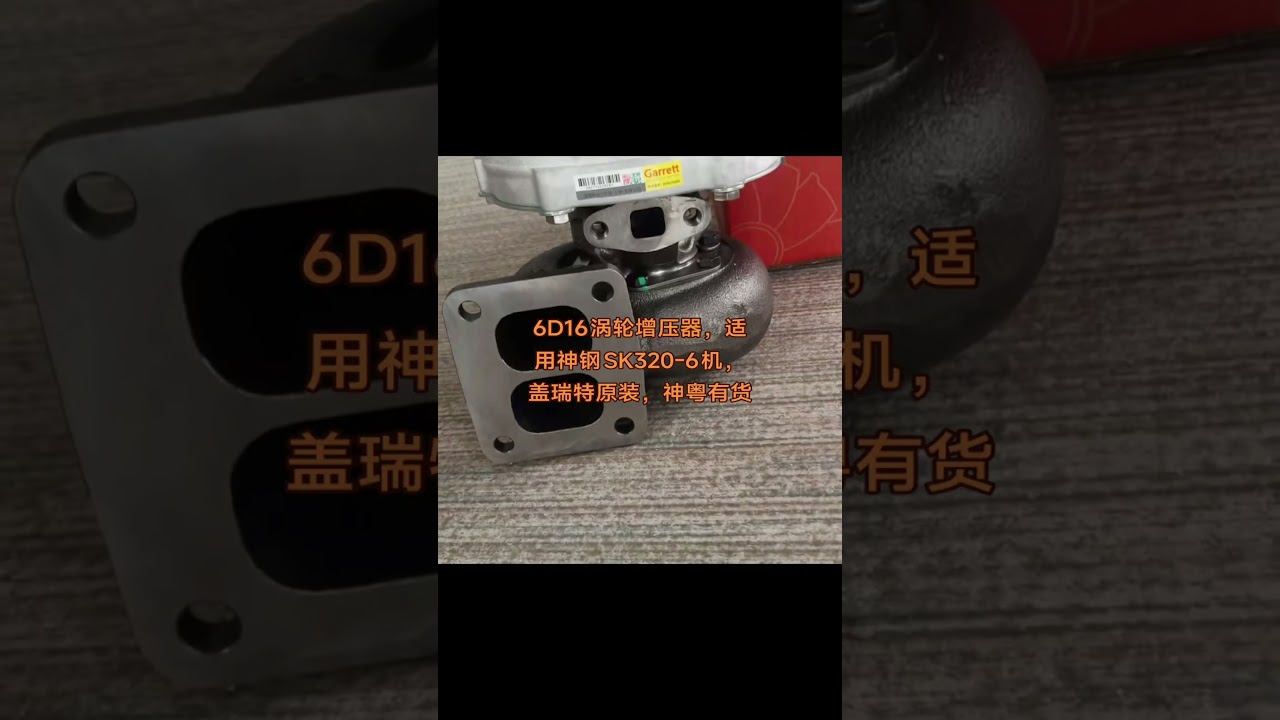
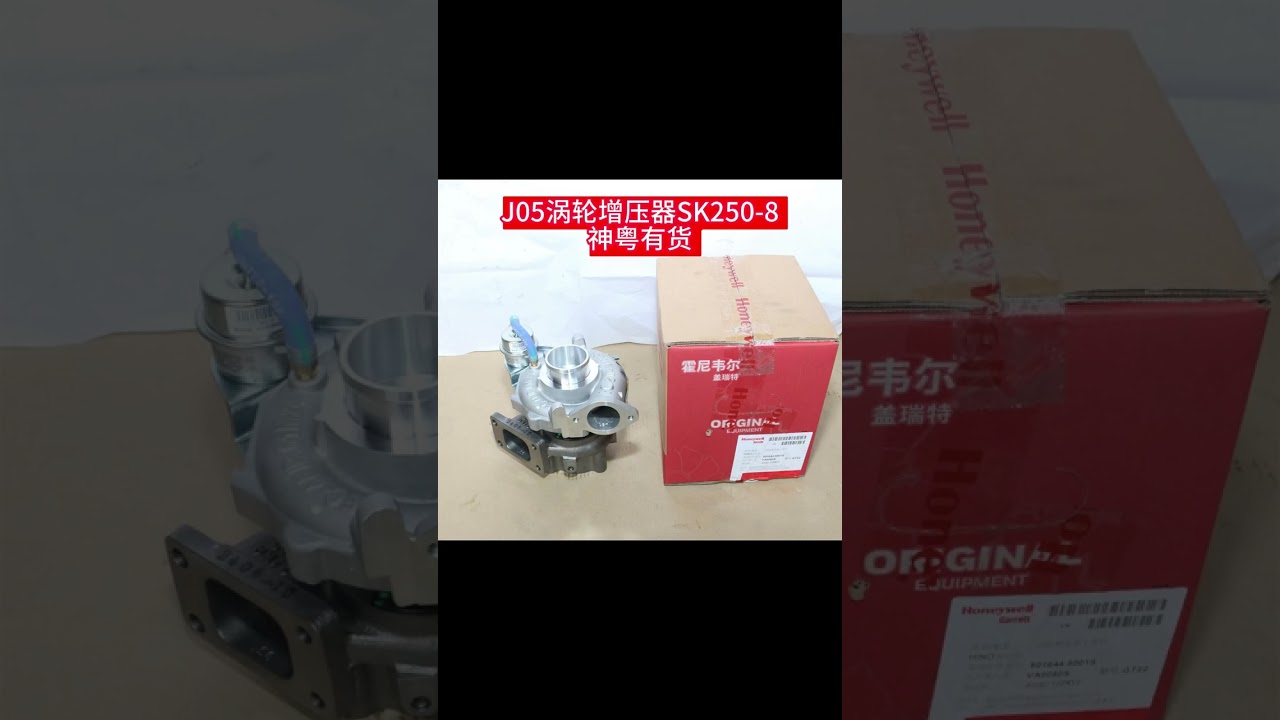
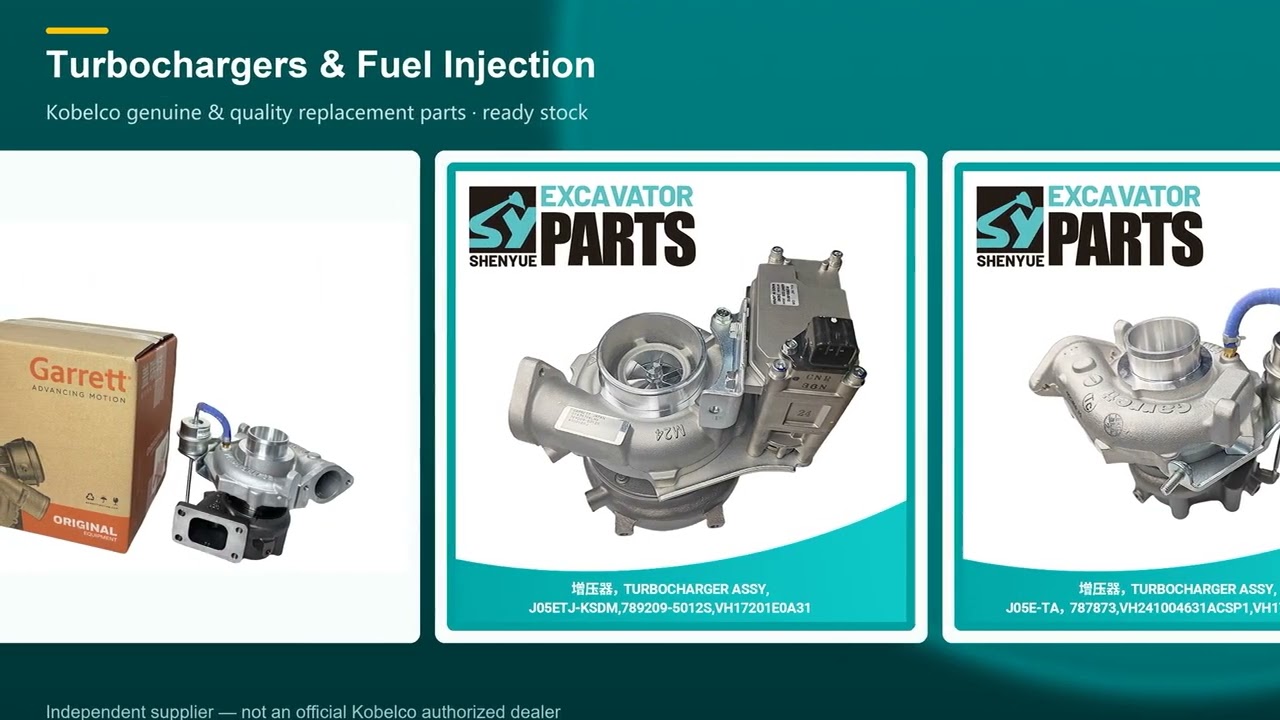
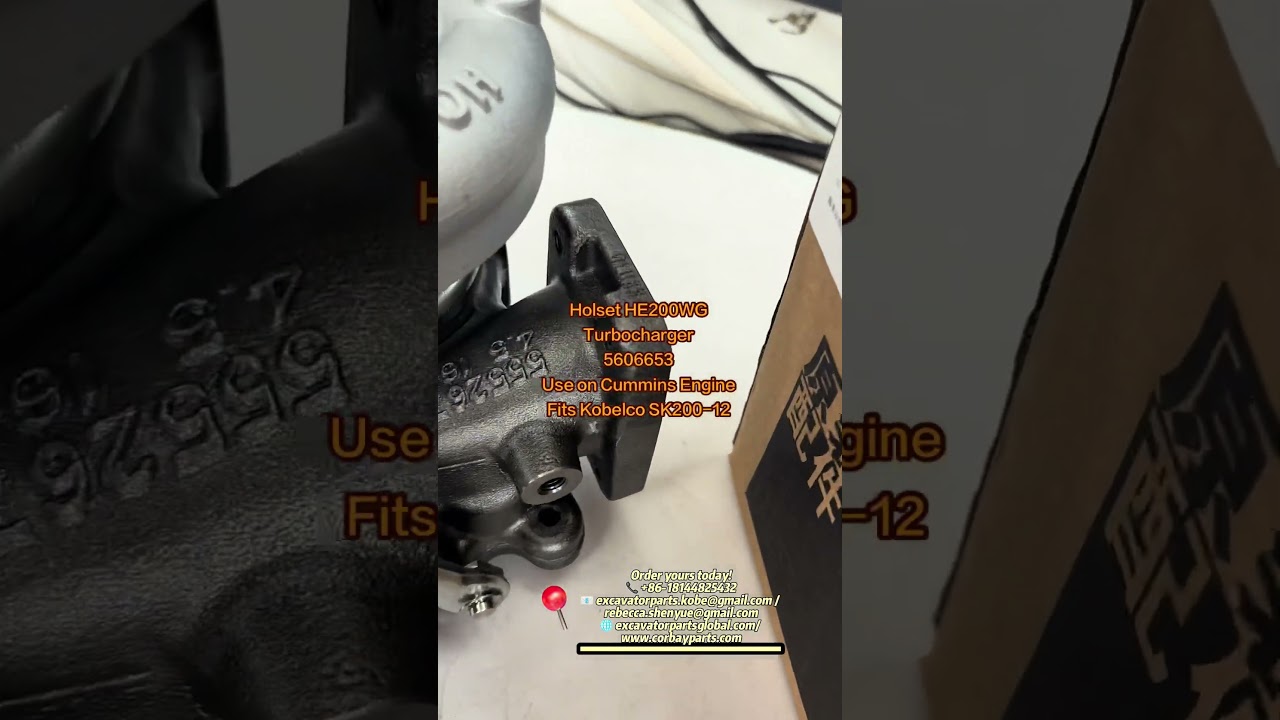
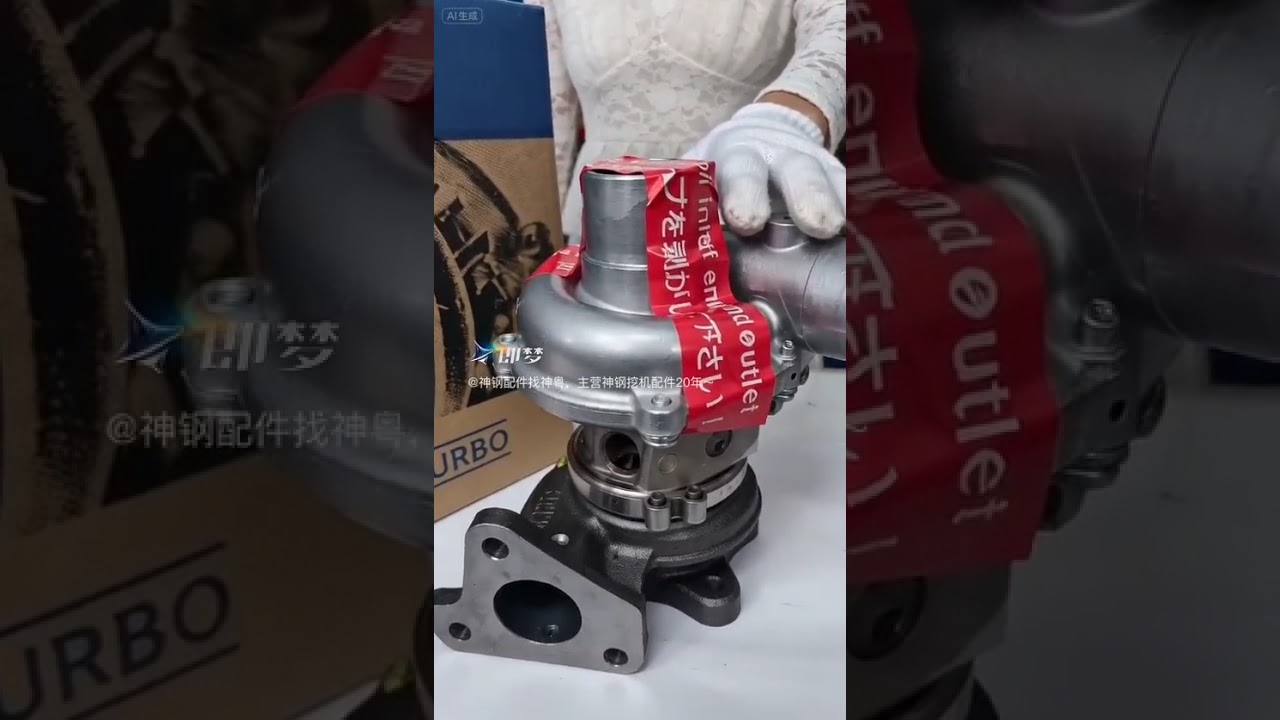
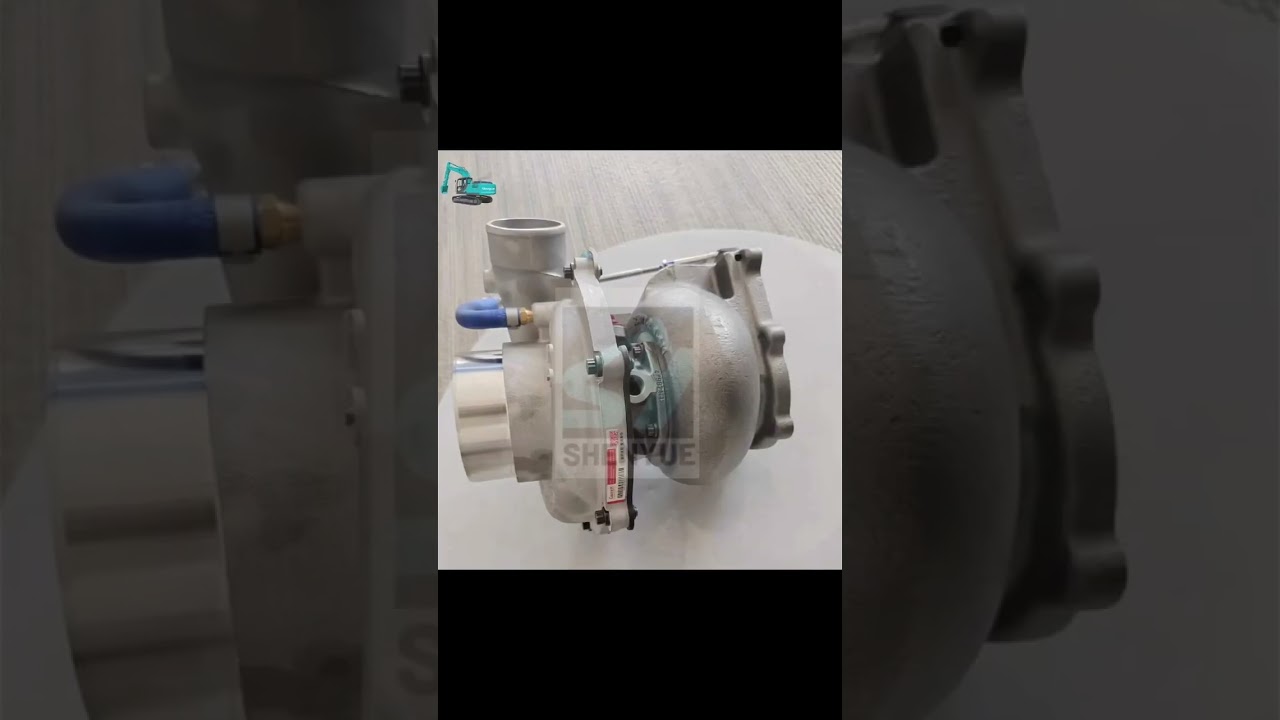
On the air side, the turbocharger on these engines uses variable nozzle geometry to keep boost up across the rev range. The vanes live in the exhaust stream, so soot from the EGR circuit collects on them over thousands of hours. When they start to stick, boost falls away and the machine smokes under load long before anything breaks.
What you notice, and what to check first
| Symptom | Cause and first check |
|---|
| Black or grey smoke under load, power down | Atomisation has gone long. Check the injectors with a back-leak test before anything else; a worn injector returns noticeably more fuel than its neighbours. |
|---|
| Hard starting when warm, rough idle | Classic worn-injector signature. Low rail pressure during cranking from internal leakage is the usual mechanism. |
|---|
| Sharp metallic knock that tracks engine speed | Over-fuelling from a sticking nozzle. Stop the engine — a sustained knock of this type can crack a piston. |
|---|
| Whistle at one fixed pitch, no pulling power | Sticking variable-nozzle vanes or a boost leak. Check the intercooler and pipework before condemning the turbocharger. |
|---|
| Coolant level drops with no visible leak | Suspect the EGR cooler core. On these engines a cracked cooler loses coolant into the intake where it burns off invisibly. |
|---|
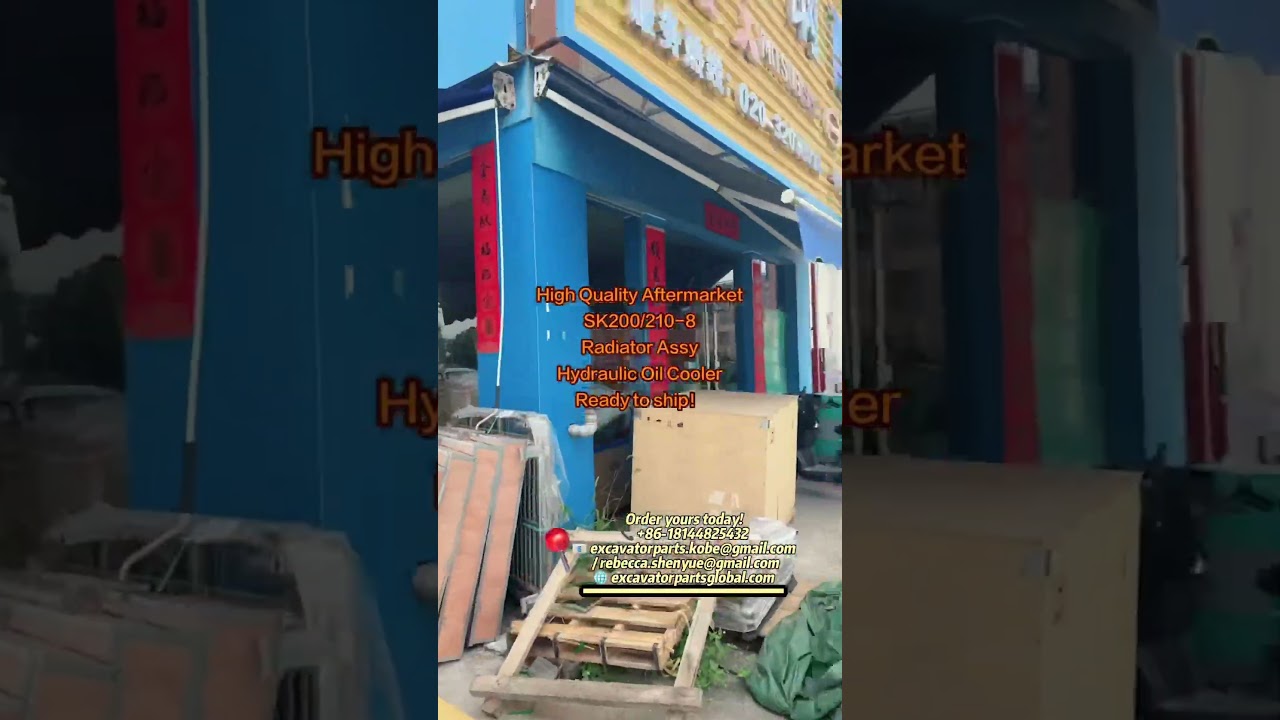
| Temperature climbs at idle on a hot day | Radiator core plugged externally, or a pressure cap that no longer holds its rating. Wash the core and test the cap before touching the water pump. |
|---|
Numbers we hold for this system
| Part number | Description | Notes |
|---|
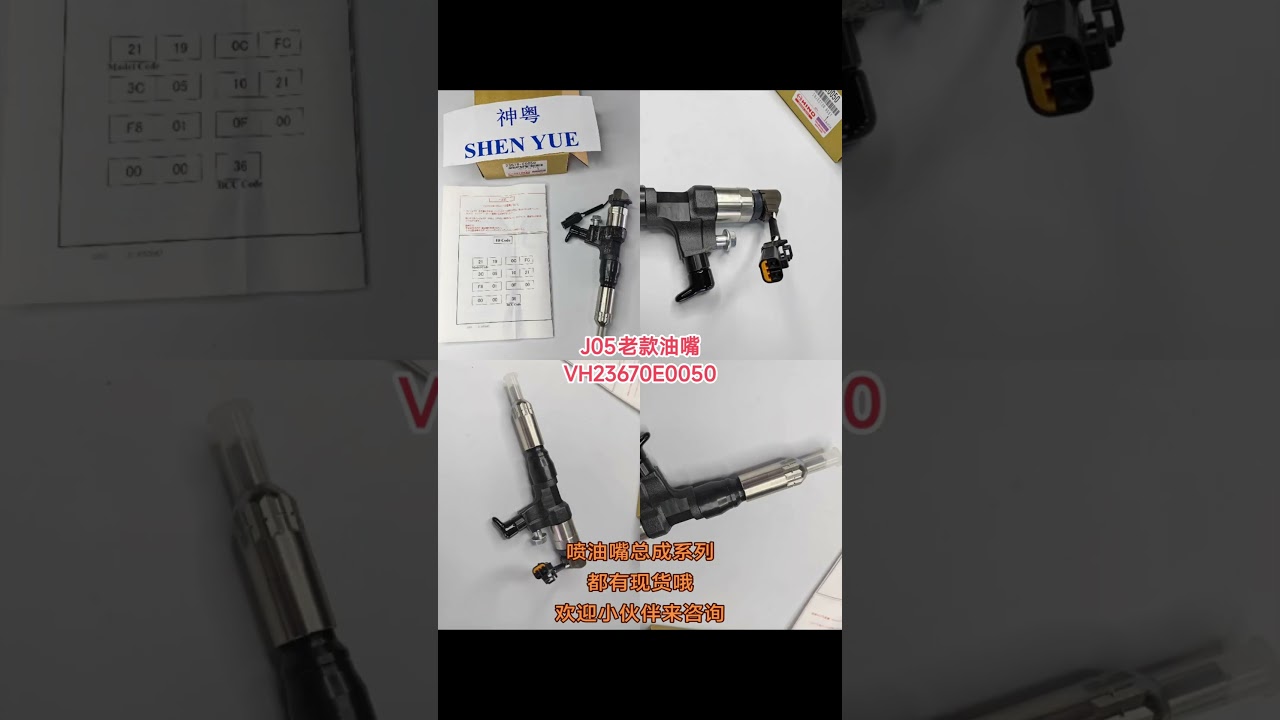
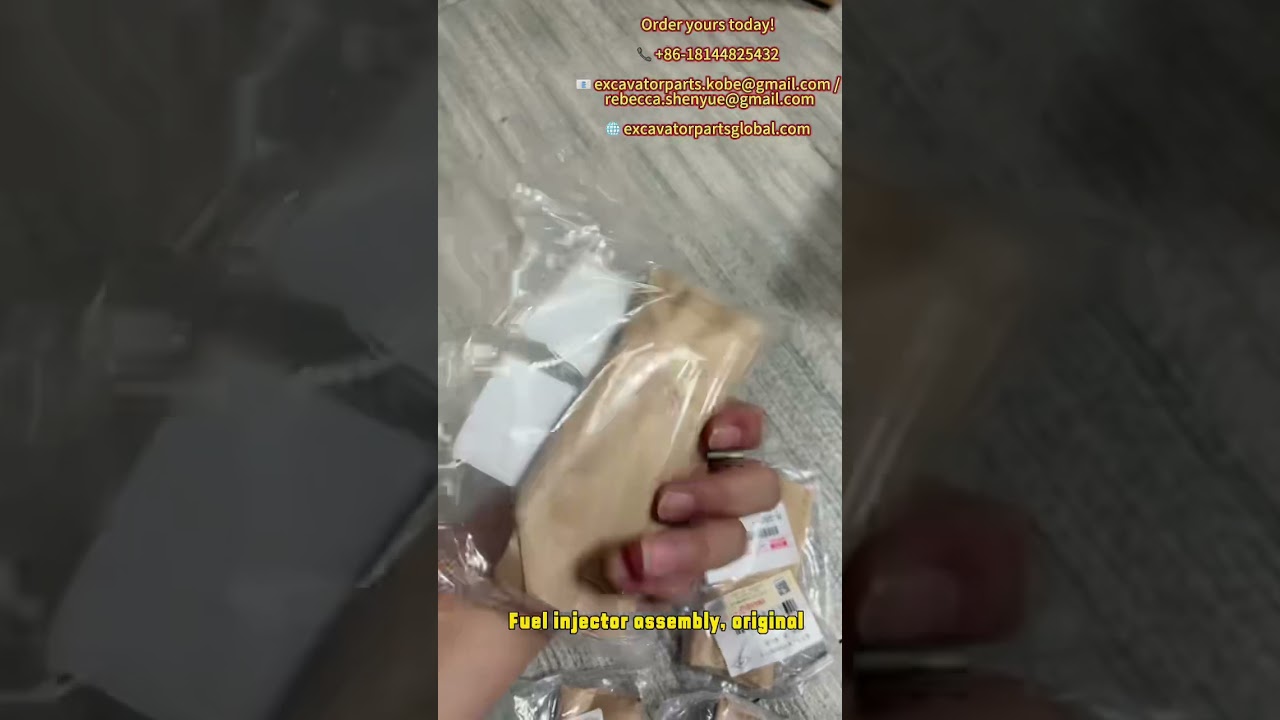
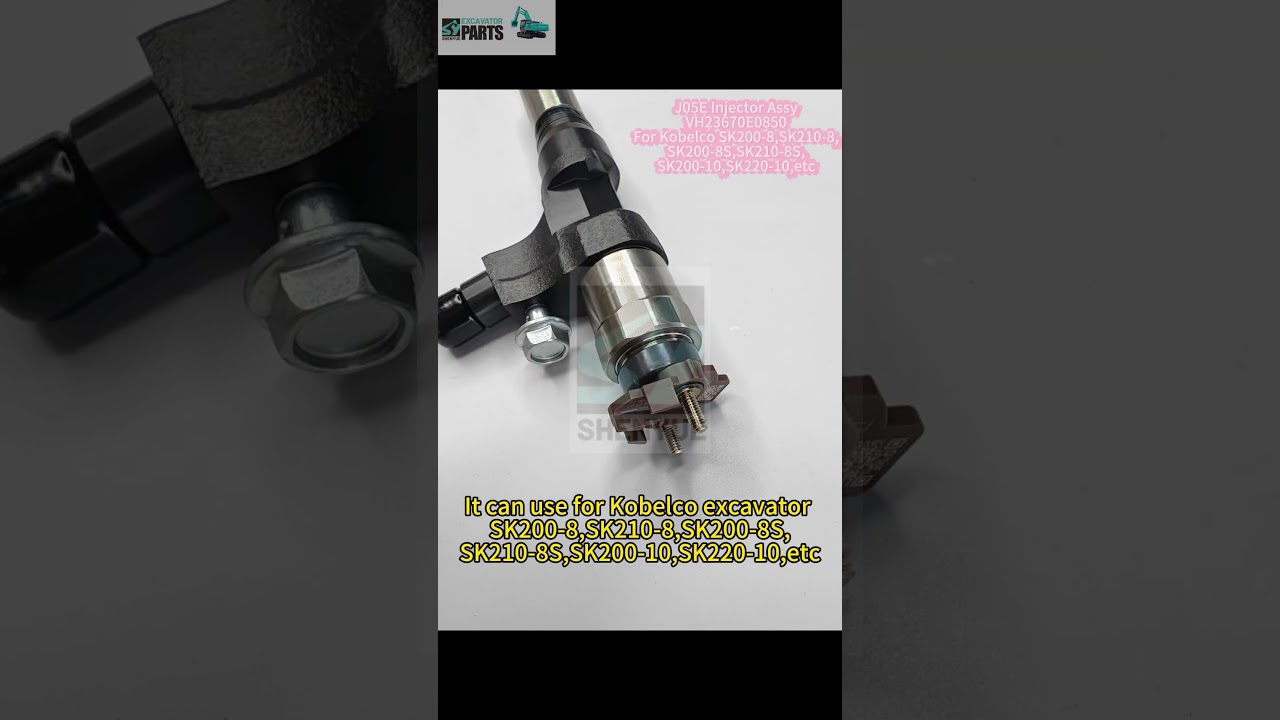
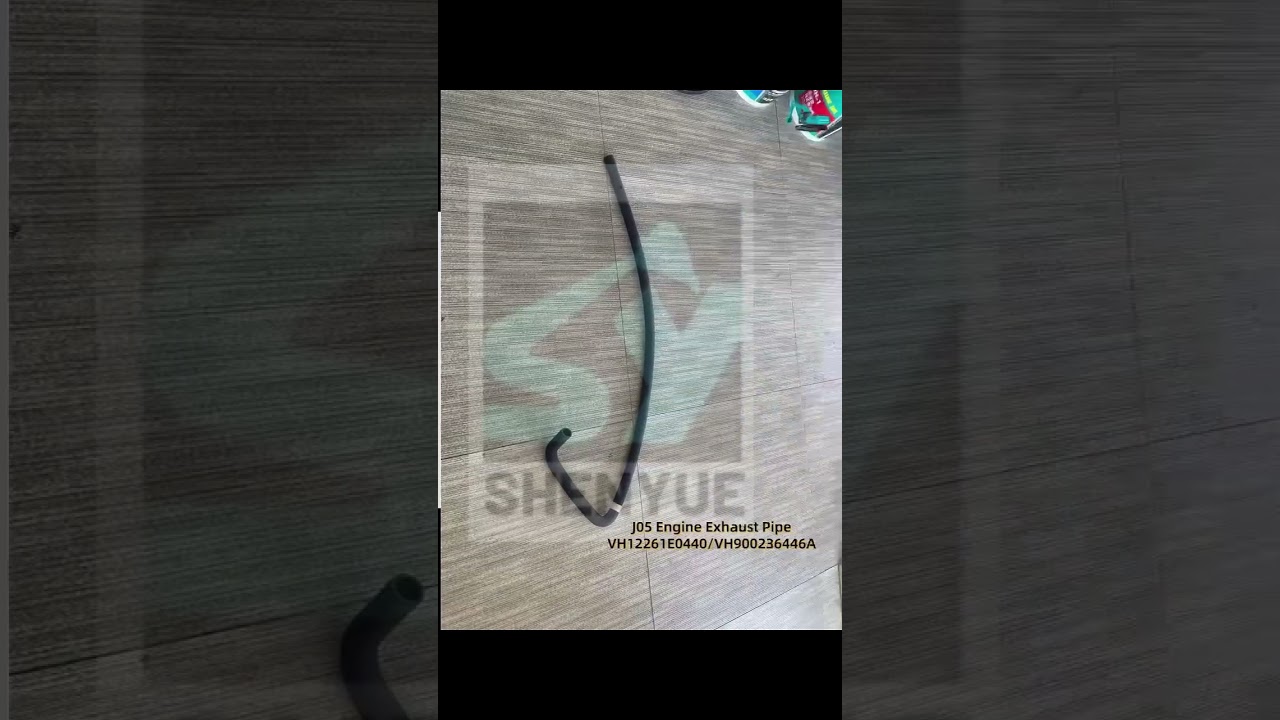
| VH23670E0850 | Injector Assy | Hino J05 / J05E common-rail injector |
| VH23670E0810 | Injector Assy | Hino J08 / J08E common-rail injector |
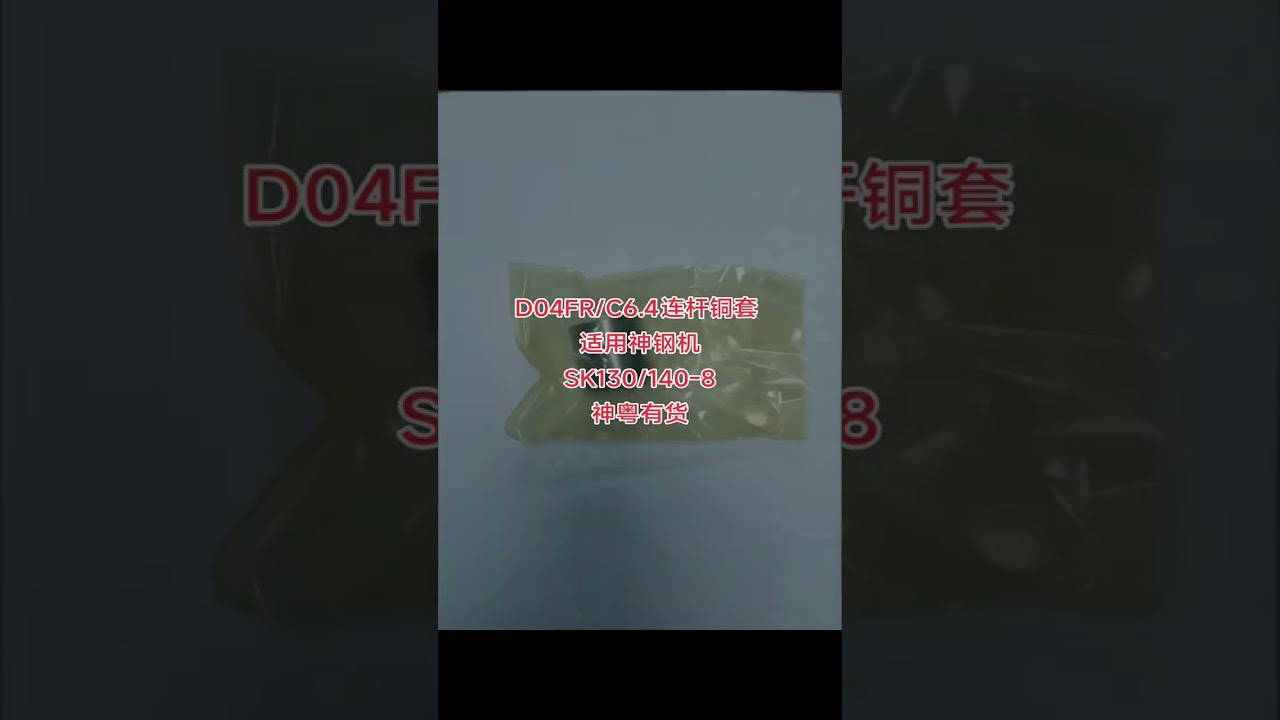
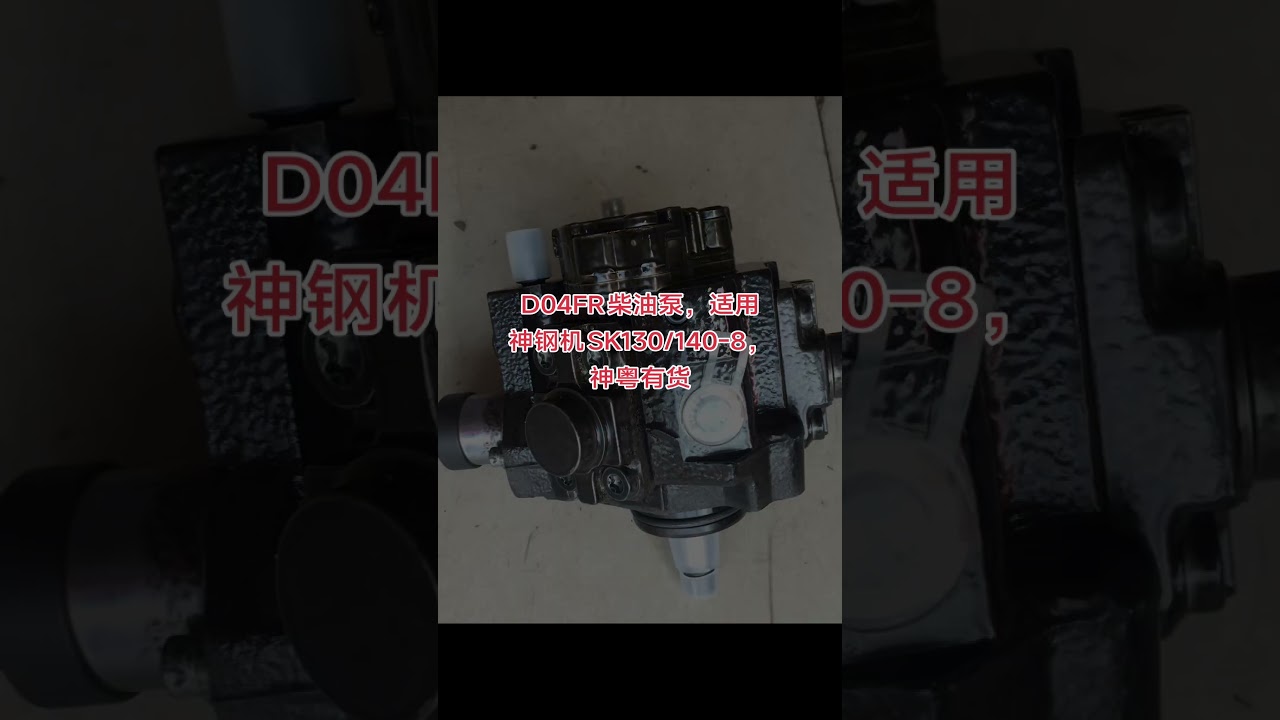
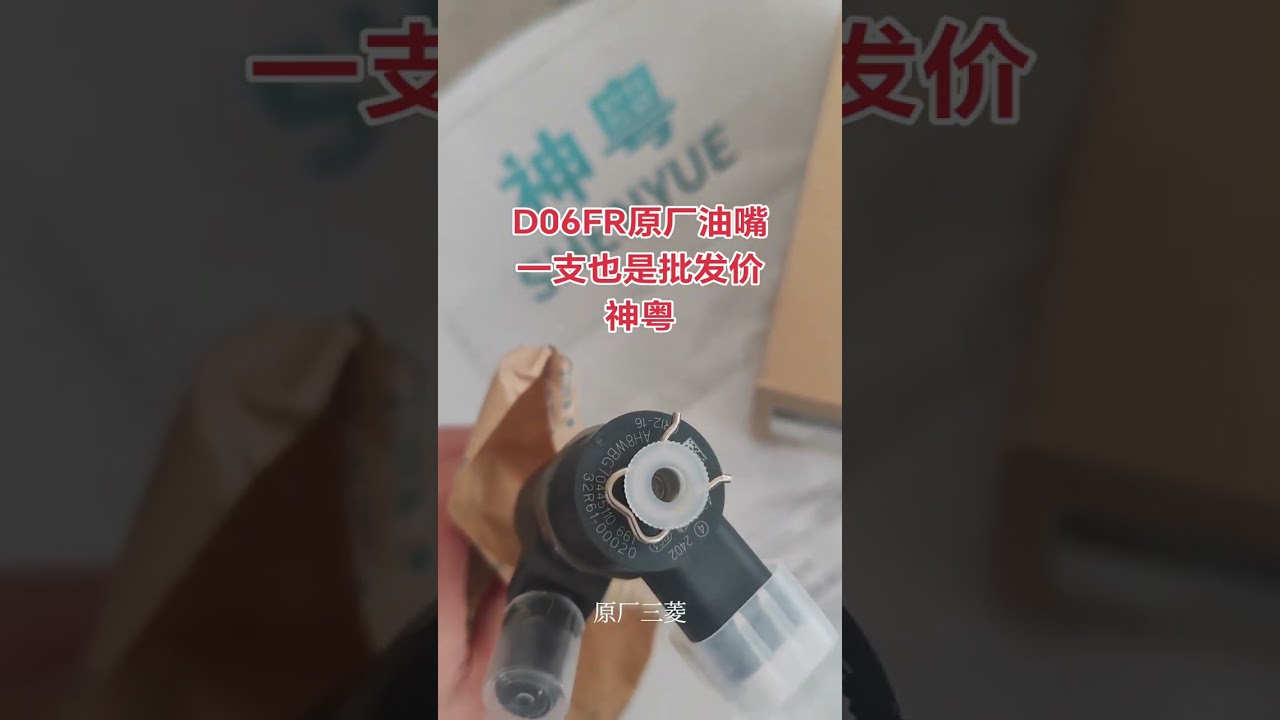
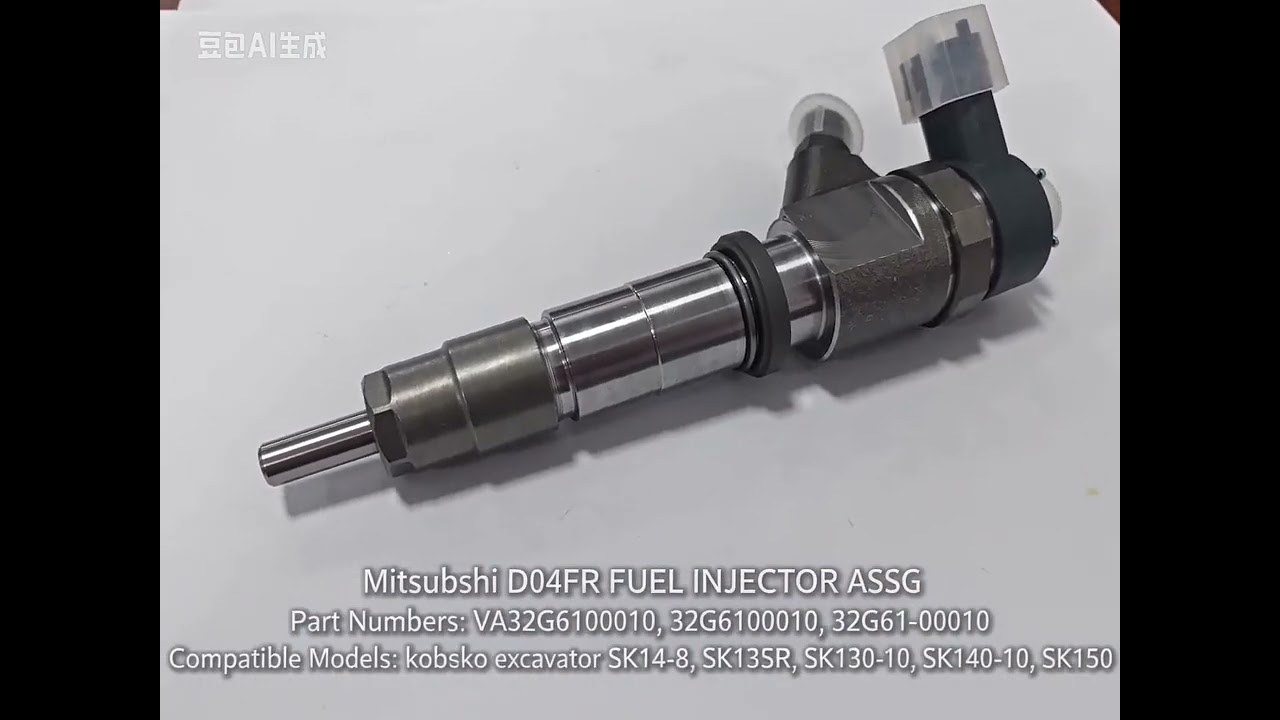
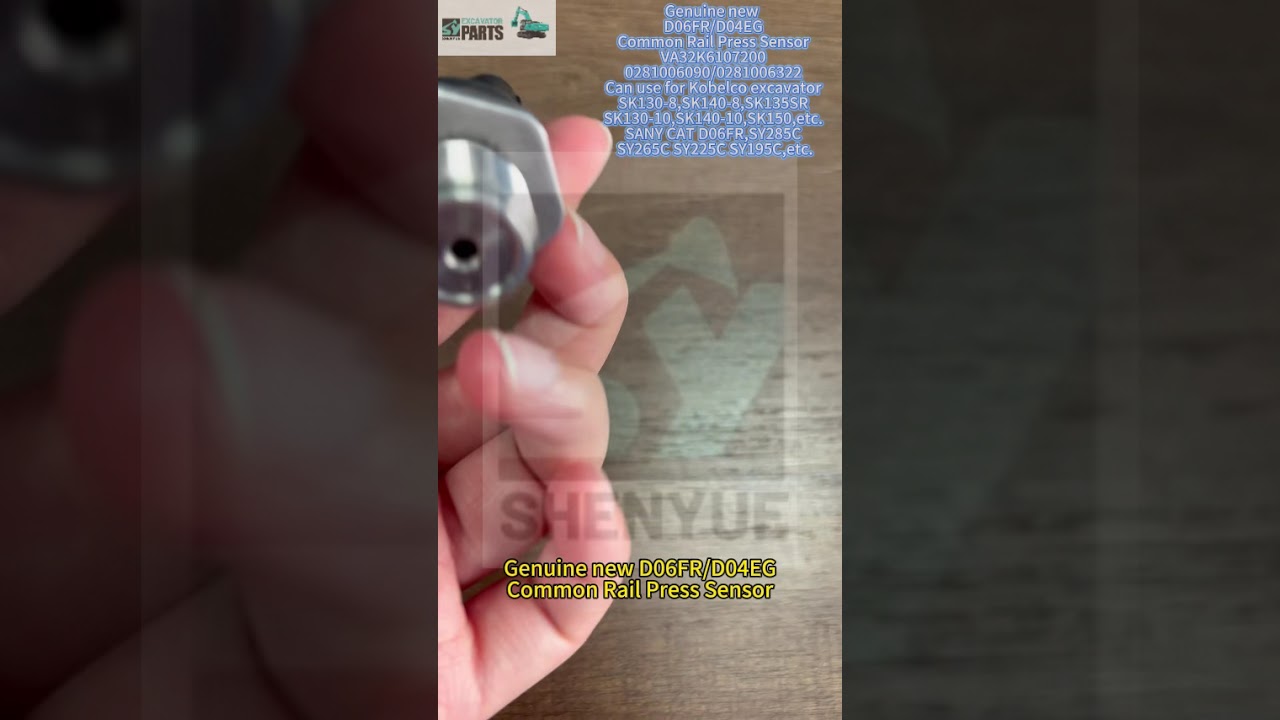
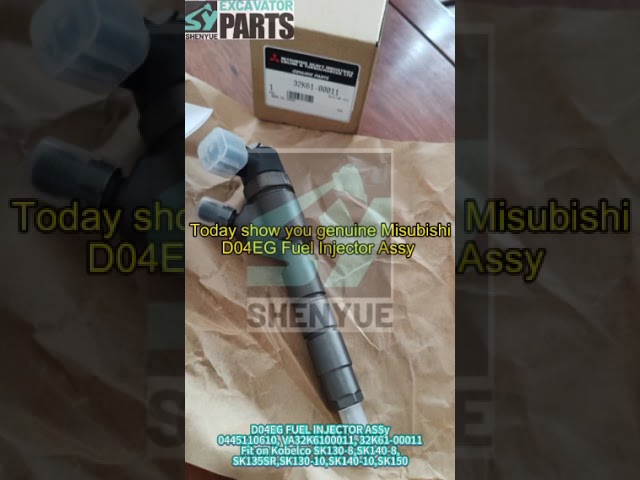
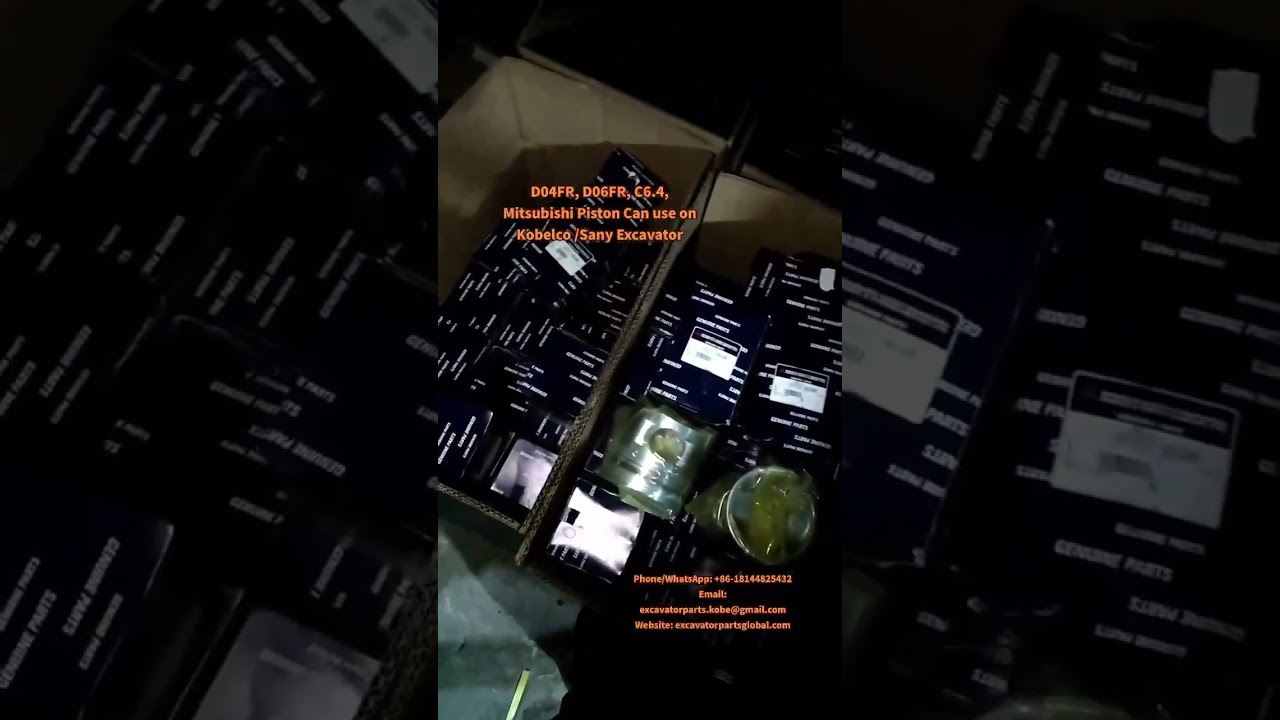
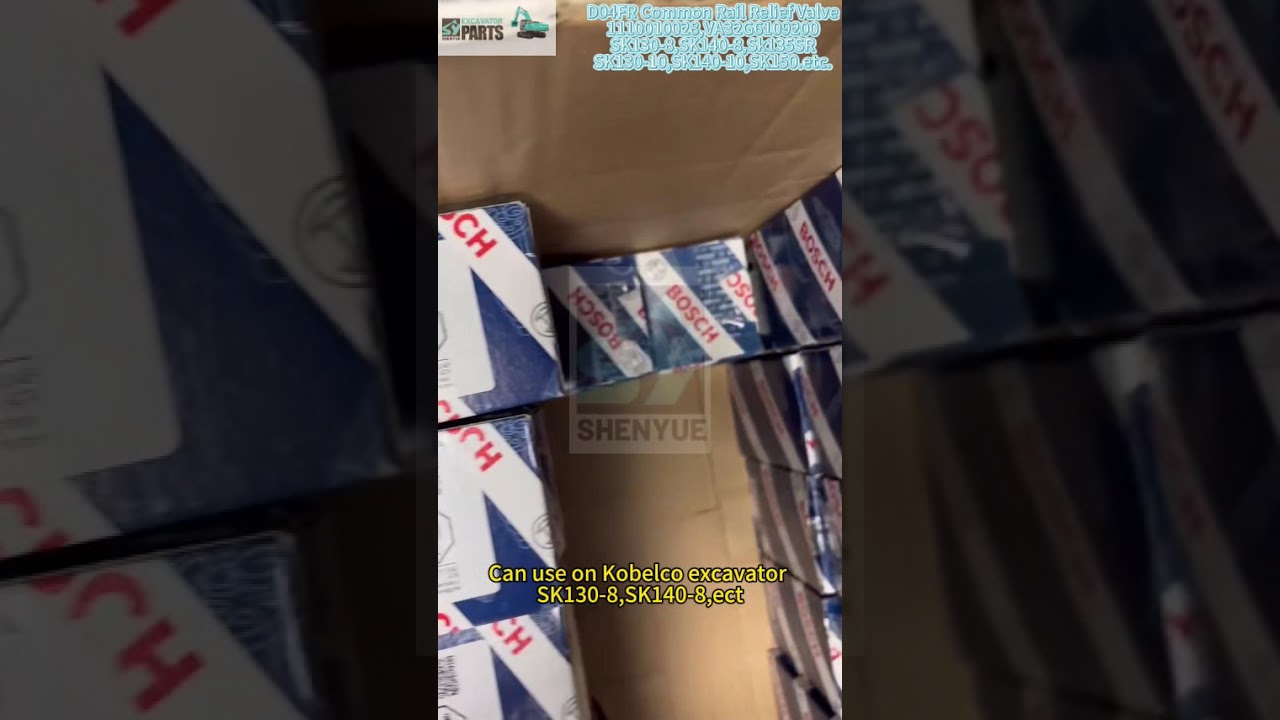
| VA32G6100010C | Injector Assy | Mitsubishi D04FR injector |
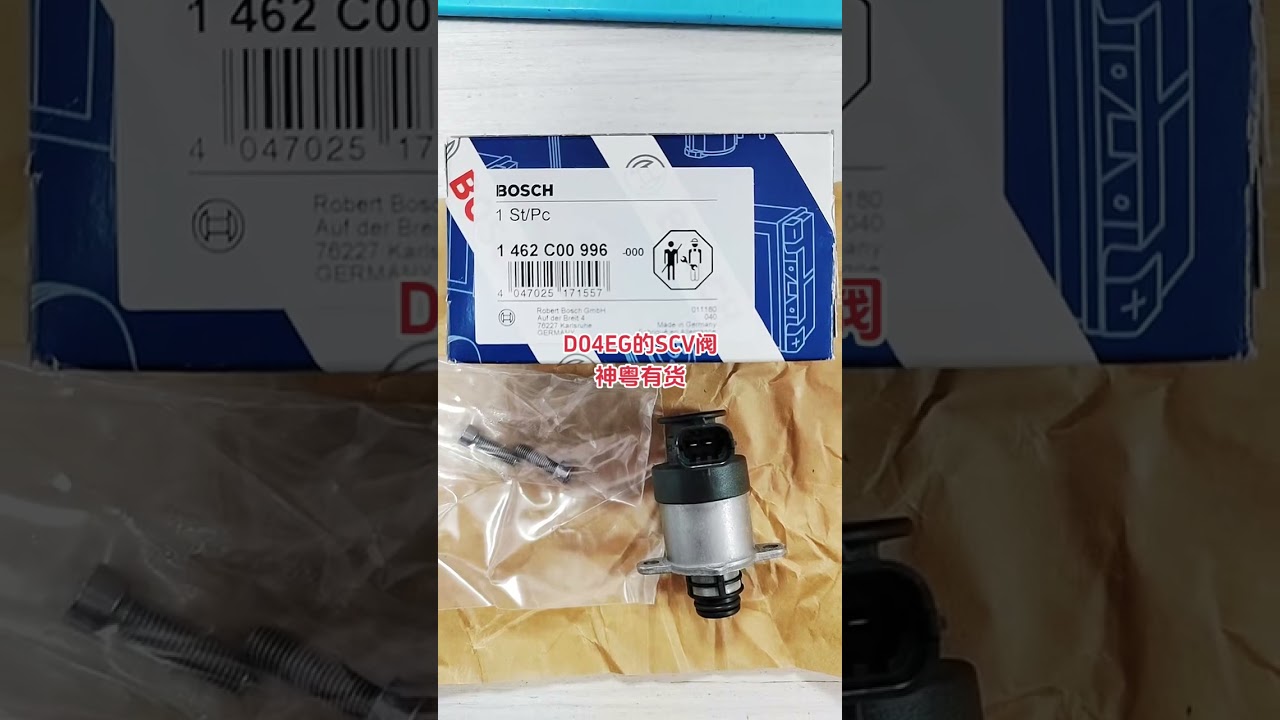
| VHS227311070CT | SCV Valve | Suction control valve on the high-pressure pump, J05 and J08 |
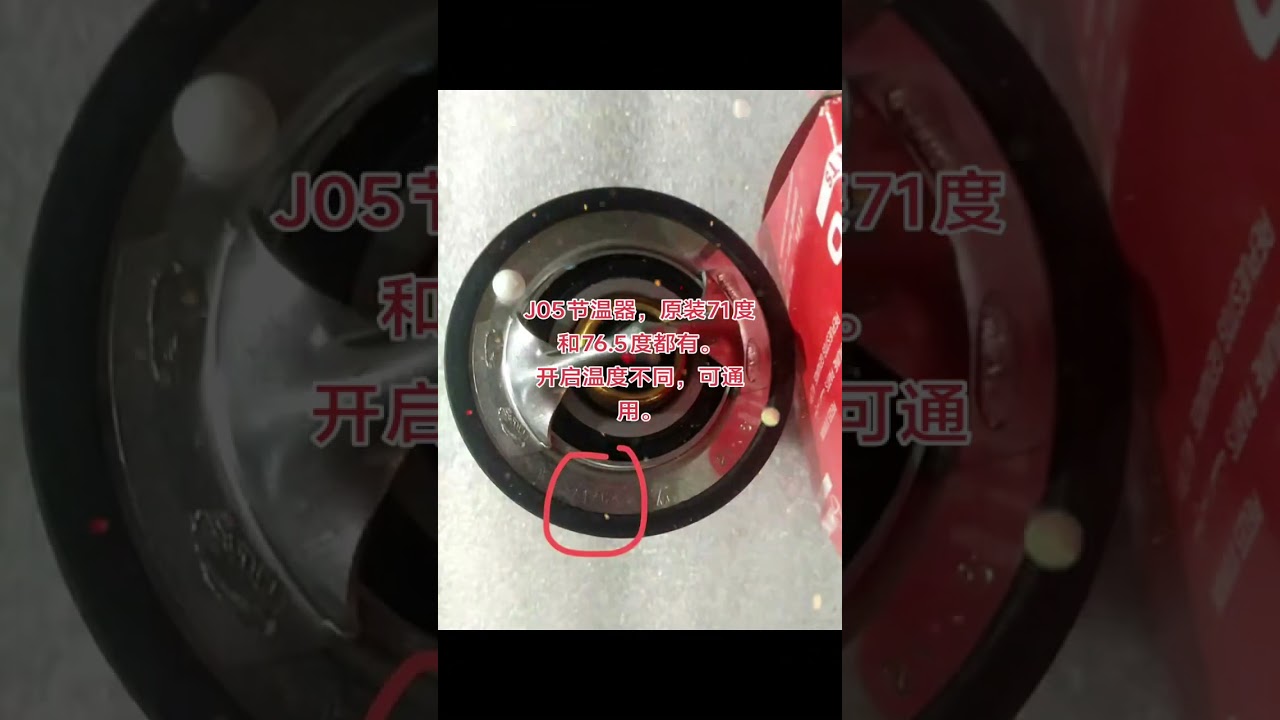
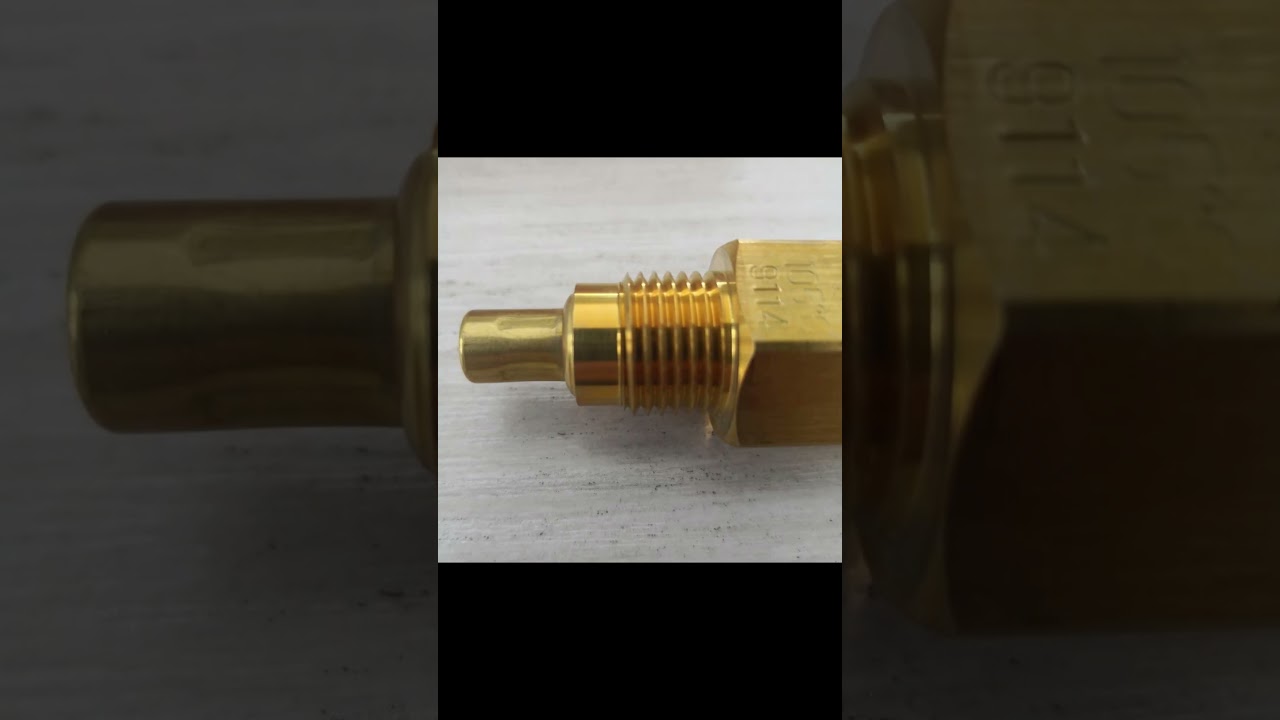
| VHS1632E9120 | Thermostat | Hino J05 thermostat |
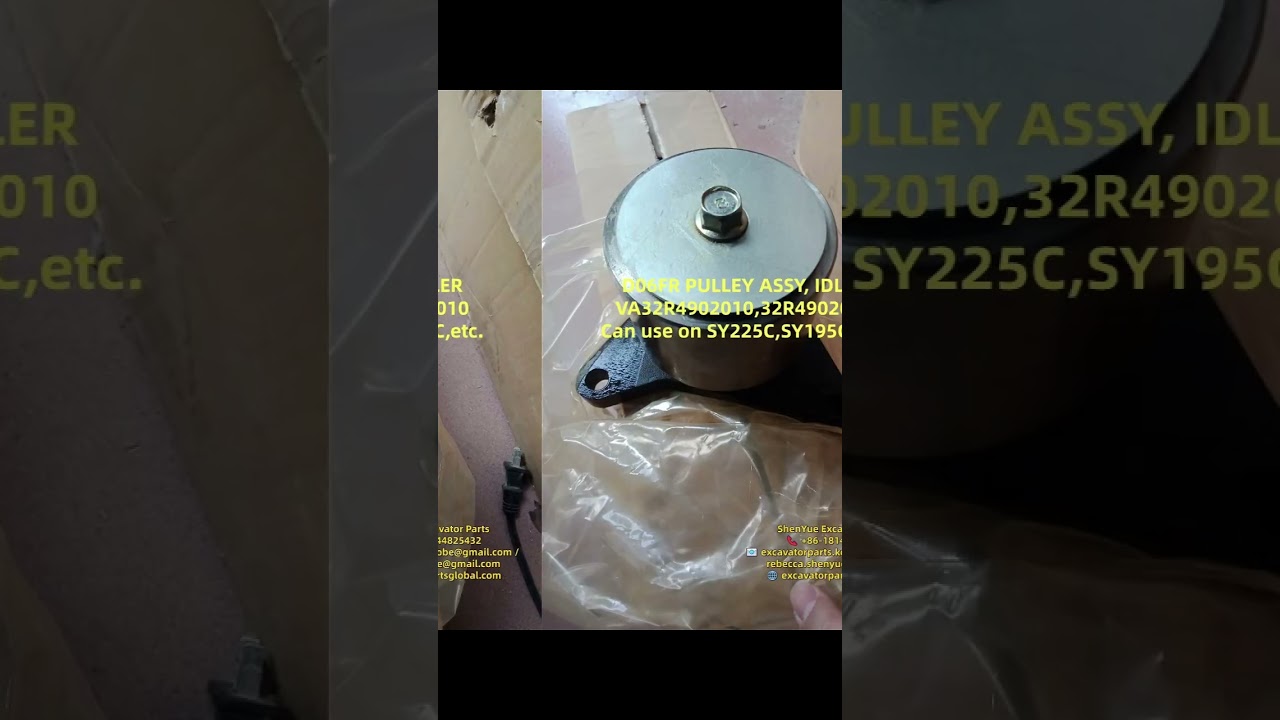
| VA3434611500 | Thermostat | Mitsubishi D04FR and D06FR thermostat |
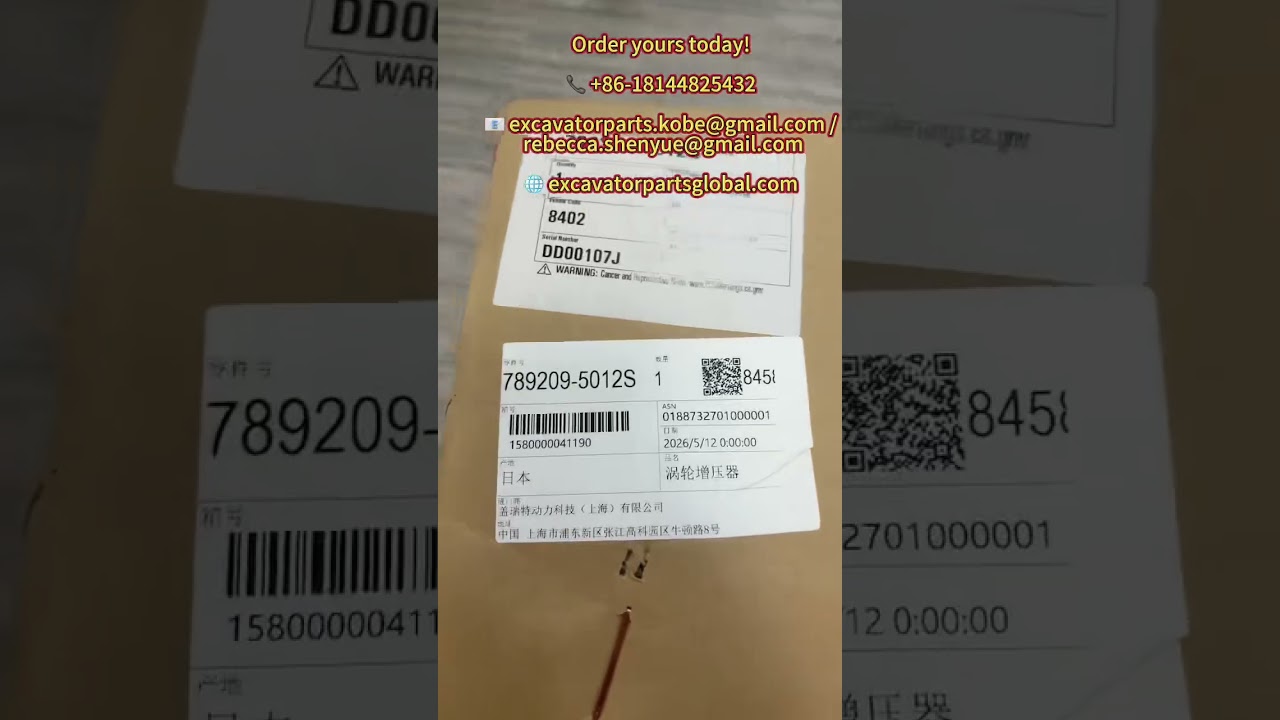
| 787873-5001S | Turbocharger Assy | Turbocharger for the J05 SK200-8 class, supplied on the Garrett line |
| VHS985125106 | Oil Cooler | Cooler core for the J05 family |
Machine Codes, Sensors and Wiring on Kobelco Excavators
The controller reports most electrical faults on a -8 or later machine, which turns the code list into the fastest route to the right part.
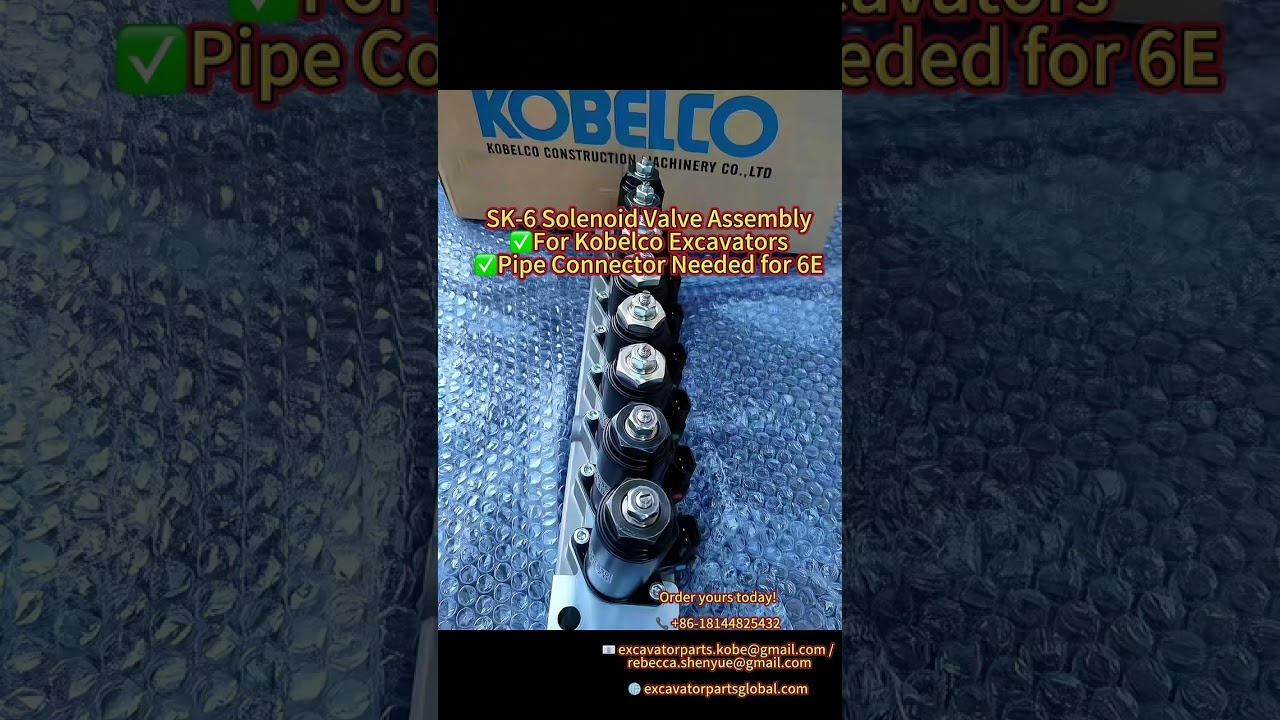
The Mechatro controller on these machines groups faults into families. The A series covers adjustments that have not been completed or have failed. The B series covers the work-circuit pressure sensors — boom, arm, bucket, swing and travel. The C series covers the main pump pressure sensors. The D and E series cover the proportional valves, and F covers functions such as boost, swing brake and travel speed change.
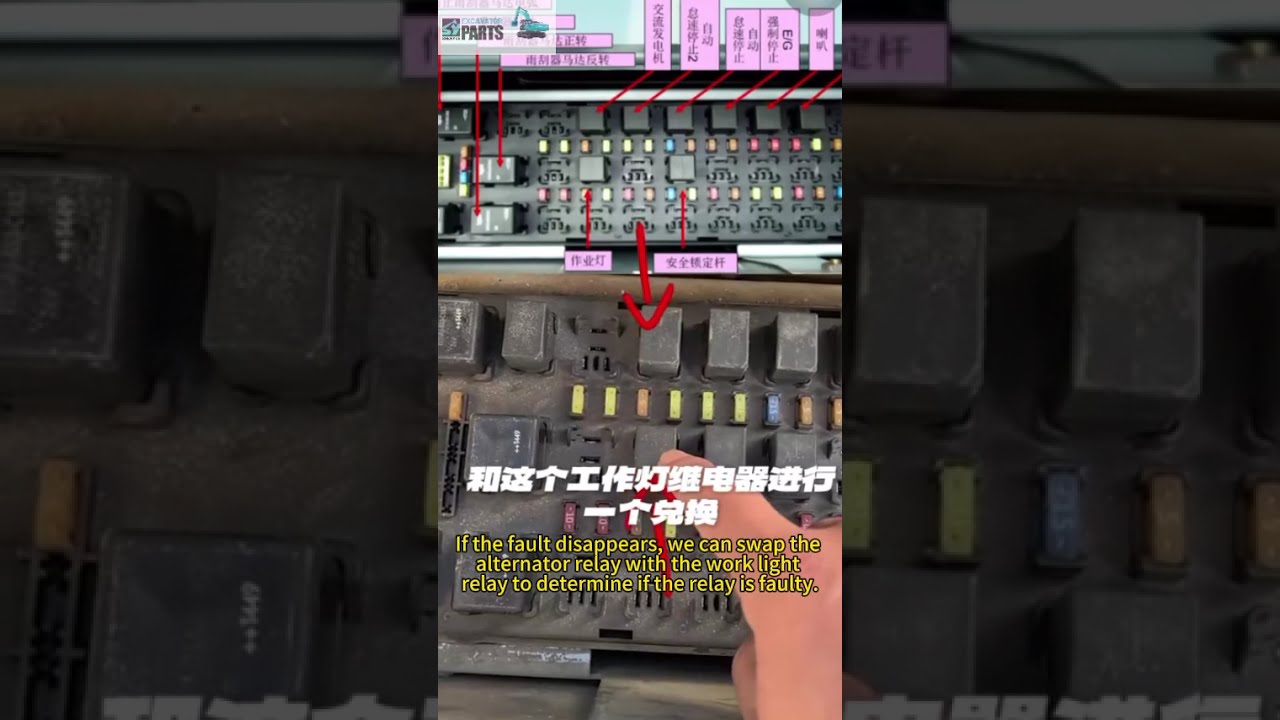
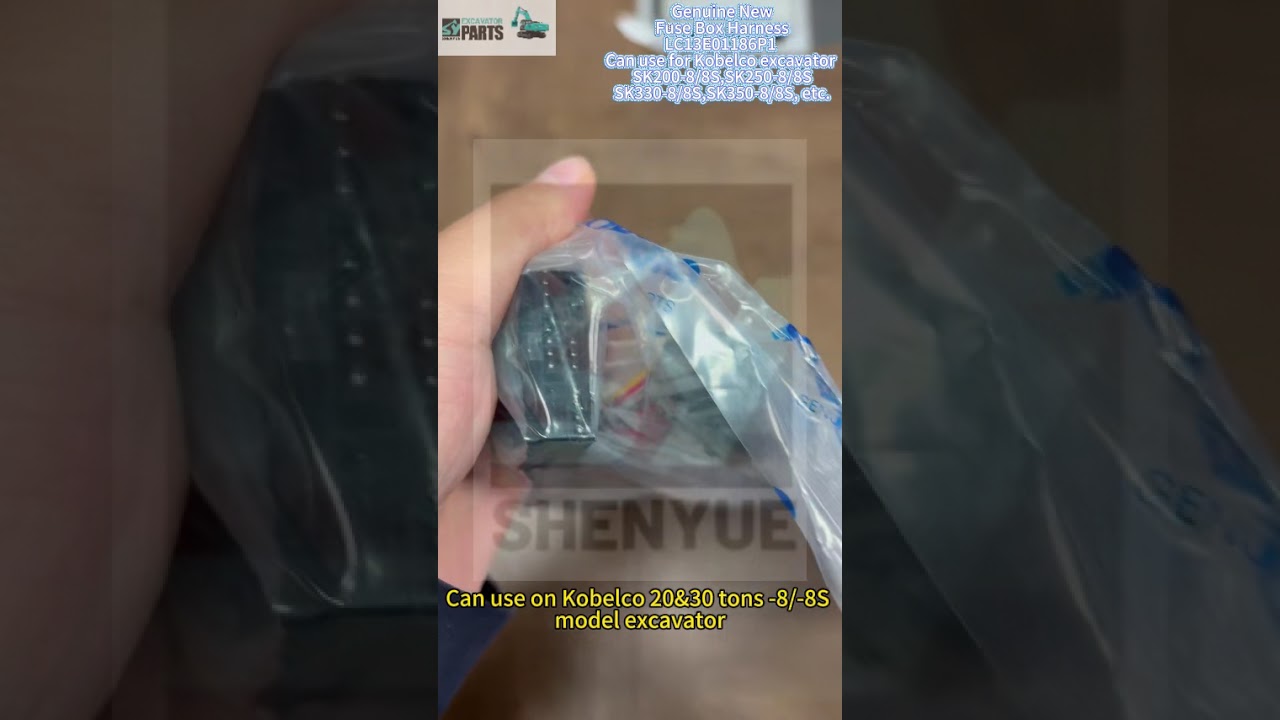
Here is the point that saves money: when several unrelated codes appear at the same time, do not start replacing valves. A blown supply fuse or a bad ground produces a convincing set of phantom valve faults. Check the controller fuses, the solenoid supply, the relays and the ground points first. More than once the whole fault has been a fuse worth a few dollars.
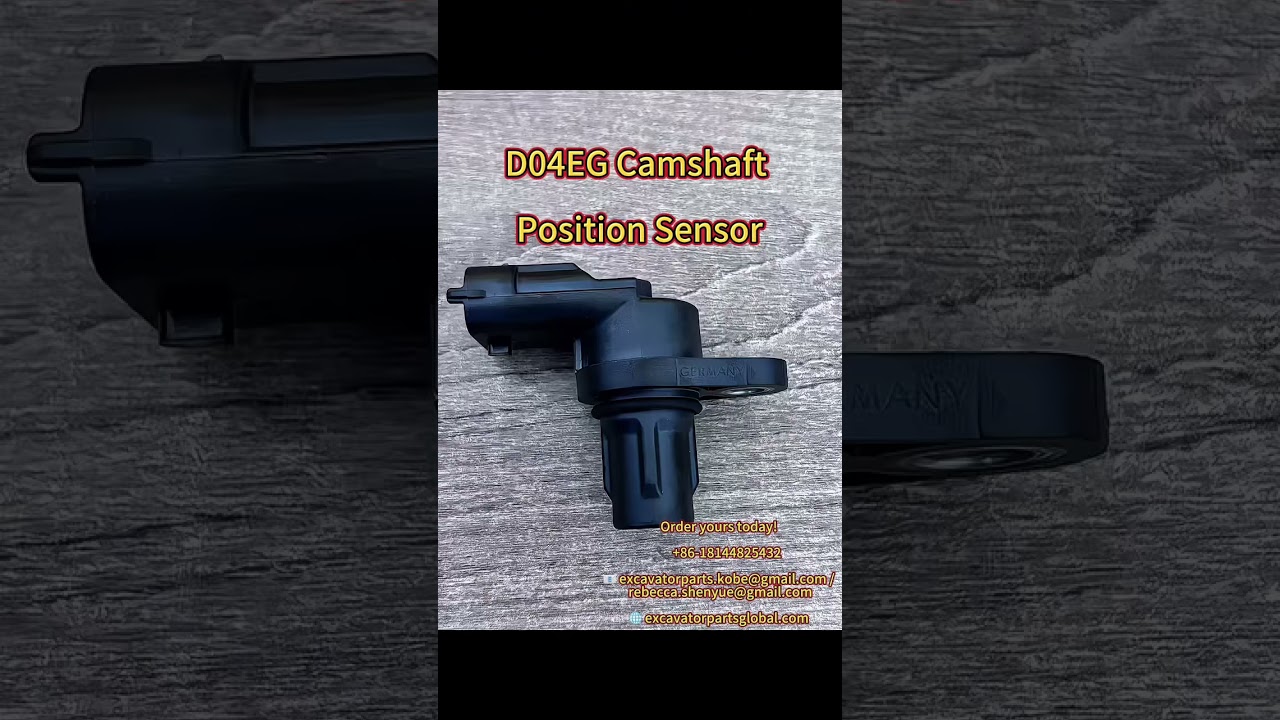
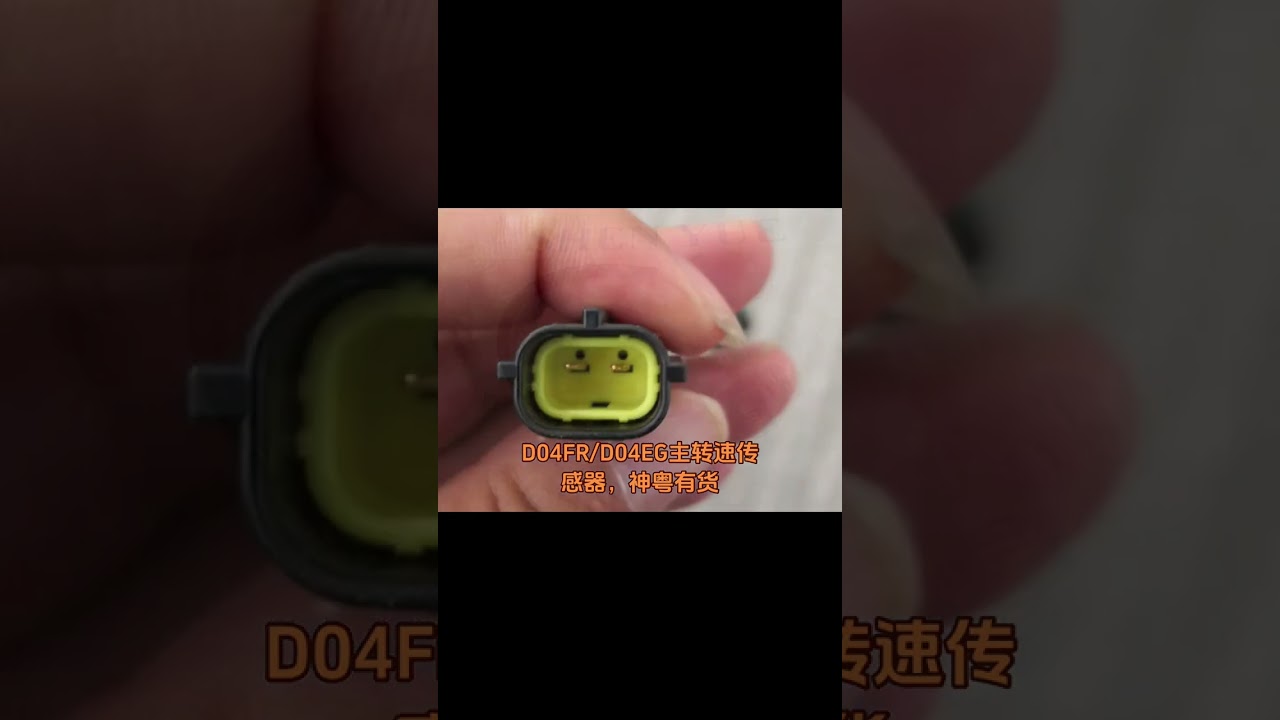
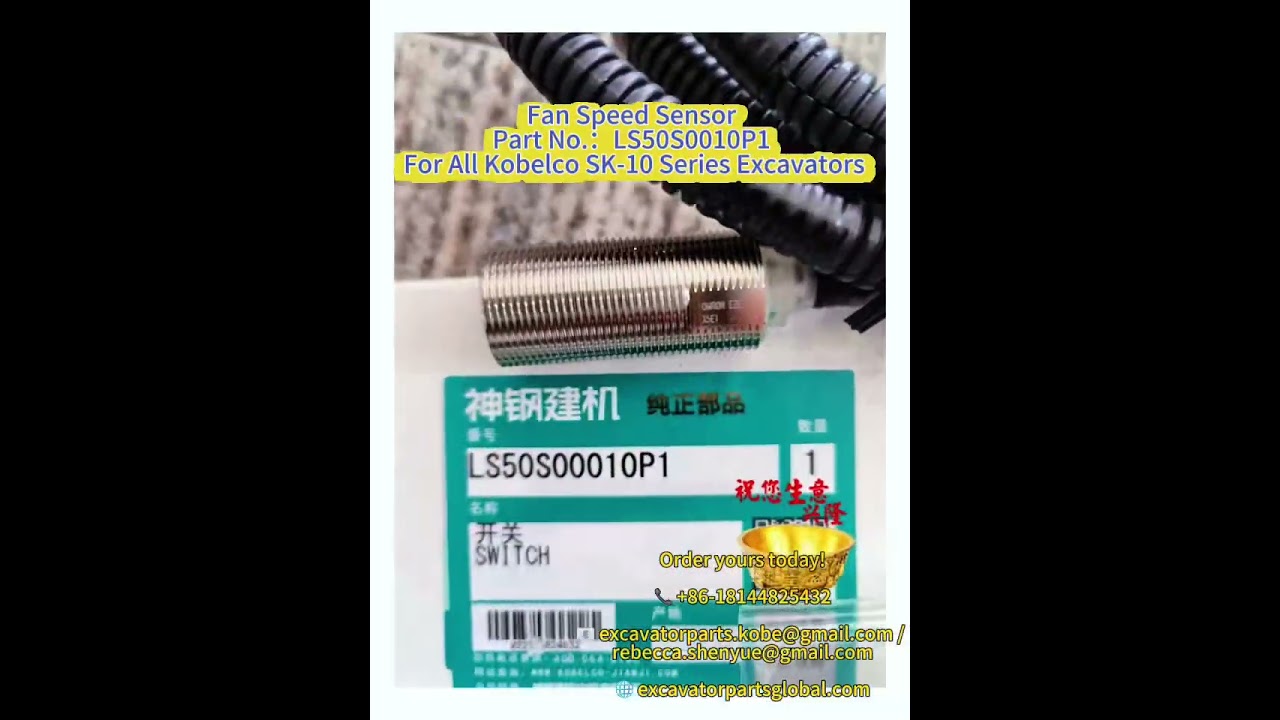
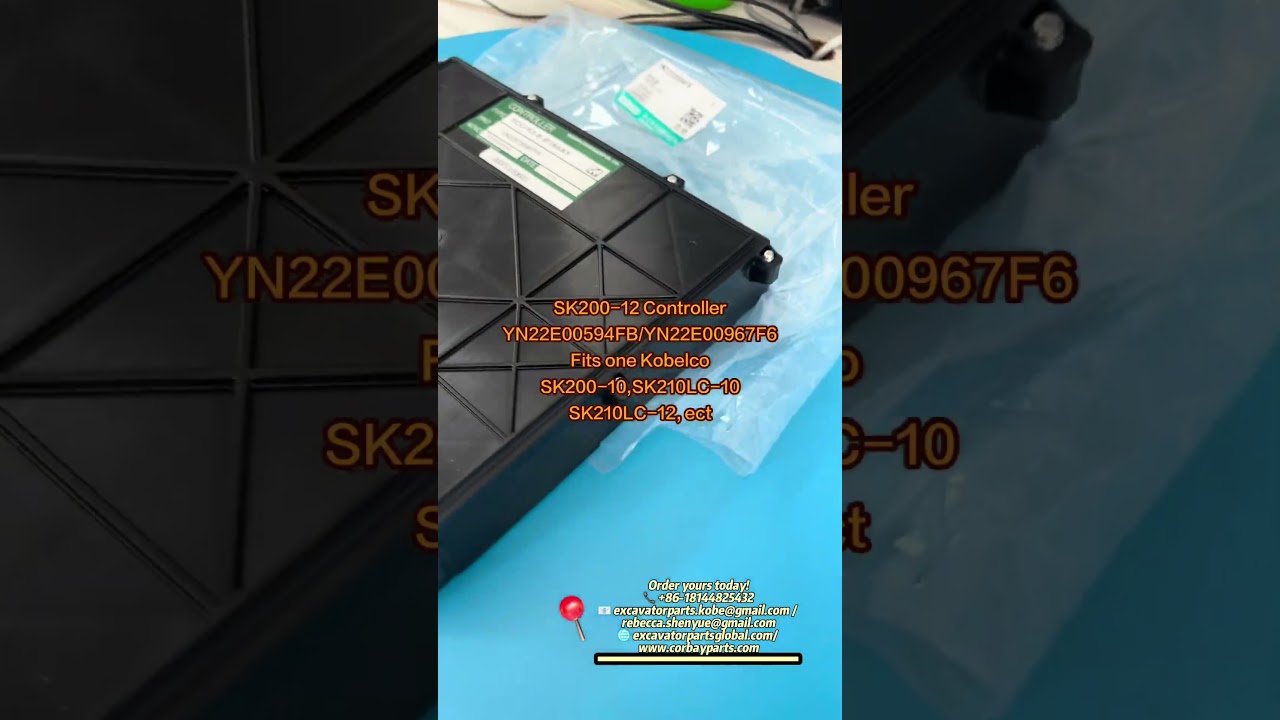
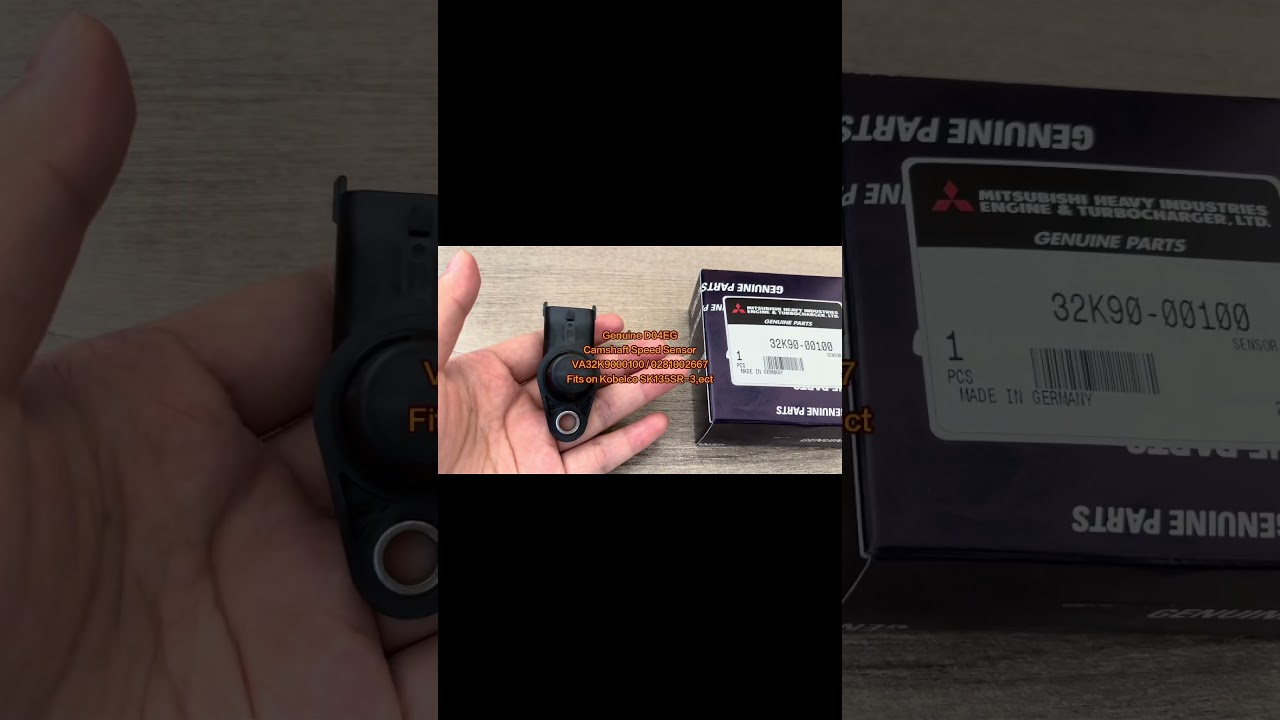
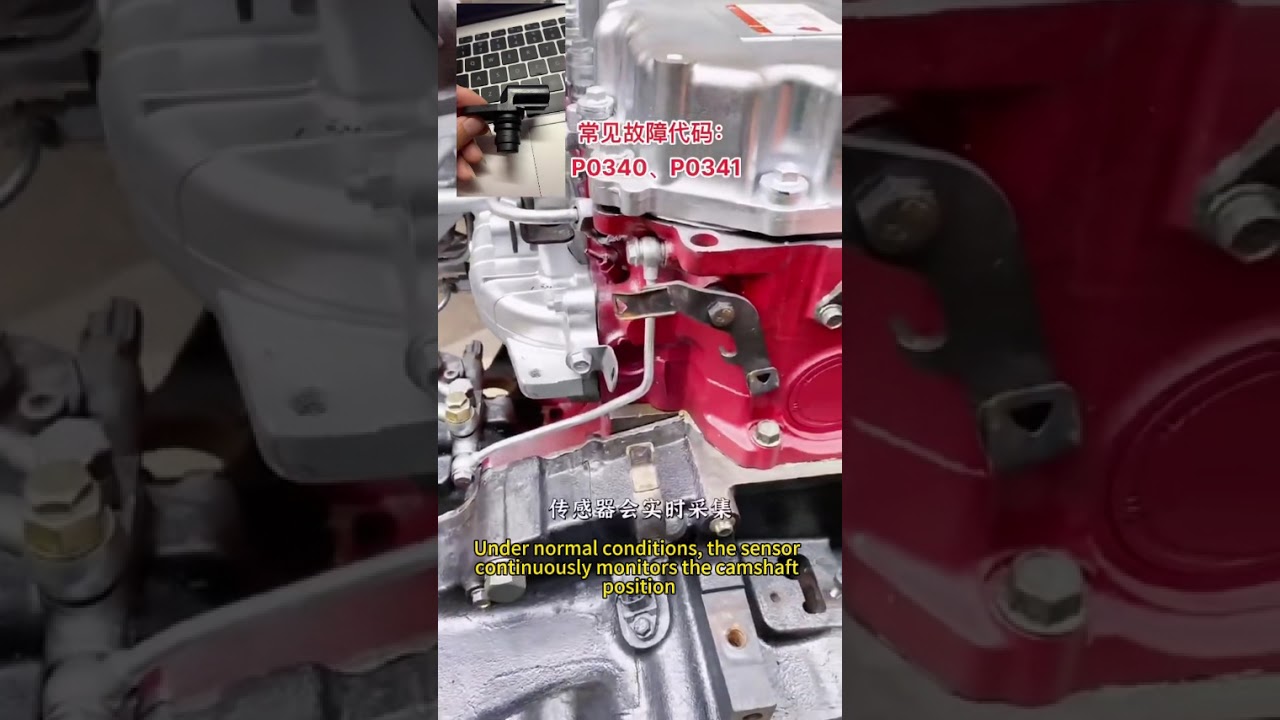
The engine side reports in standard diesel codes. Rail pressure, boost, atmospheric pressure, coolant and fuel temperature, throttle pedal position and engine speed sensors all have their own numbers. The two speed sensors deserve particular respect: on these engines a main-speed sensor fault stops the engine starting or shuts it down without warning.
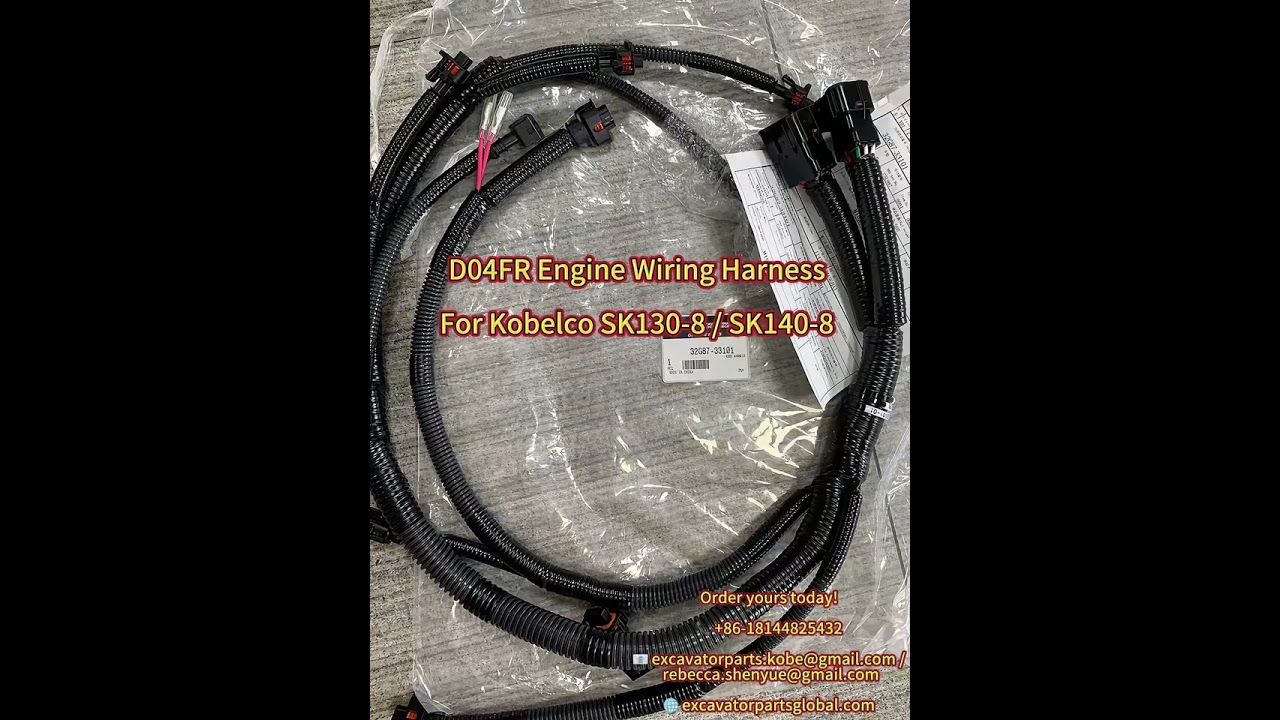
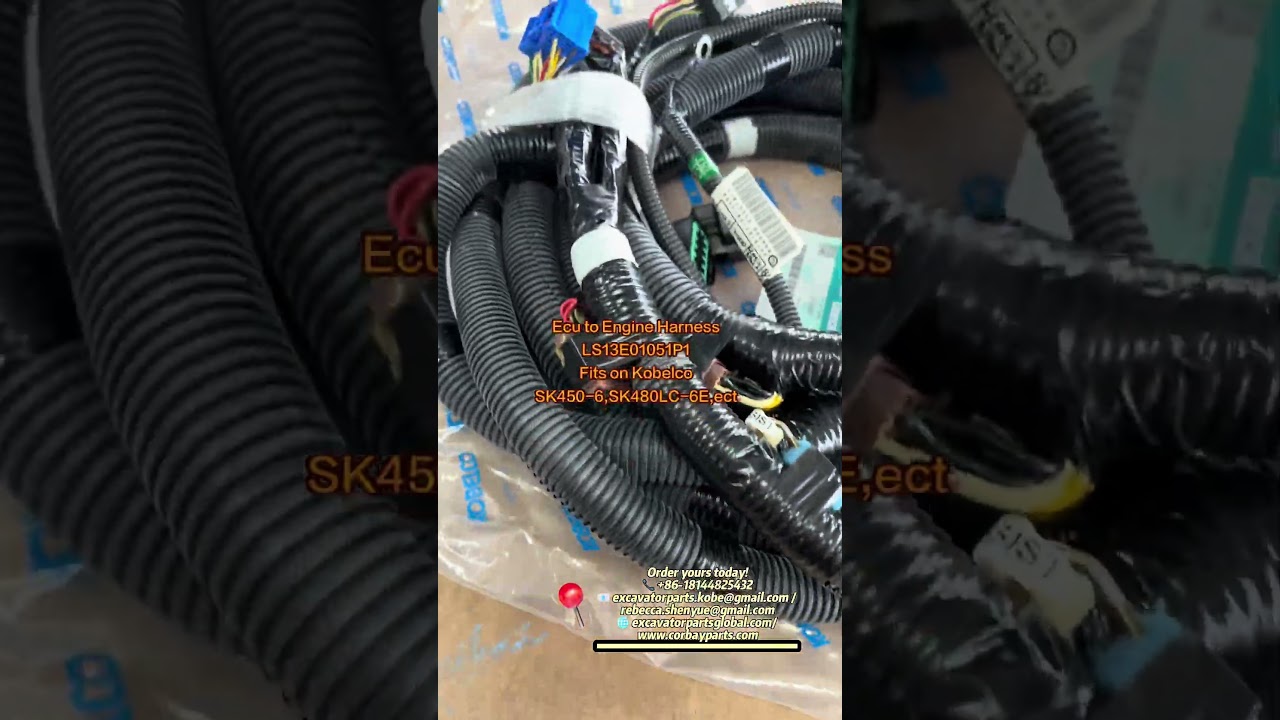
Wiring is the other half. The harness rubs where it passes the cab mounts, the floor grommets and the track frames, and the plugs corrode in coastal or high-humidity work. A fault that comes and goes with vibration is a harness fault until proven otherwise.
What you notice, and what to check first
| Symptom | Cause and first check |
|---|
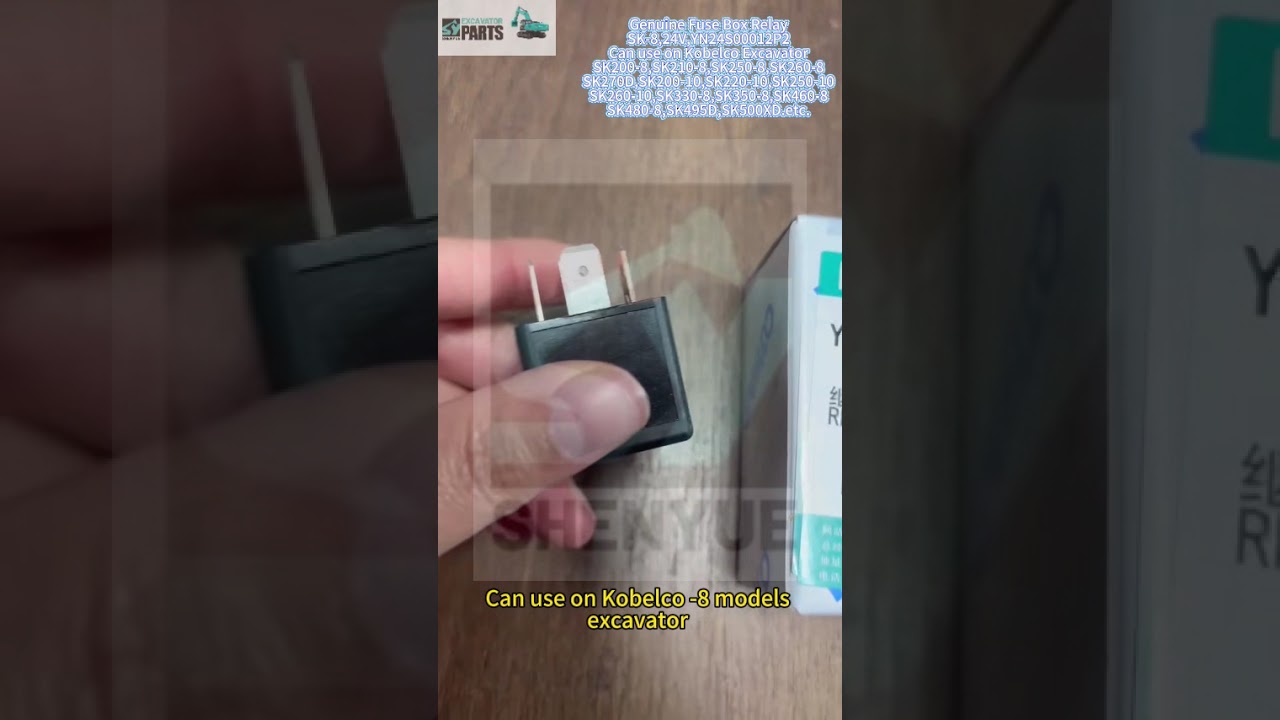
| Several unrelated codes at once | Supply fault, not several failed valves. Check the controller fuse, solenoid supply, relays and grounds before anything else. |
|---|
| No start with no other symptom | Engine speed sensor, or the controller. Clean the sensor nose and check the air gap first. |
|---|
| Engine will not rev, rpm hunts | Throttle pedal position sensor track worn. Watch the live voltage sweep from rest to full. |
|---|
| Derate with a rail-pressure code | Compare live rail pressure with the target. A wiring fault reads exactly like a dead sensor. |
|---|
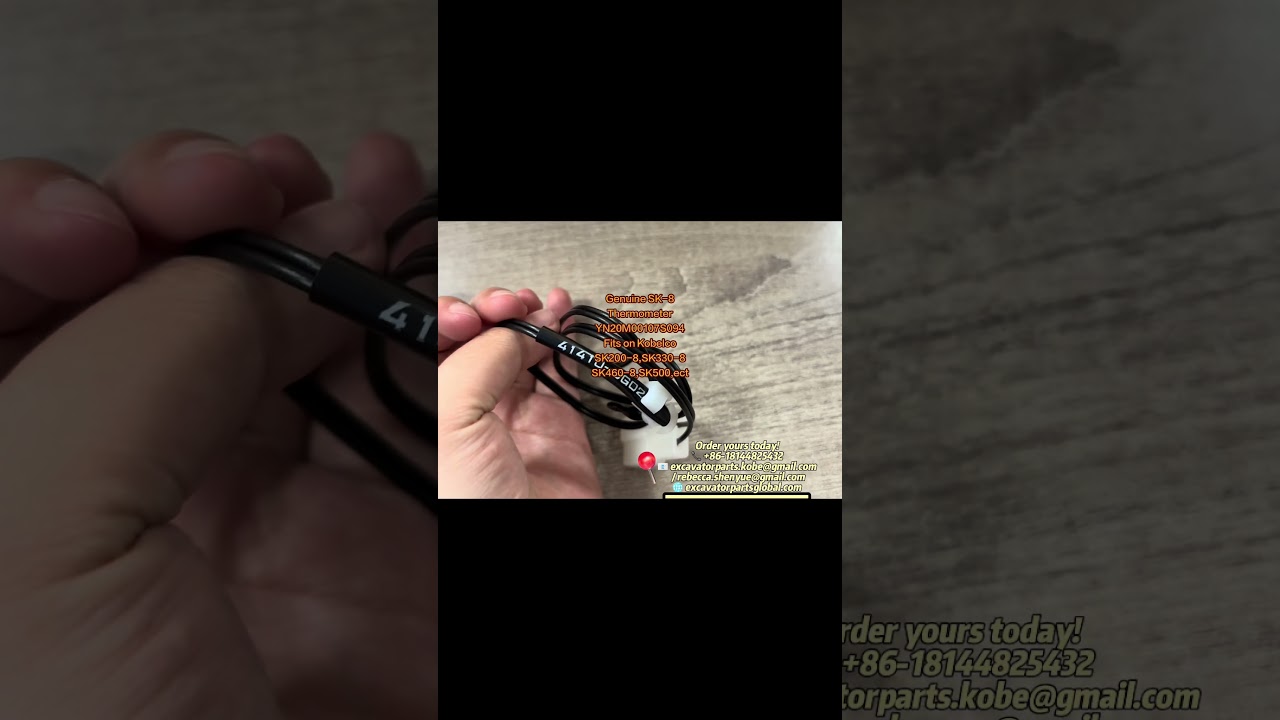
| Gauge reads hot with no real overheat | Temperature sensor drift. Confirm with an infrared gun before chasing the cooling system. |
|---|
| Faults that come and go with vibration | Harness chafe at the known rub points, or corroded plugs. Wiggle-test while watching live data. |
|---|
Numbers we hold for this system
| Part number | Description | Notes |
|---|
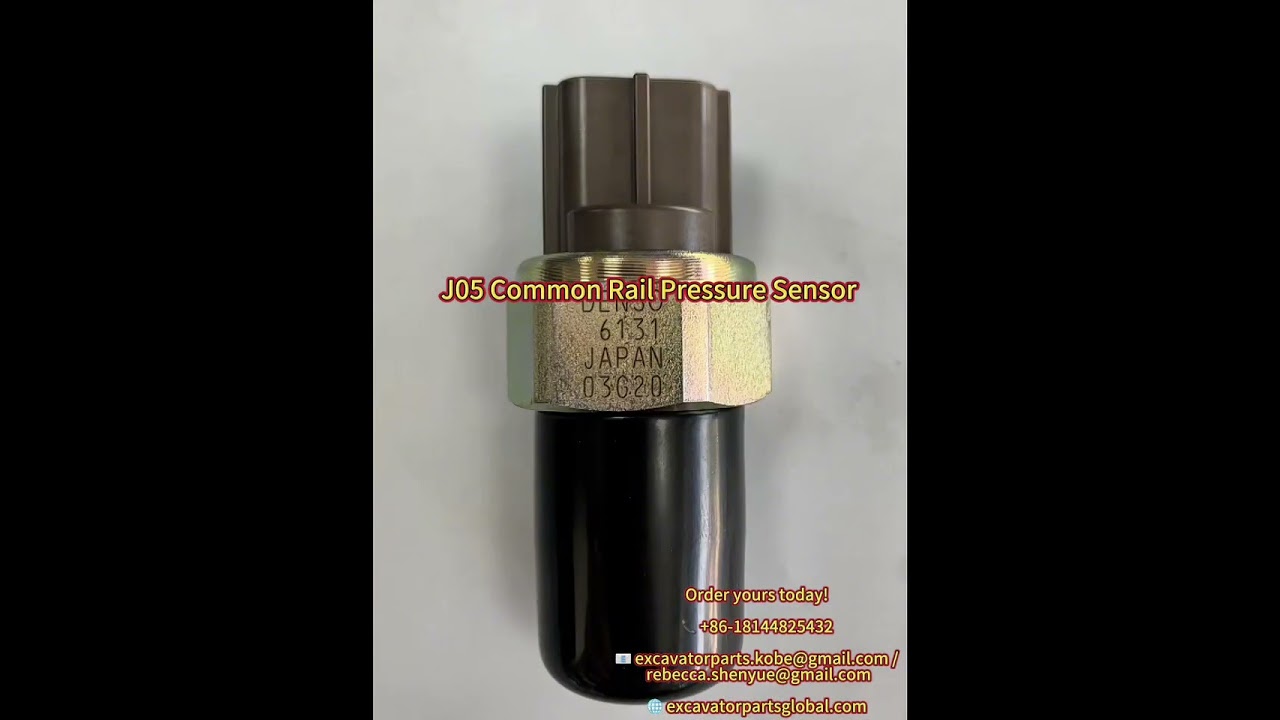
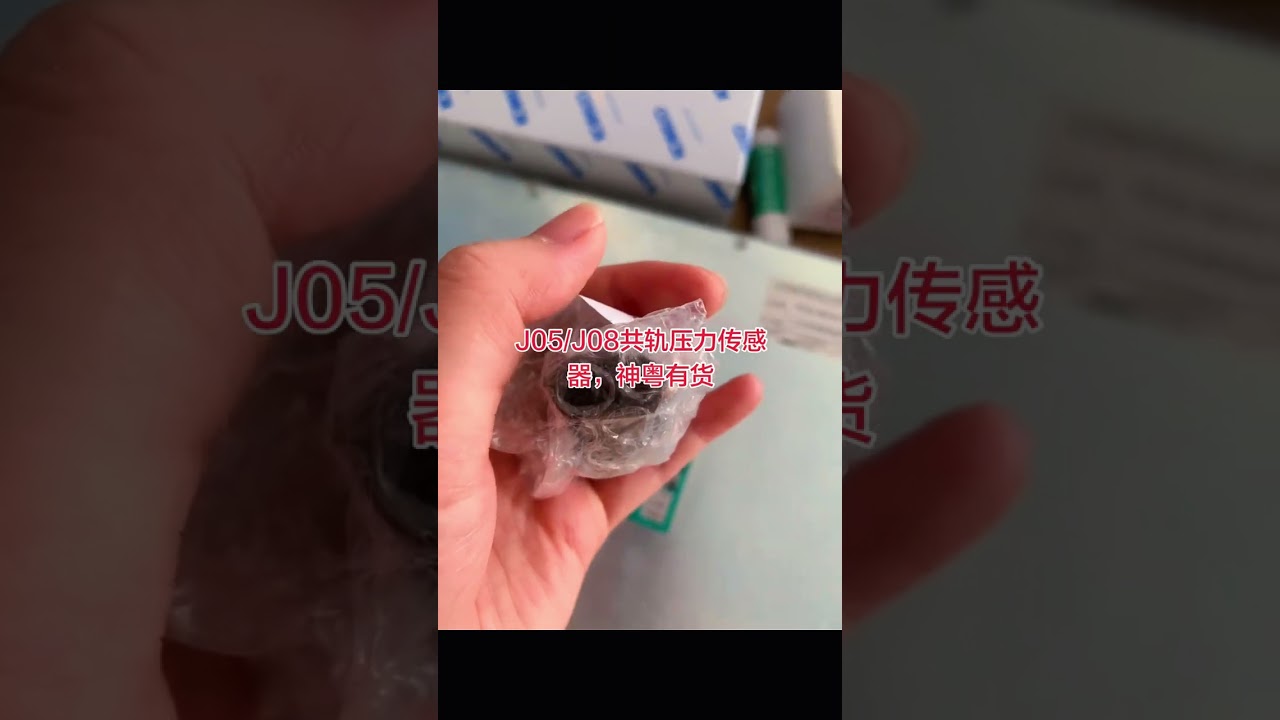
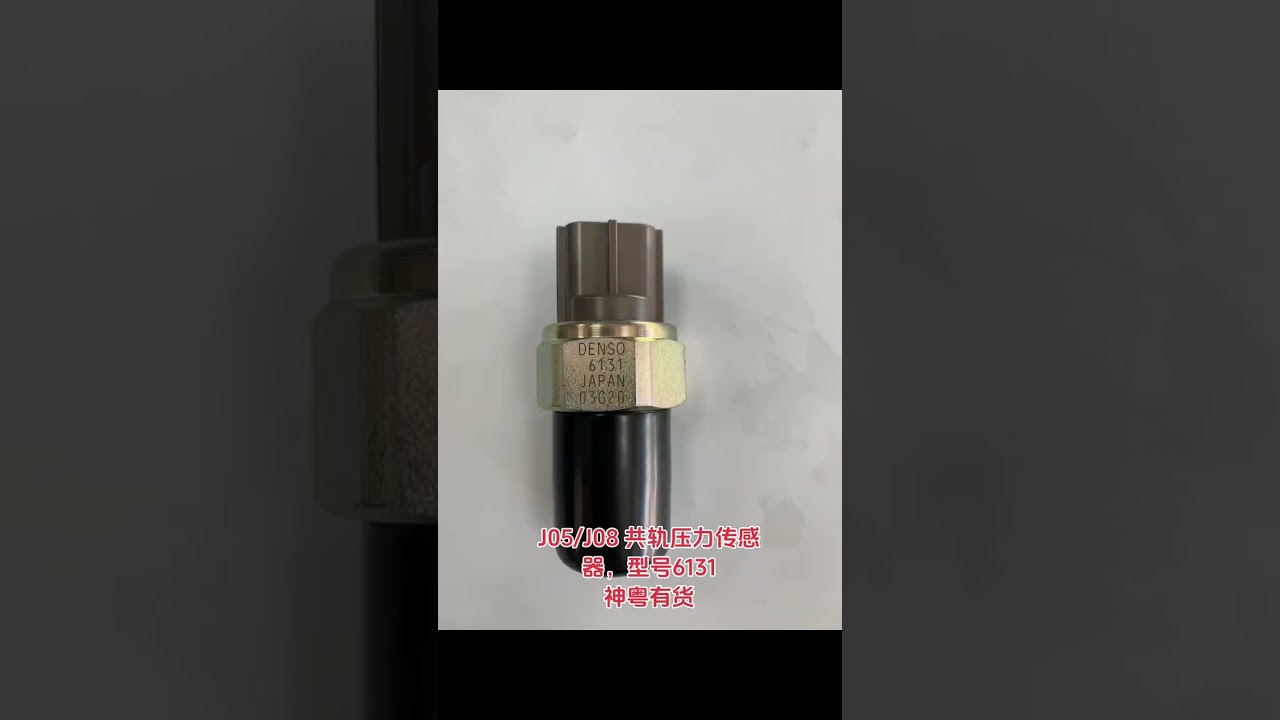
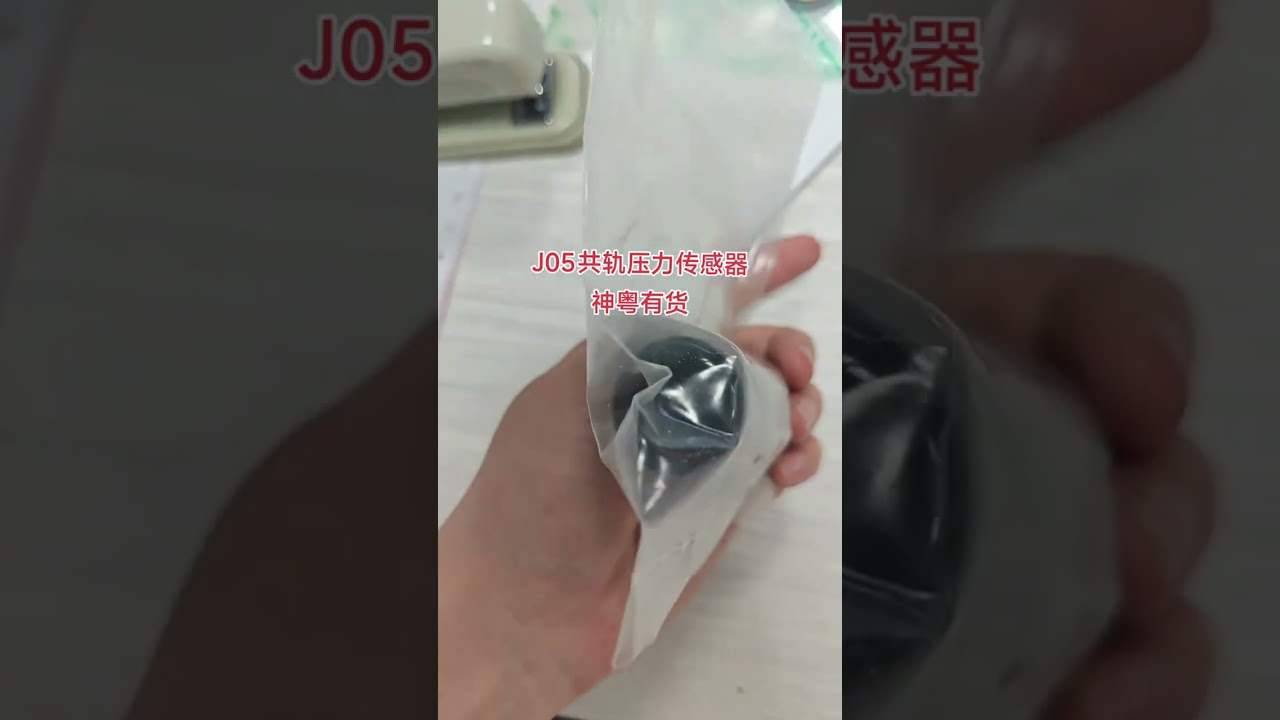
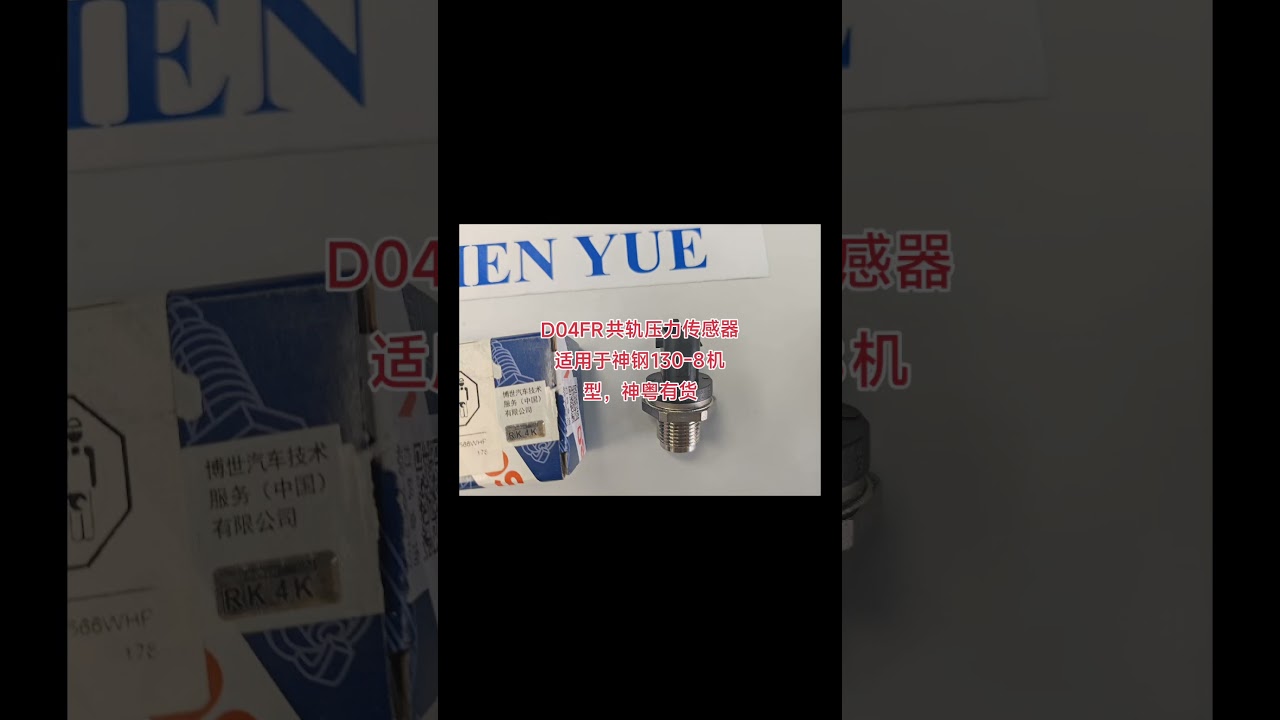
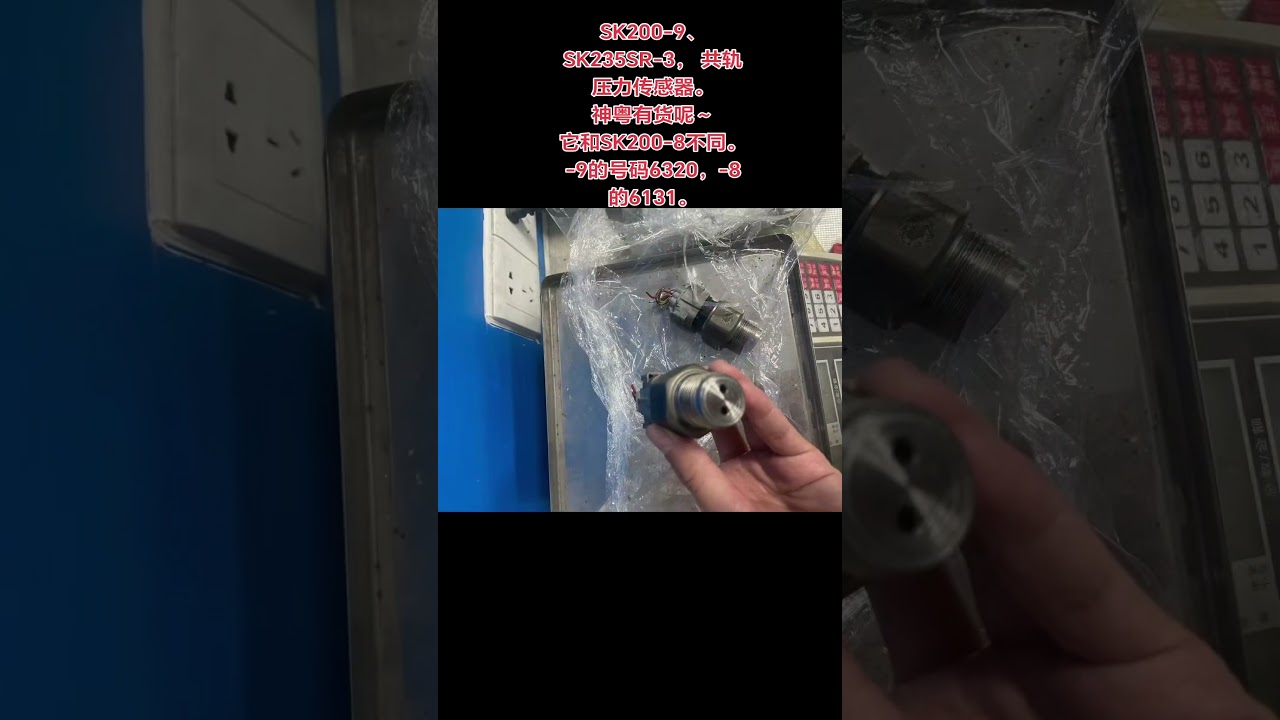
| VHS227621070-6131 | Common Rail Sensor | Rail pressure sensor, J05 class |
| VHS894101570 | Camshaft Speed Sensor | Speed sensor, J05E |
| VHS894101590 | Camshaft Speed Sensor | Speed sensor, J08E |
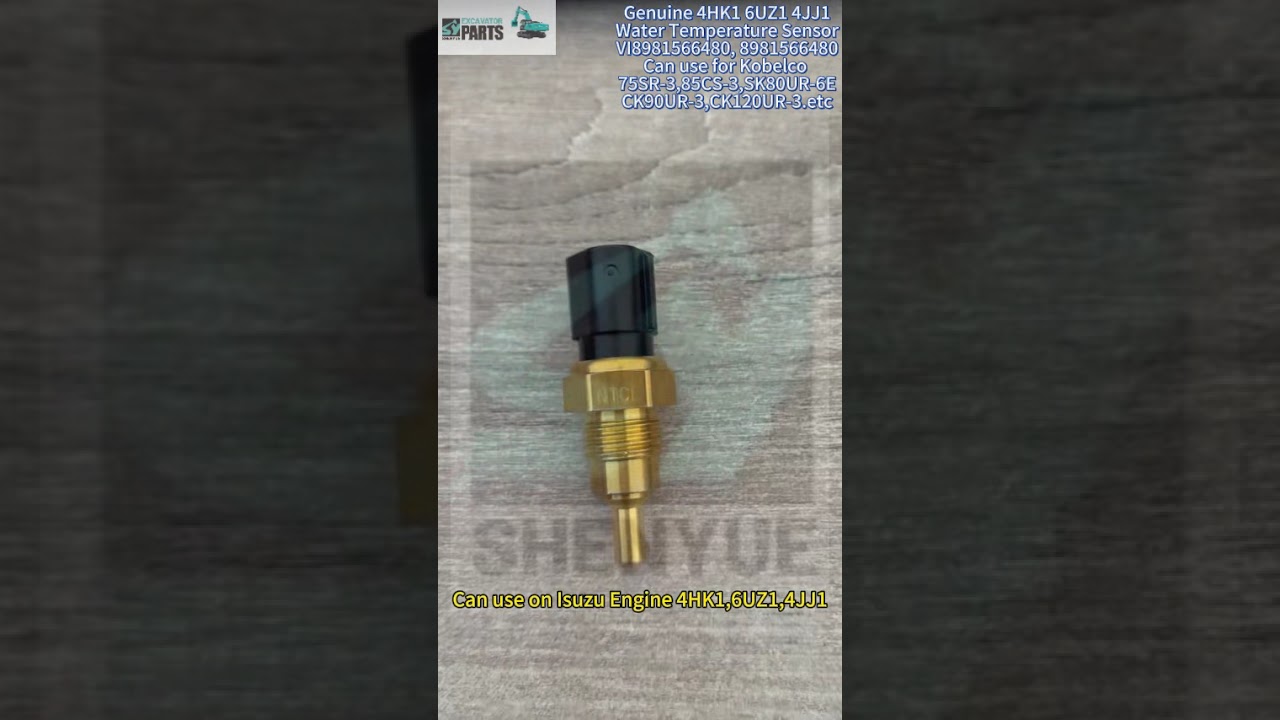
| VHS834201250 | Water Temperature Sensor | Coolant temperature sensor, J05E |
| VH83530E0220CT | Oil Press Sensor | Engine oil pressure sensor, J05E |
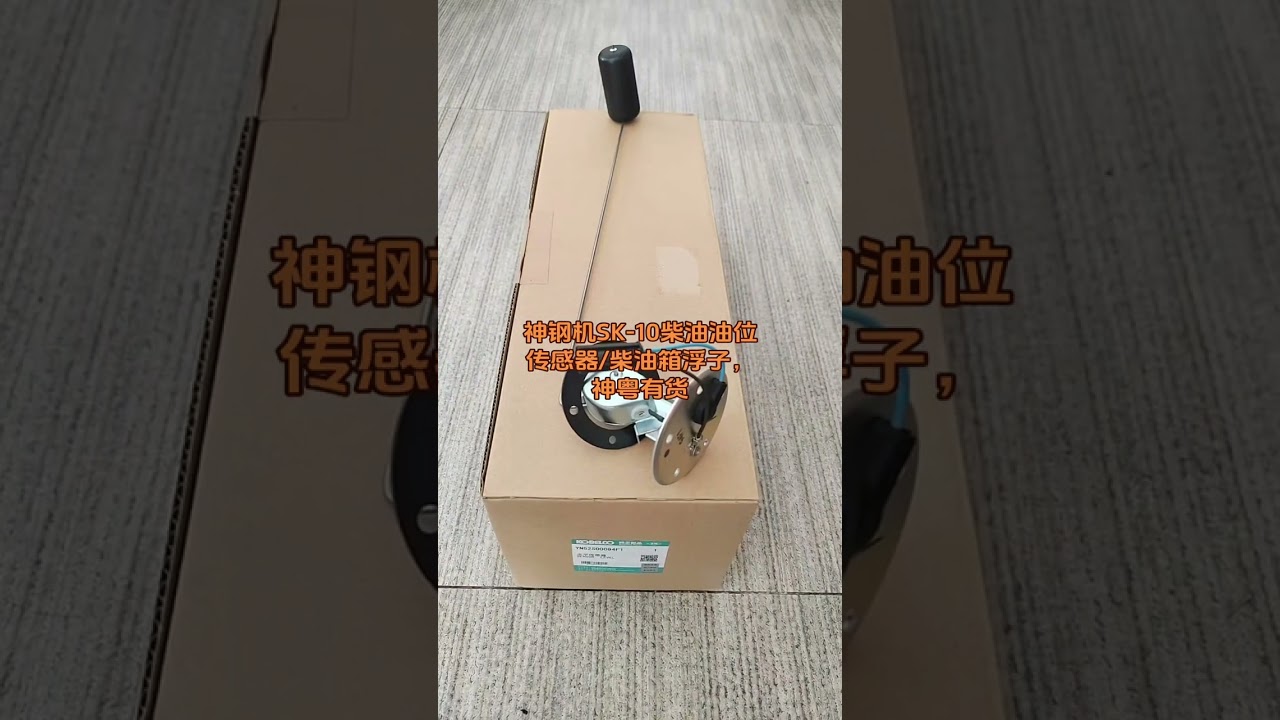
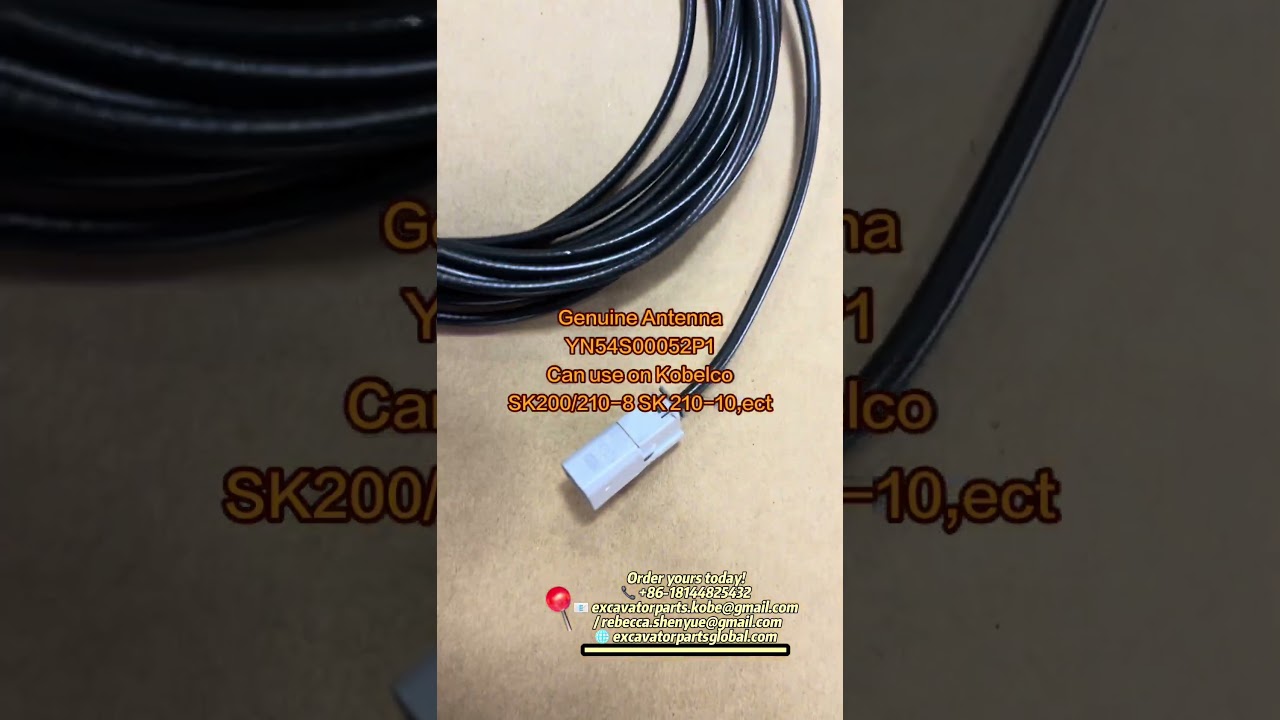
| VH87469E0010 | Level Warning Switch Sensor | Level warning switch, J05 / J08 / P11C |
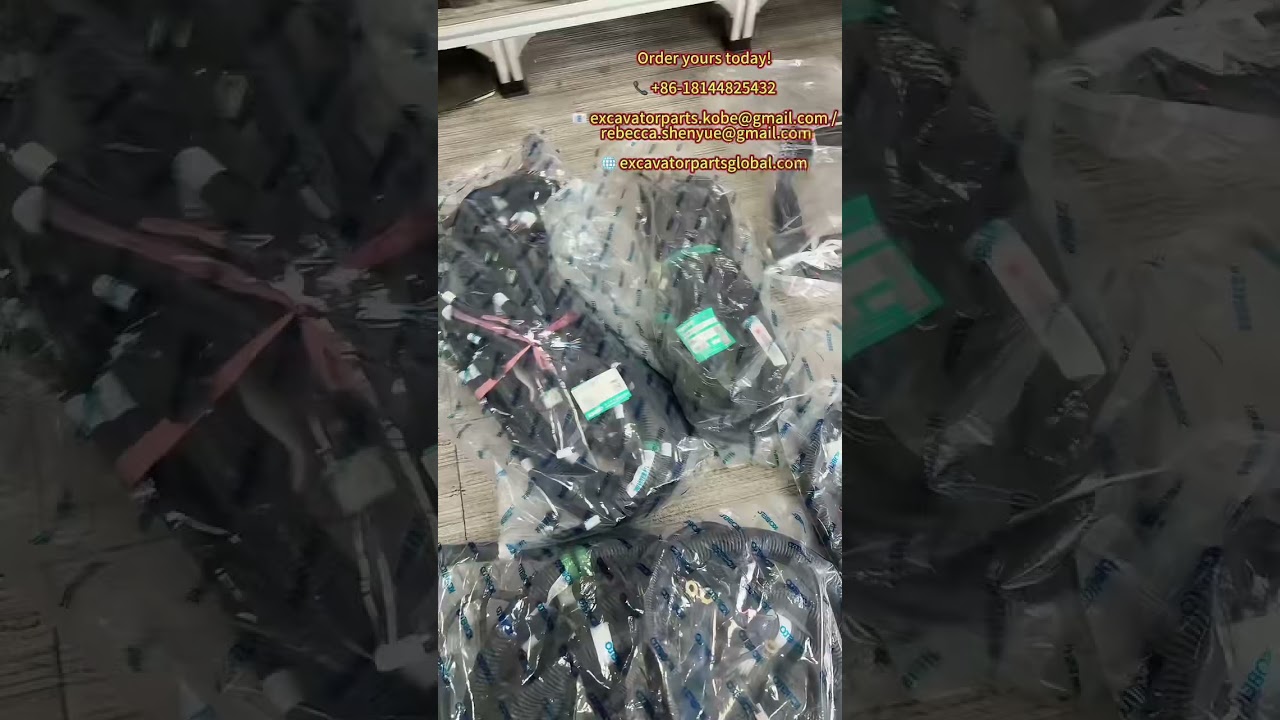
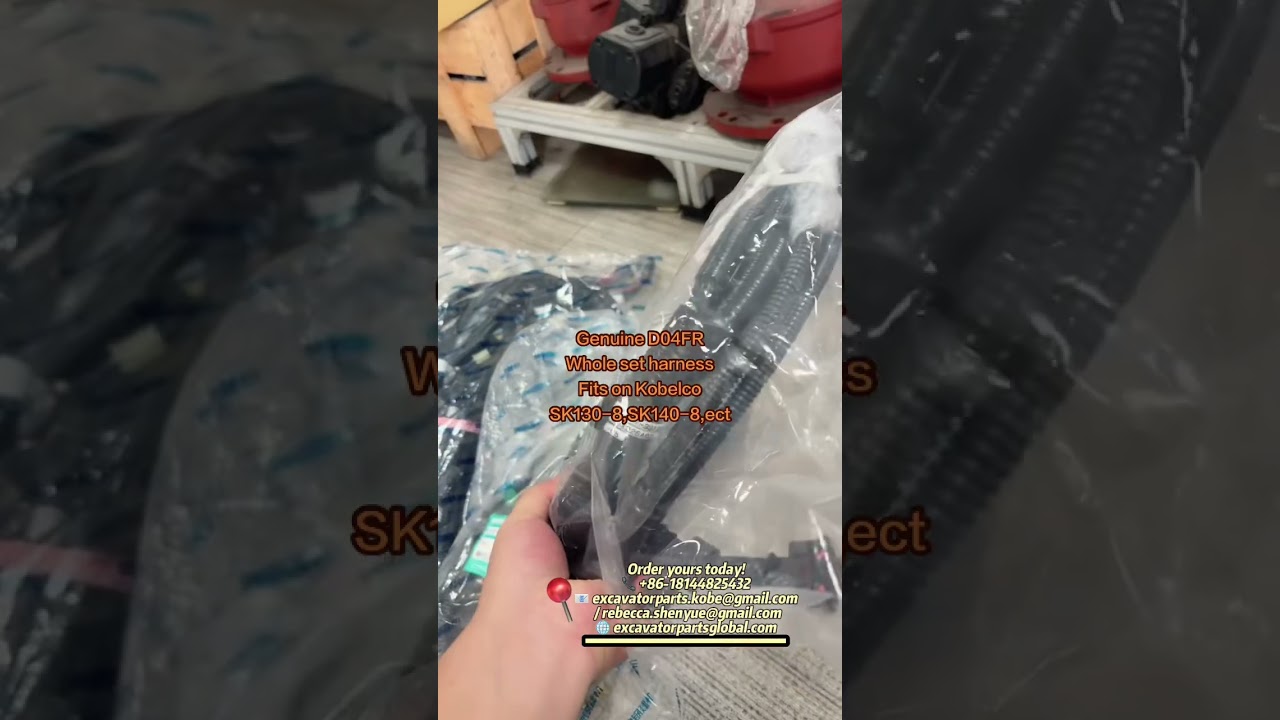
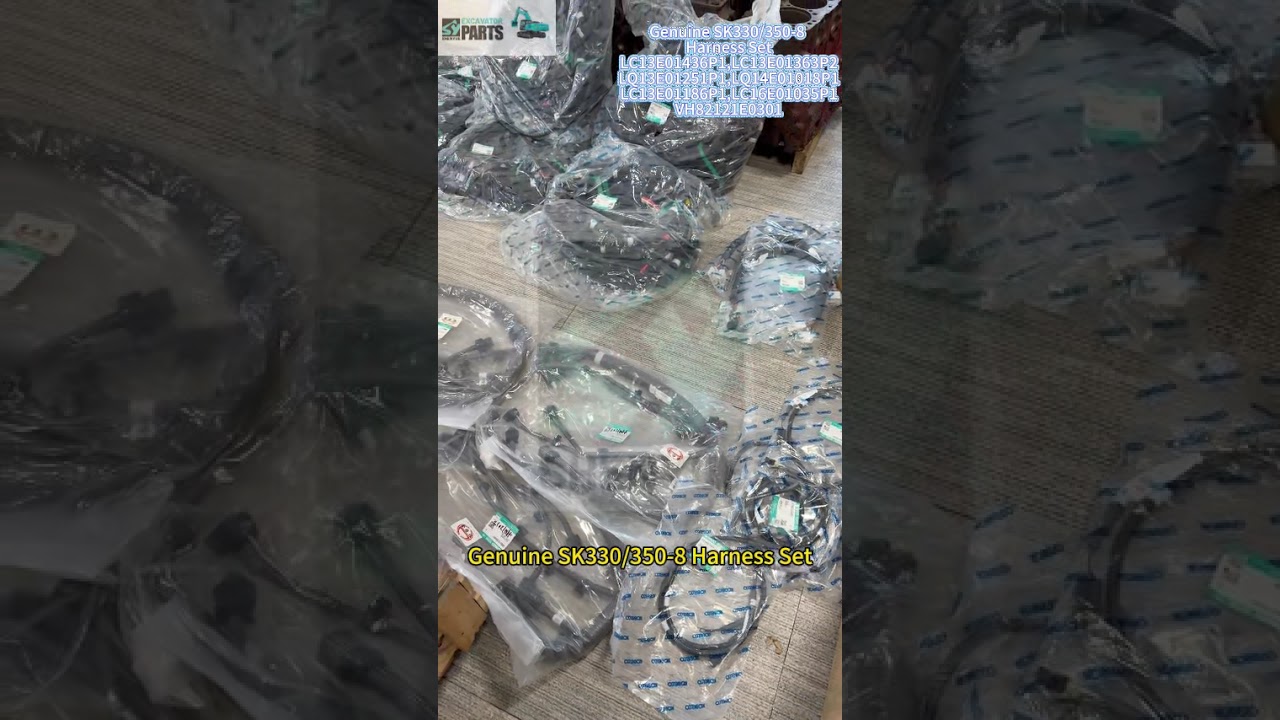
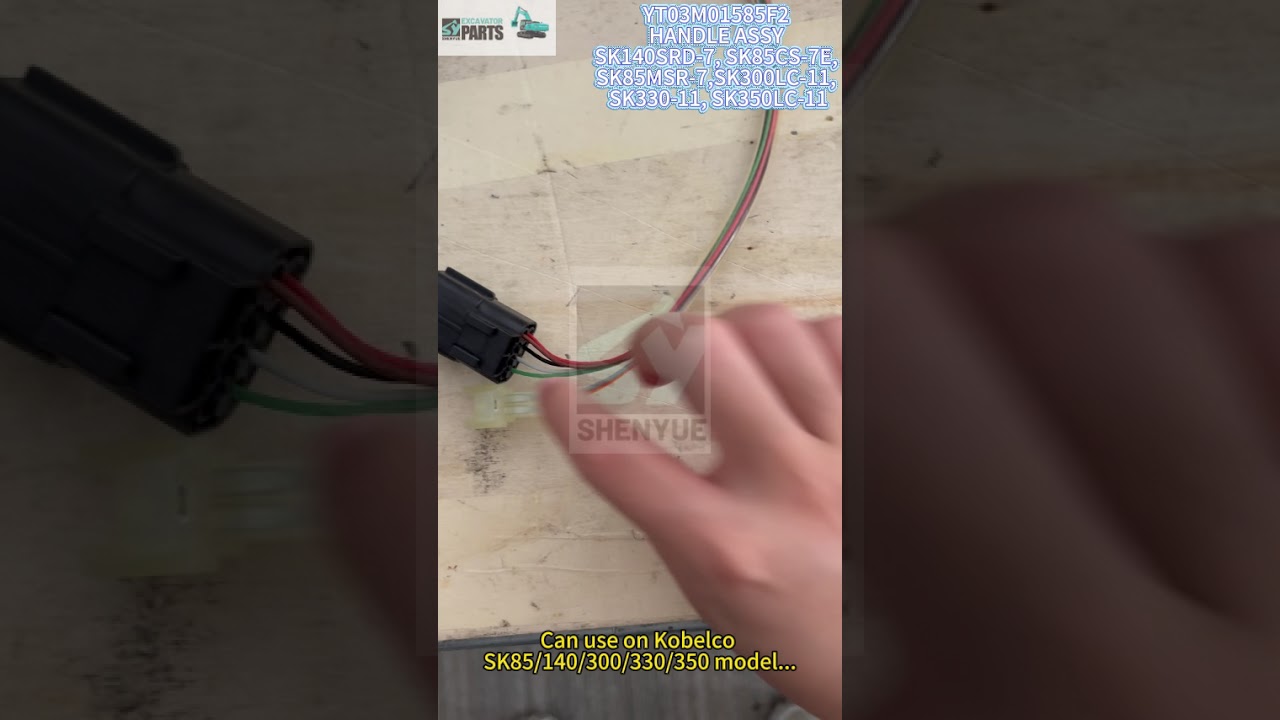
| VH82121E0301 | Engine Harness | Engine wiring harness, J08 |
| PW03M01751P1 | Switch | Cab switch, SK60-8 class |
Cooling, Filtration and Consumables
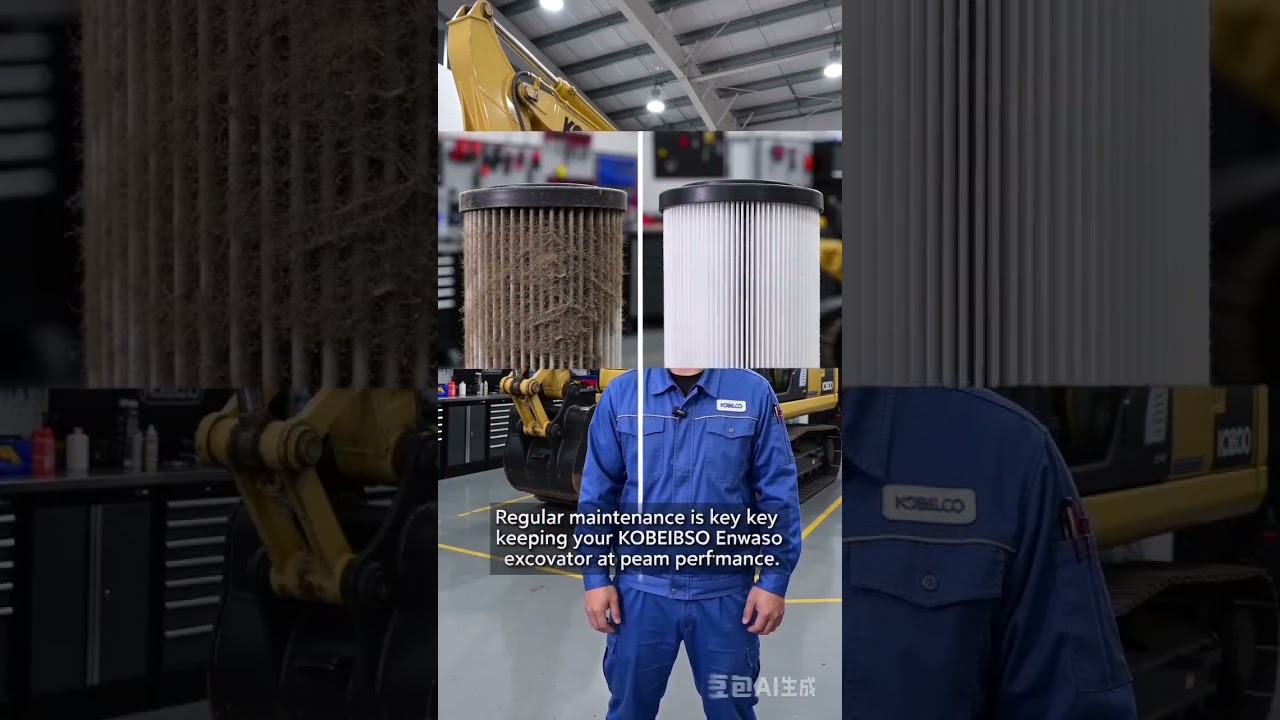
Filters, coolant and the pressure cap decide how long the expensive parts last, and they are the parts most often bought on price alone.
A Kobelco undercarriage and hydraulic system will run a long time on clean oil and clean filters. The same machine fed on dirt and water will destroy a pump, a set of injectors and a final drive inside a couple of seasons. It genuinely is that simple, and it is why we keep the filter range deep rather than just the headline numbers.
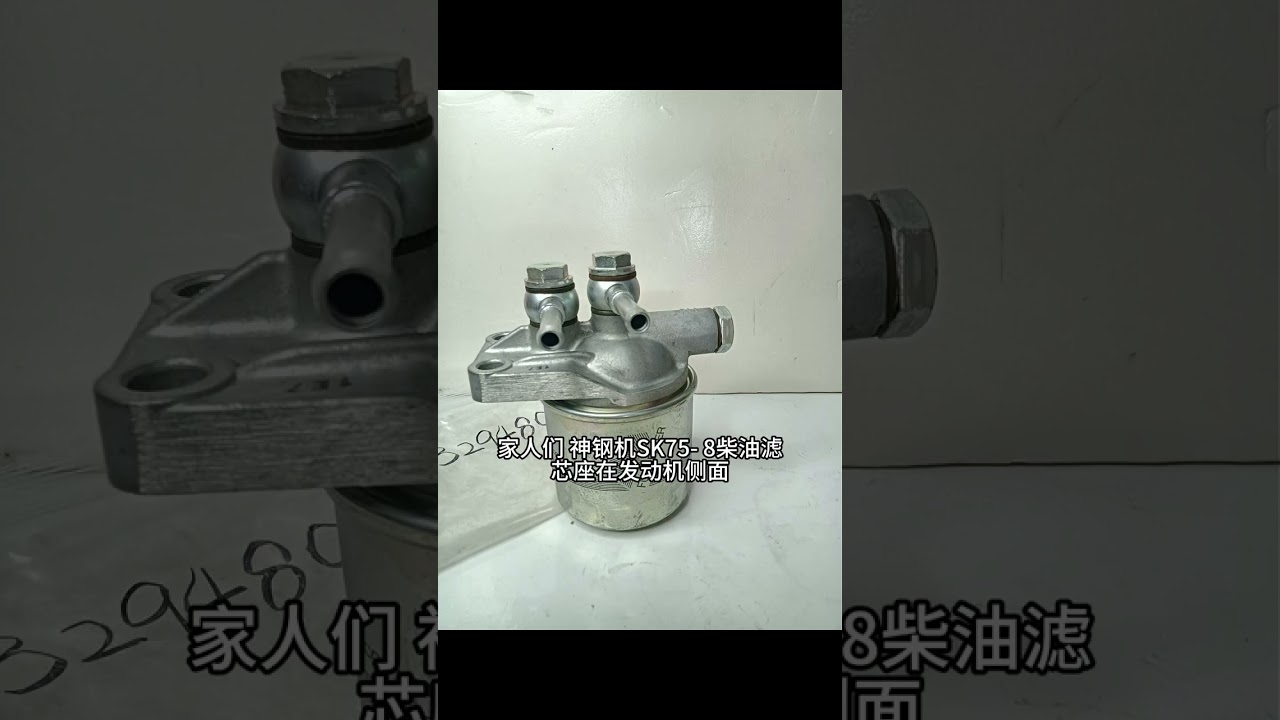
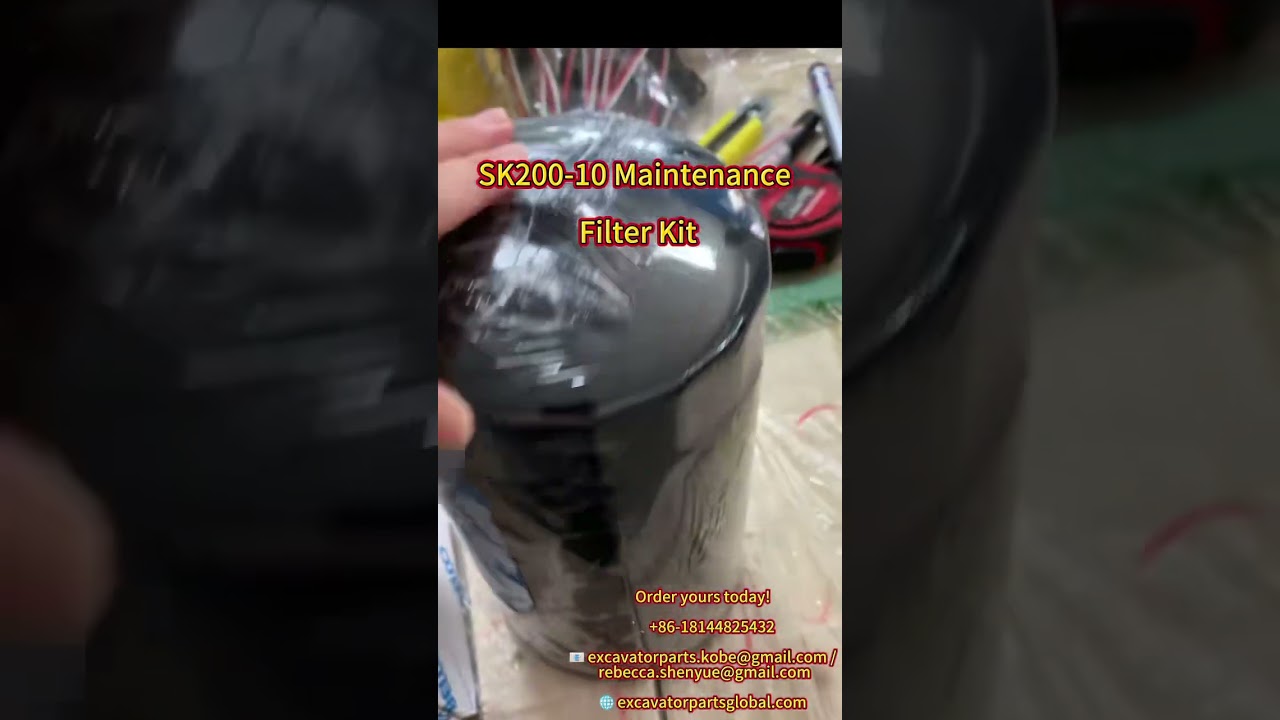
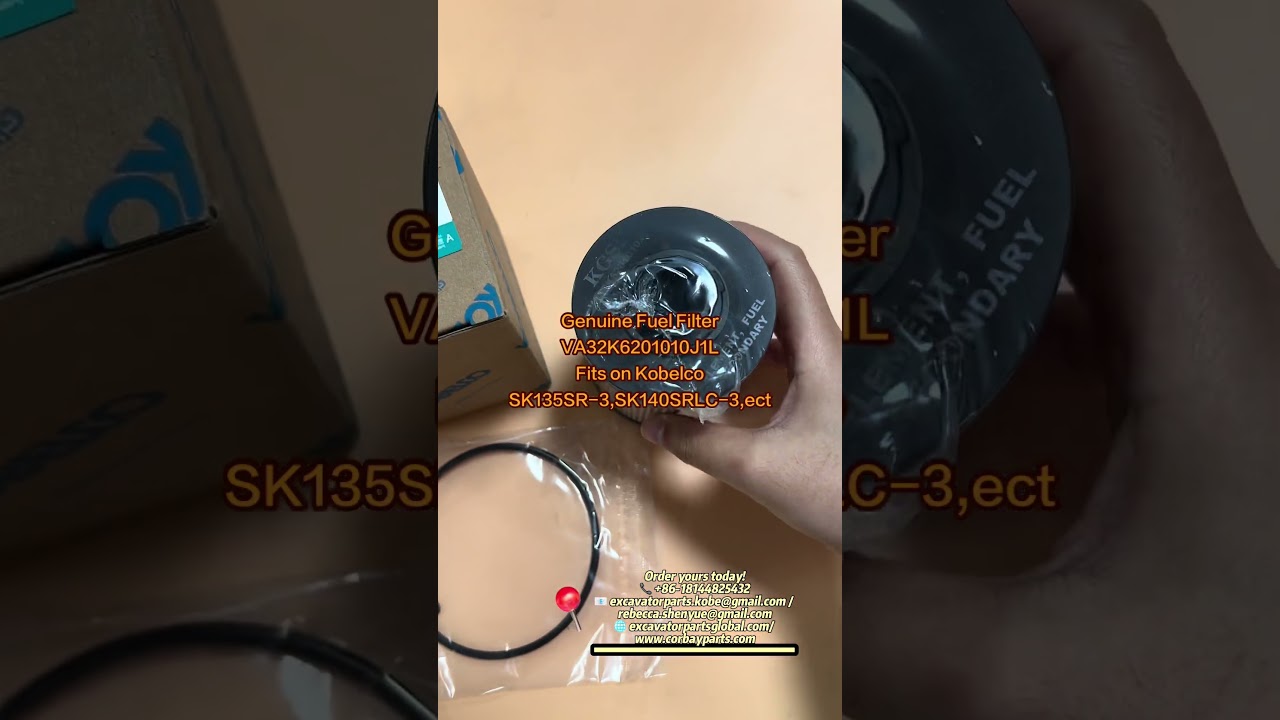
On the fuel side, the filter and water separator do the work that protects the common-rail pump and injectors. Drain the bowl weekly; in humid or dusty conditions, more often. Water reaching the pump is the most expensive fuel-filter failure there is.
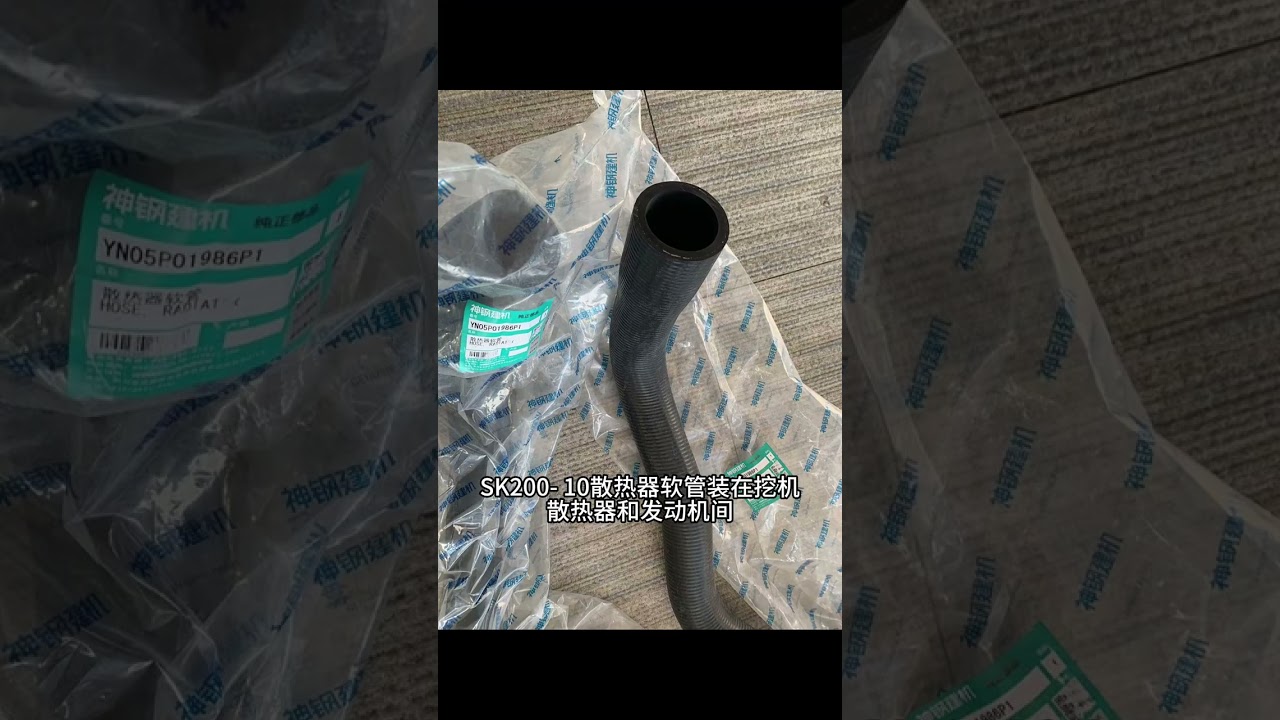
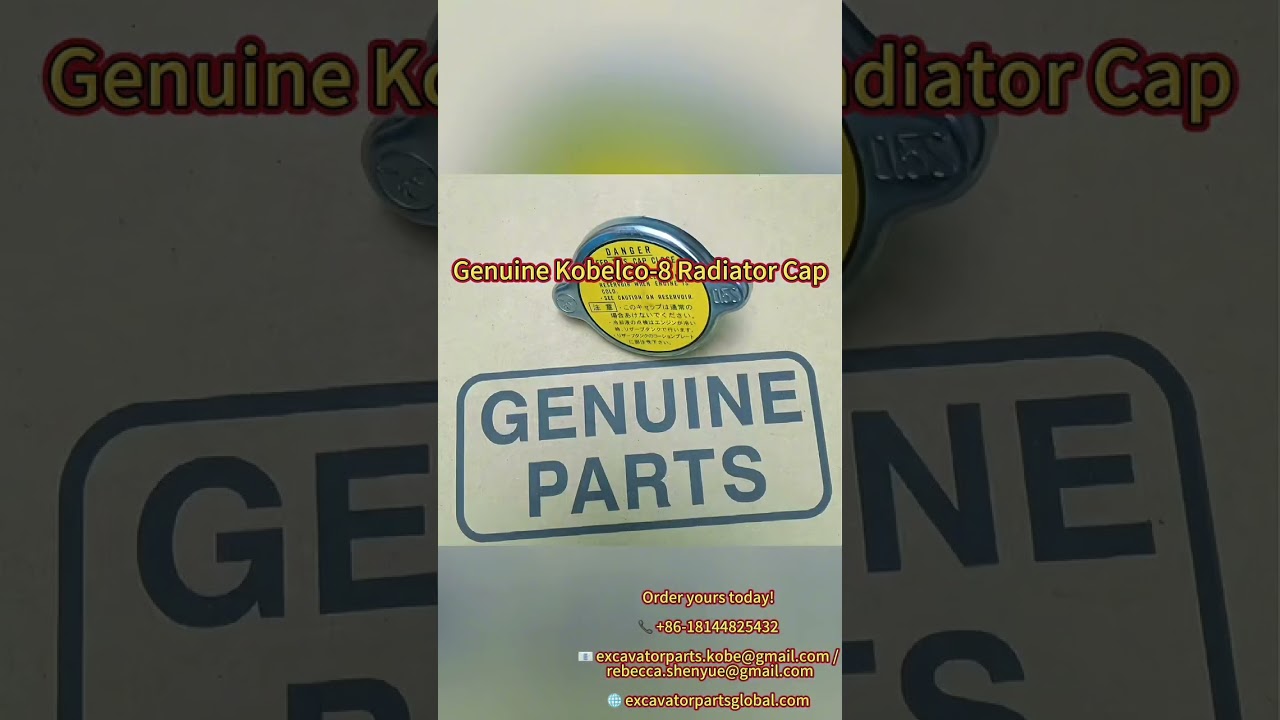
On the cooling side, a radiator core that looks fine from the outside can be plugged solid between the fins, and a pressure cap that no longer holds its rating will let a healthy engine boil. Both are cheap to check and both are routinely replaced last instead of first.
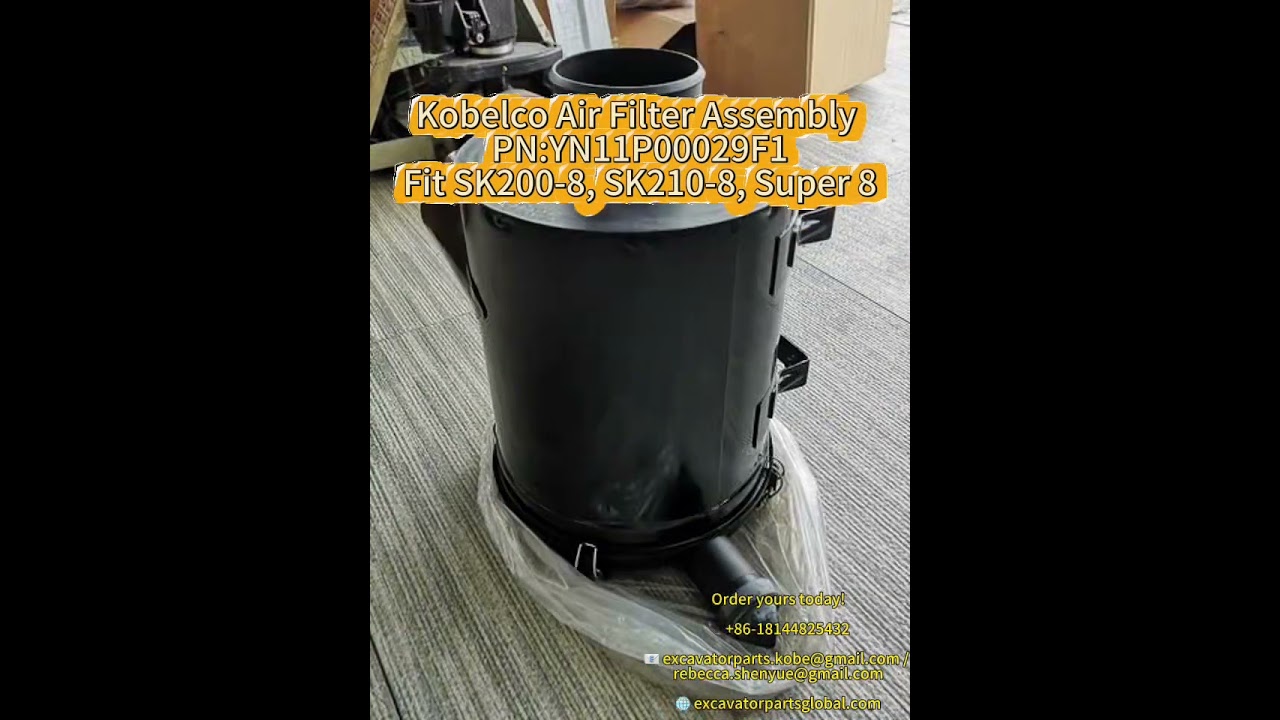
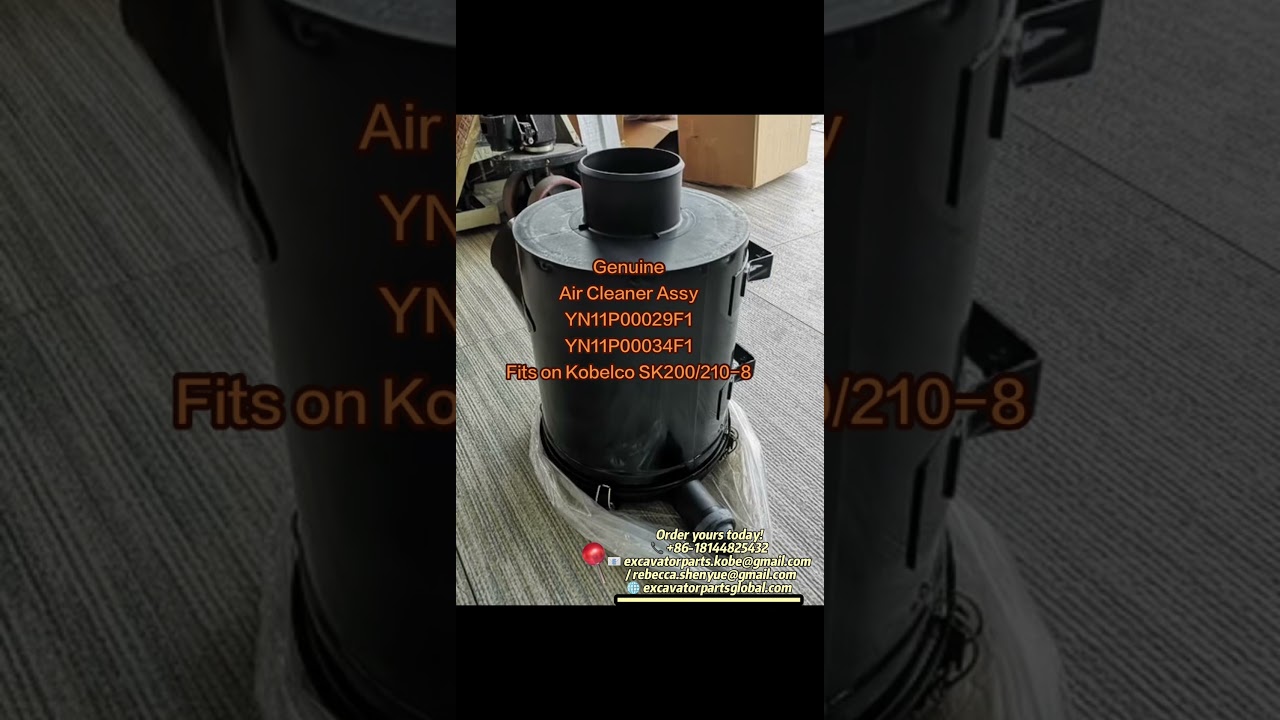
Air filtration is the one people skip. A paper element should never be cleaned and refitted — knocking the dust out opens the pleats and passes it straight through. And the safety element behind the main one is usually the one that was never changed.
What you notice, and what to check first
| Symptom | Cause and first check |
|---|
| Overheating on a hot day under load | Plugged radiator core or a tired pressure cap. Wash the core from the fan side and test the cap. |
|---|
| Fuel filter light, hard starting, miss under load | Element loaded or bowl full of water. Drain the bowl and renew the element. |
|---|
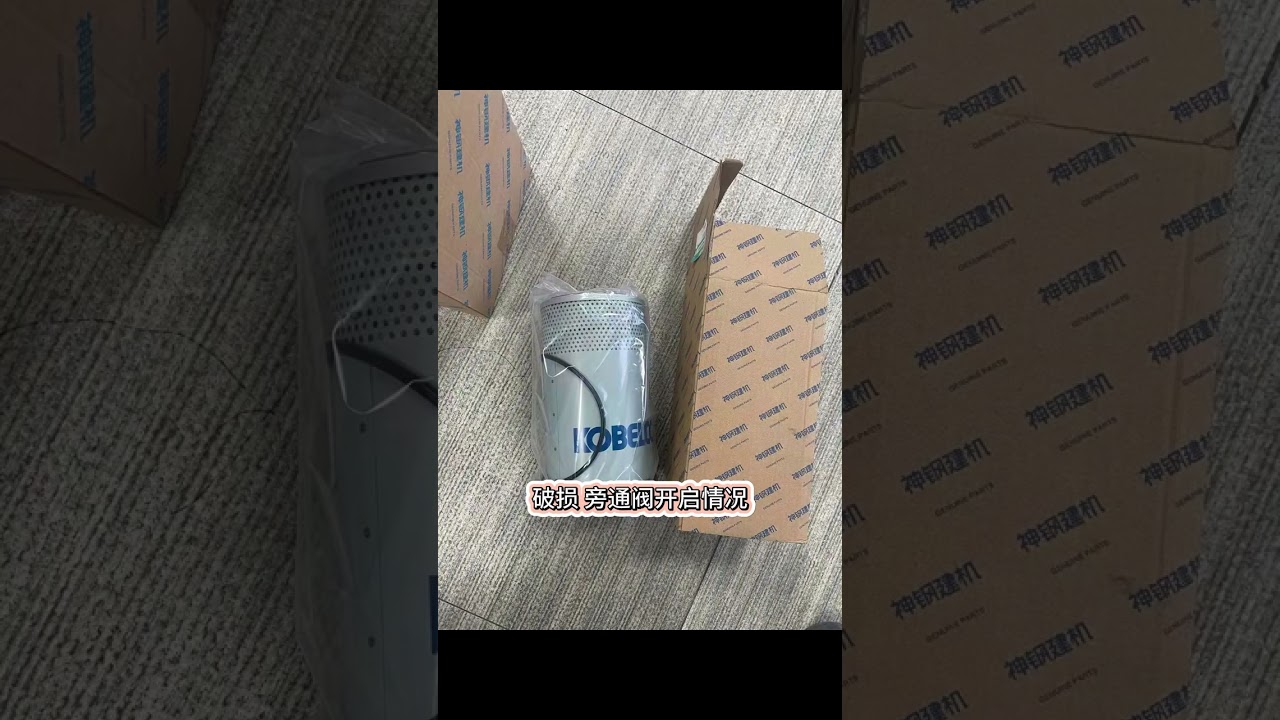
| Oil pressure marginal with correct oil level | Filter in bypass. Renew the filter with the oil every interval. |
|---|
| Black smoke, restriction indicator in the red | Air filter loaded. Renew the element; never clean and refit a paper element. |
|---|
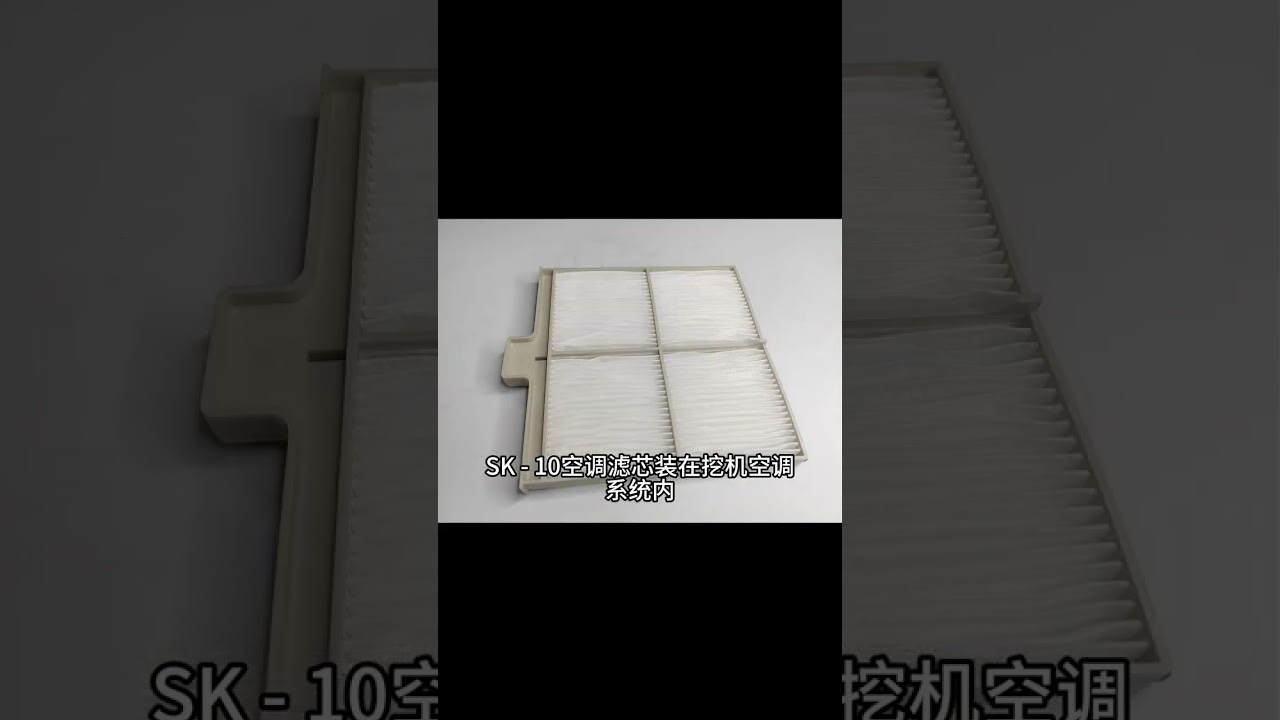
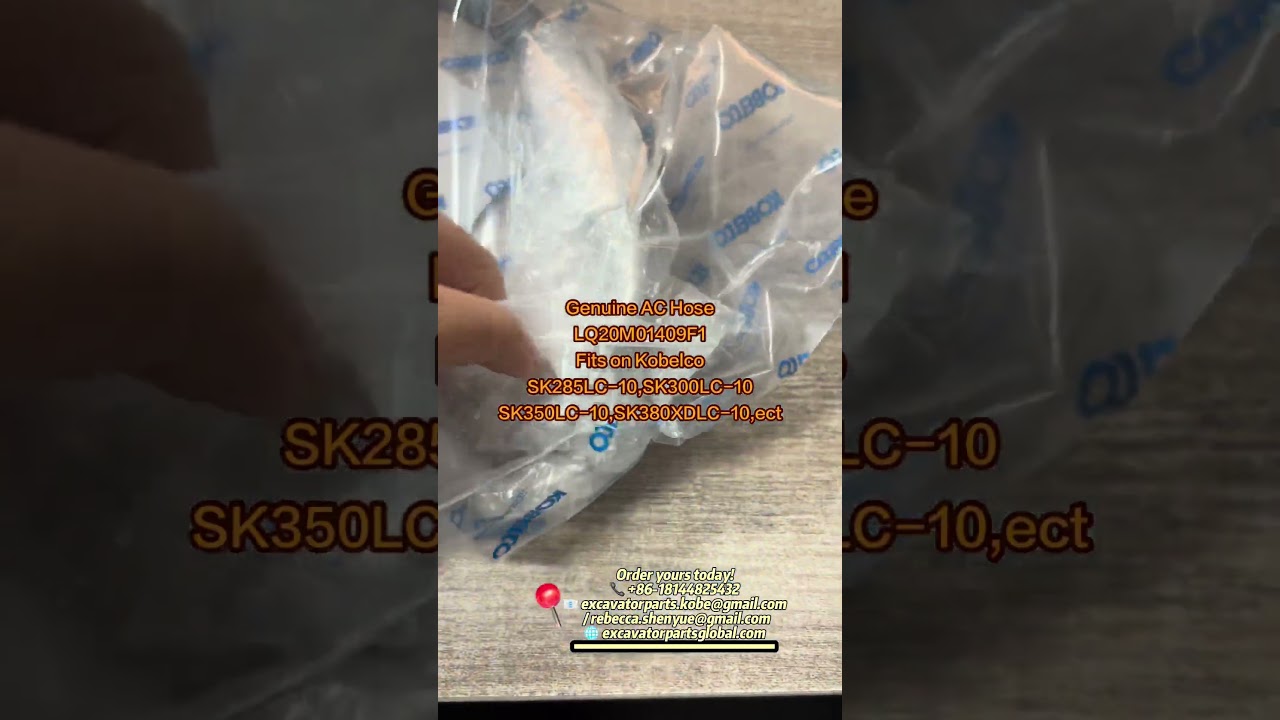
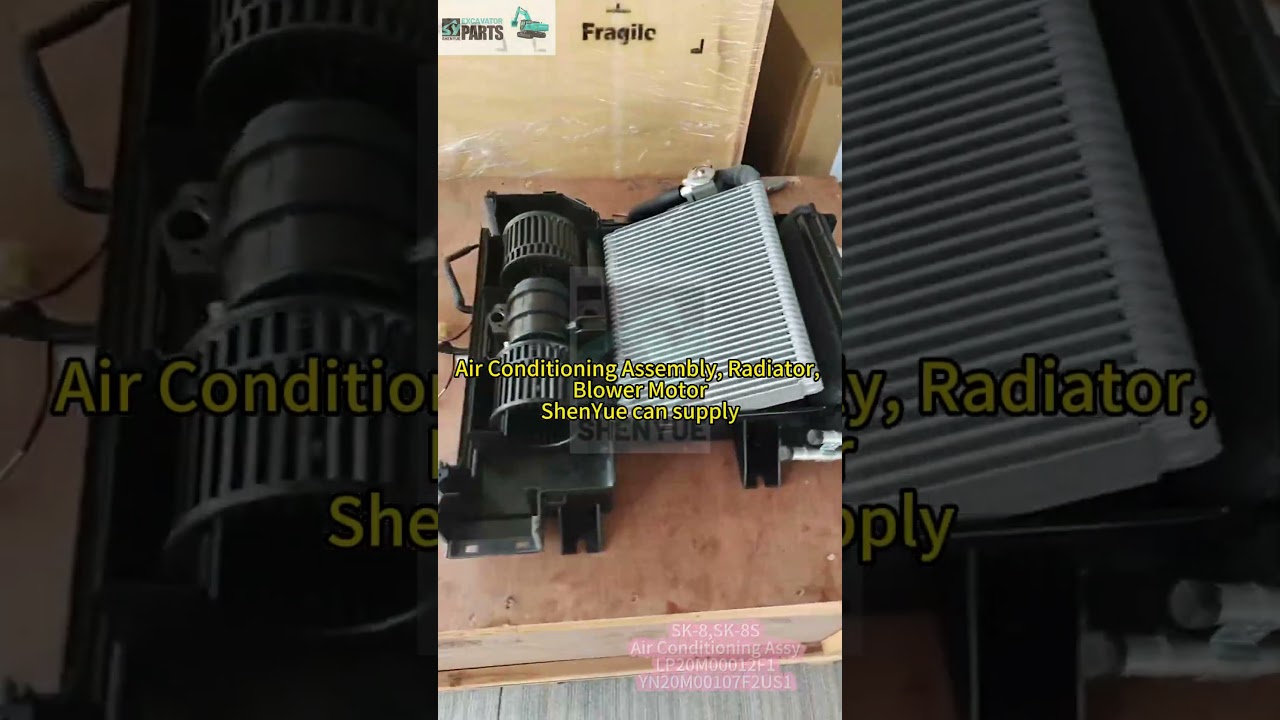
| No cold air from the cab | Gas charge, evaporator core dust, or compressor clutch. Check the charge and the core before the compressor. |
|---|
| Grease will not take at a pin | Blocked or stripped nipple. Renew it rather than forcing grease into a dry joint. |
|---|
Numbers we hold for this system
| Part number | Description | Notes |
|---|
| YN11P00034R100 | Air Filter Element | Air filter element, SK200-8 class |
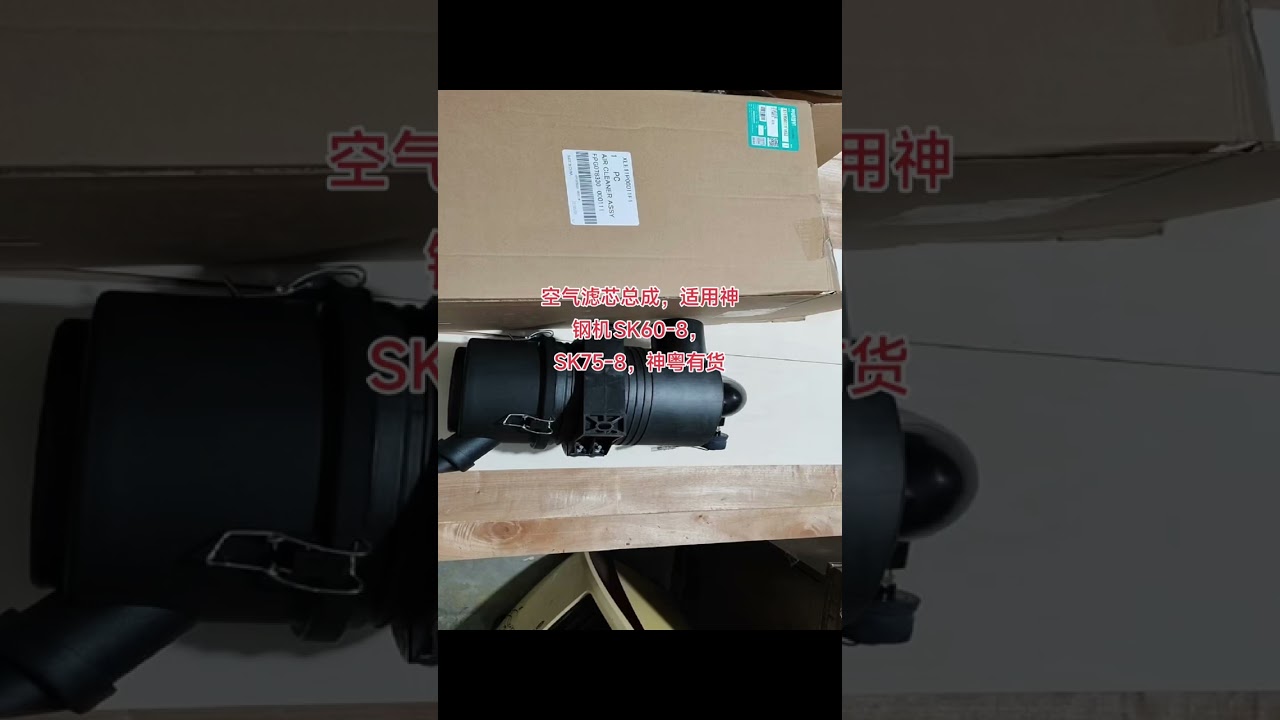
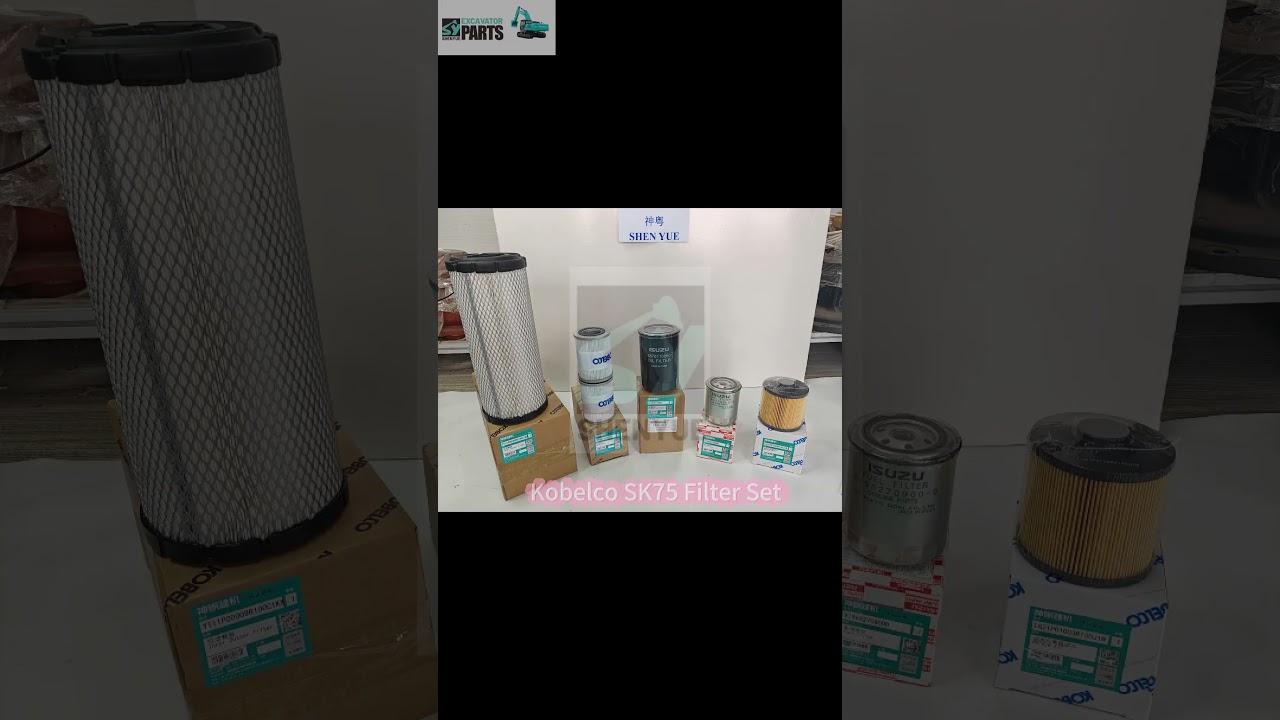
| LE11P00011F1KG3 | Air Filter Assembly | Air filter assembly, SK60-8 / SK75-8 |
| VH23390E0020J1L | Fuel Filter | Fuel filter element, SK200 class |
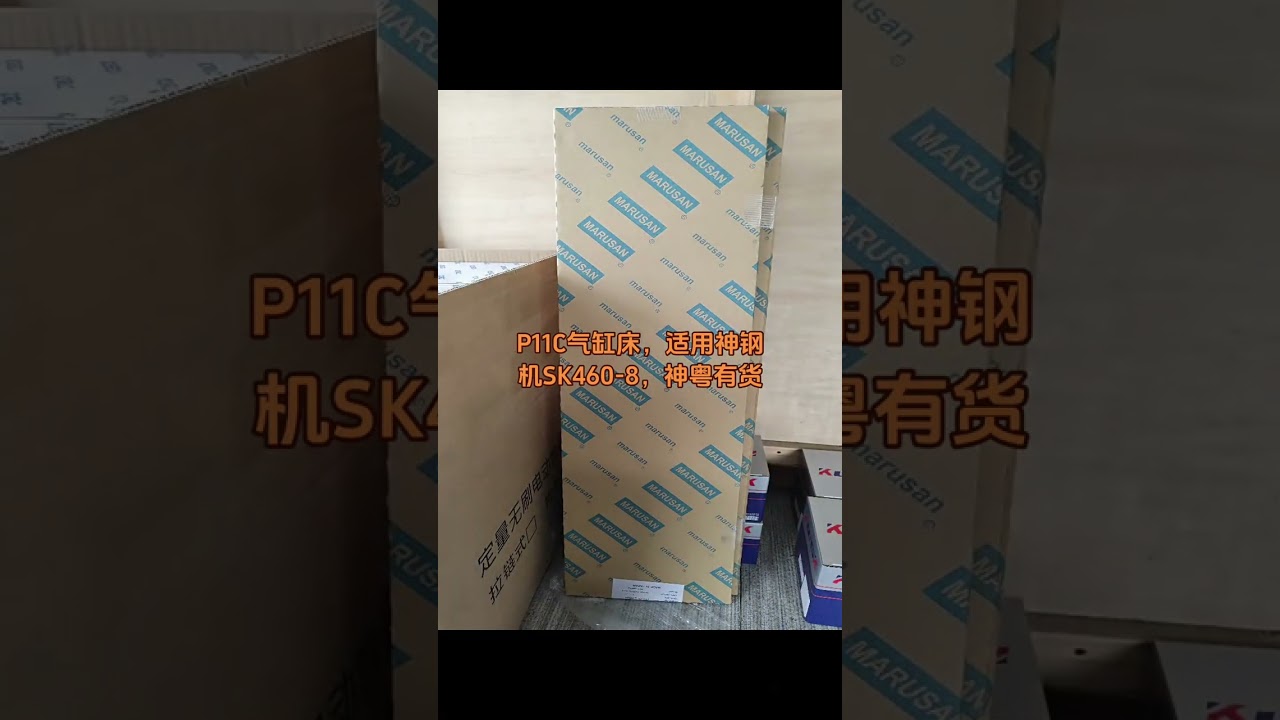
| VHS234011640J1M | Fuel Filter | Fuel filter element, P11C / SK460-8 |
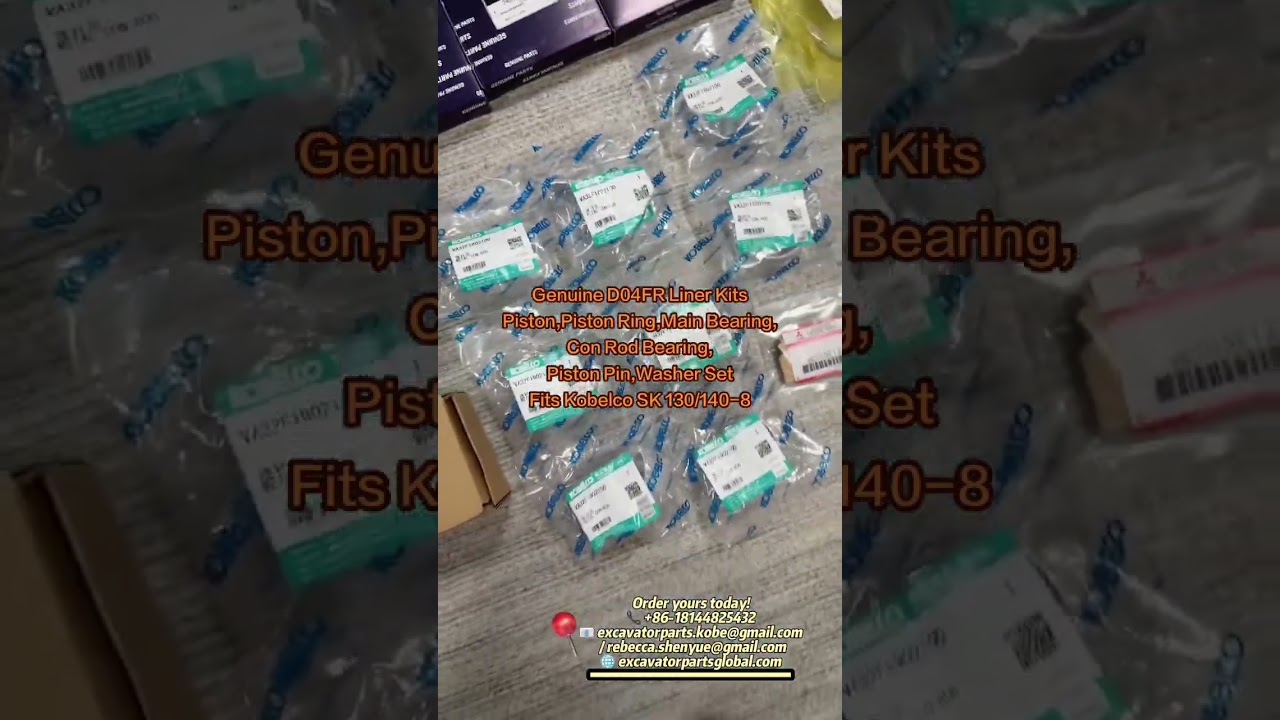
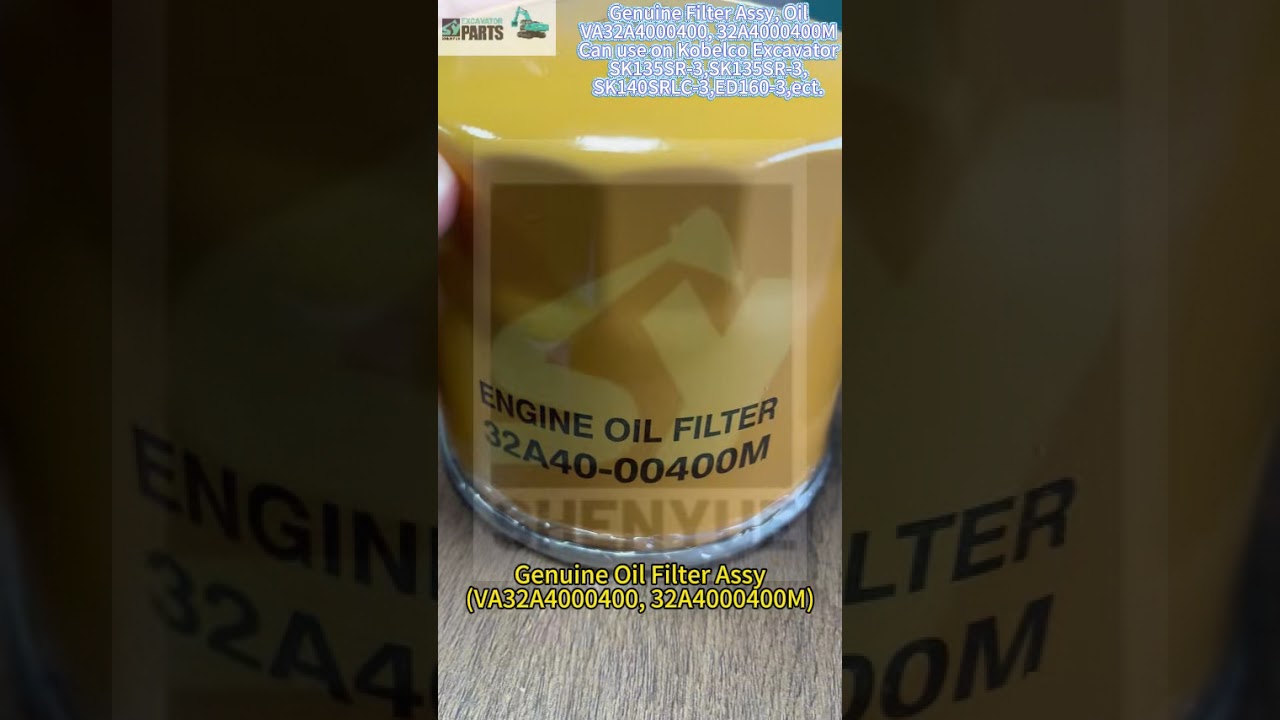
| VA32G4001100J1J | Oil Filter | Engine oil filter, D04FR |
| VH15601E0070J2M | Oil Filter | Engine oil filter, SK460-8 class |
| YN05P00088S032J | Radiator Pressure Cap | Radiator pressure cap |
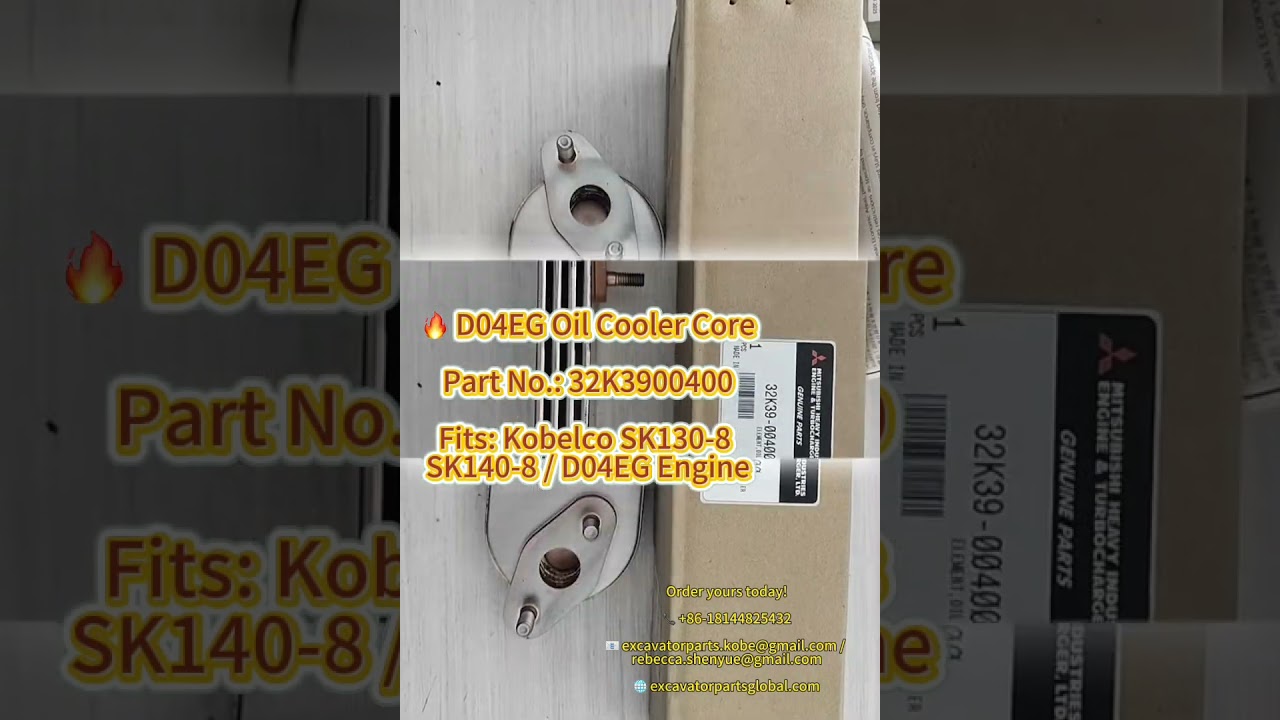
| VA3433903100 | Oil Cooler Core | Oil cooler core, D06FR |
Who You Are Buying From
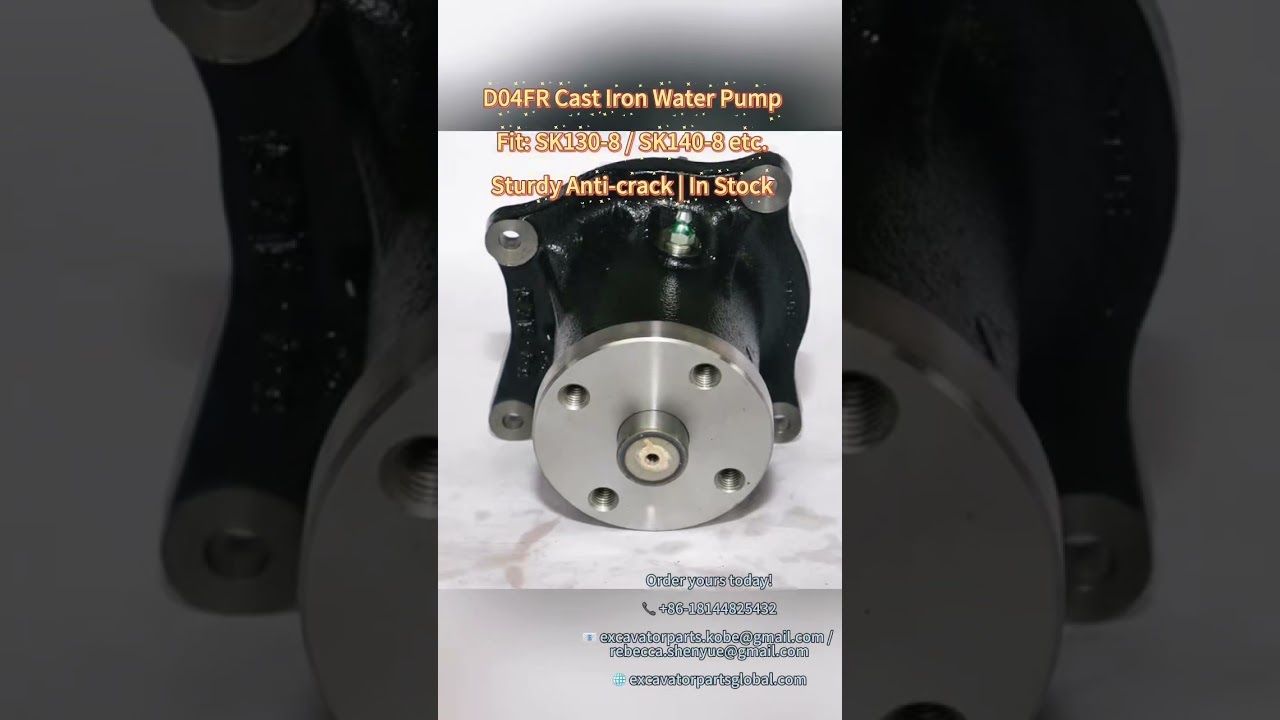
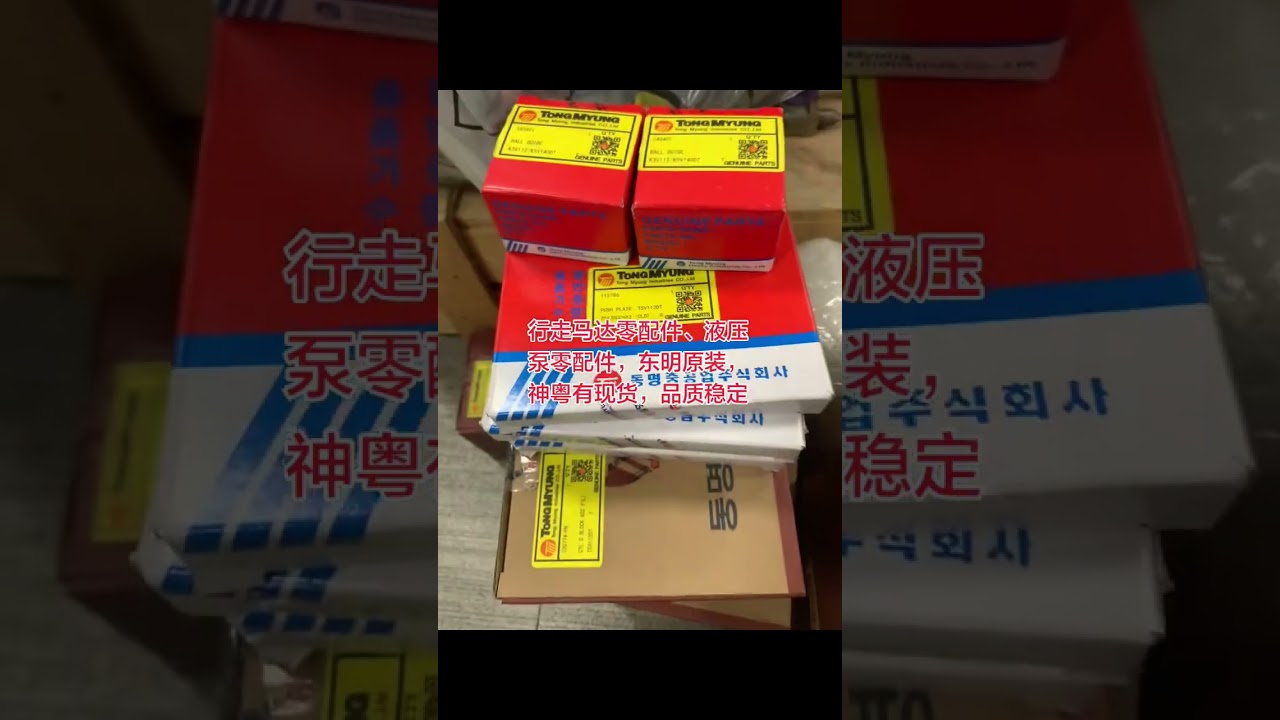
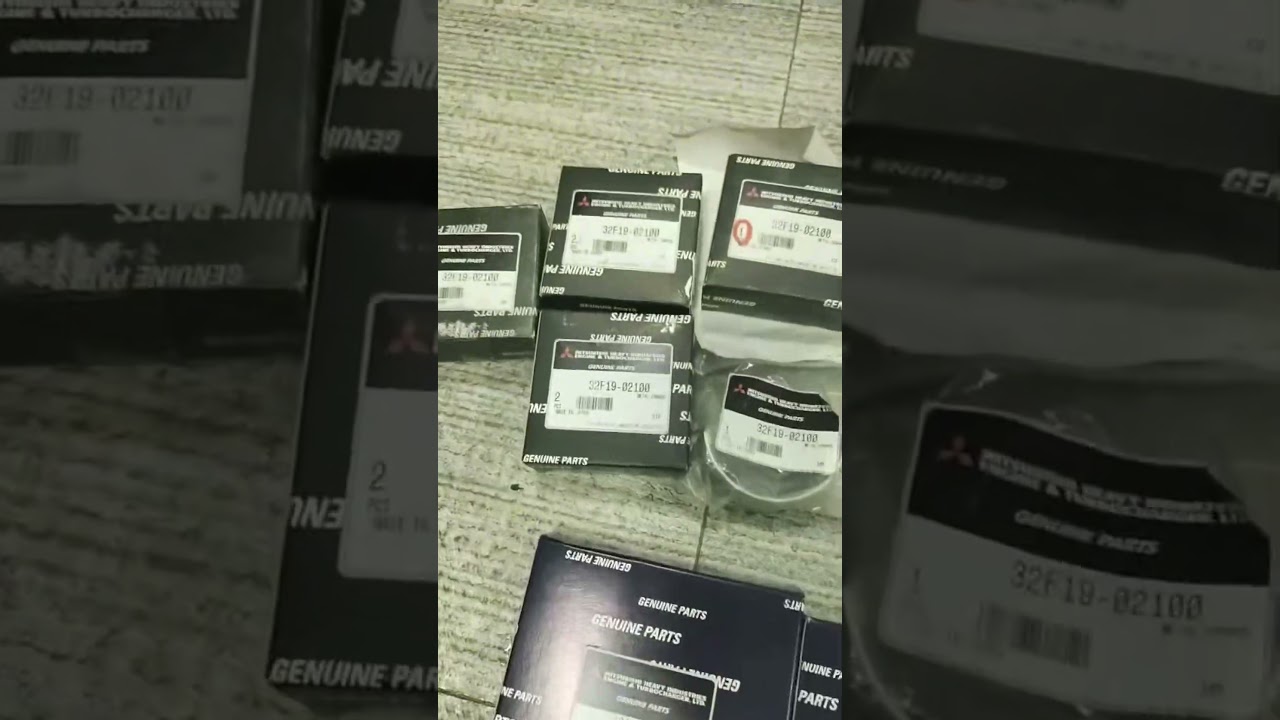
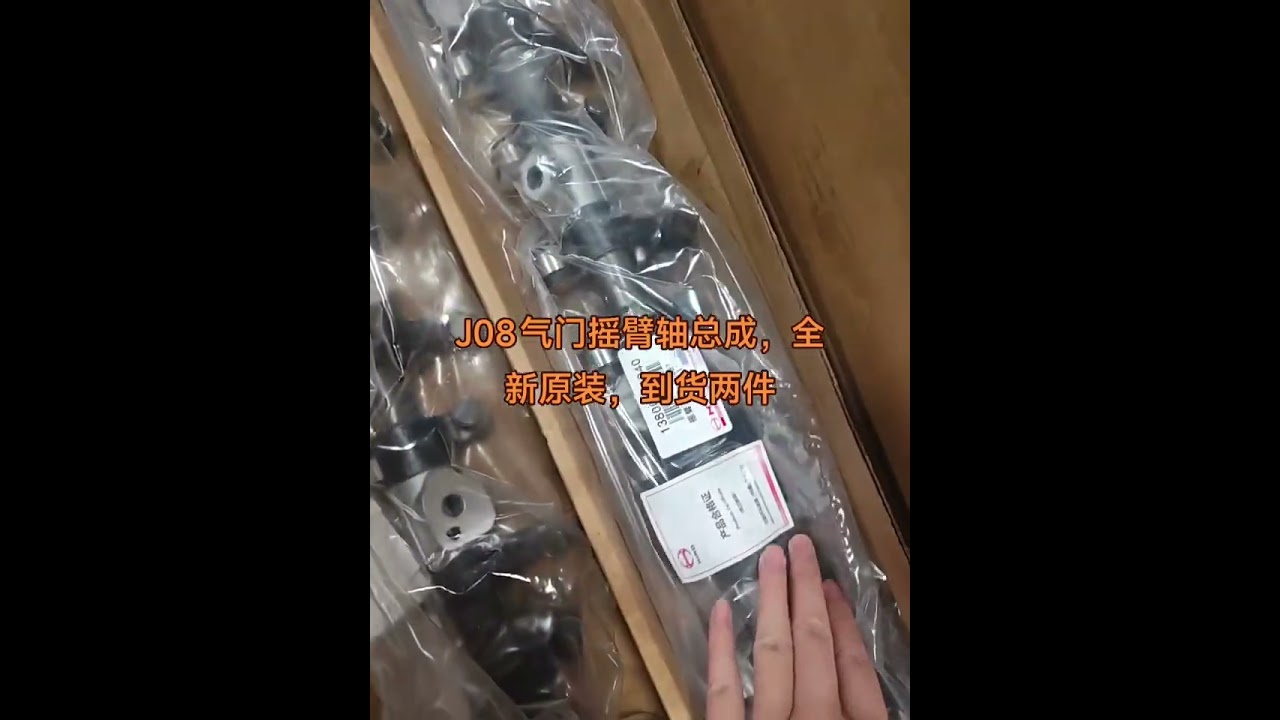
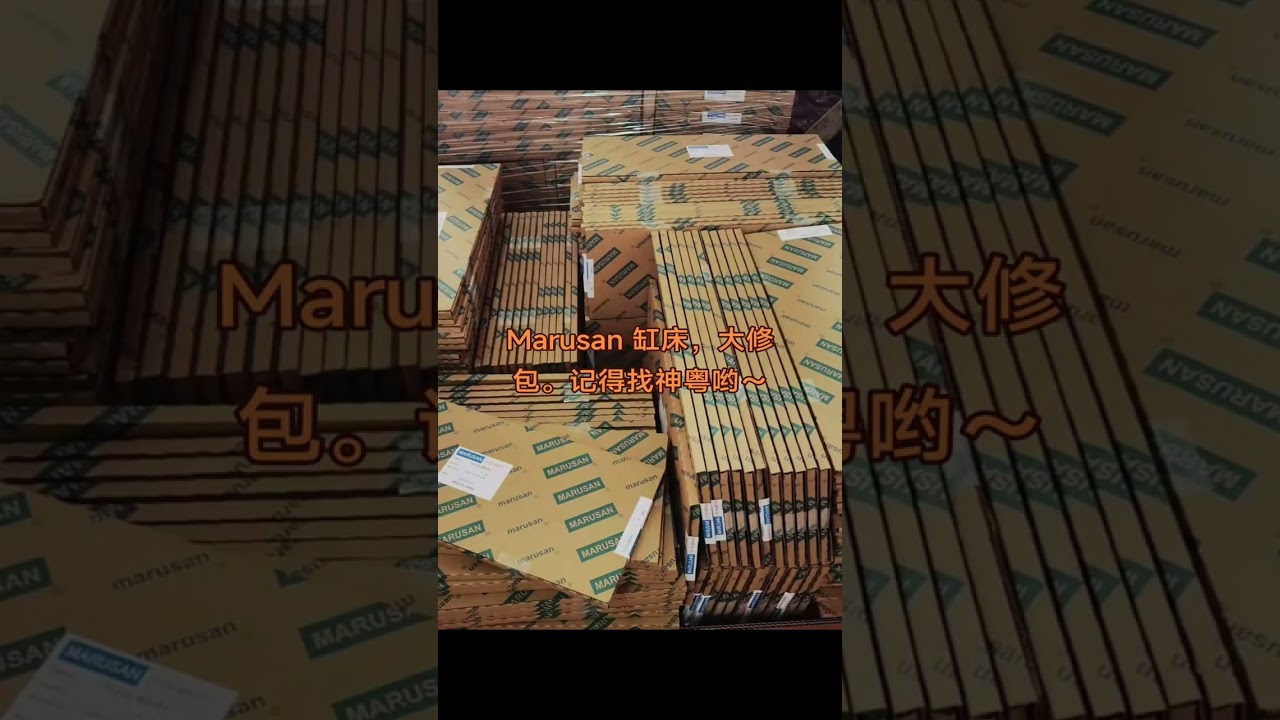
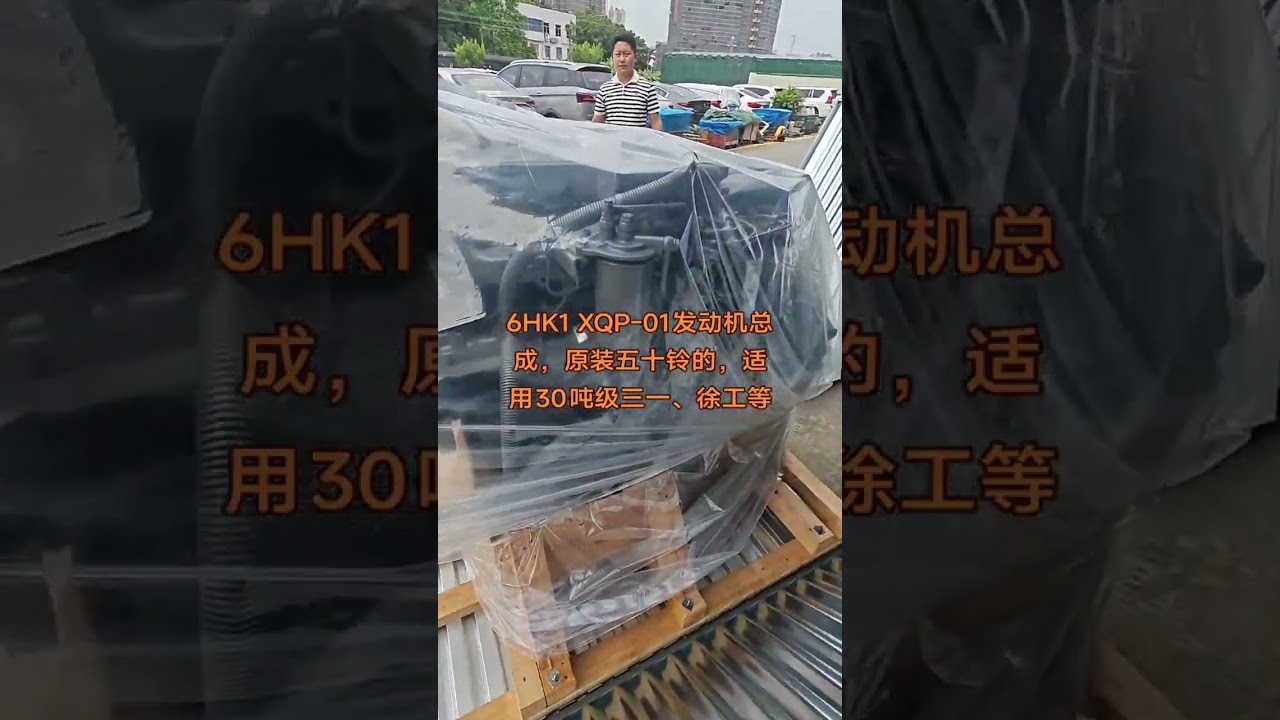
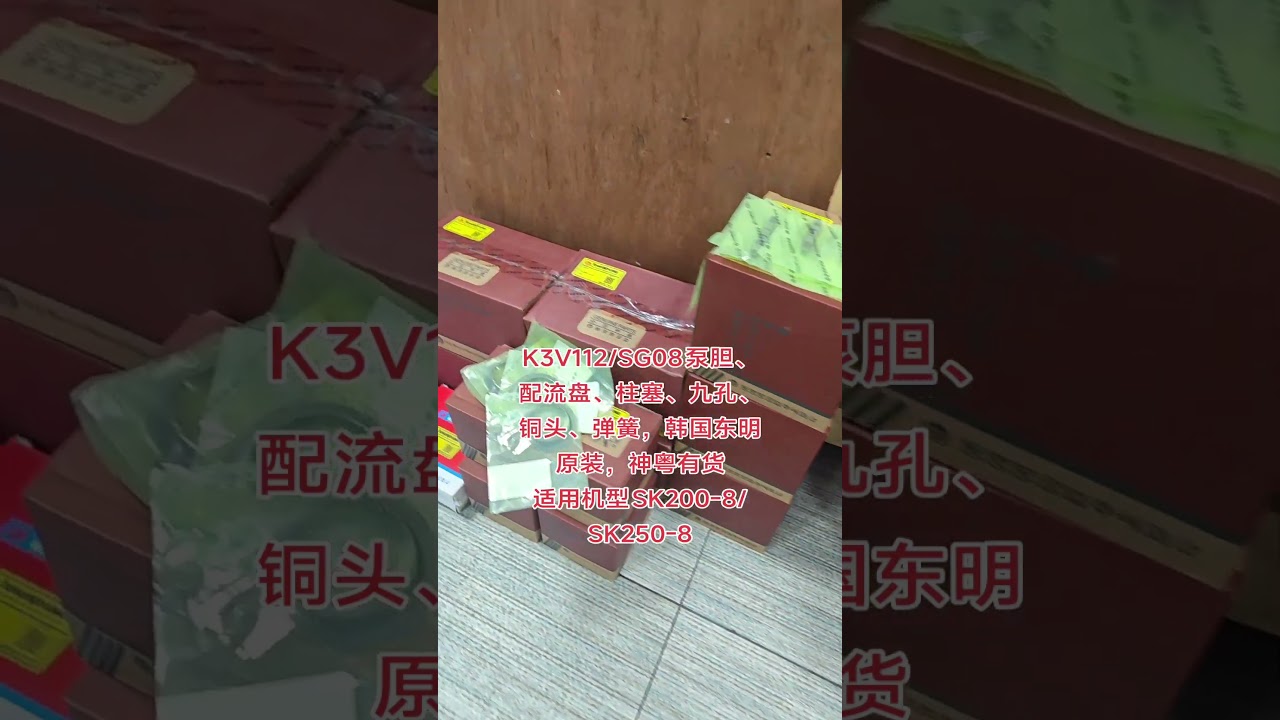
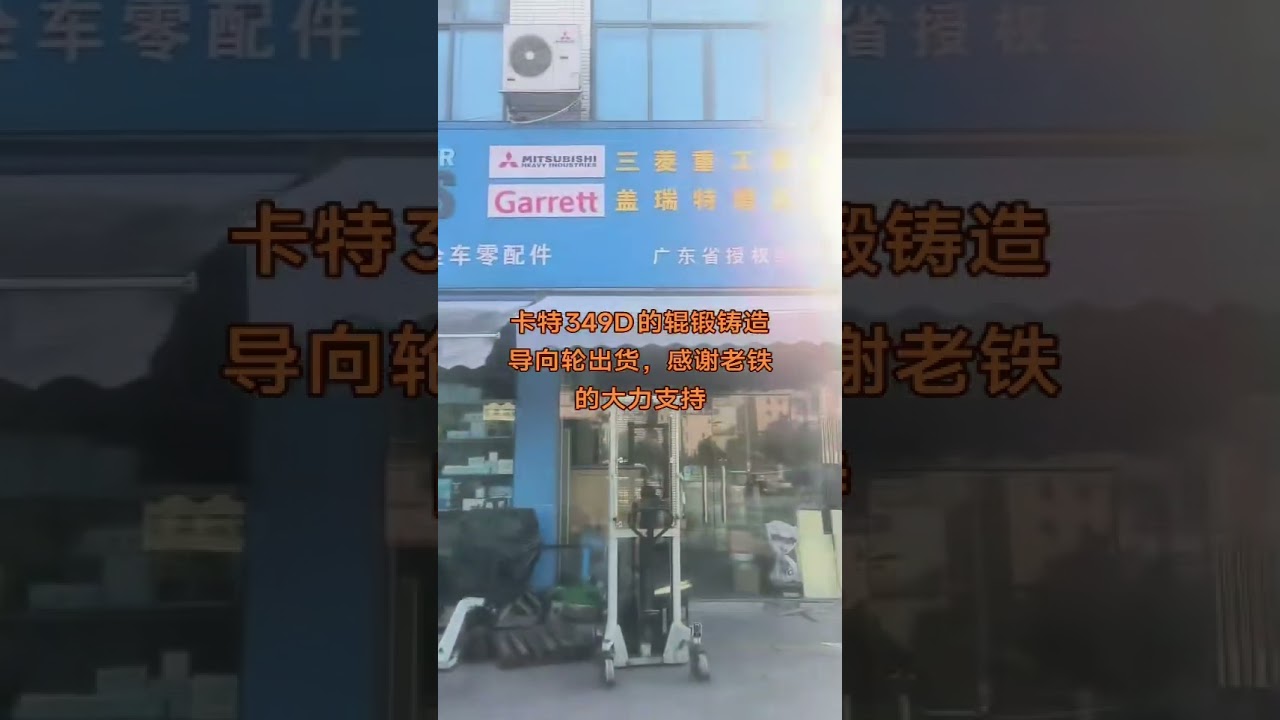
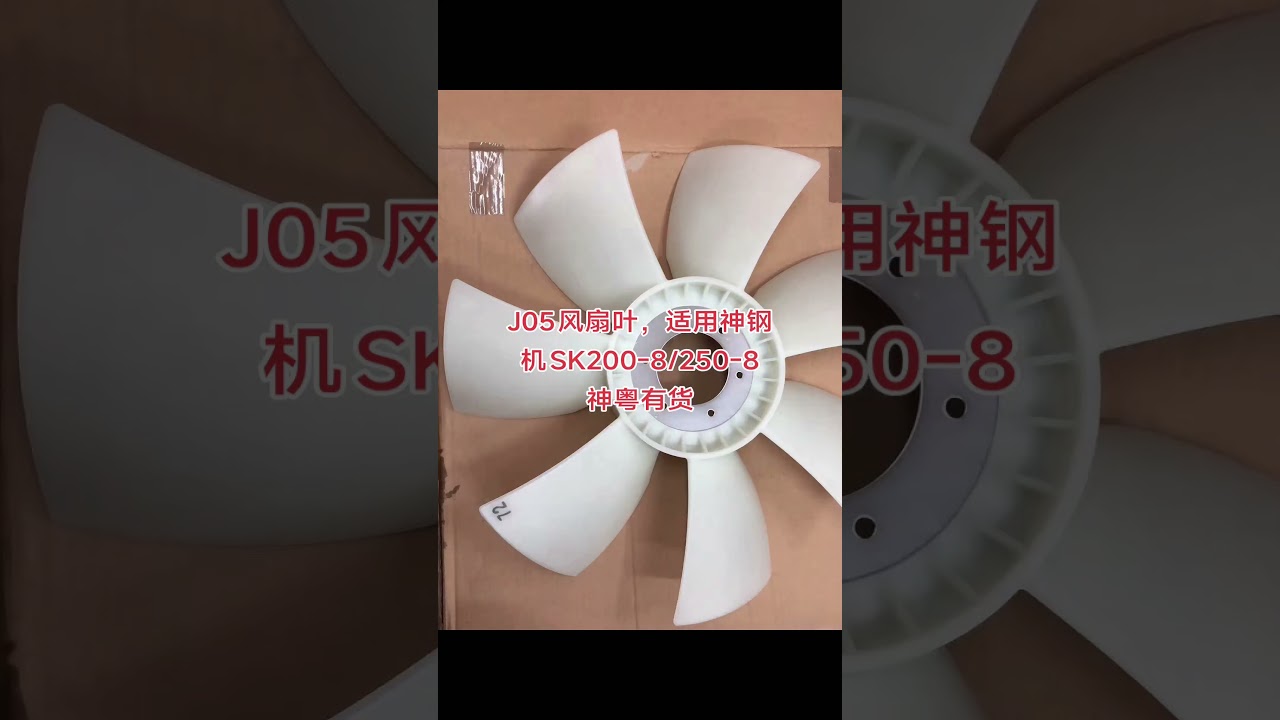
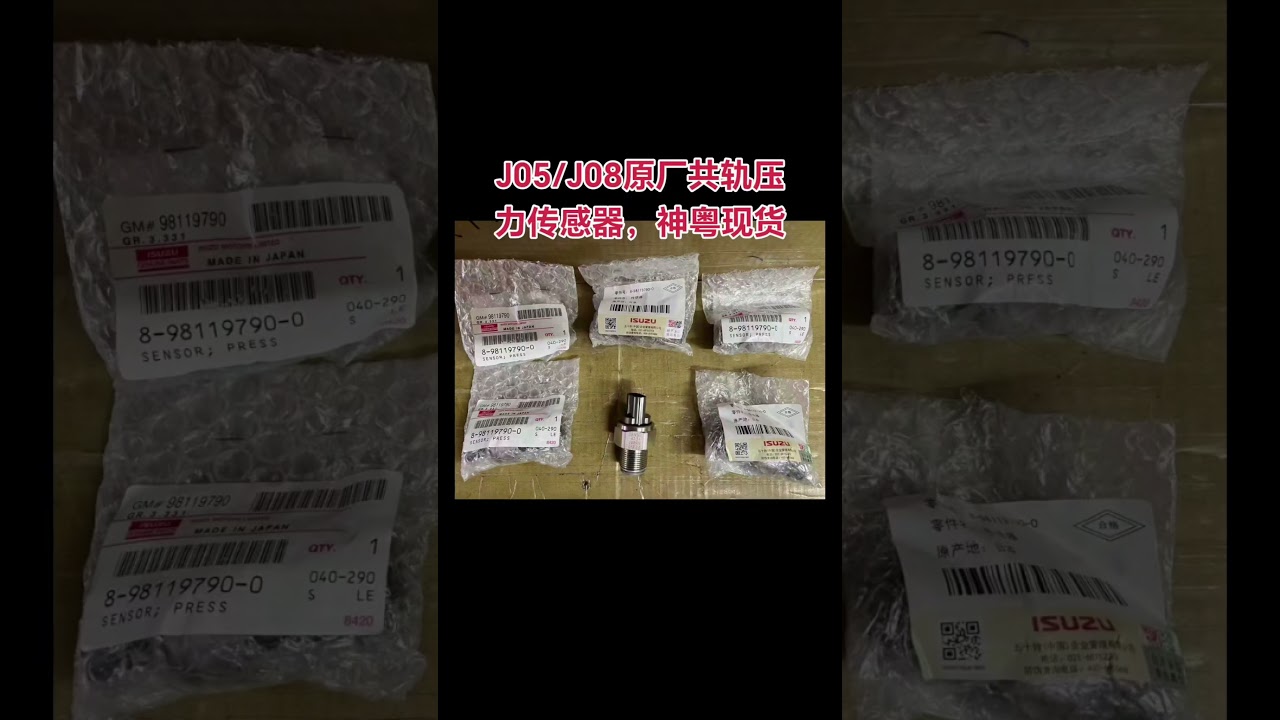
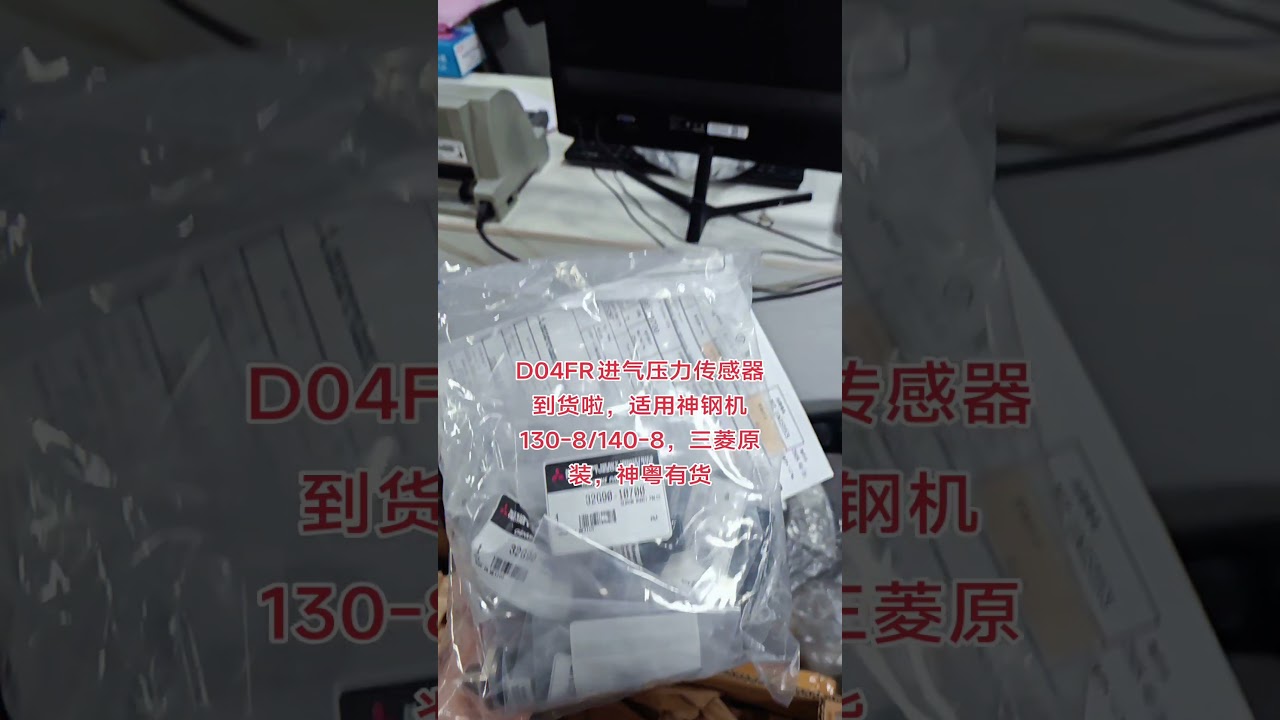
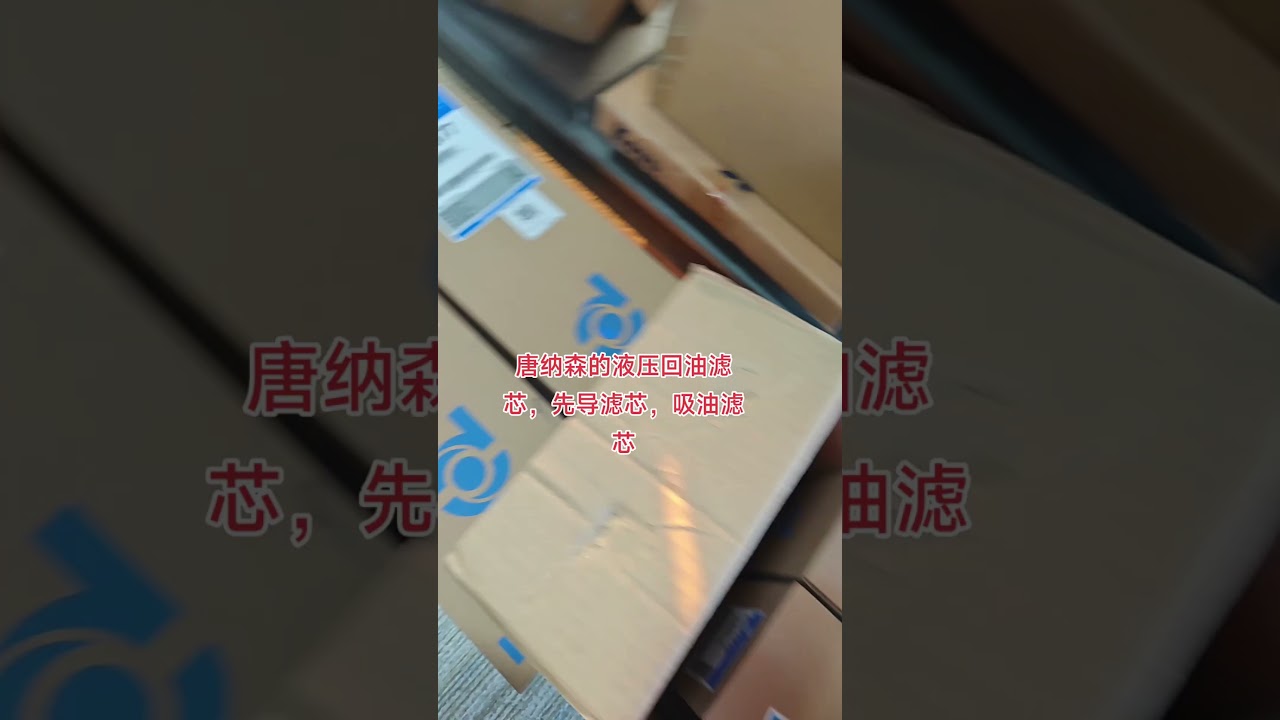
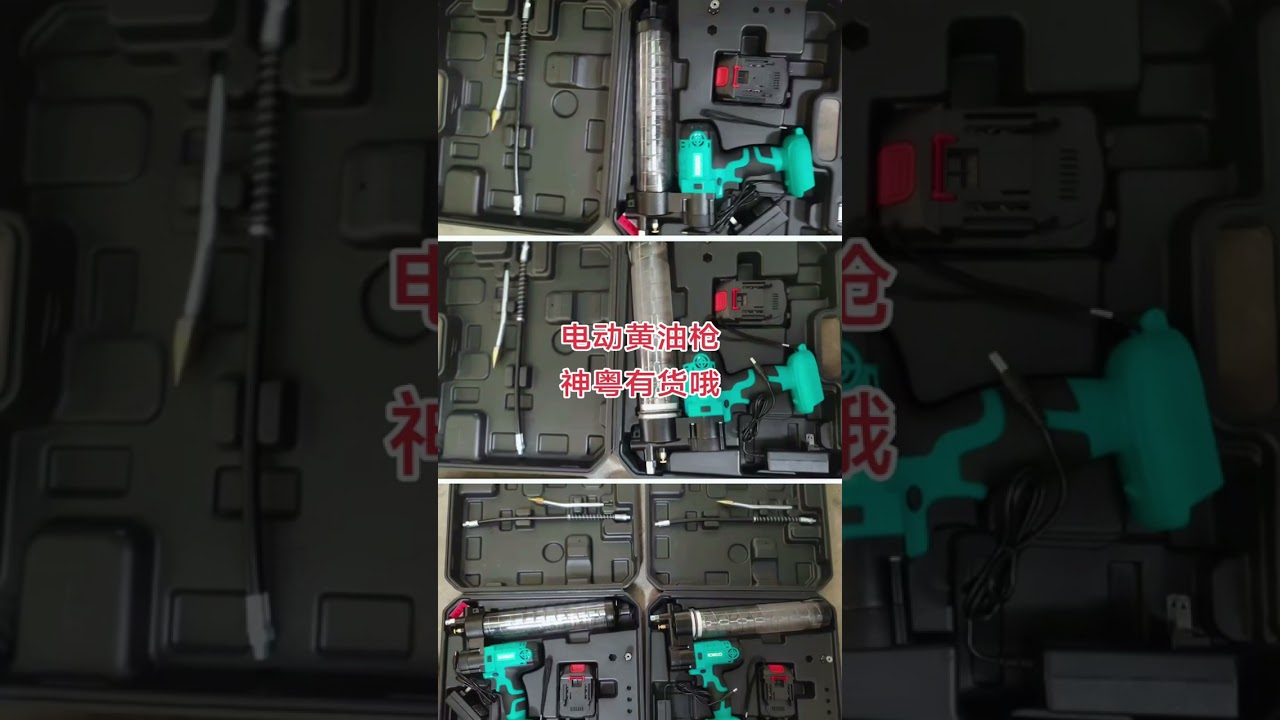
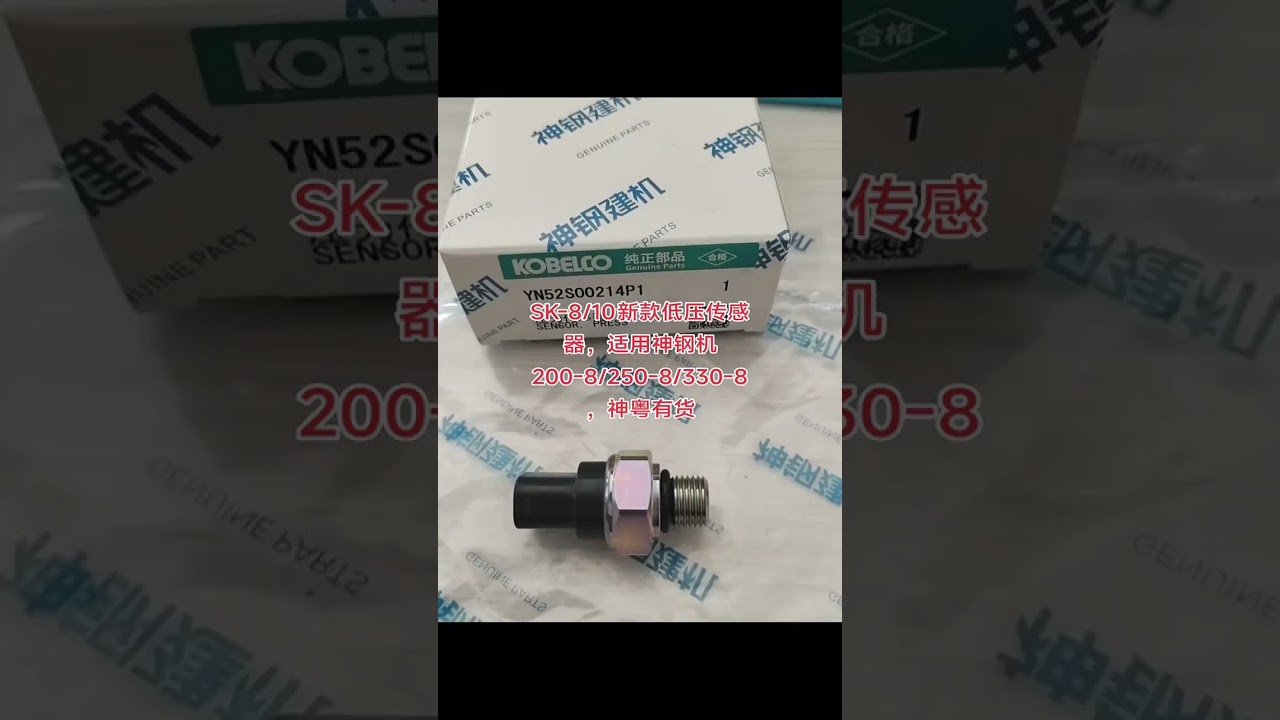
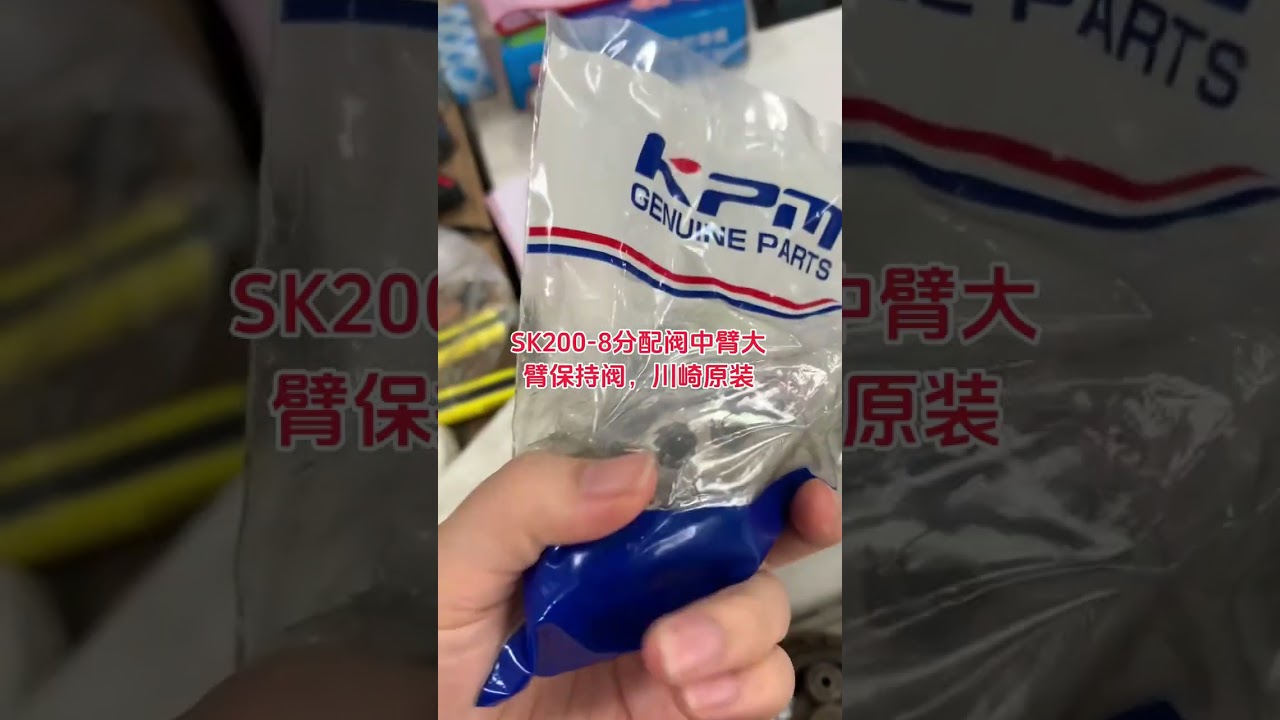
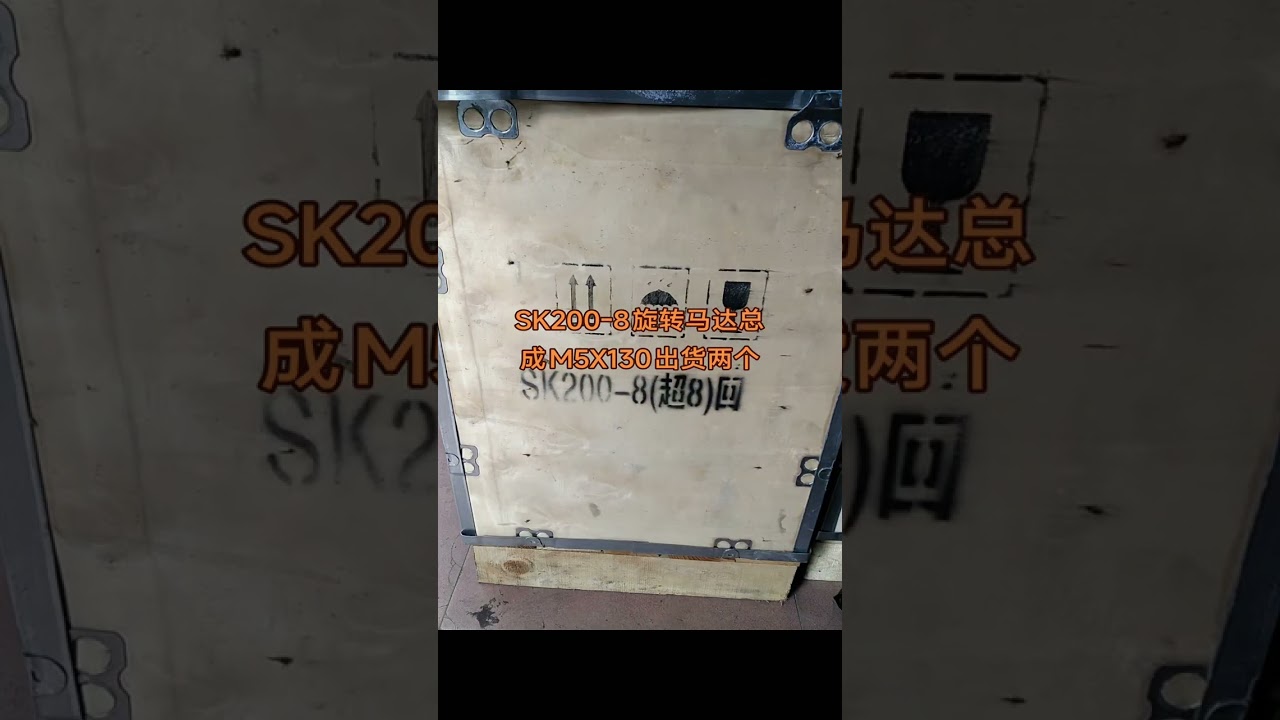
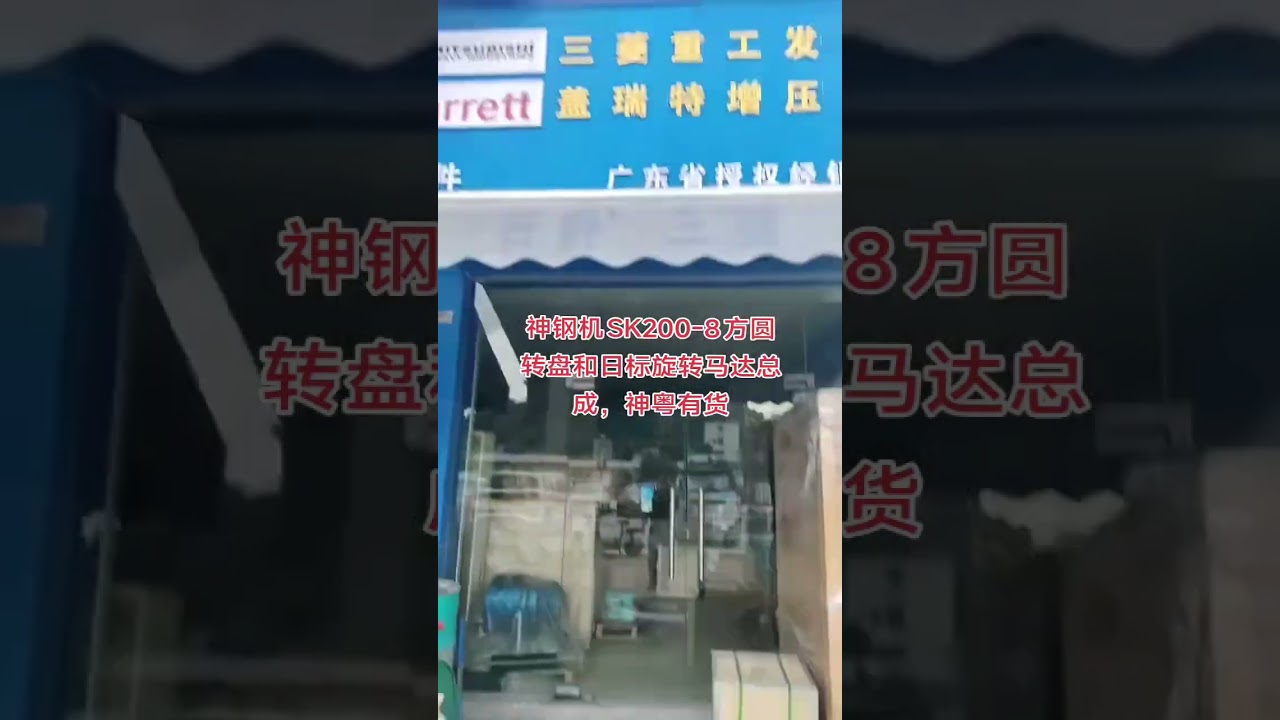
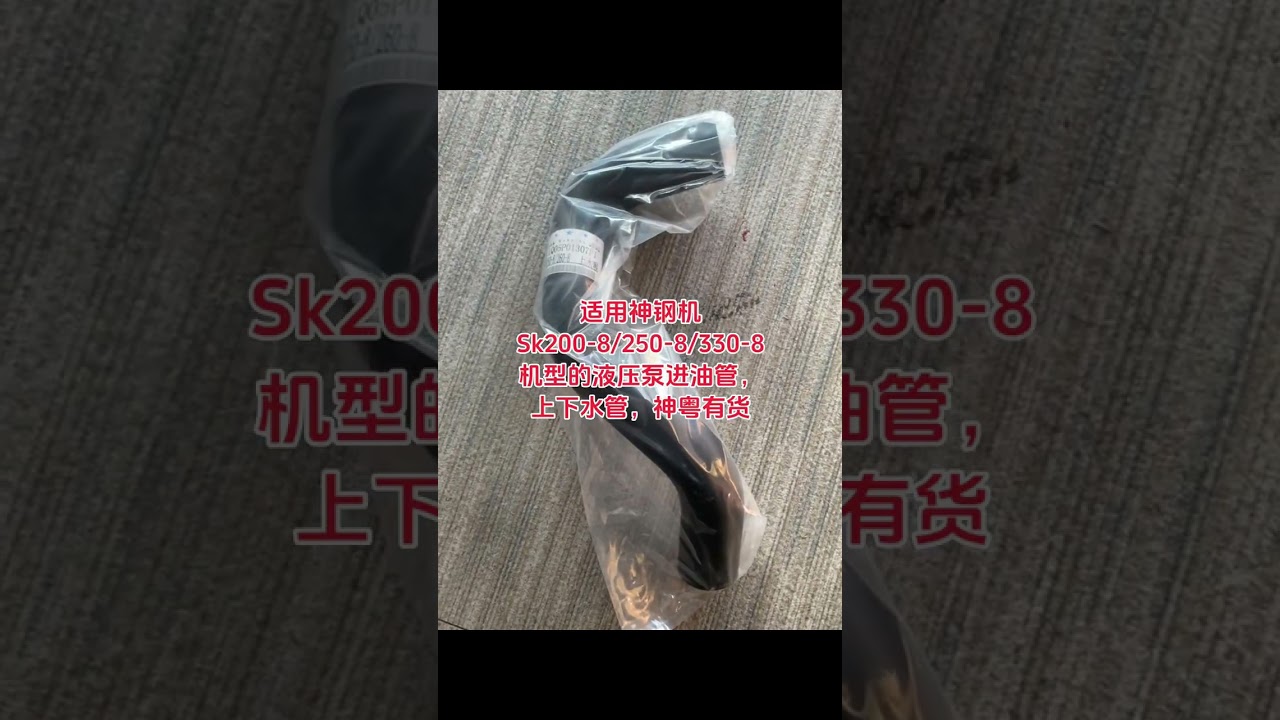
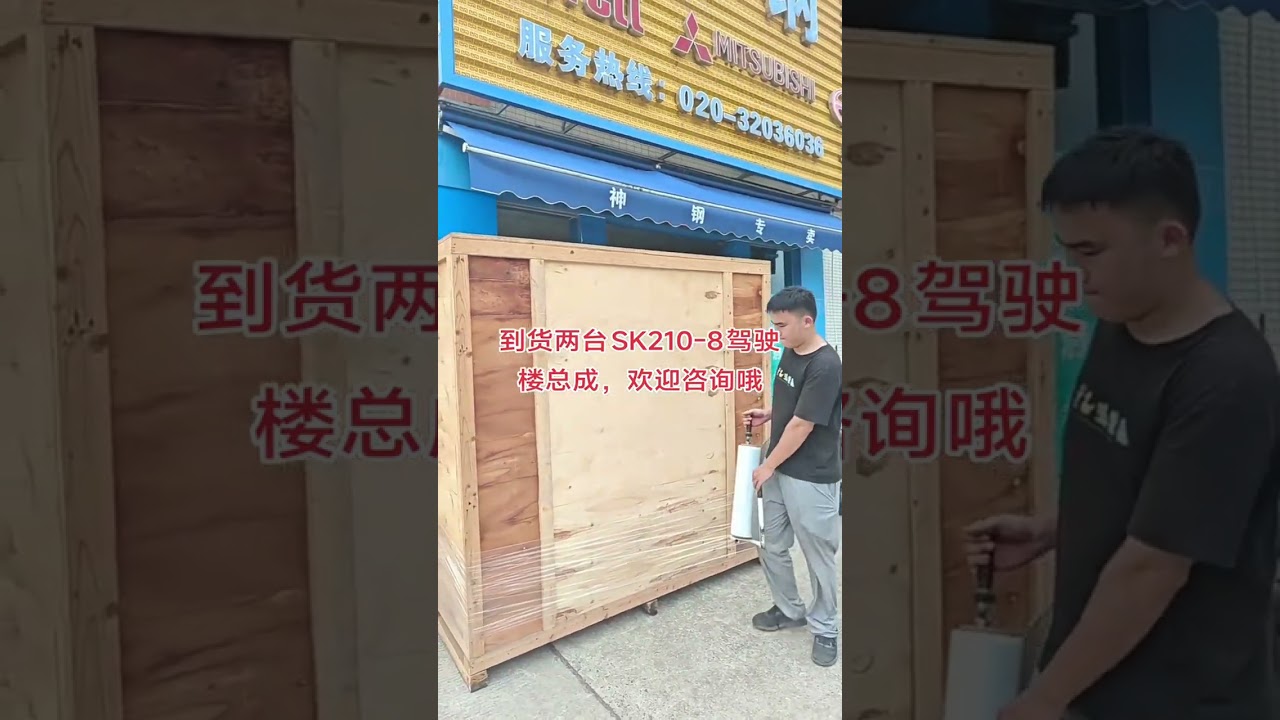
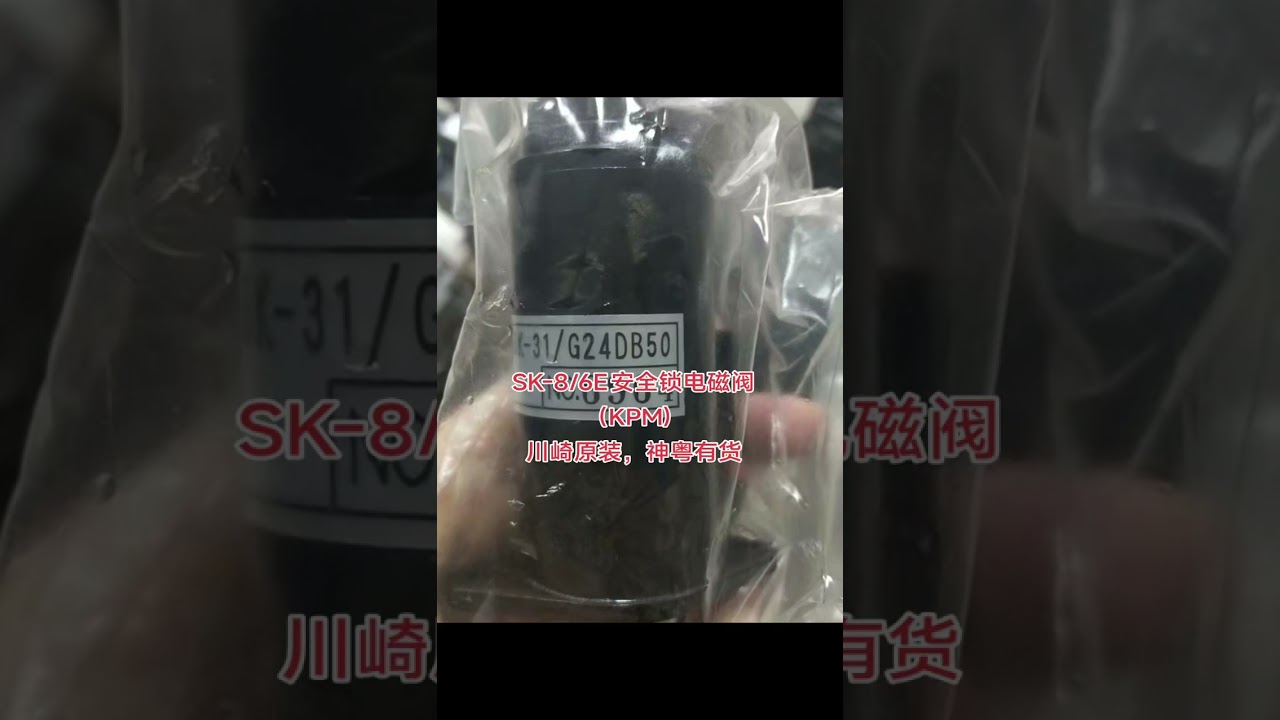
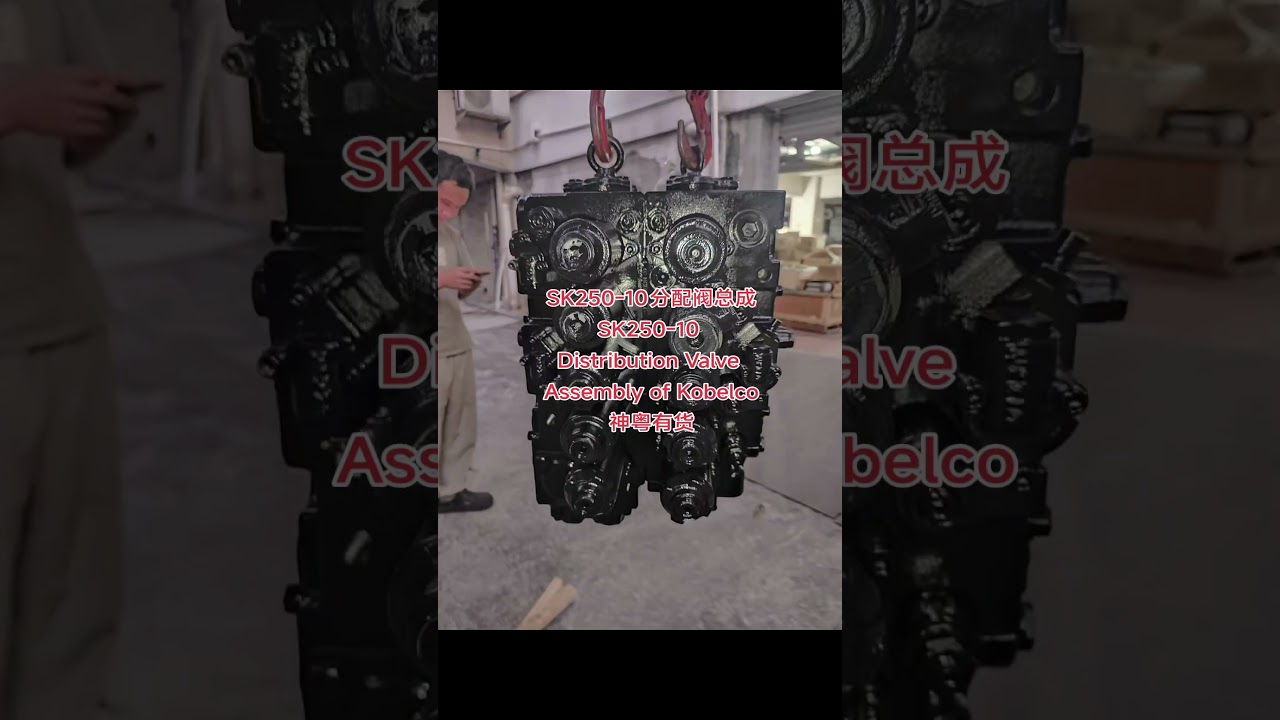
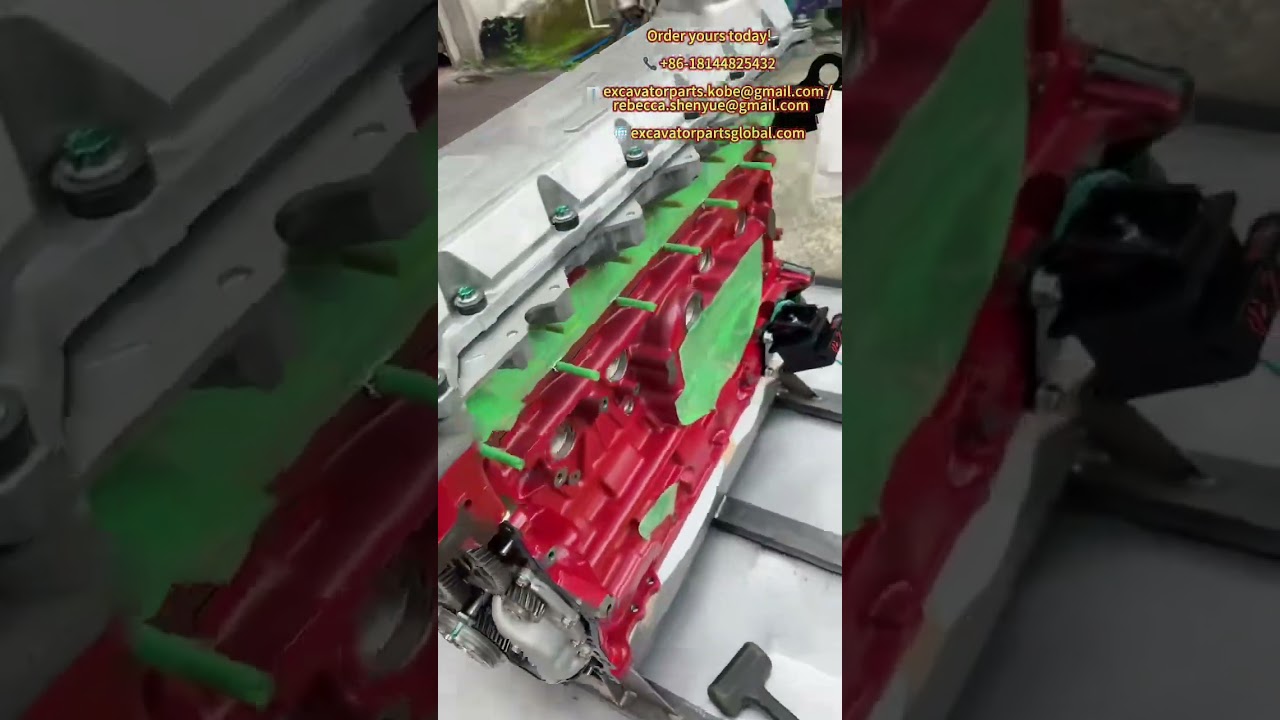
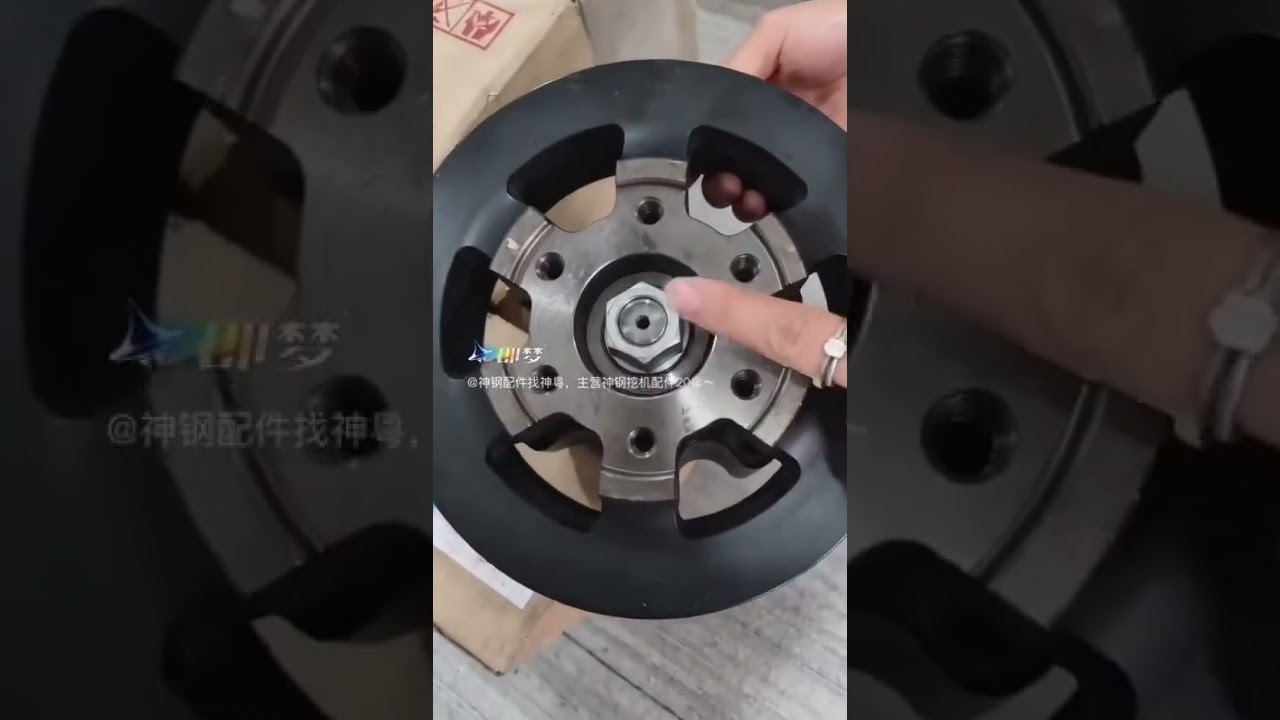
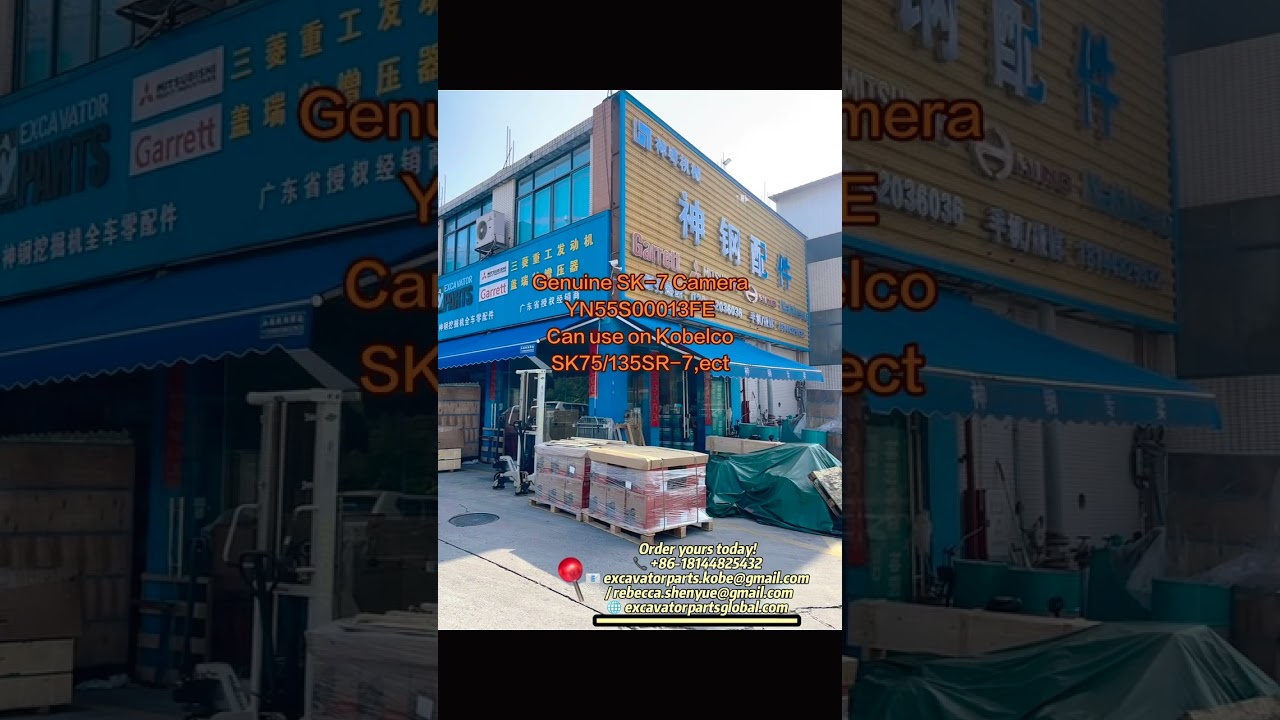
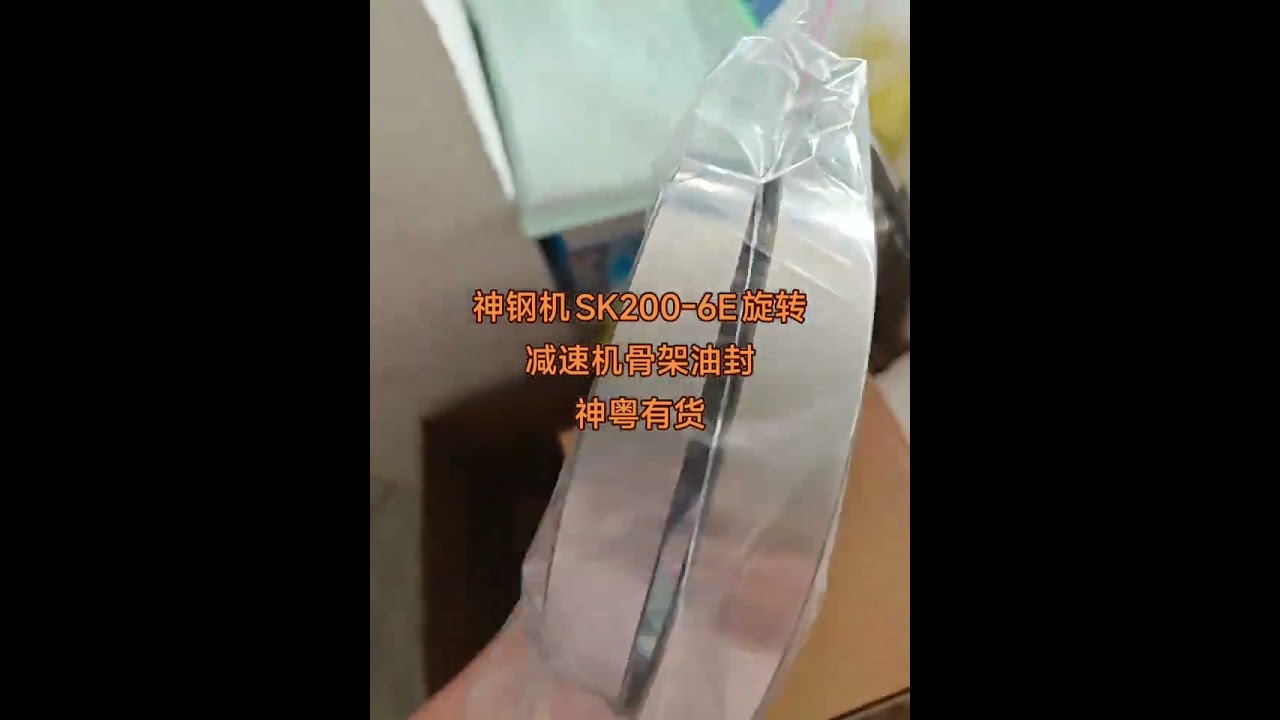
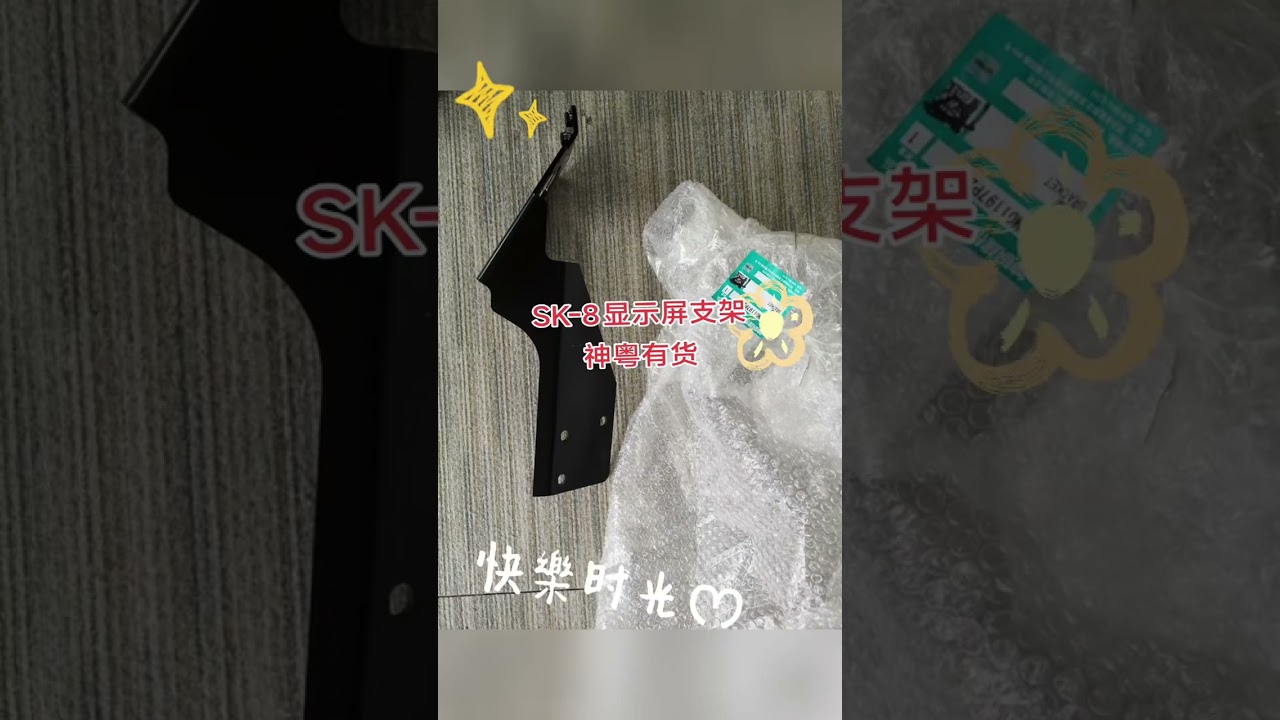
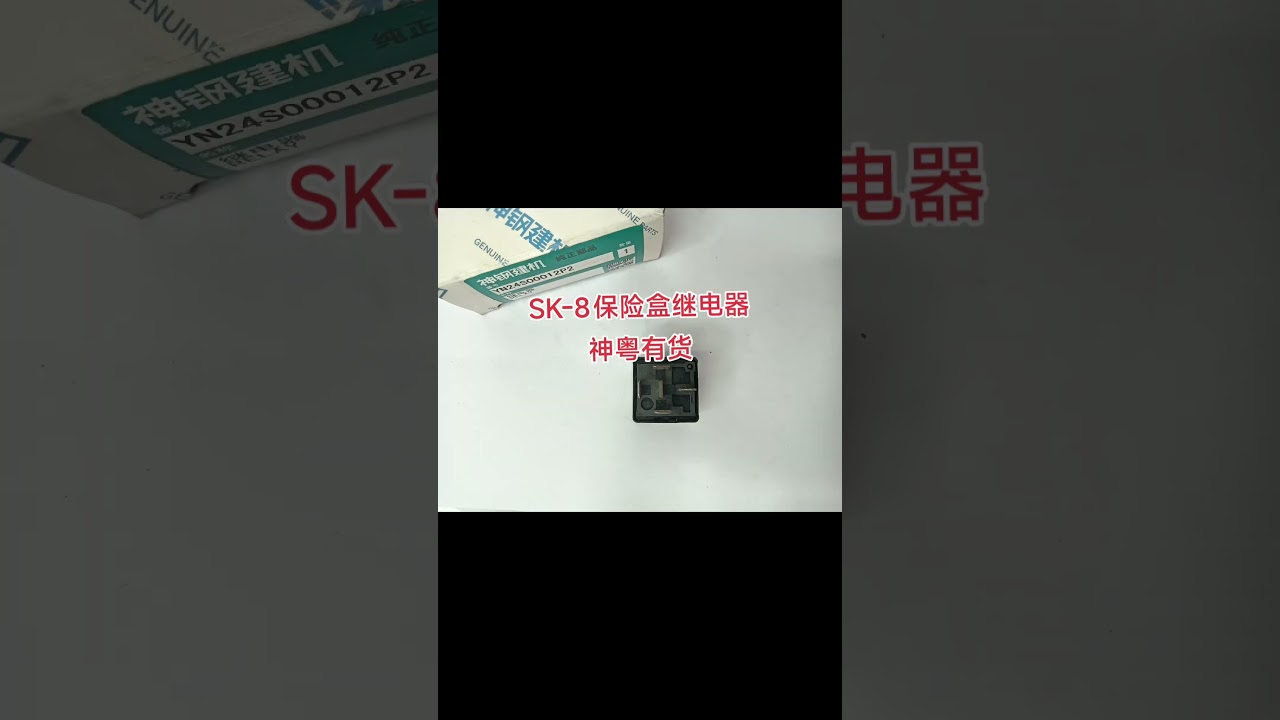
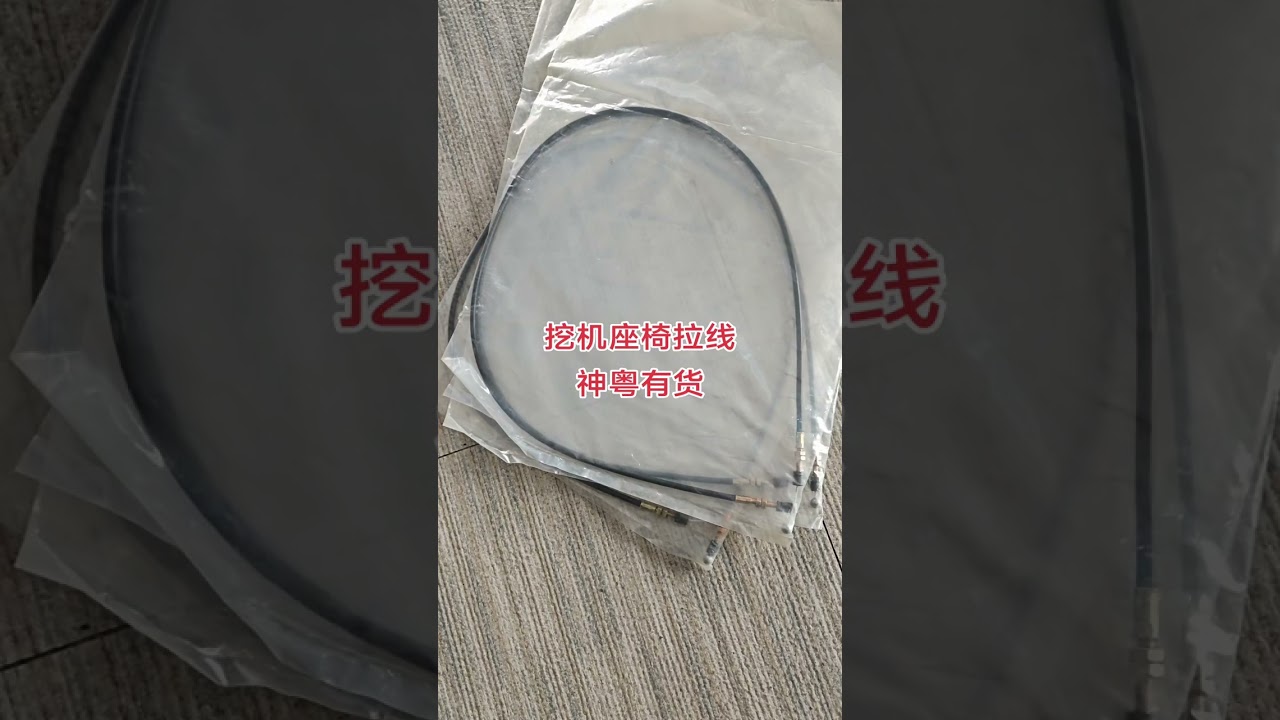
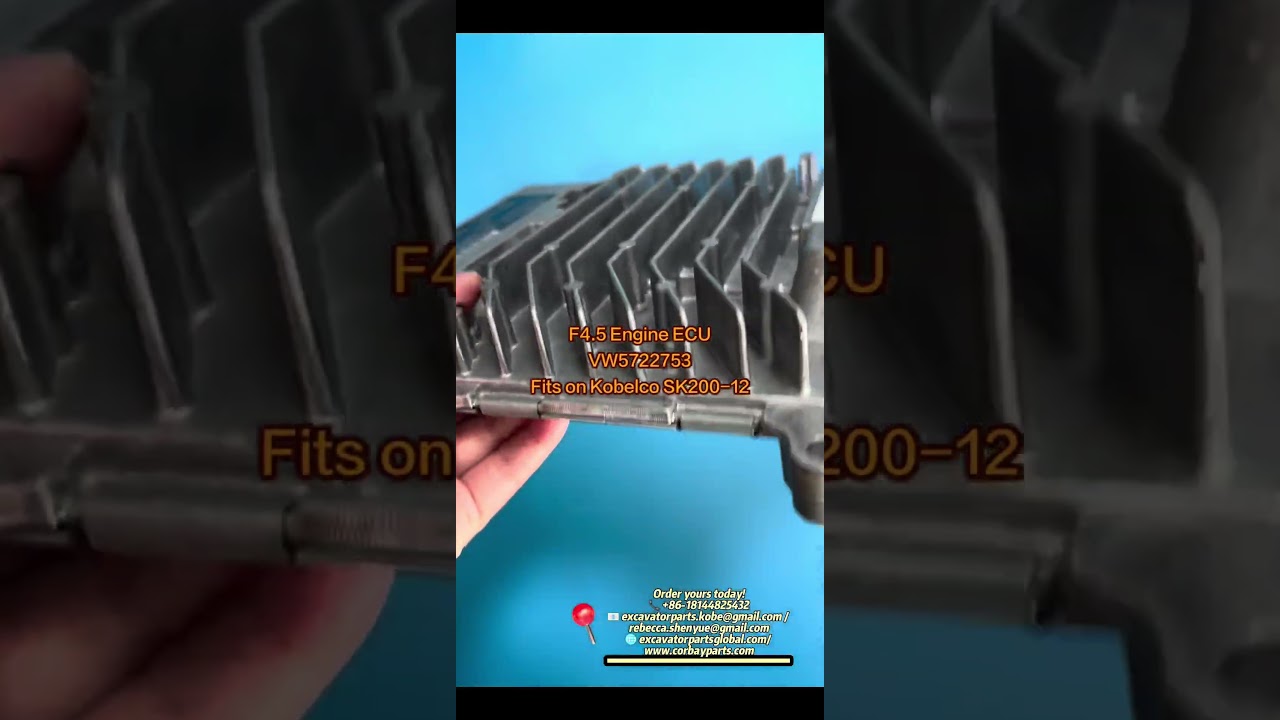
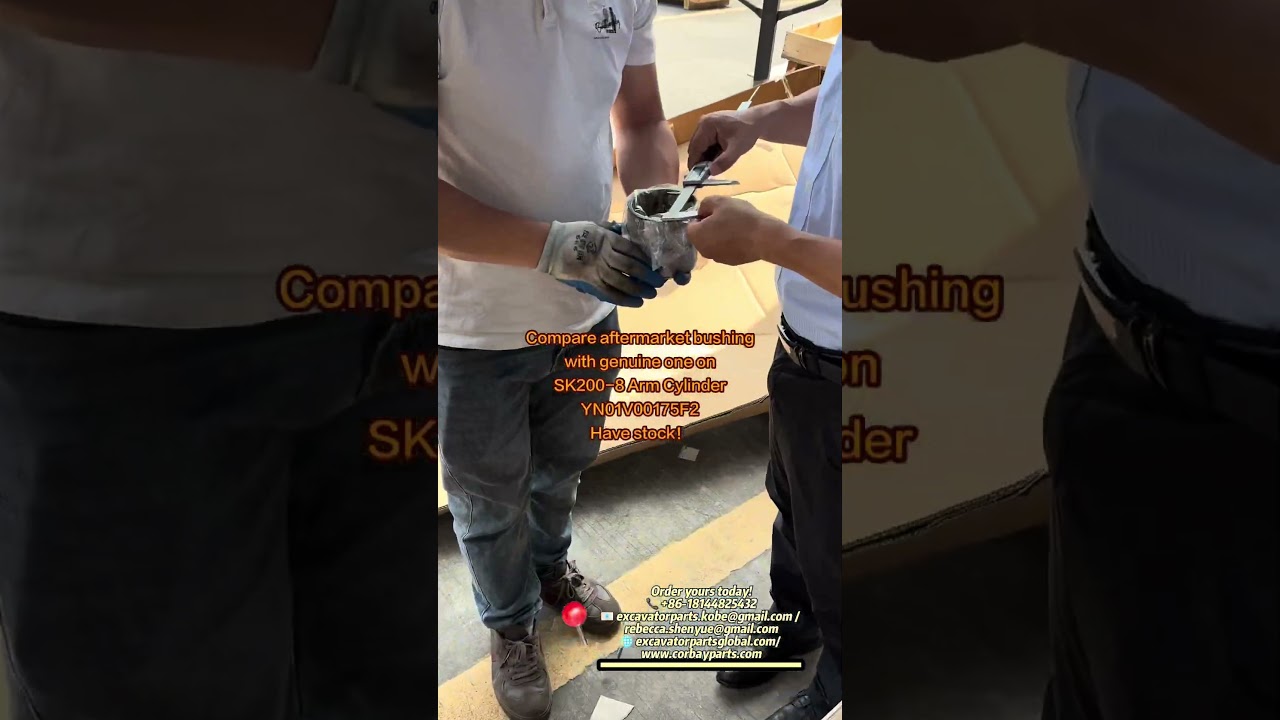
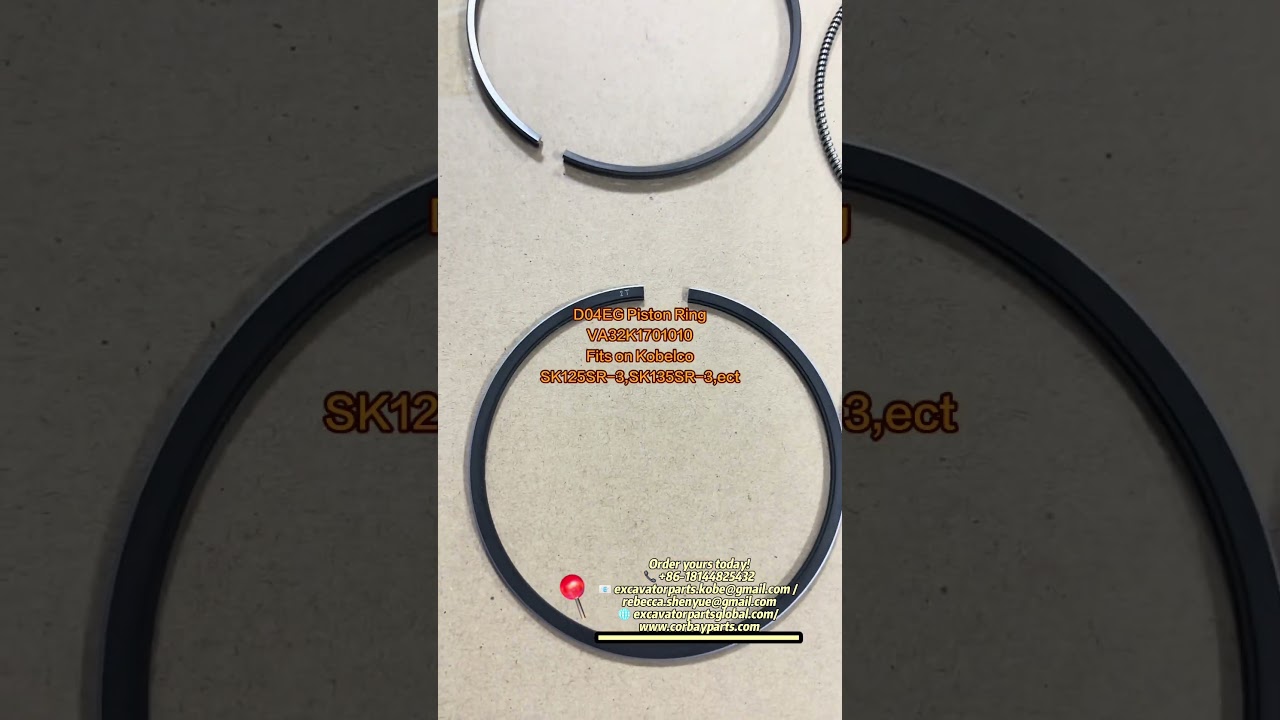
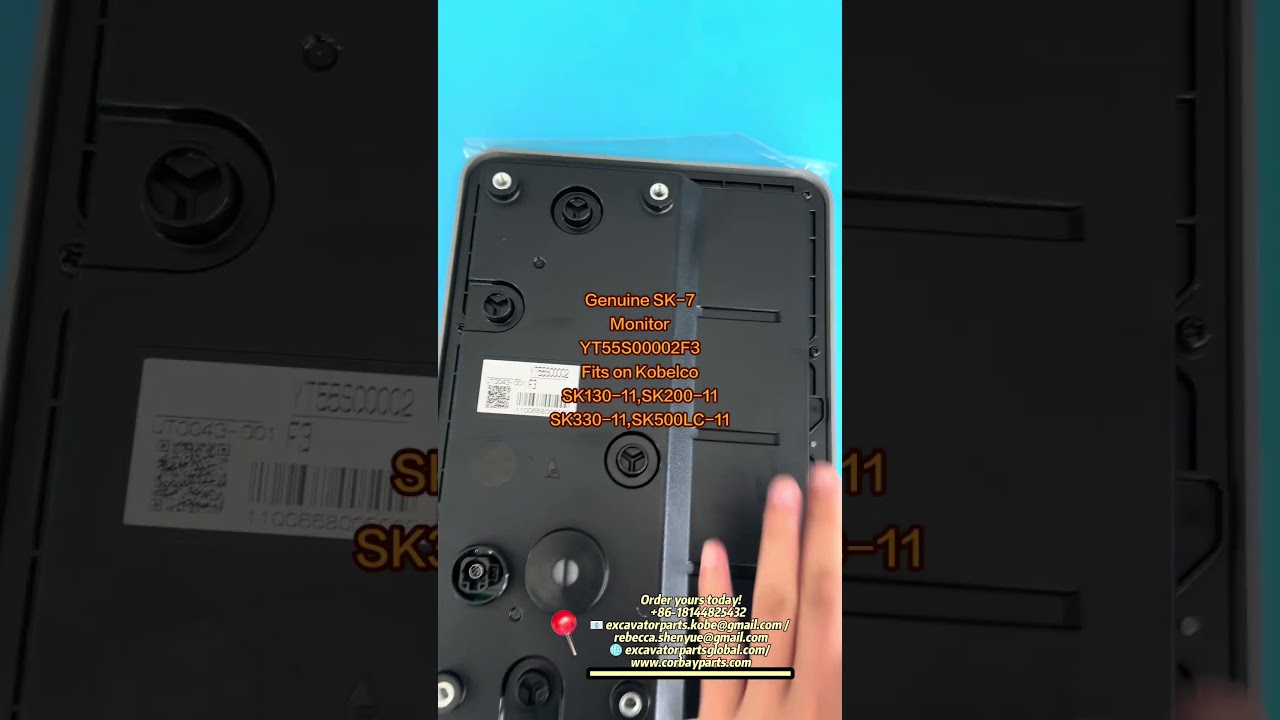
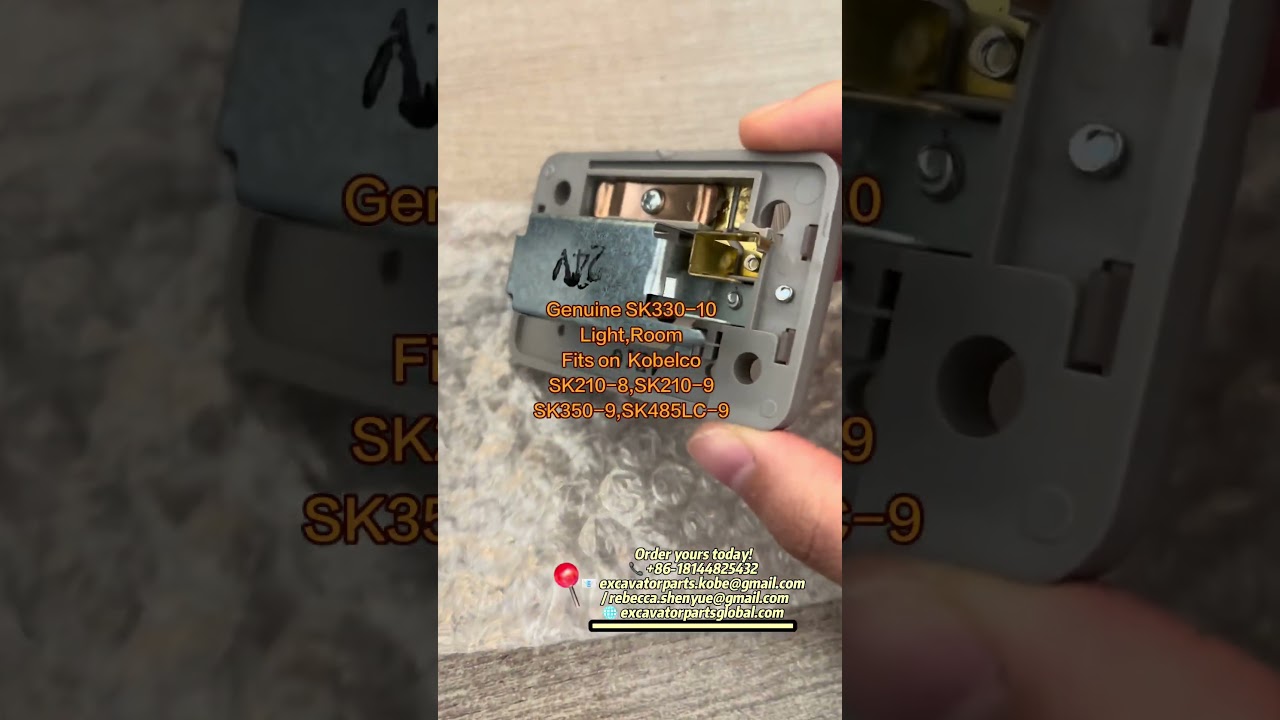
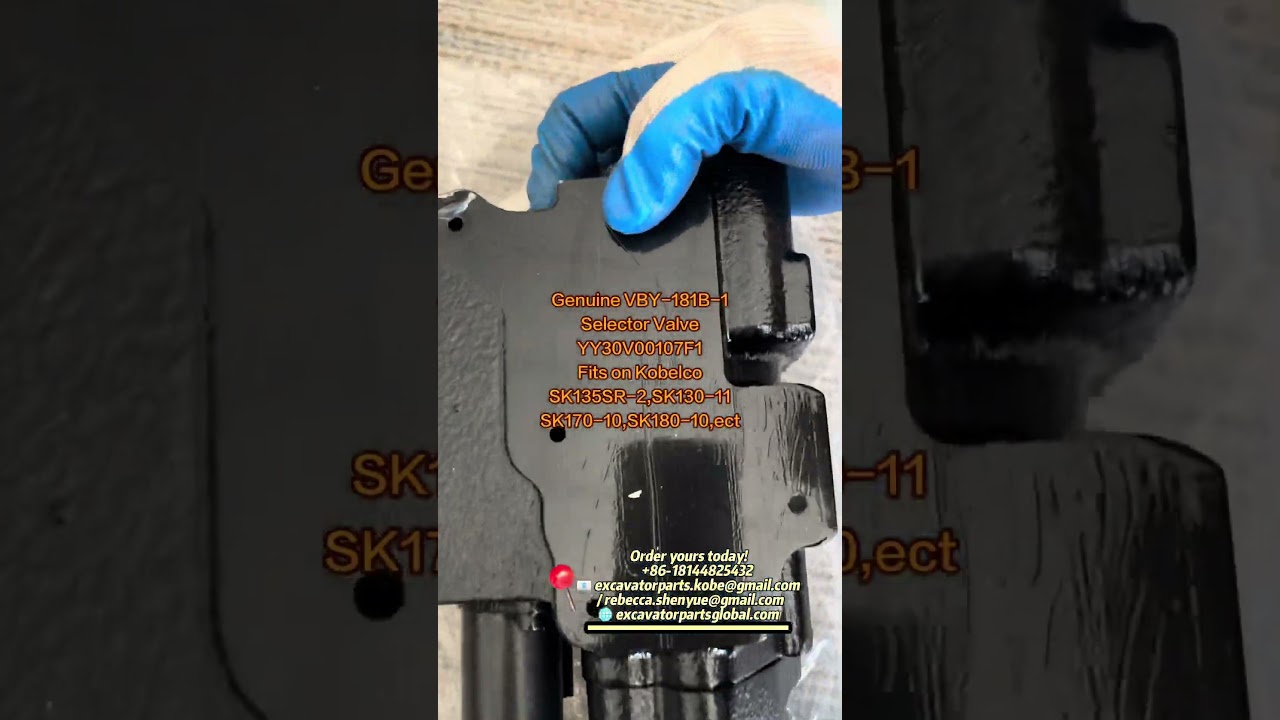
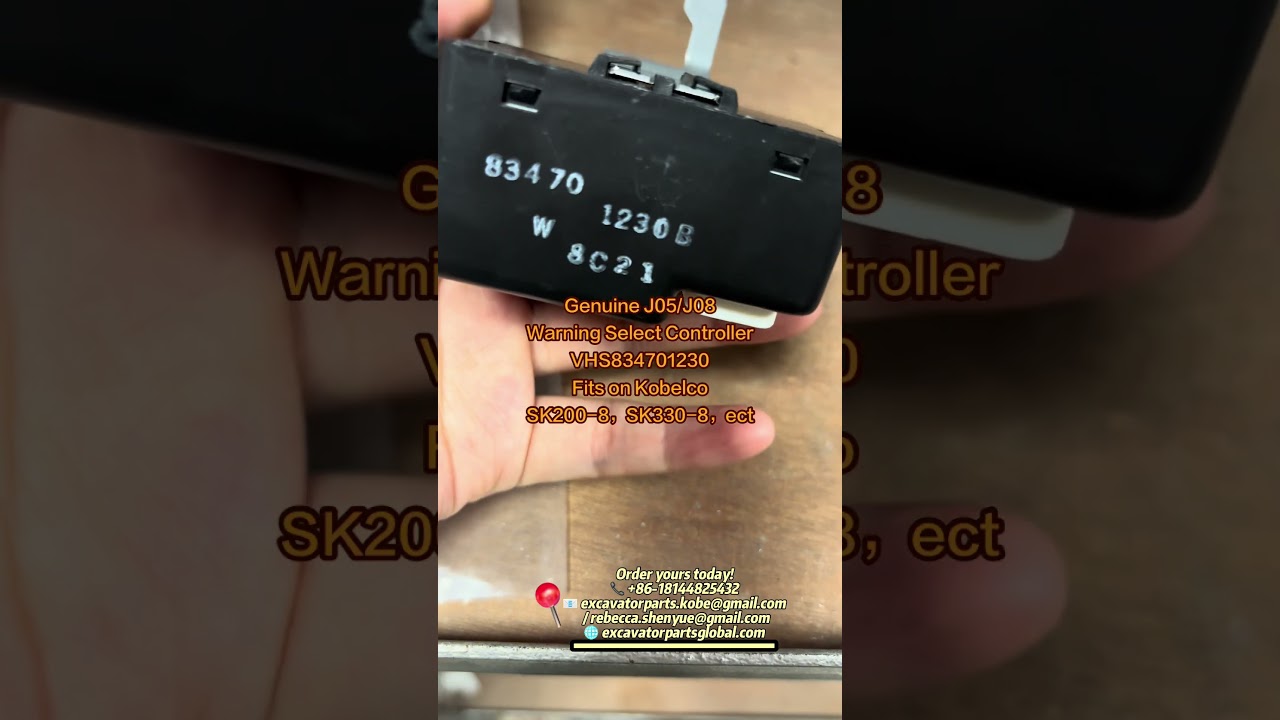
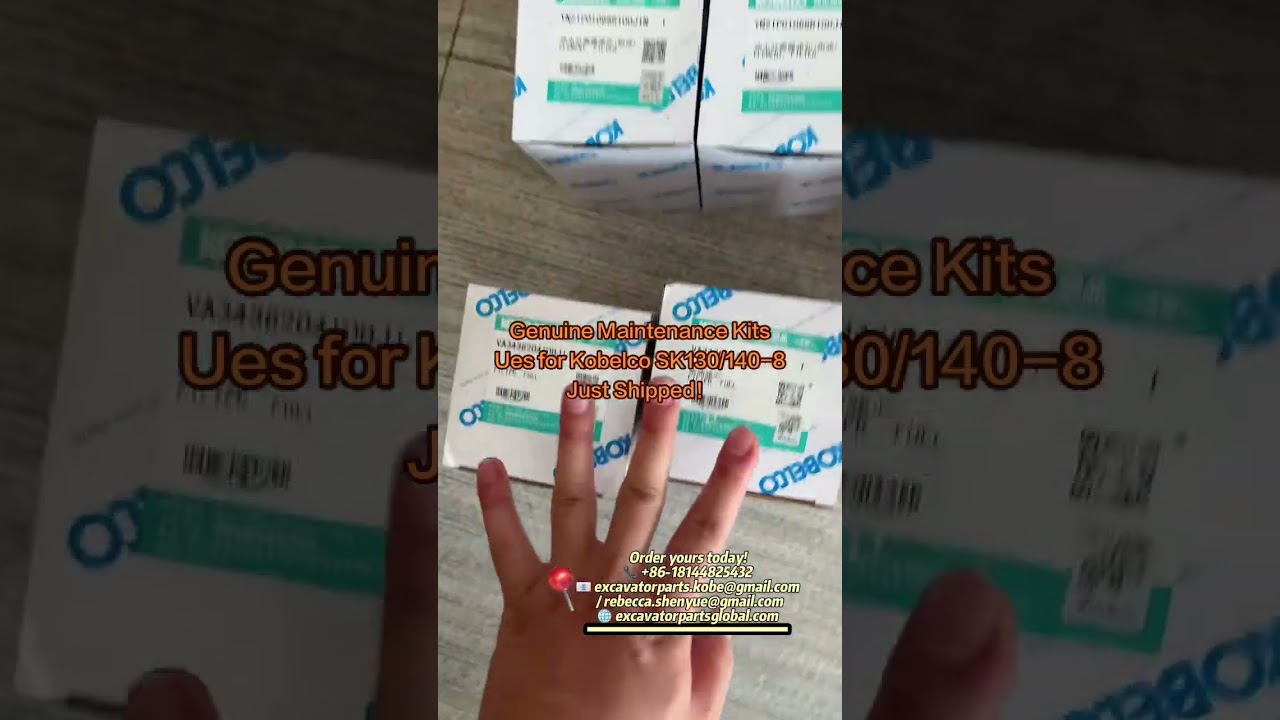
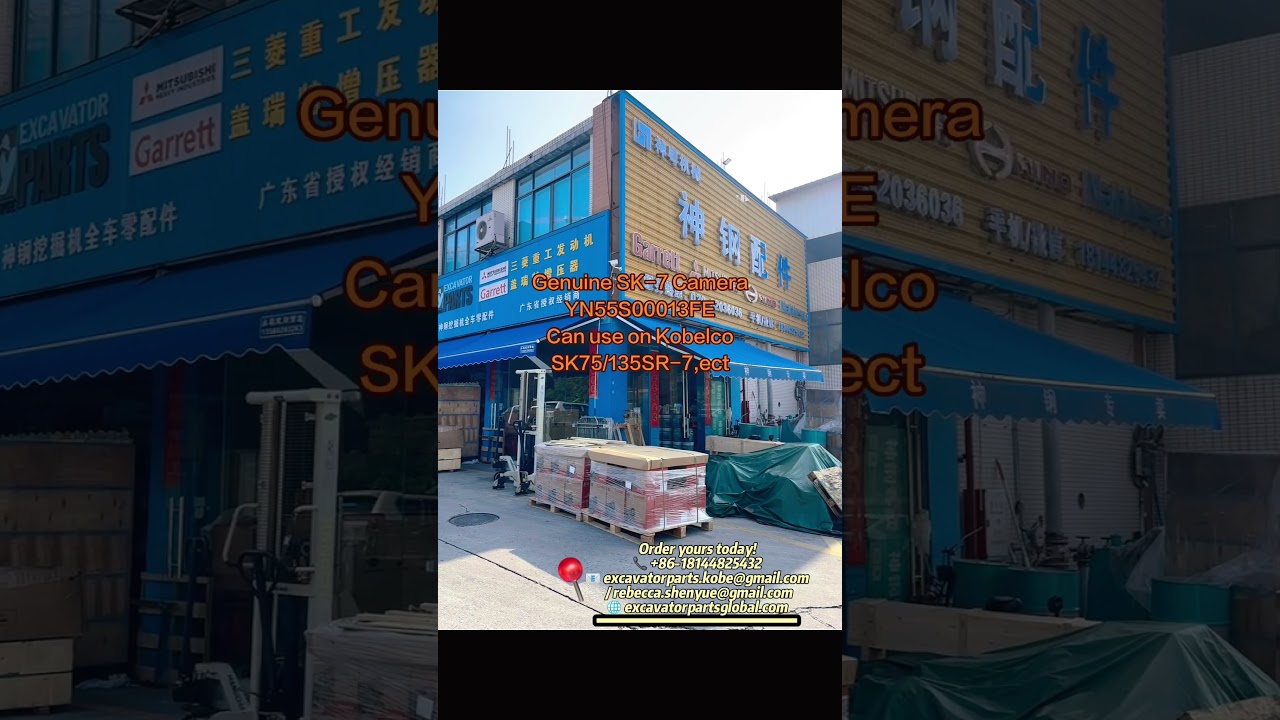
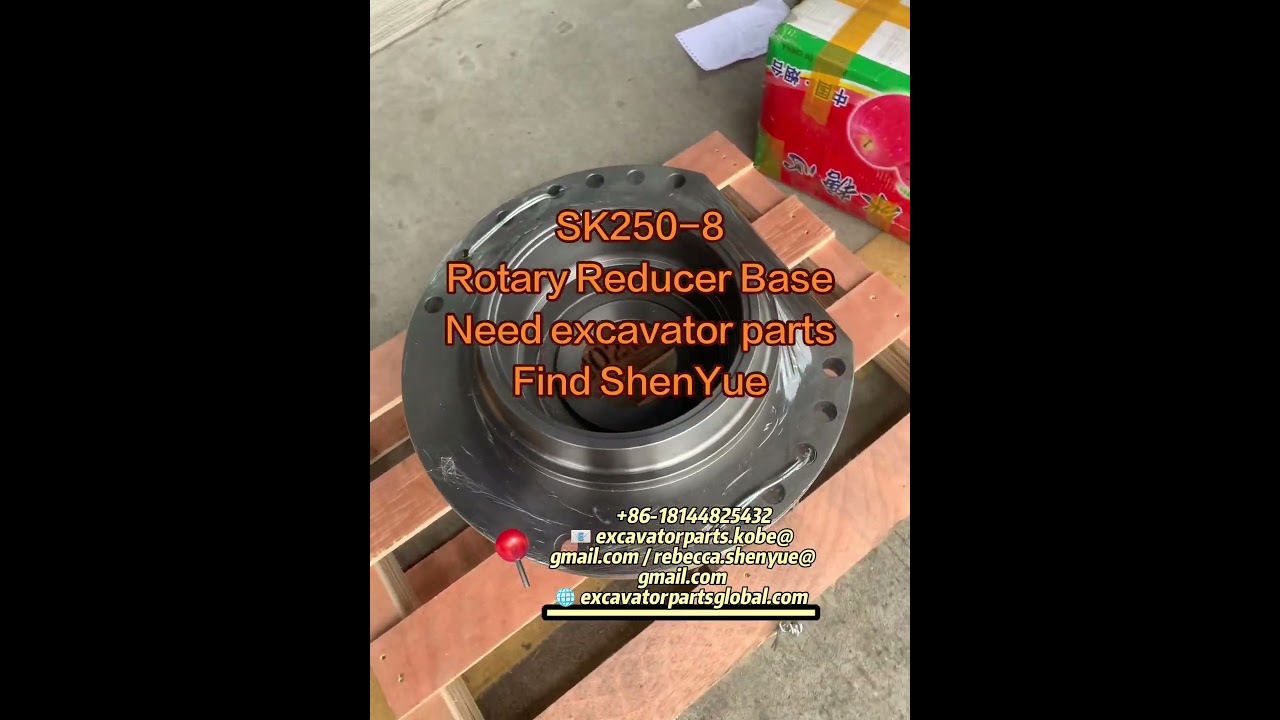
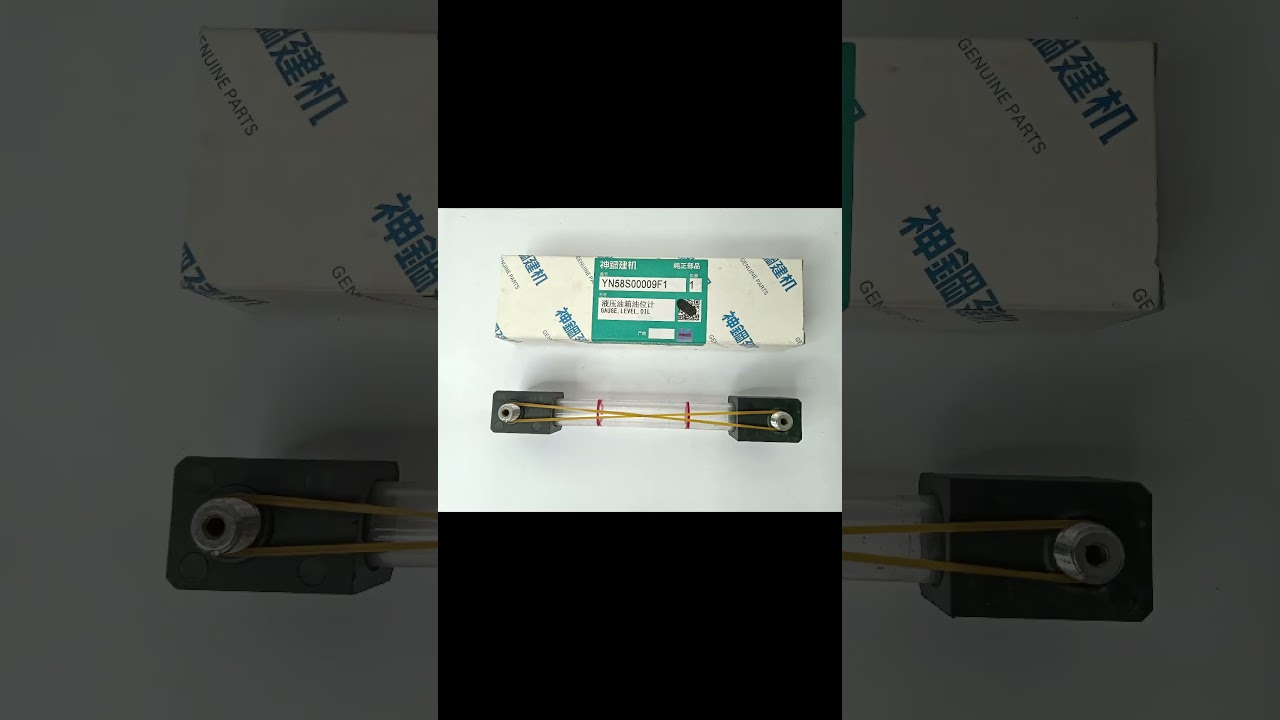
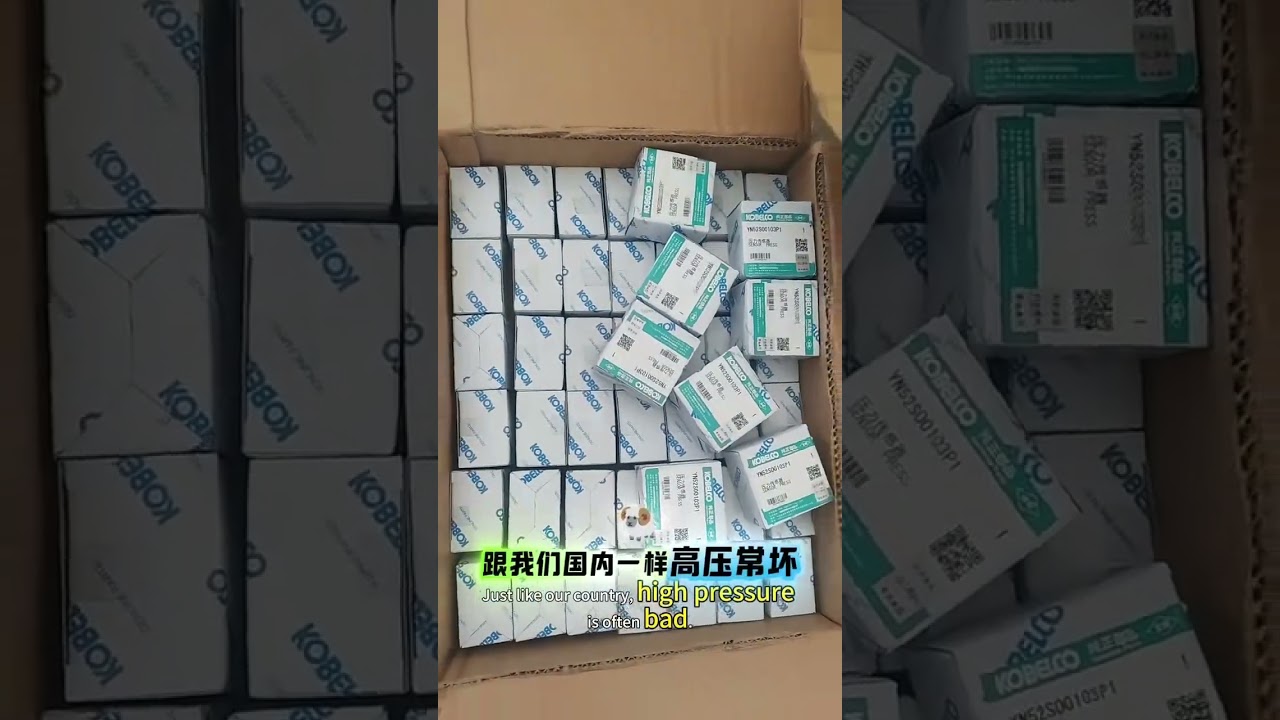
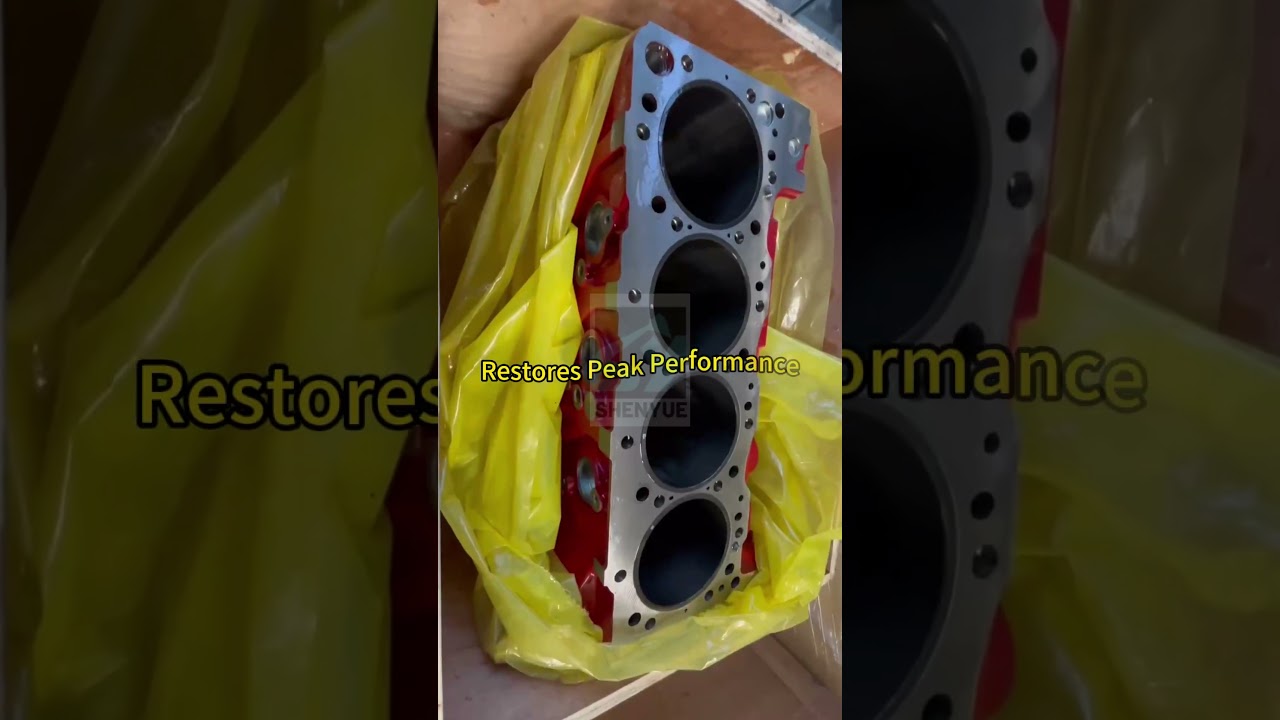
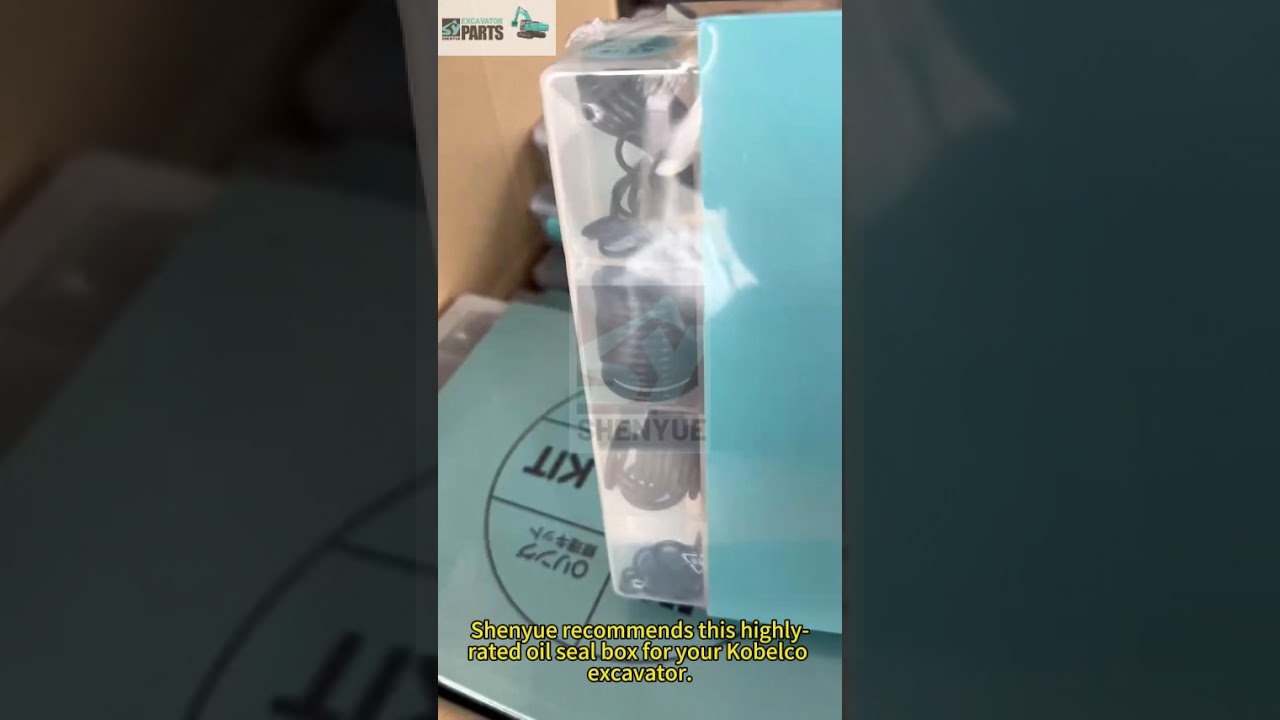
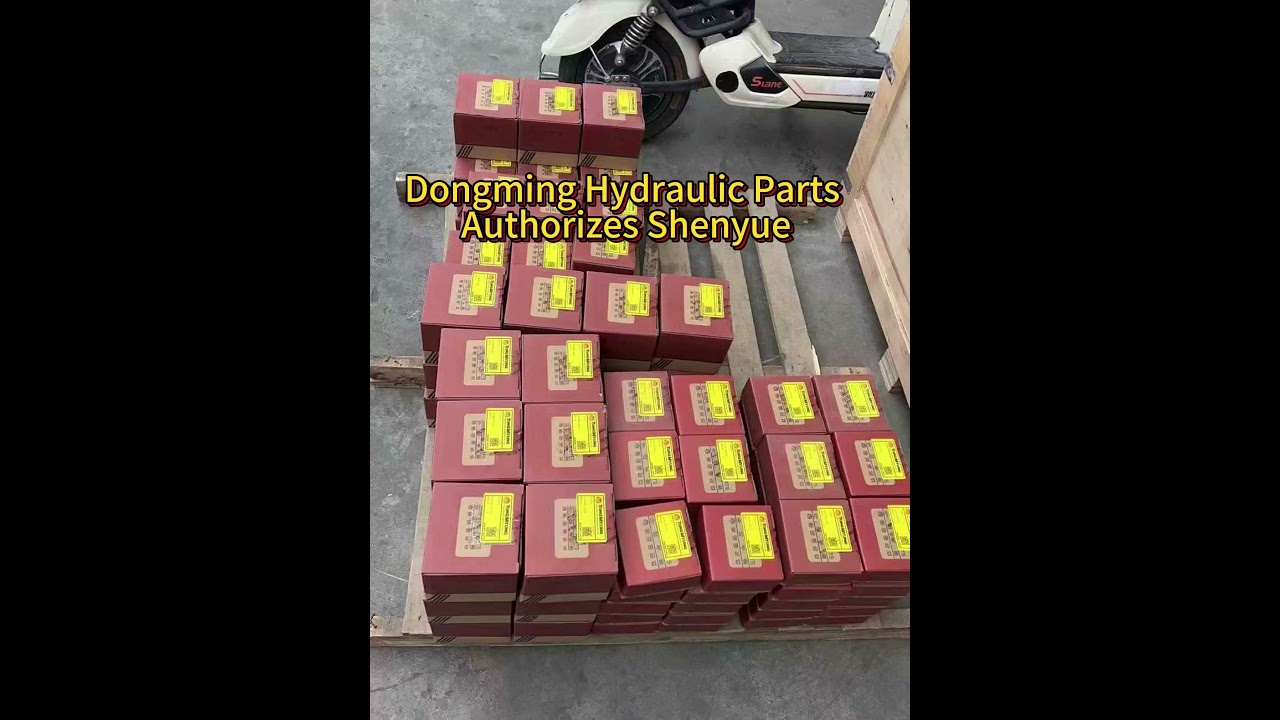
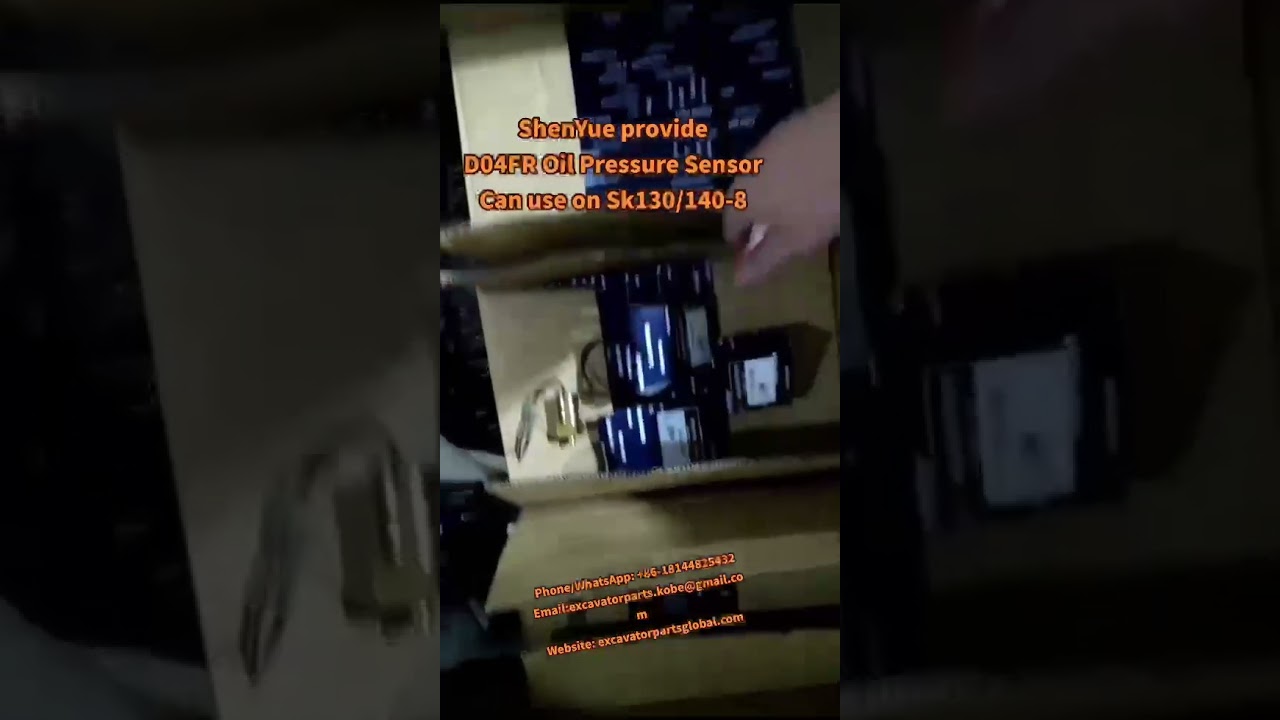
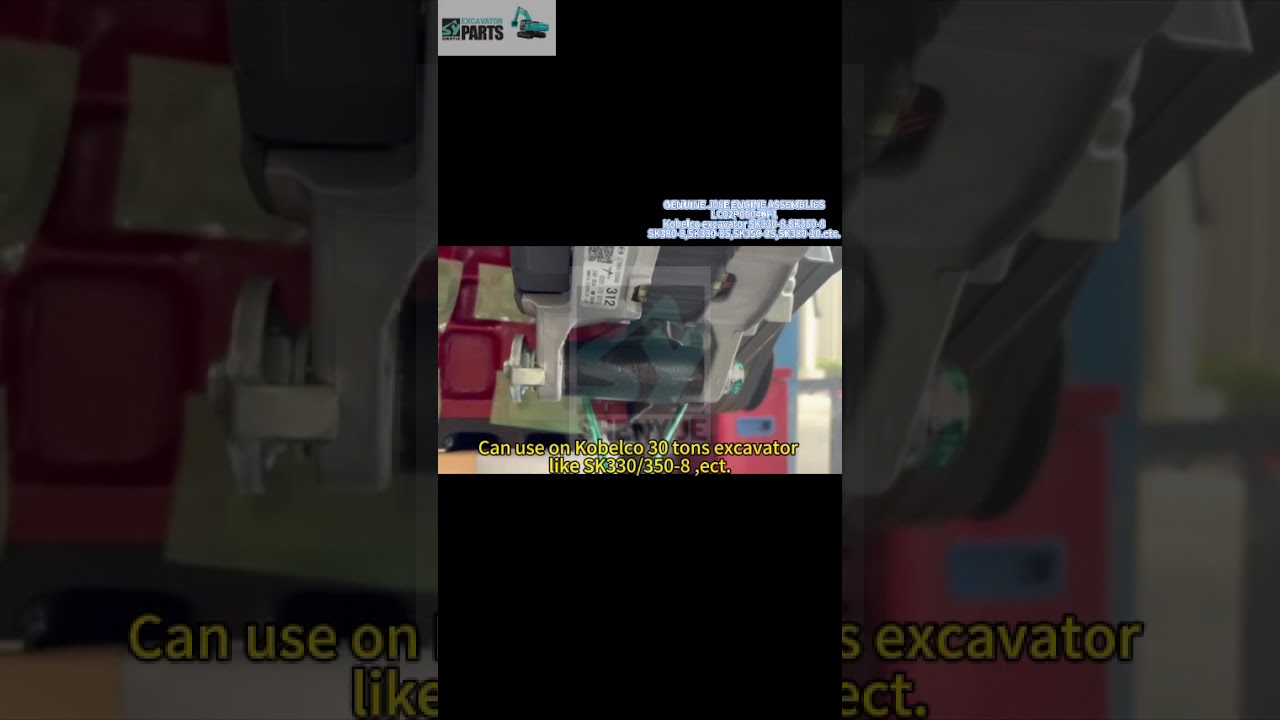
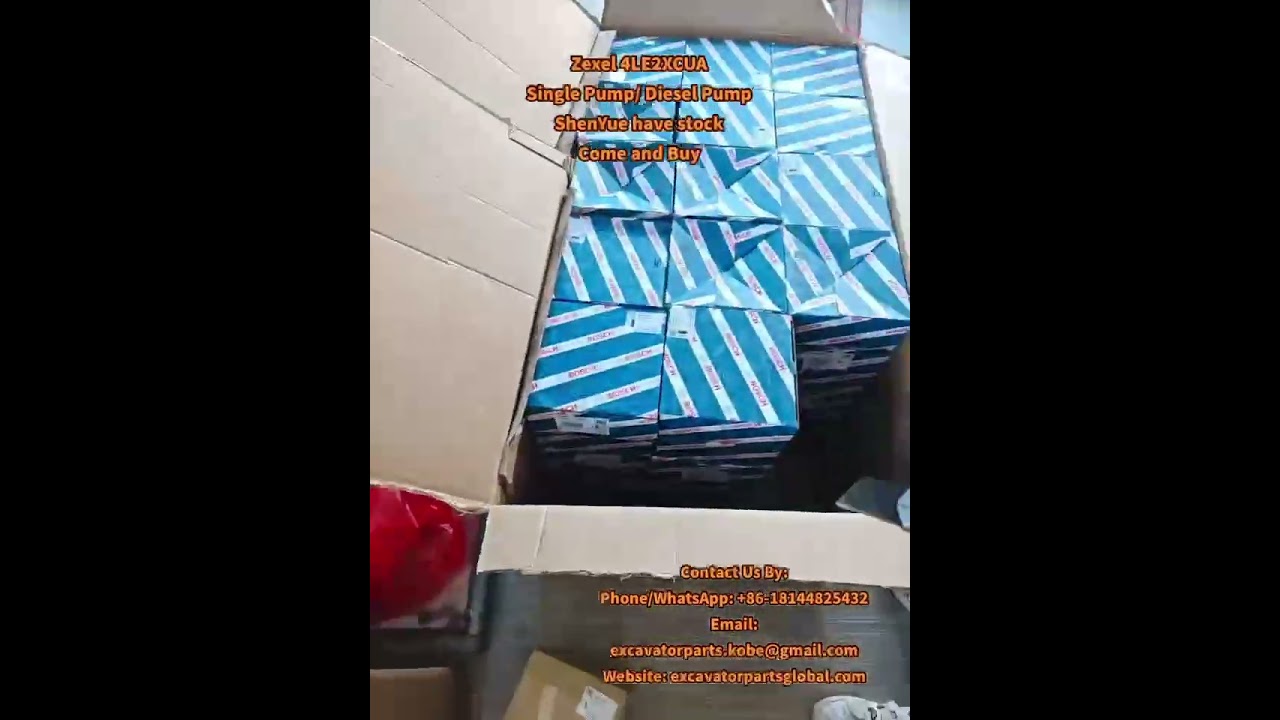
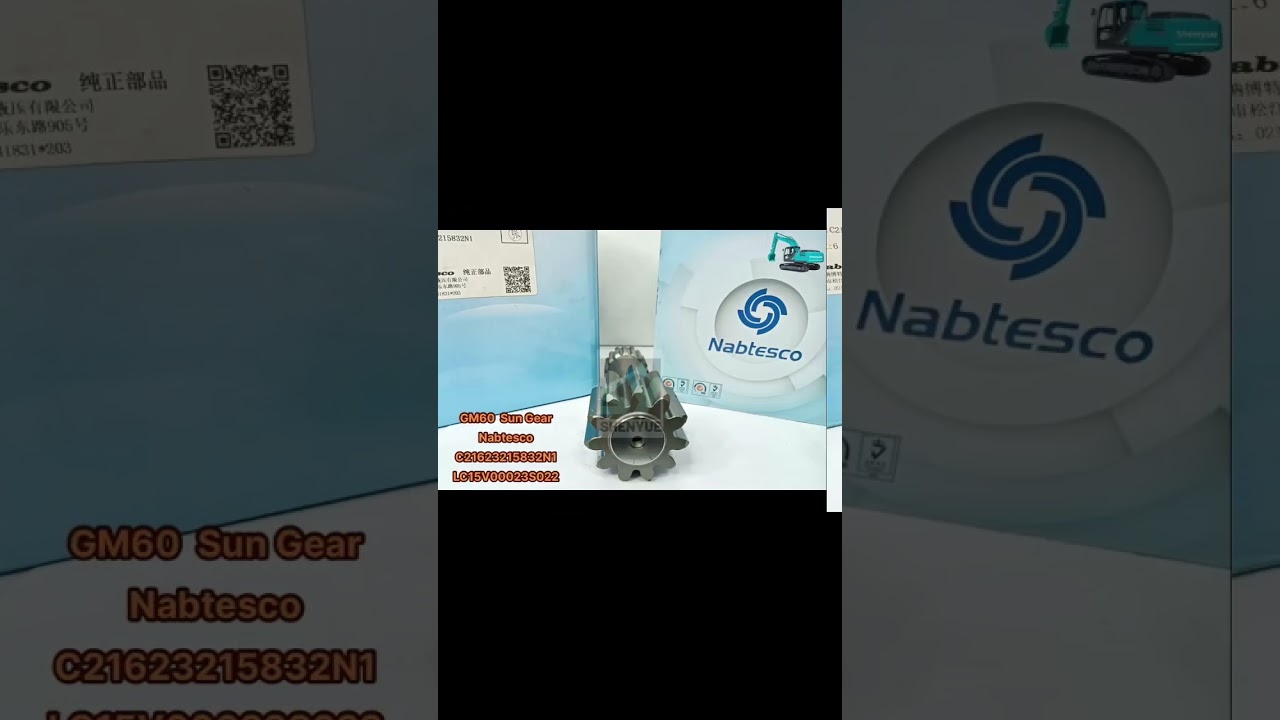
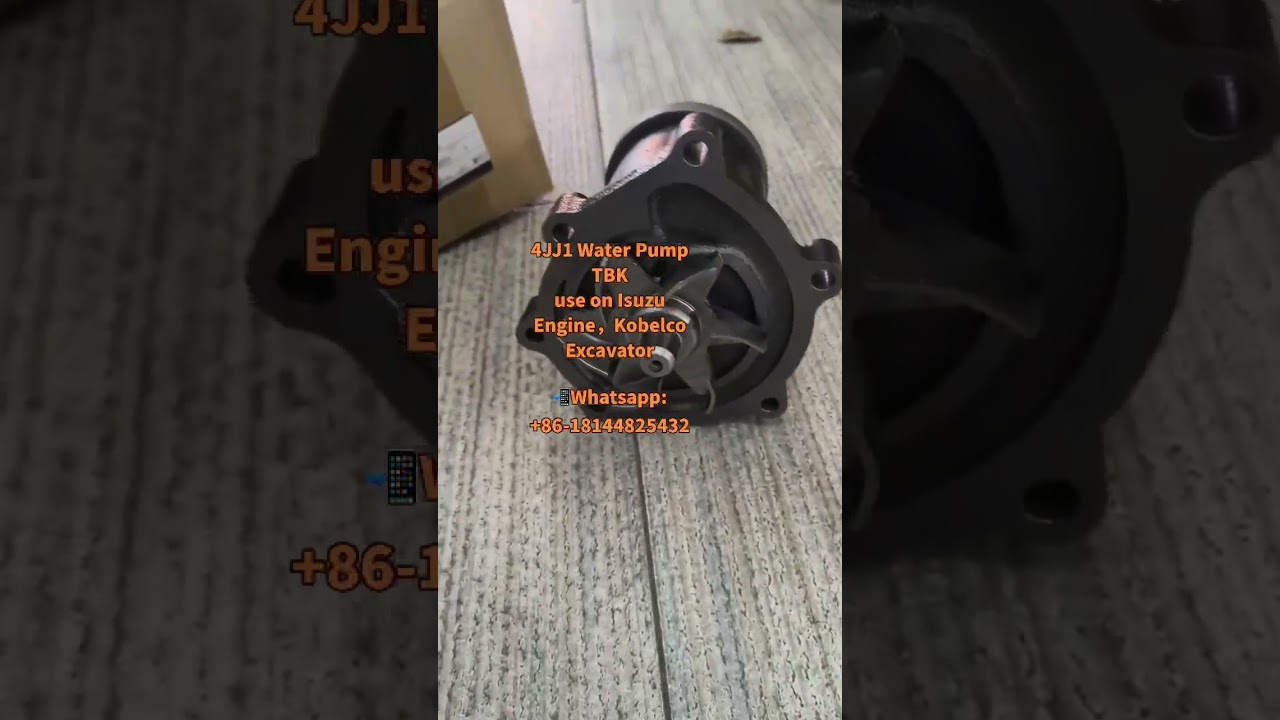
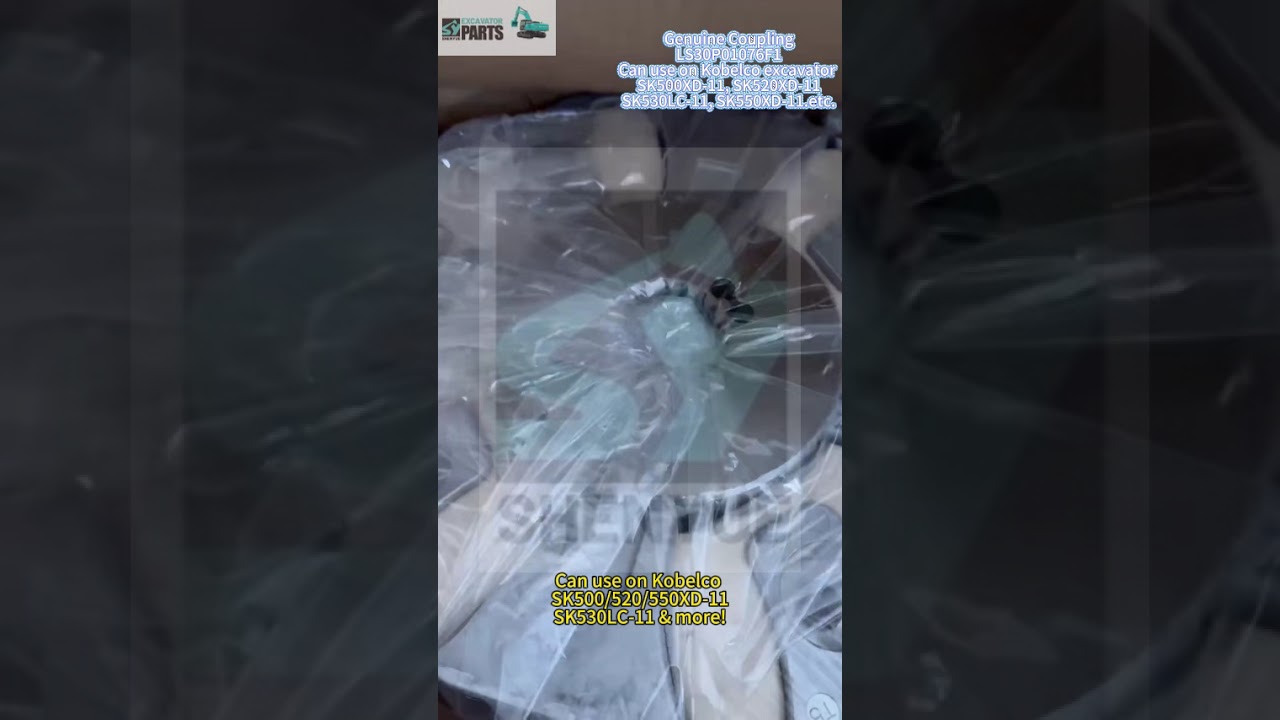
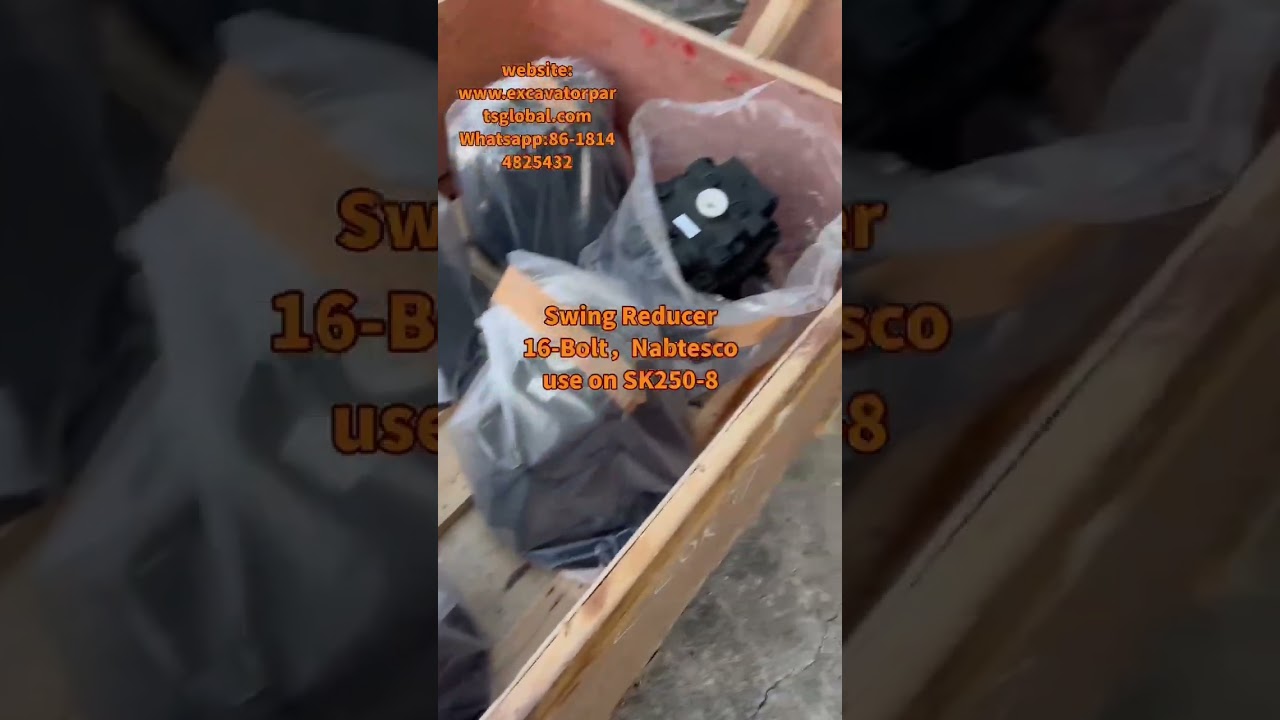
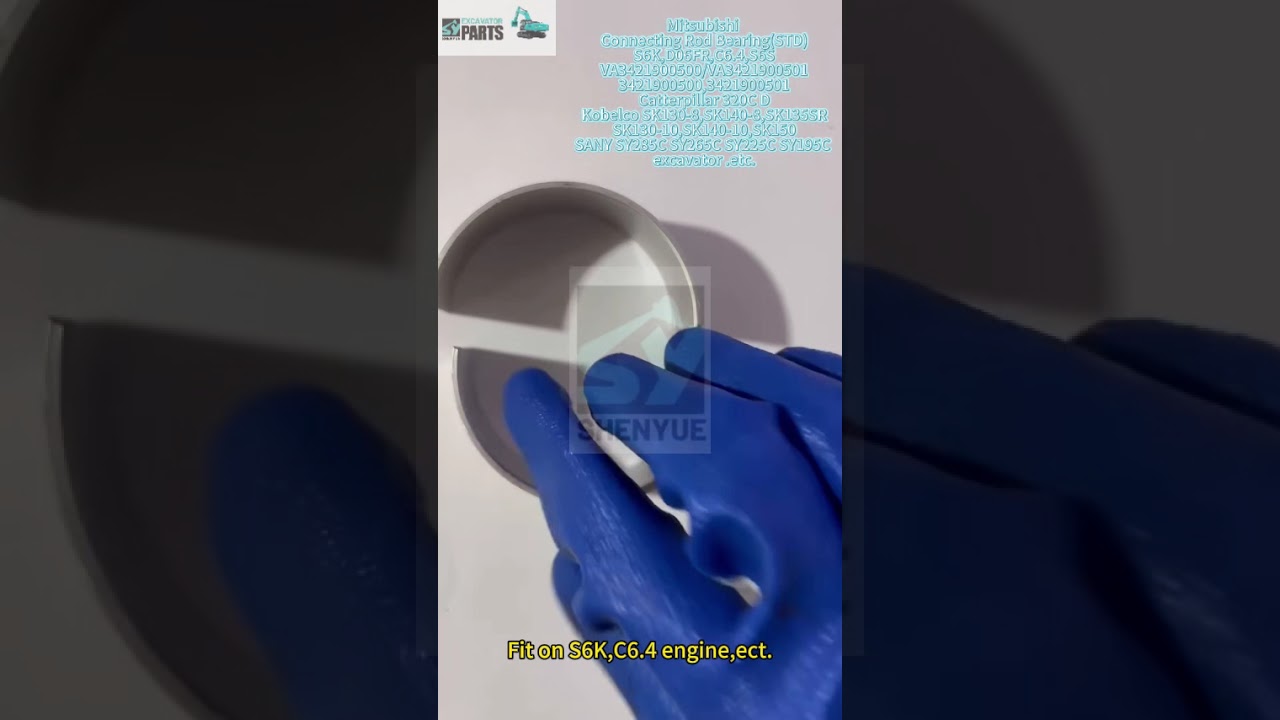
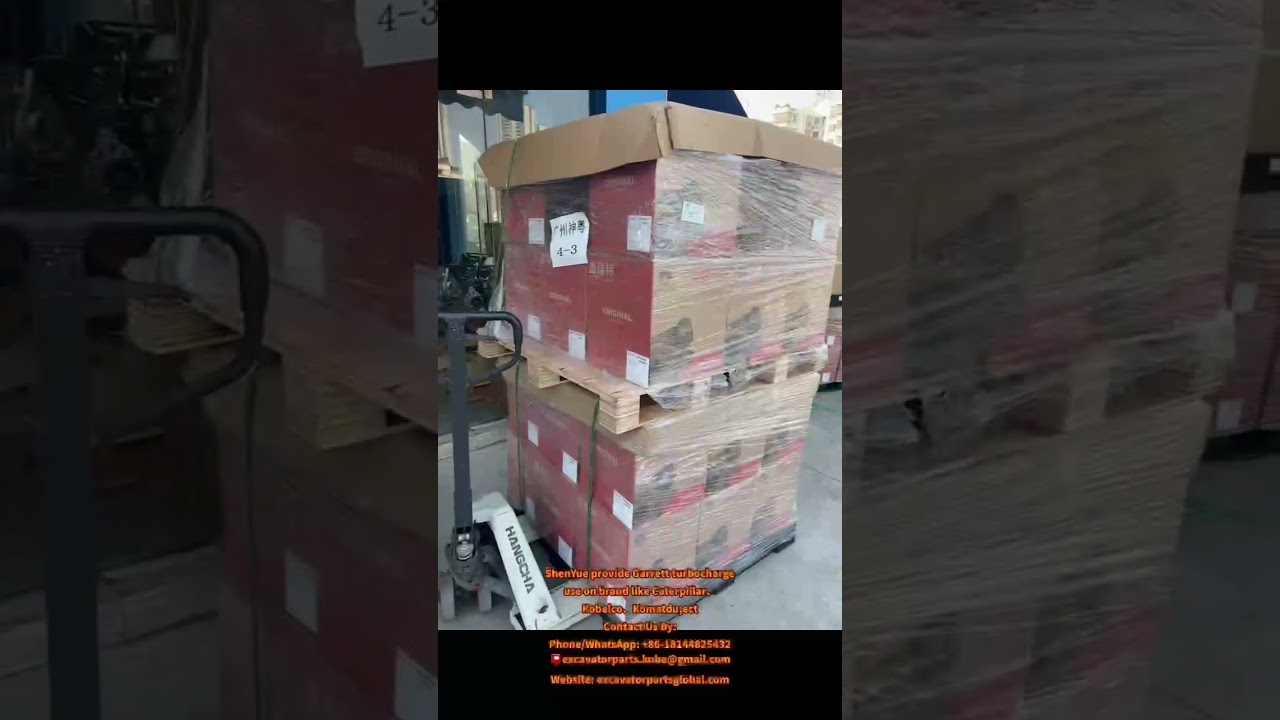
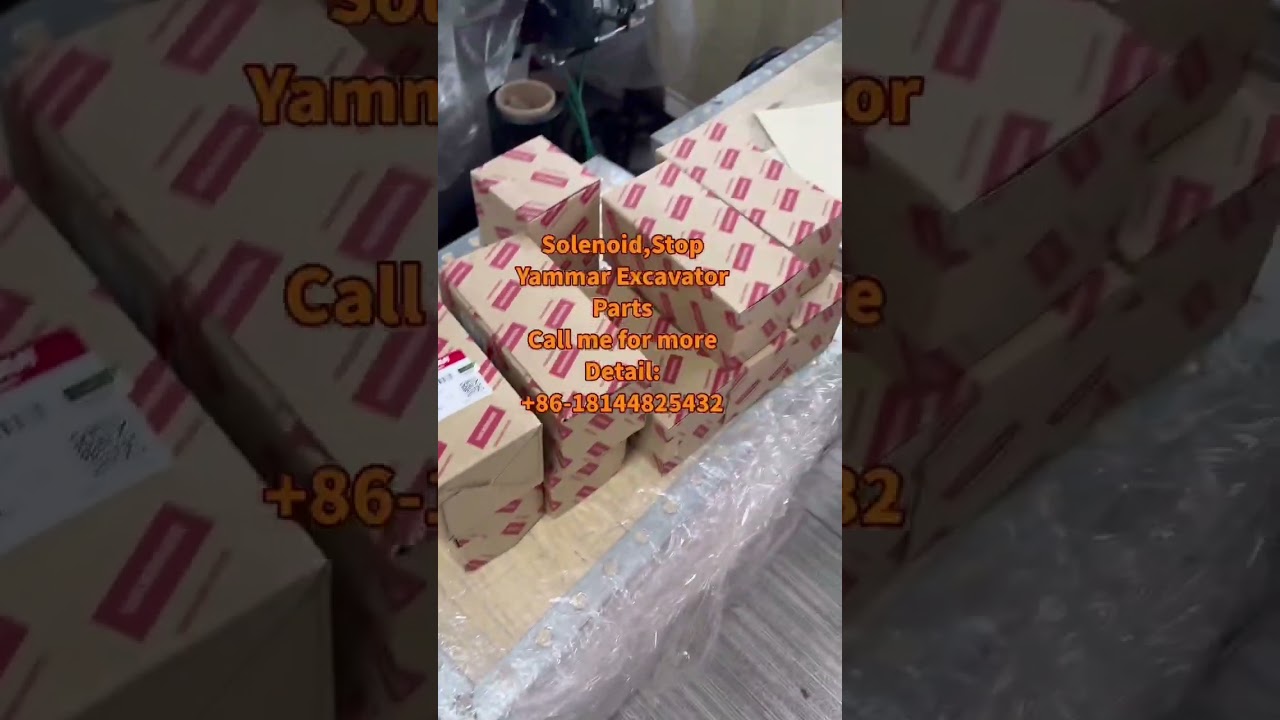
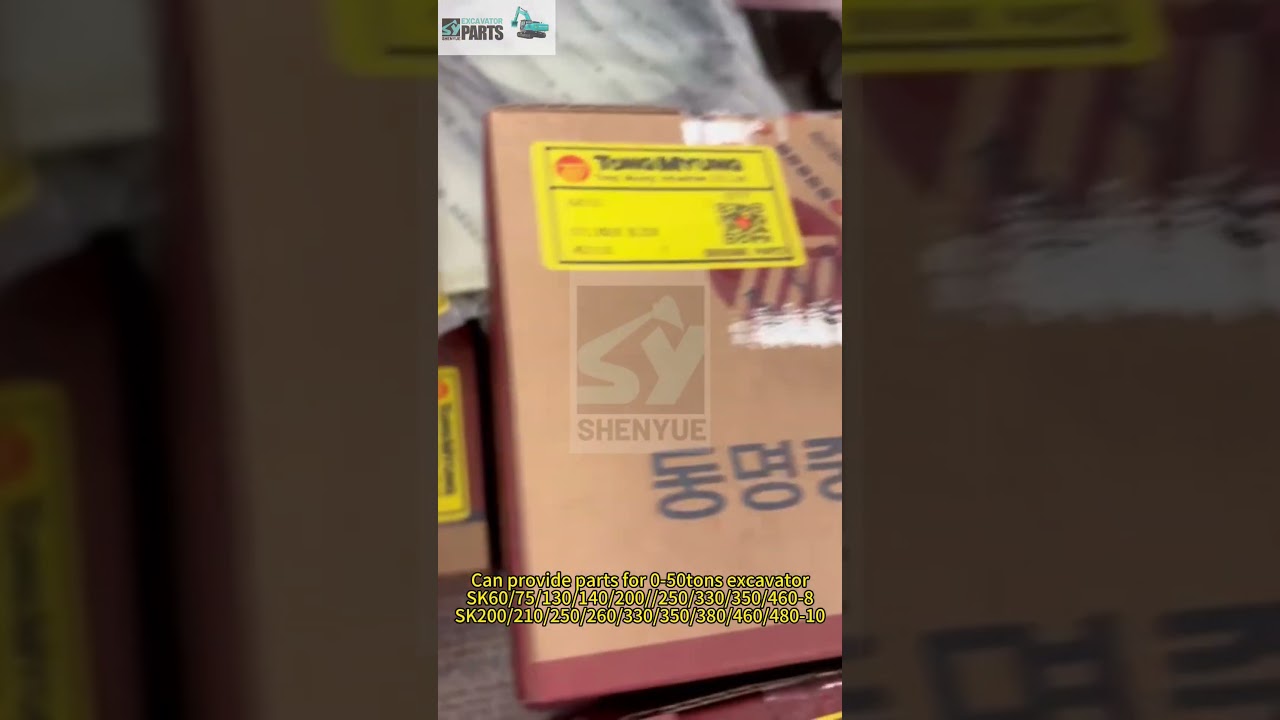
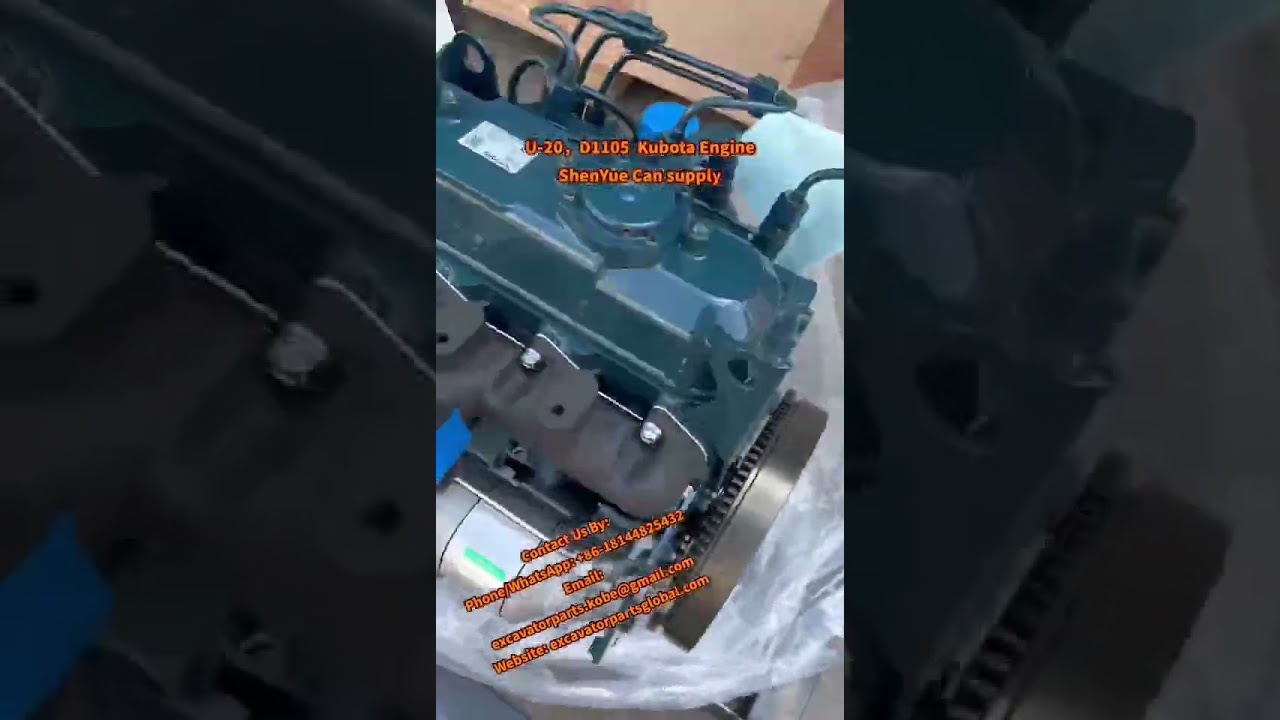
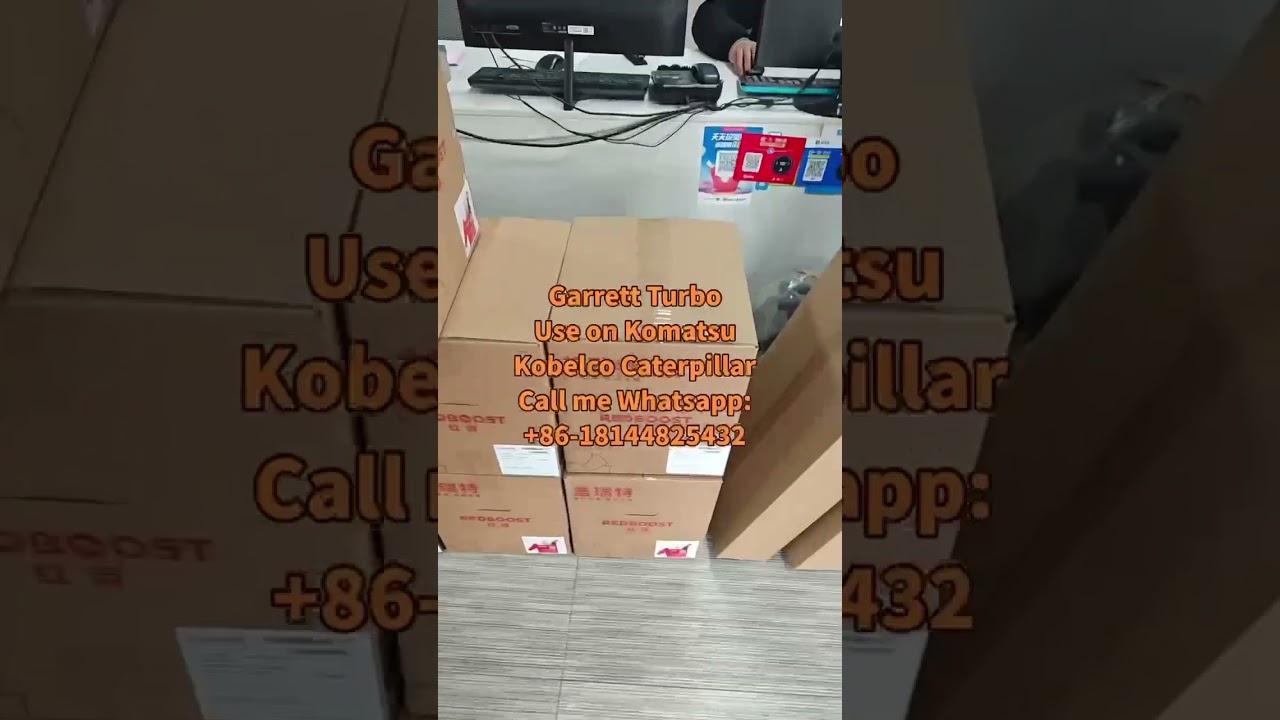
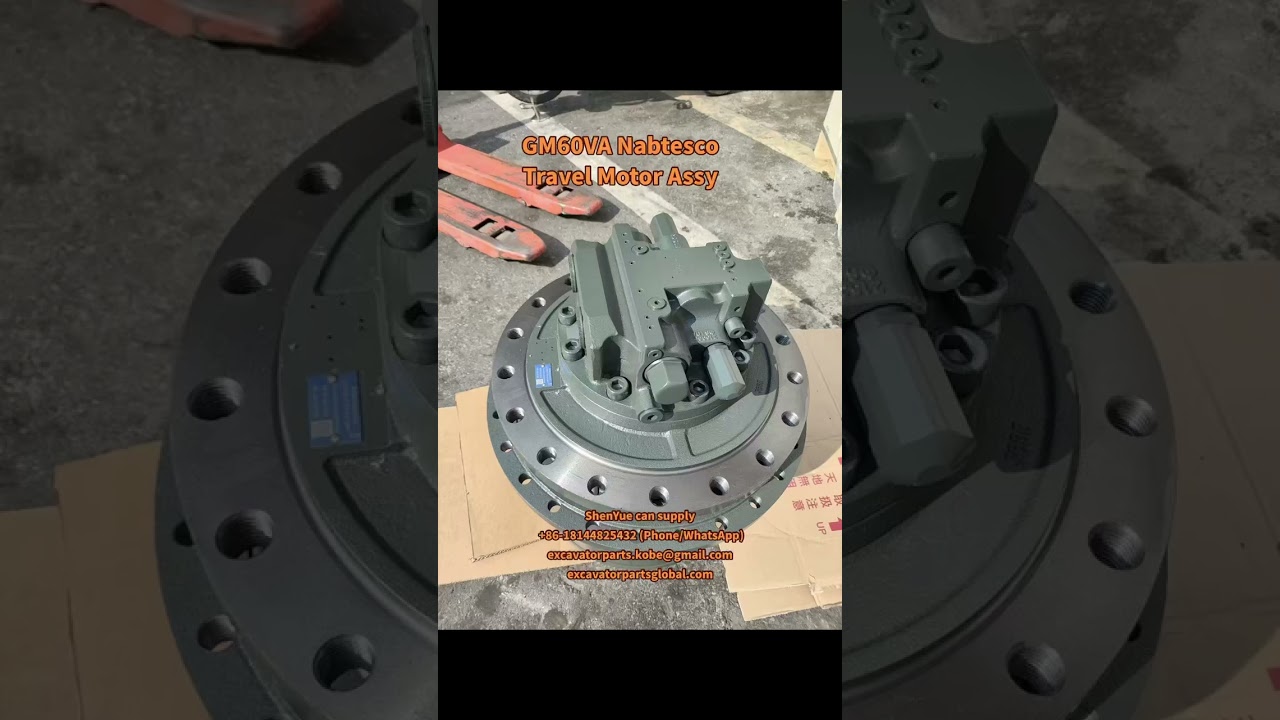
Our warehouse clips are on this page because it is quicker to show you the rack than to describe it.
Guangzhou Shenyue Machinery Technology Co., Ltd. has been supplying excavator parts out of Guangzhou since 2007, close to twenty years in this trade. Corbay is our export brand, the name our overseas customers buy under. The company we bill and ship as is Shenyue; Corbay is how we present ourselves to the export market.
We hold more than 3,000 part types on the shelf and have more than 100,000 part numbers available to order through the original supply channels. That distinction matters and we keep it straight: the shelf count is what can ship this week; the order count is what we can get, with a lead time we will quote rather than guess.
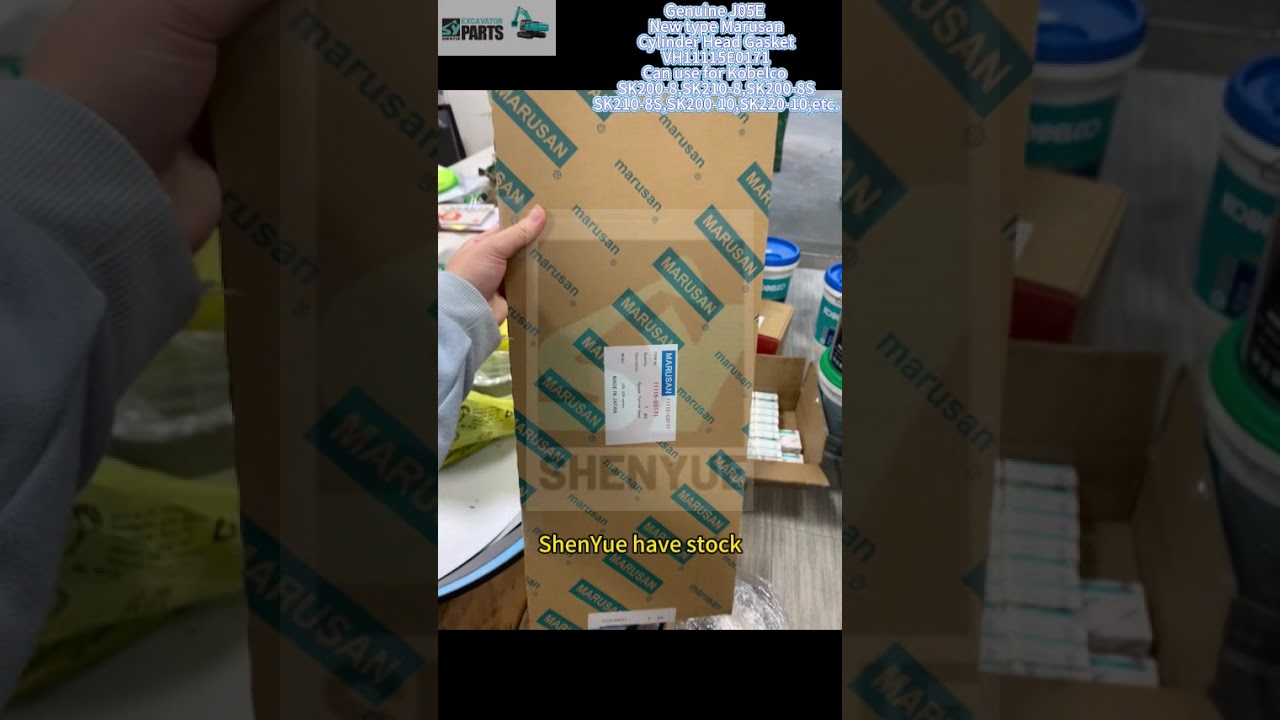
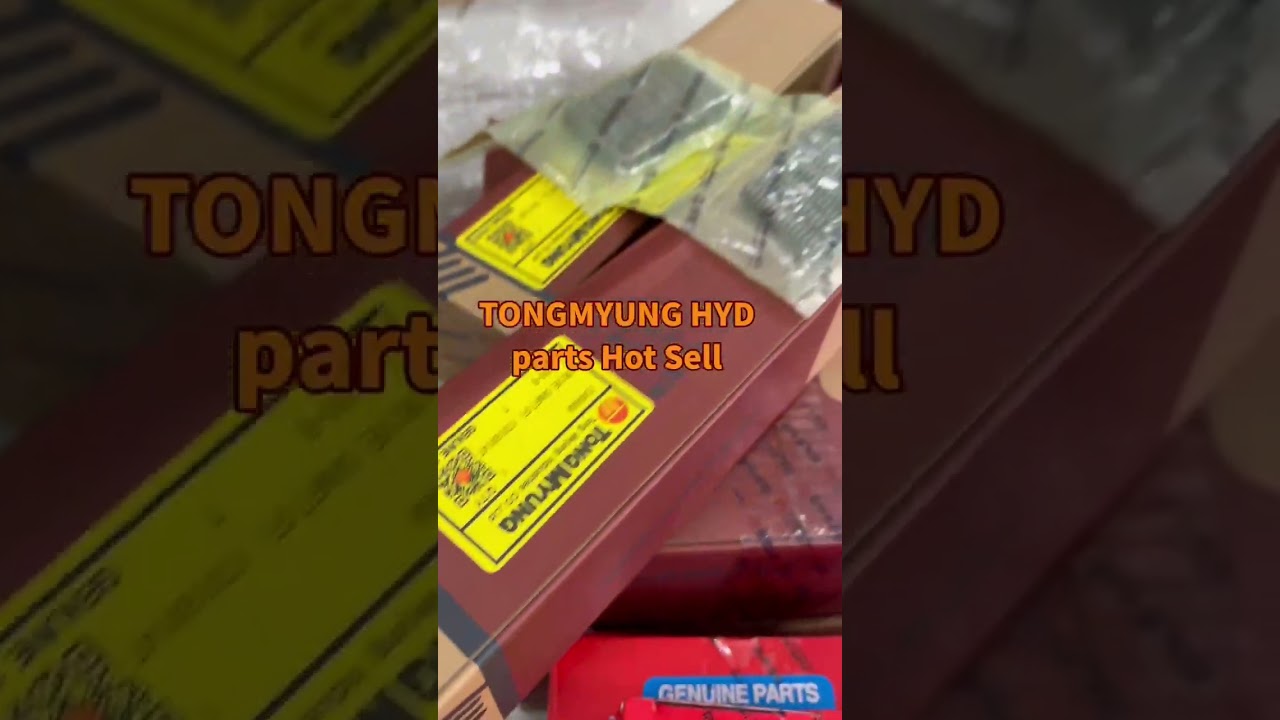
We are an authorised distributor for Mitsubishi, Garrett, TONGMYUNG, Marusan and NIKURA. We are not a Kobelco authorised distributor, and we say so plainly. Kobelco parts reach you either as genuine parts bought through the original supply channel or as quality aftermarket alternatives, and every quotation says which one you are being offered.
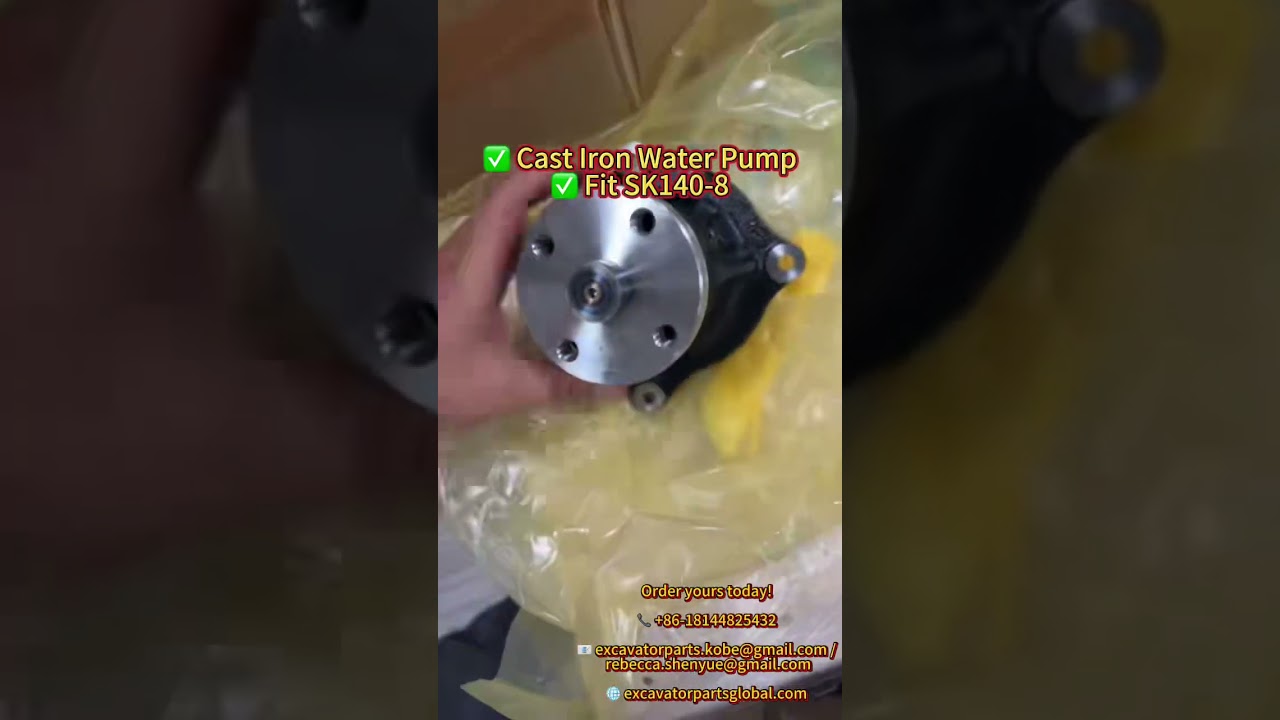
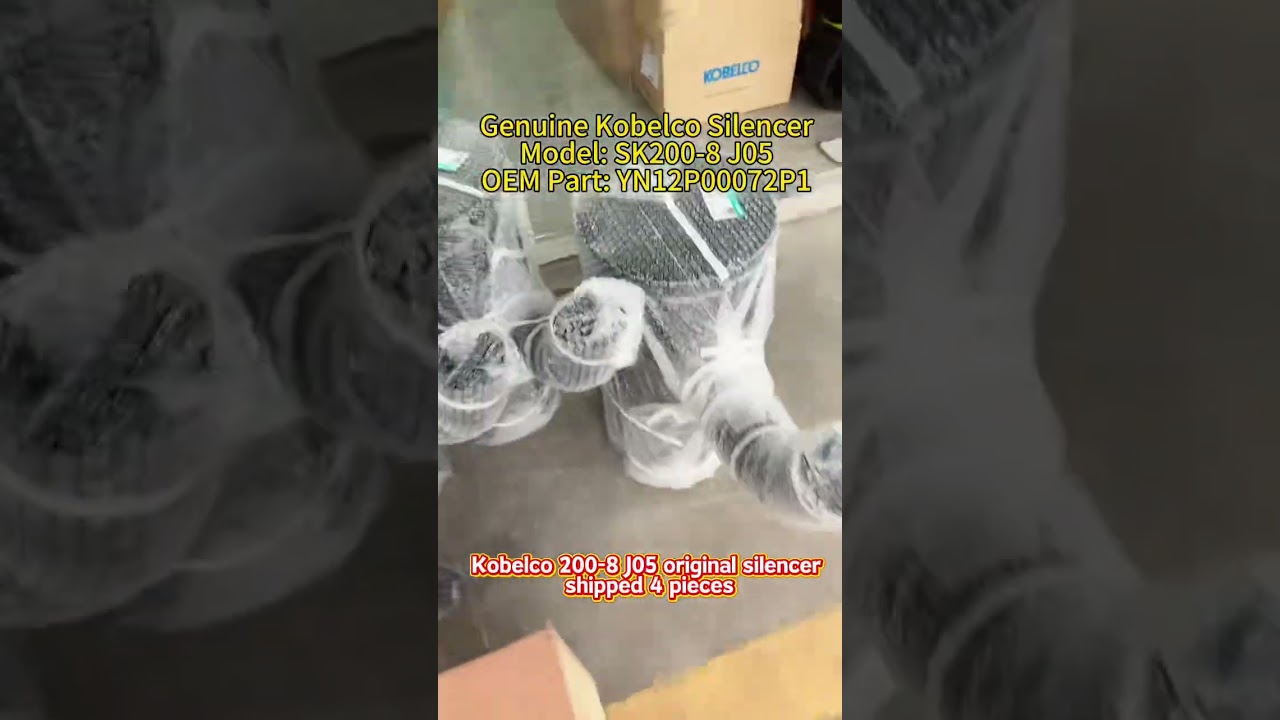
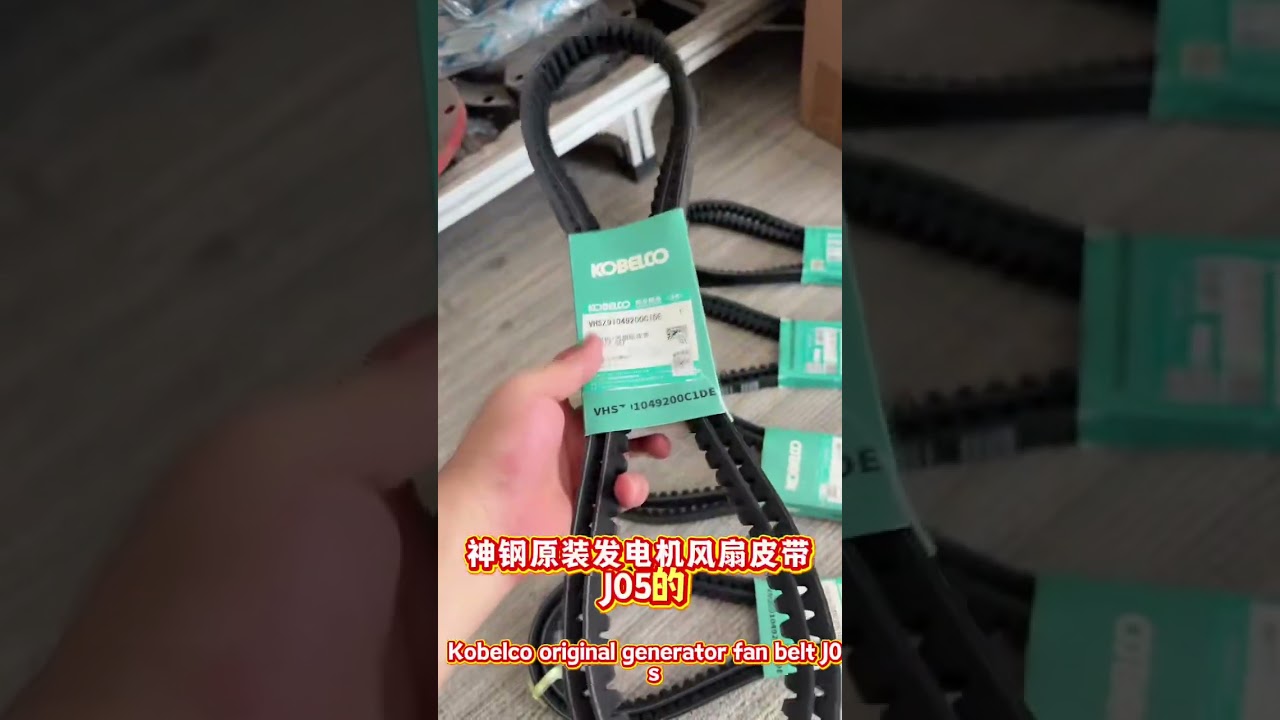
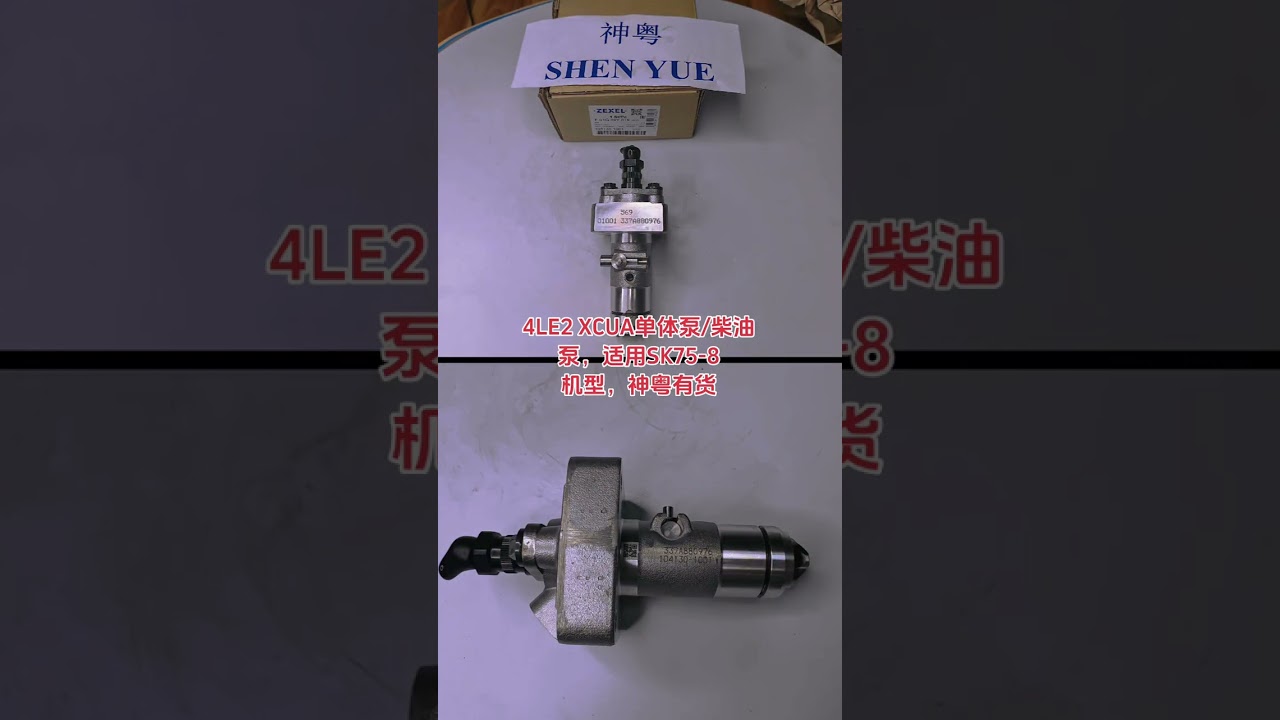
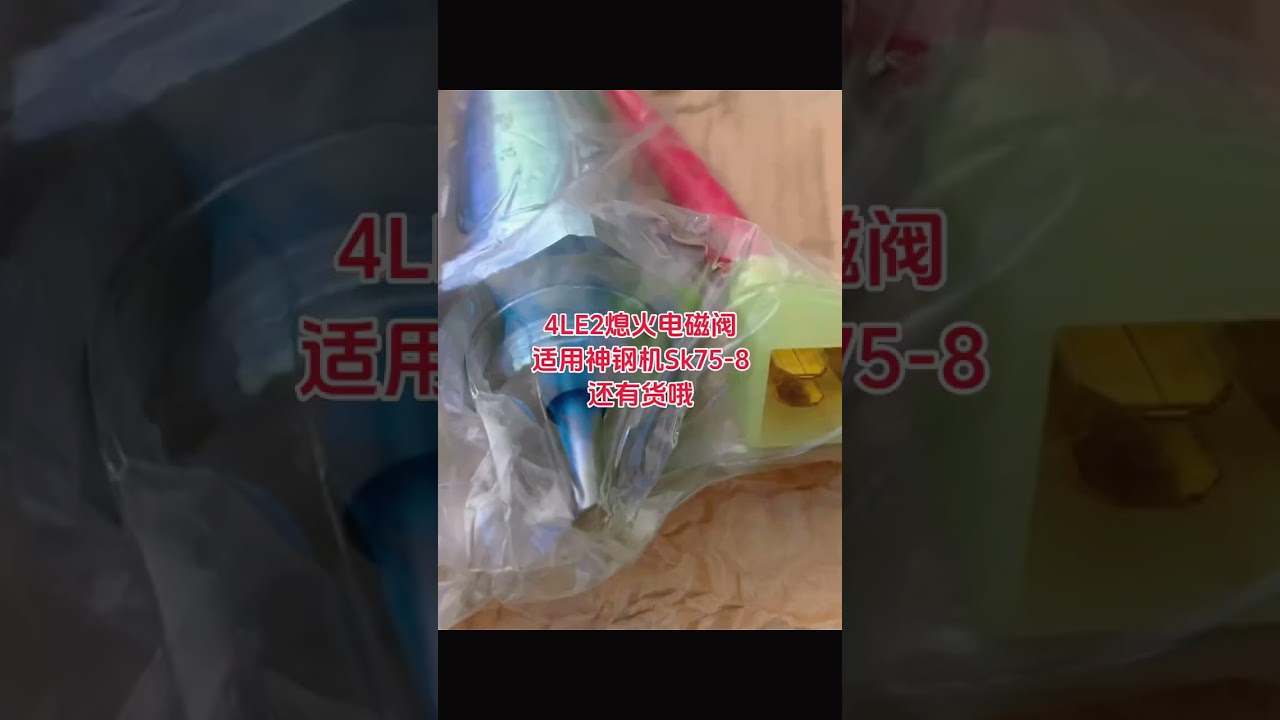
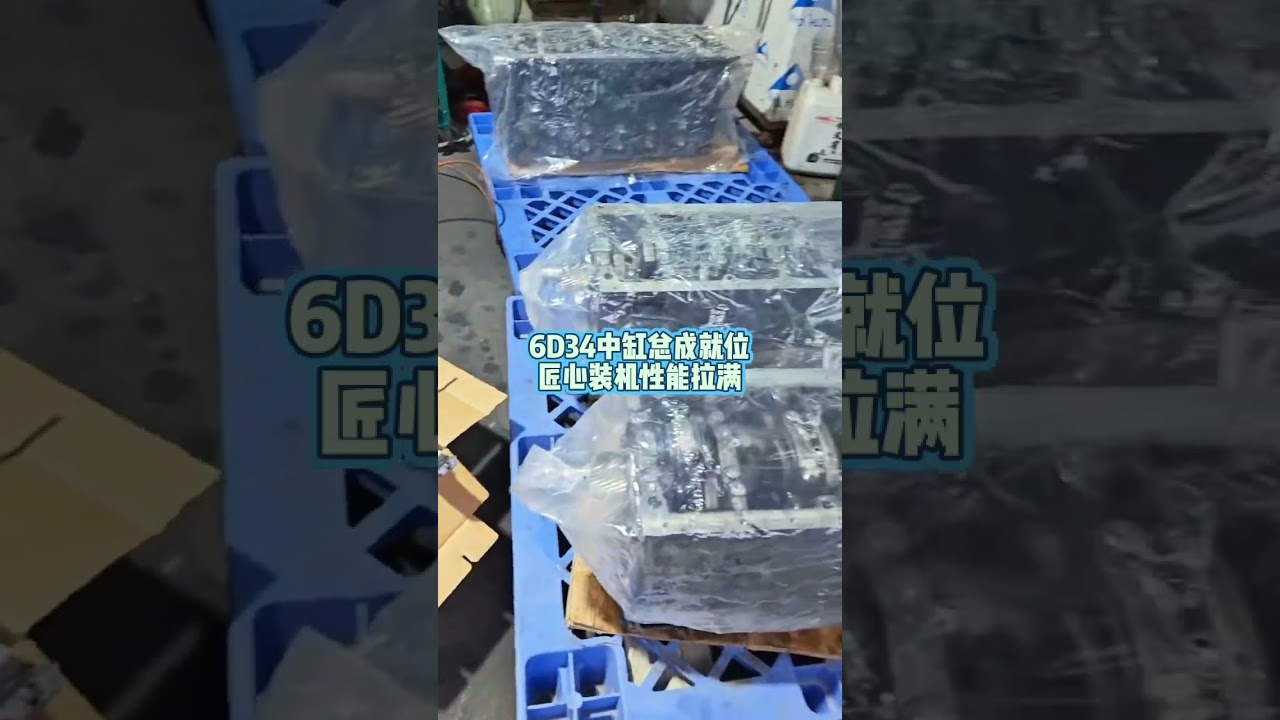
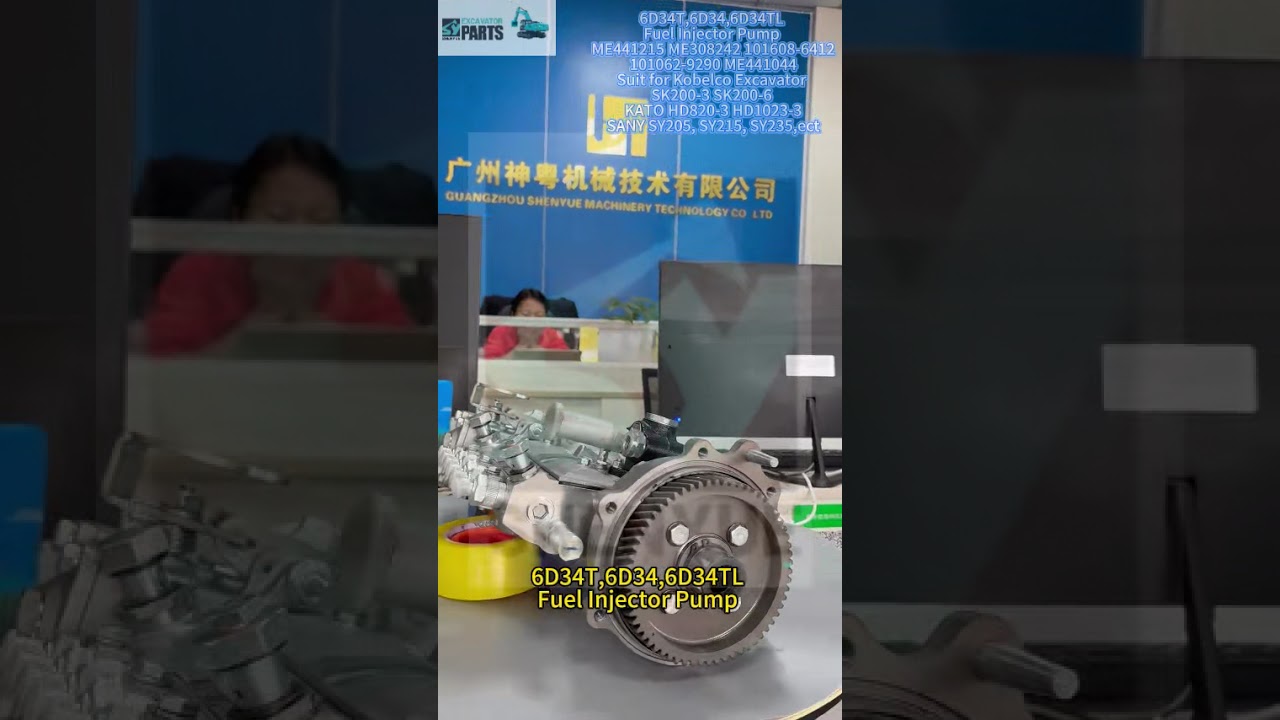
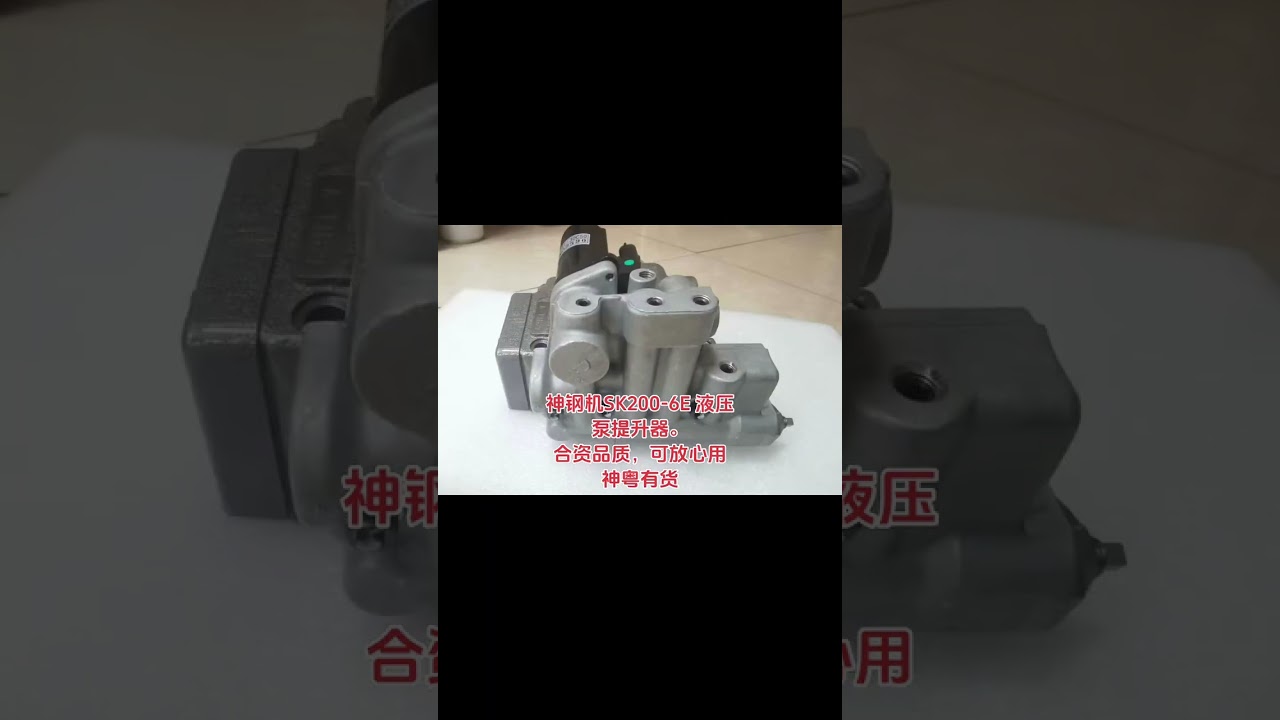
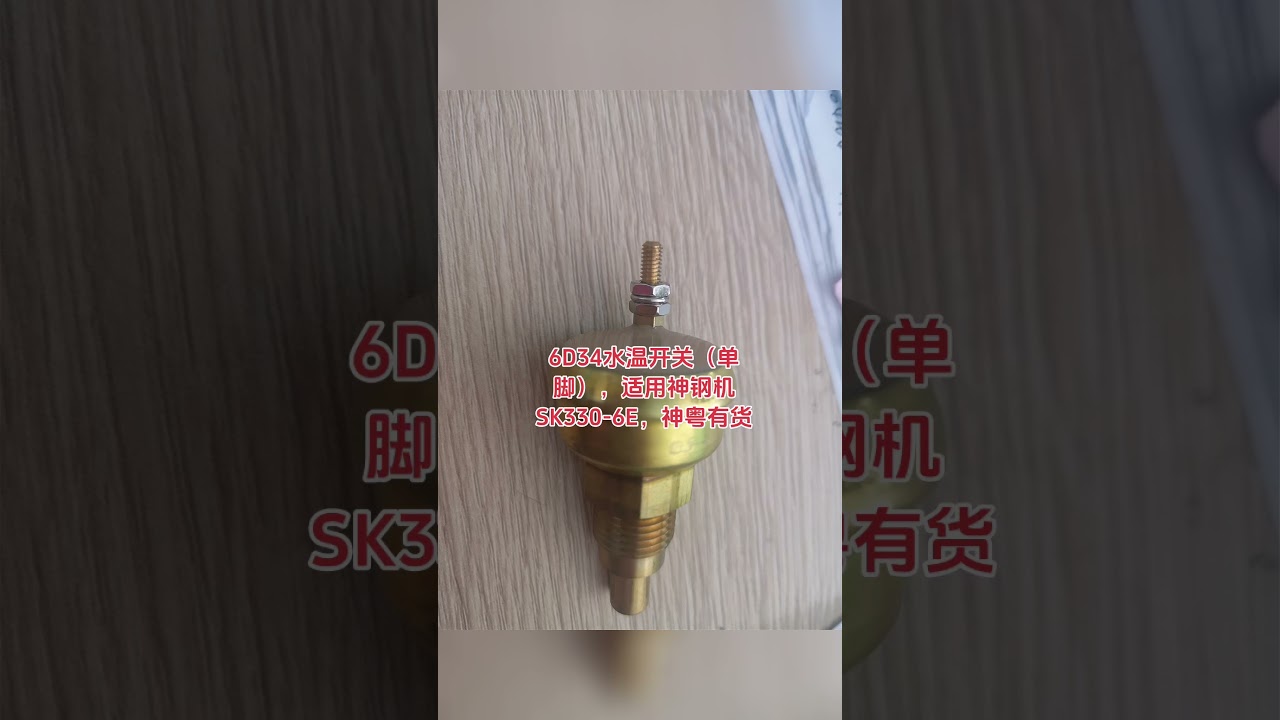
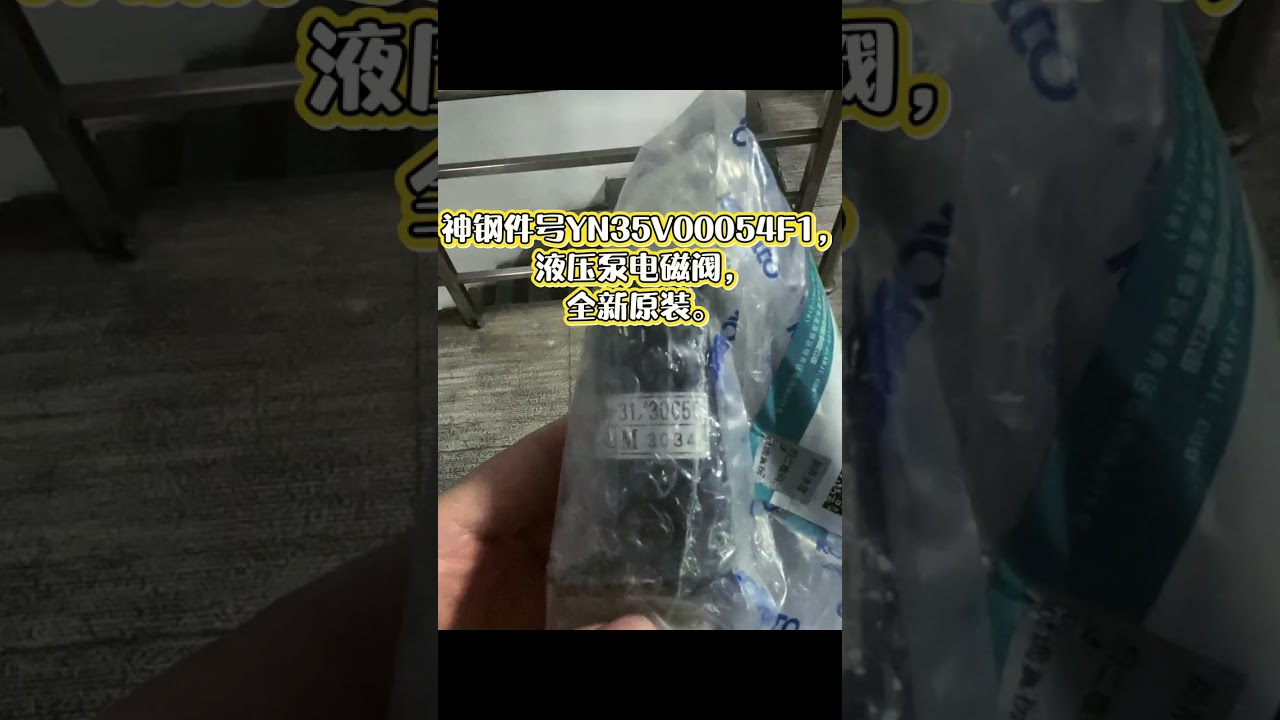
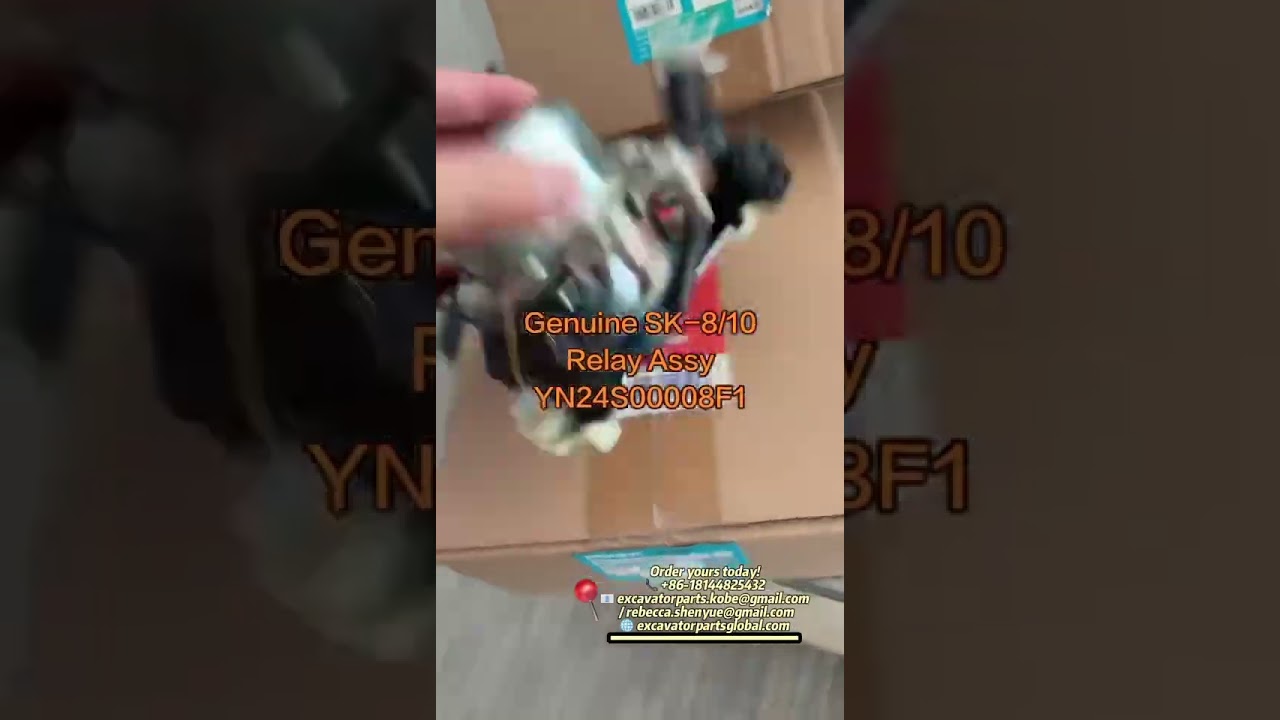
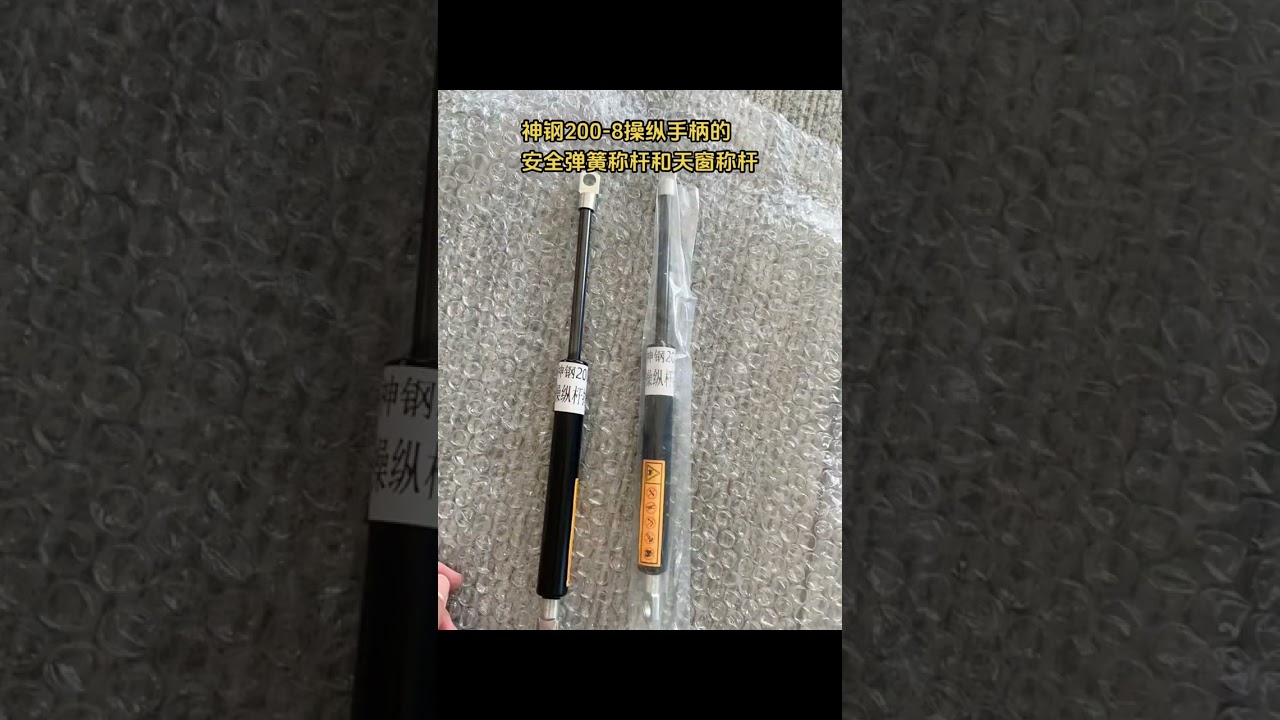
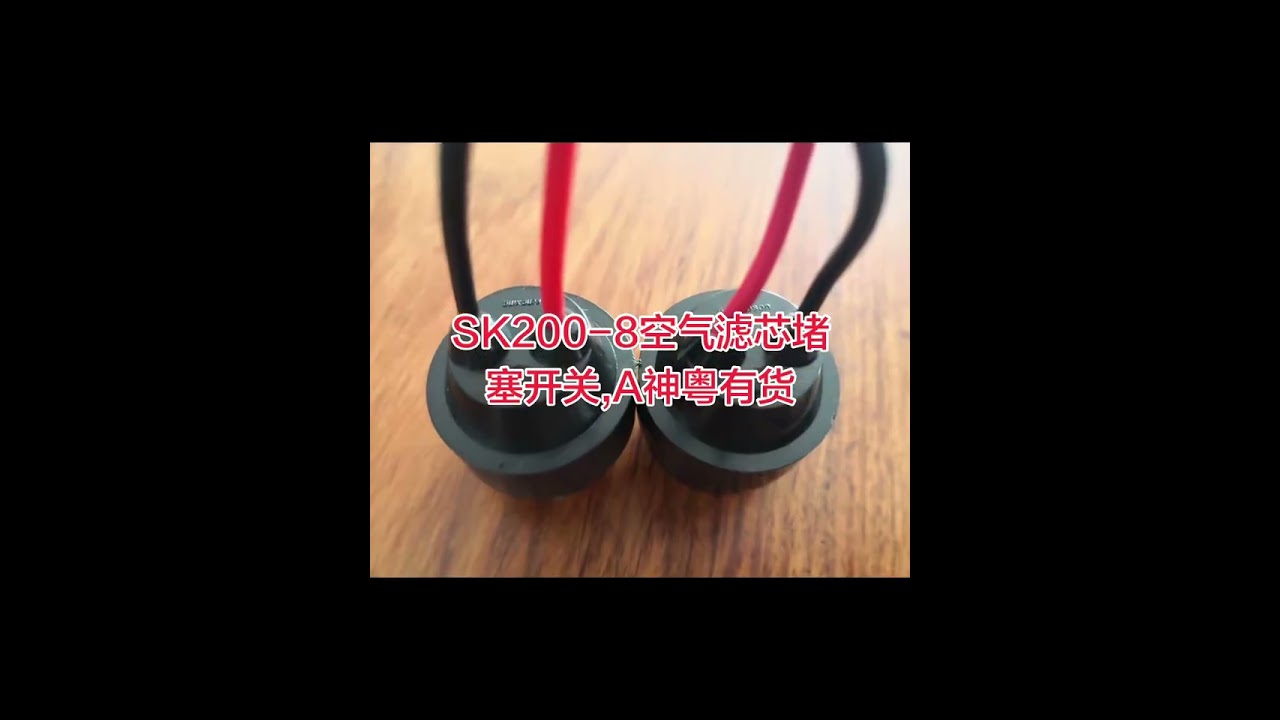
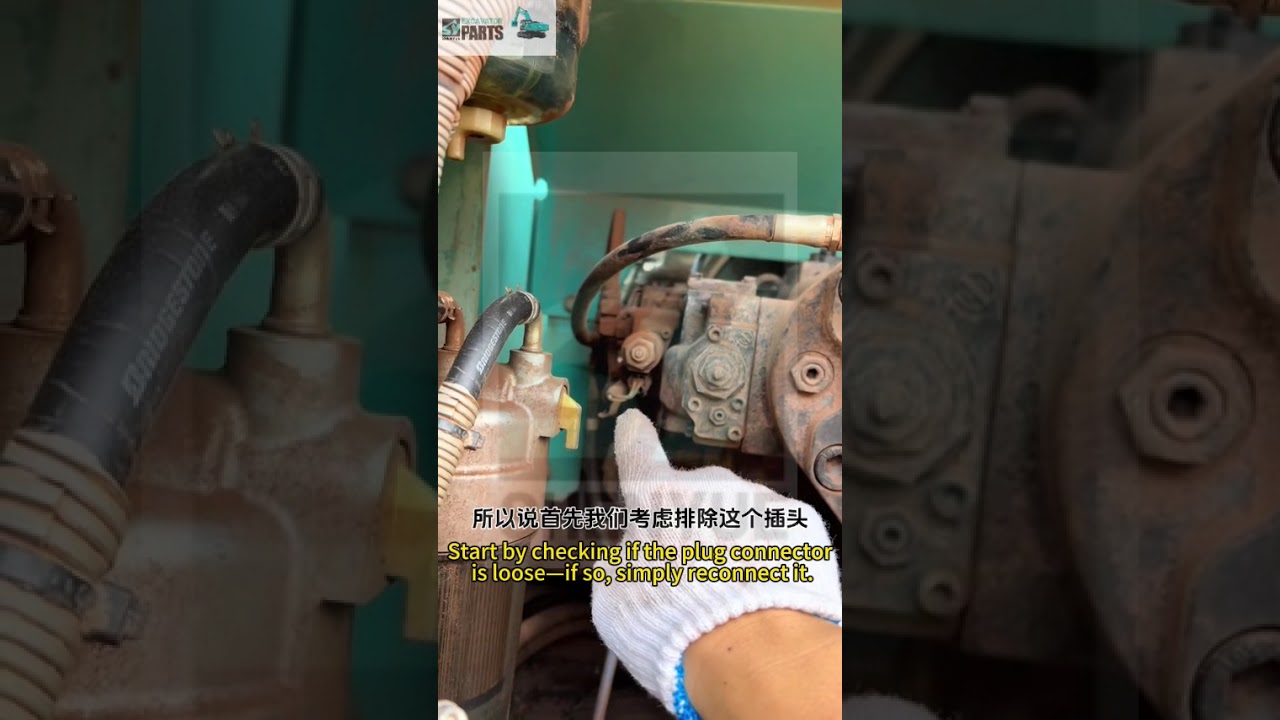
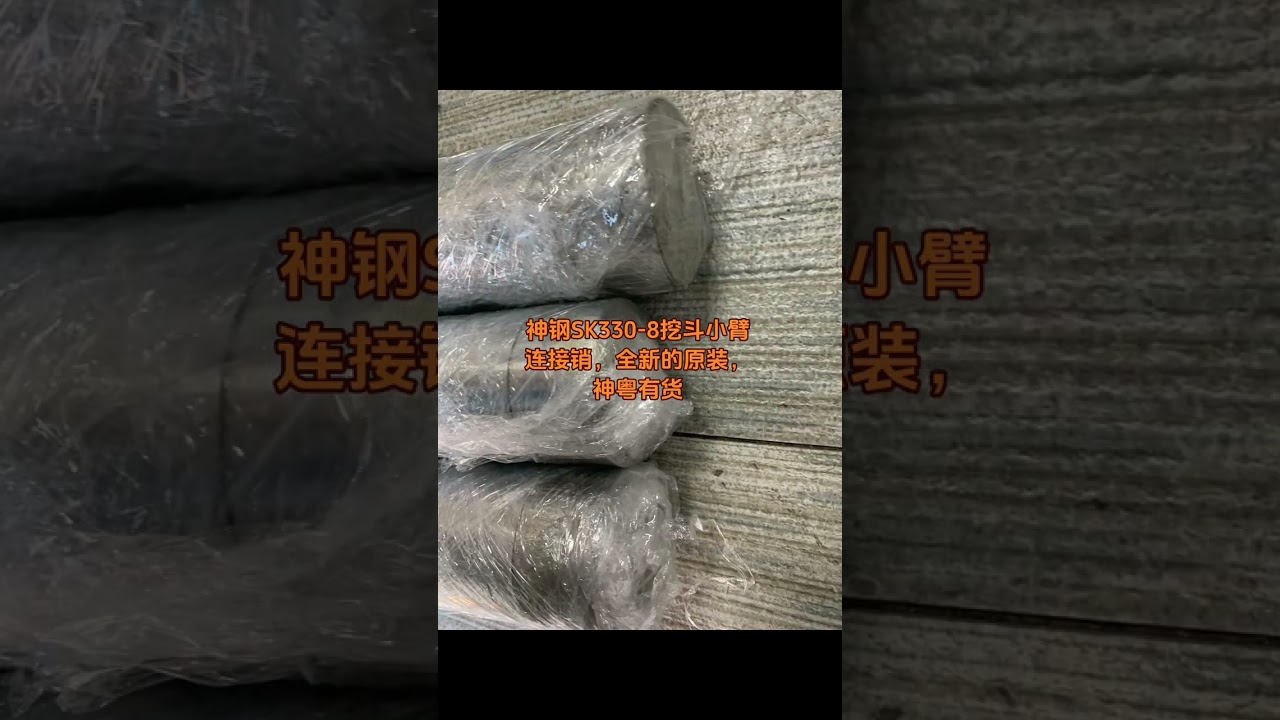
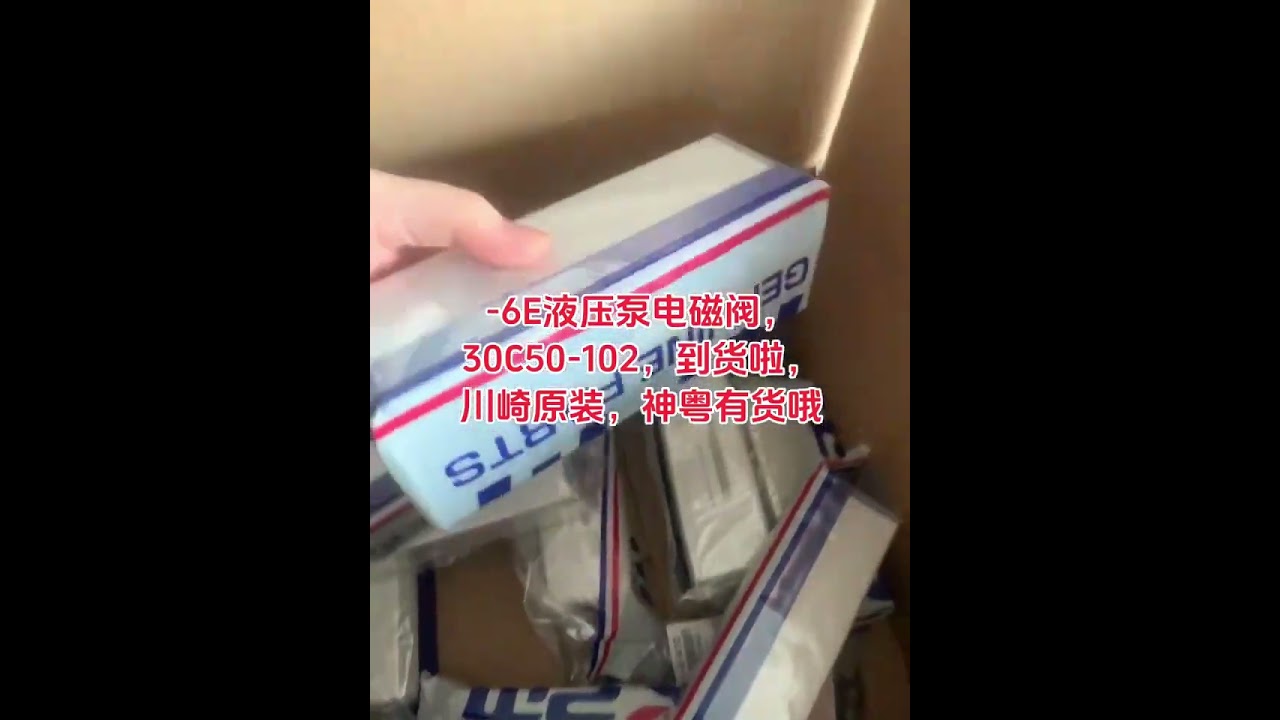
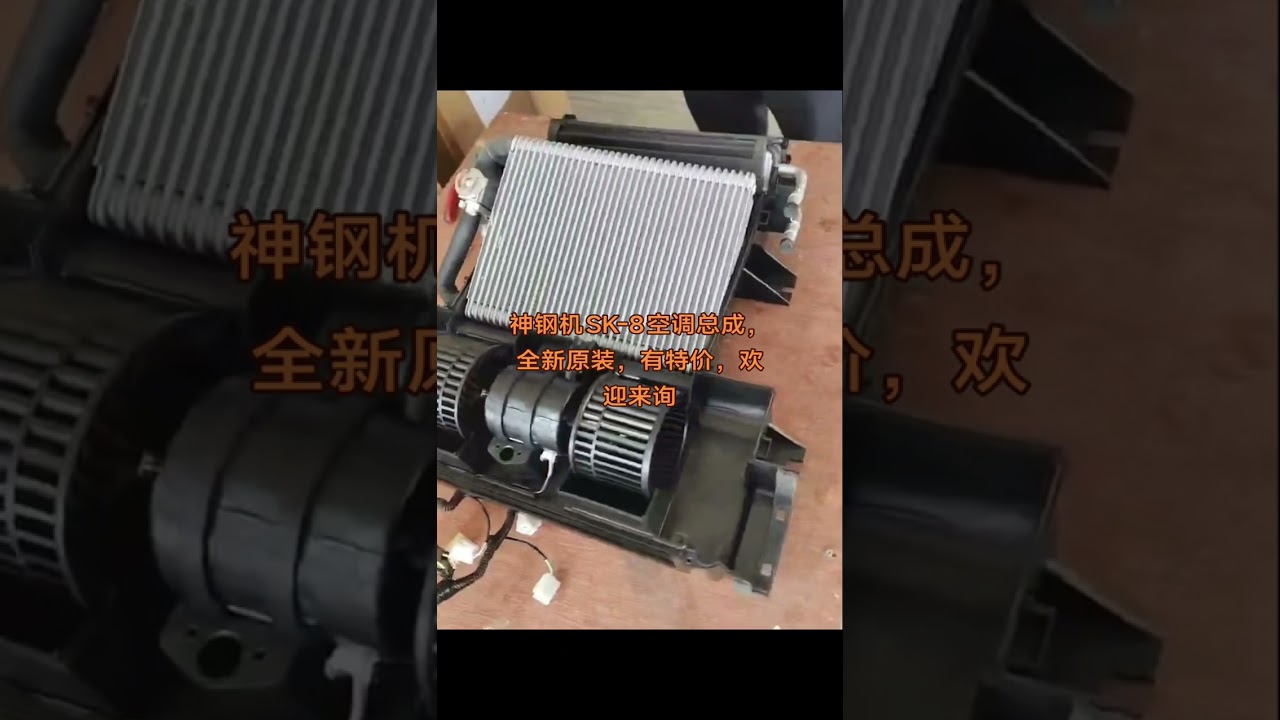
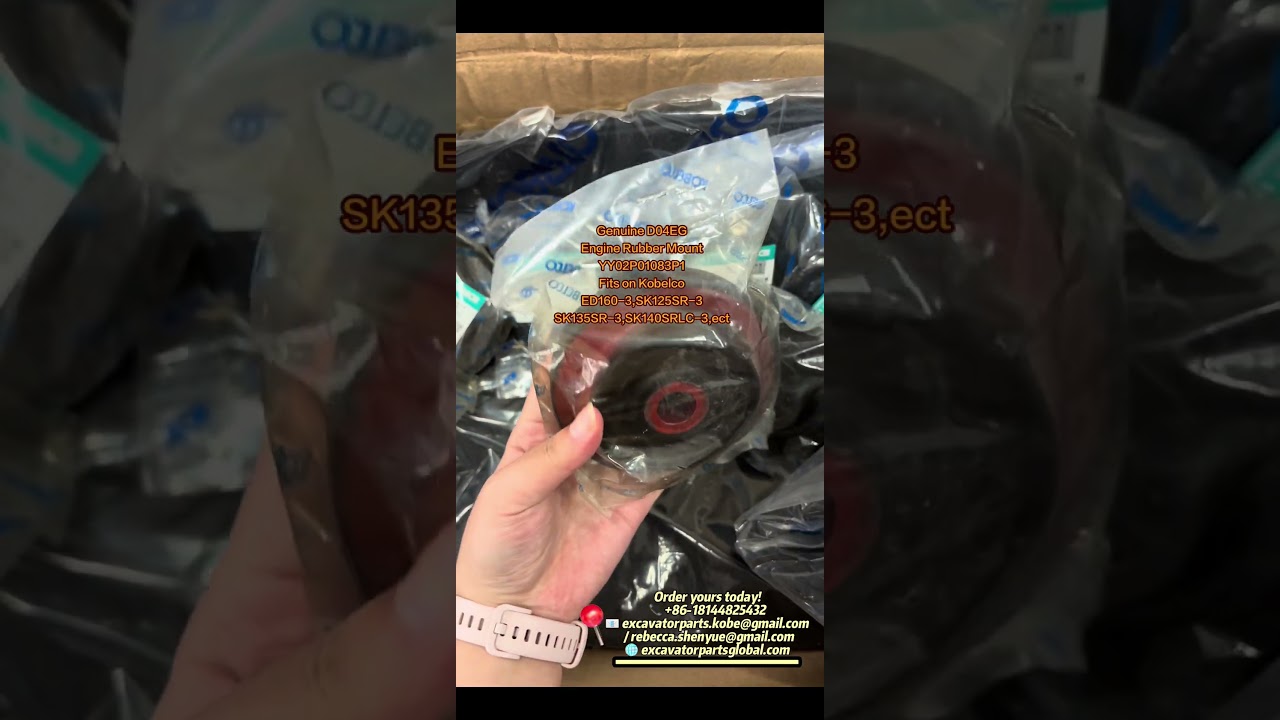
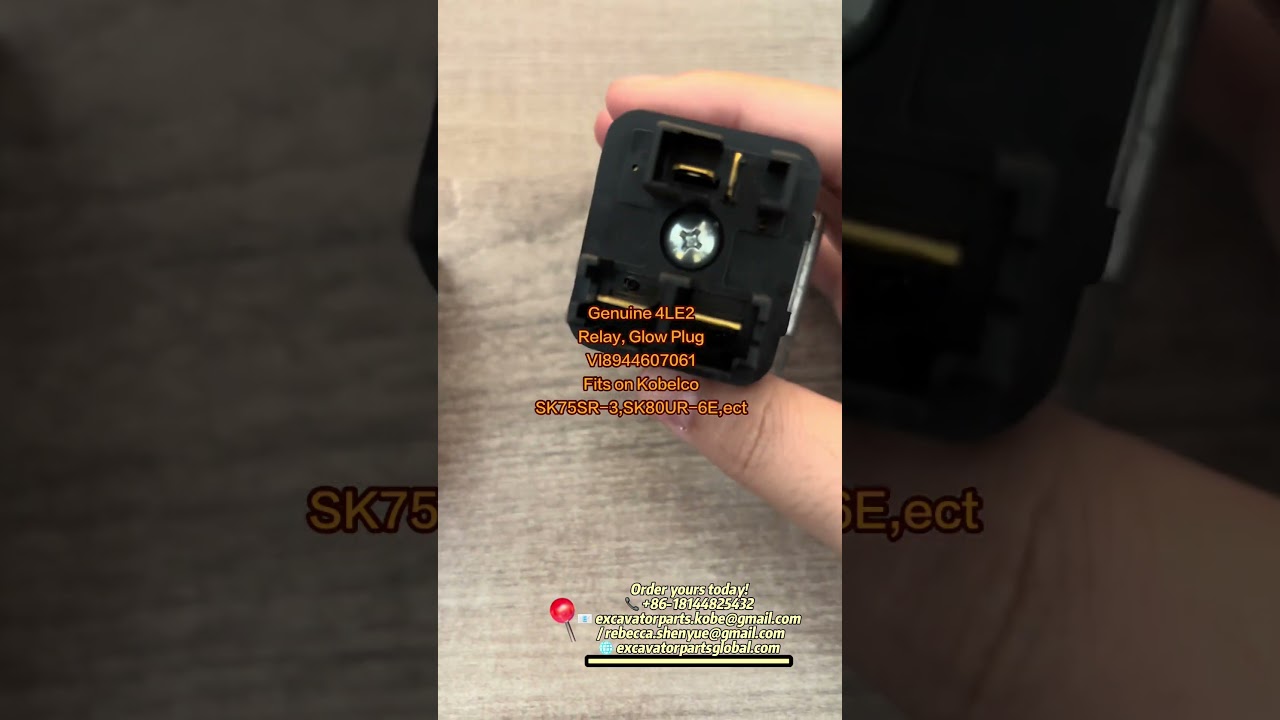
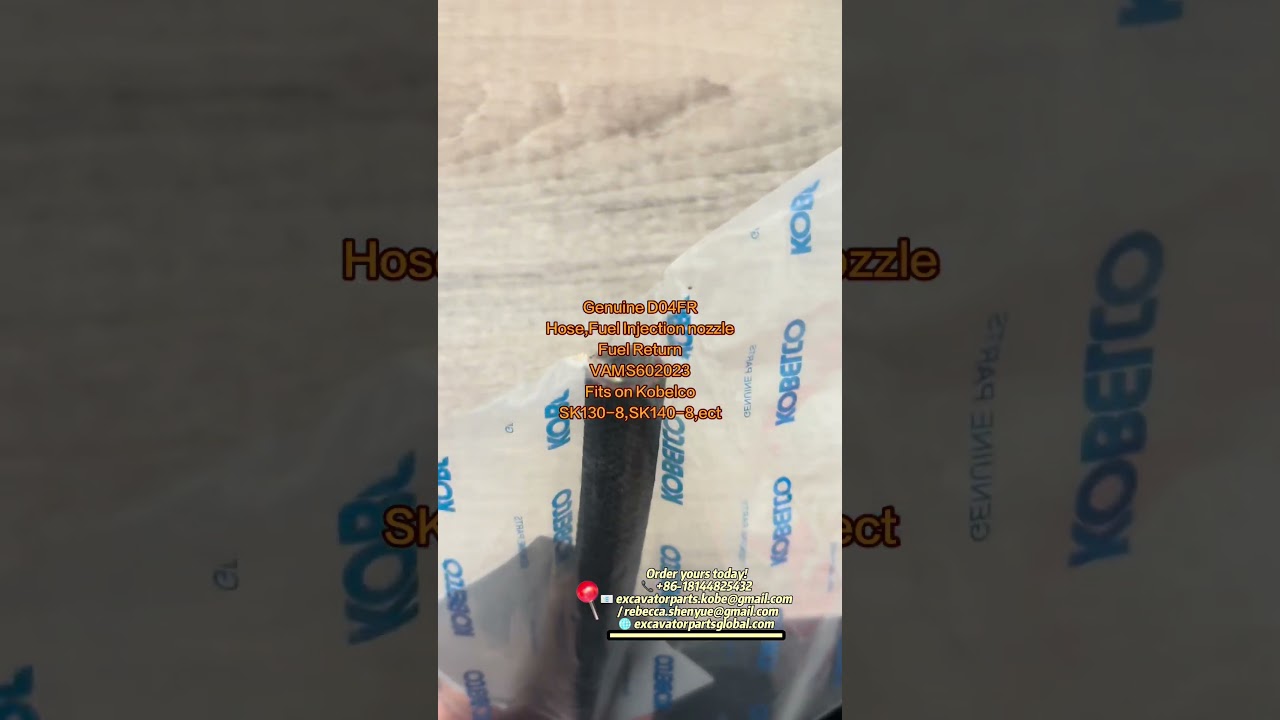
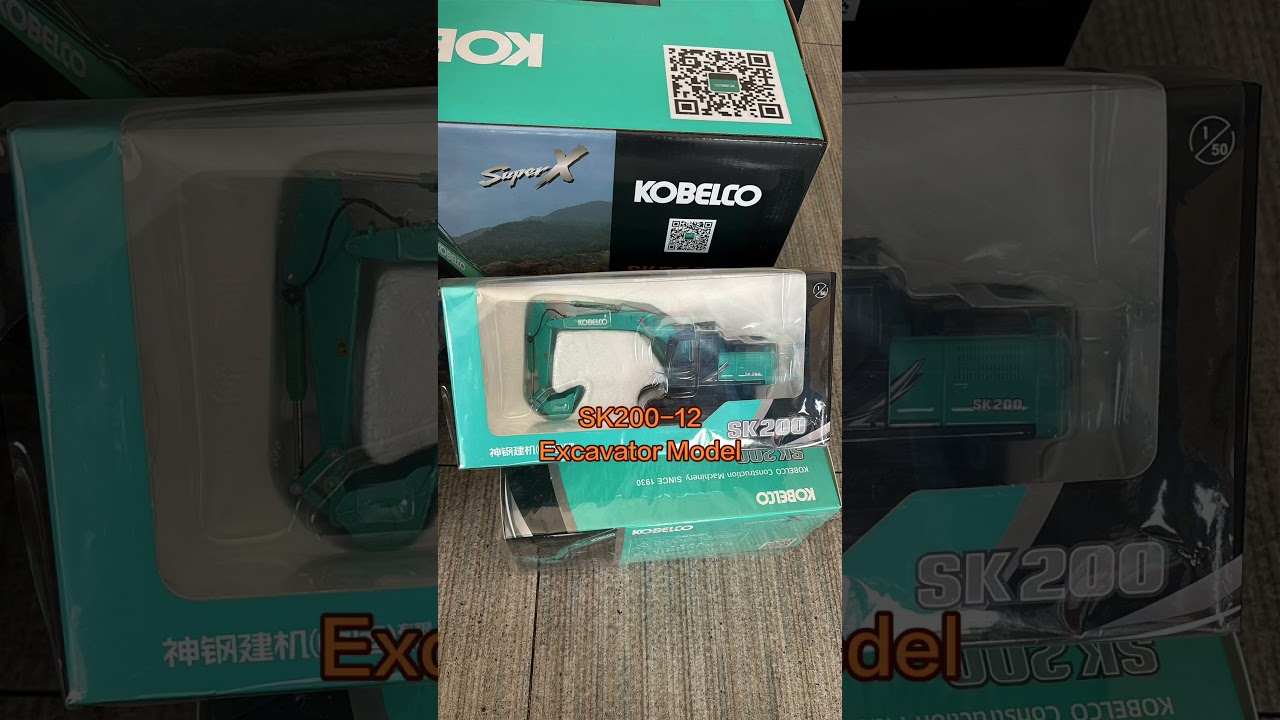
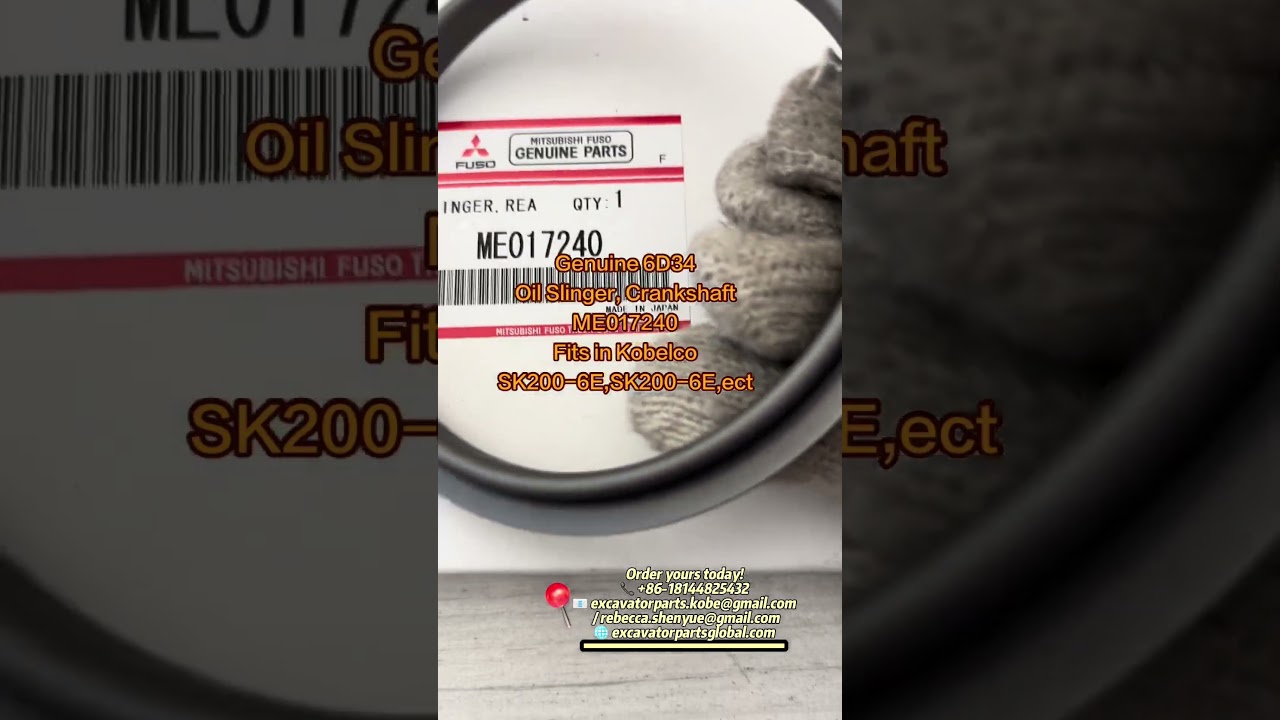
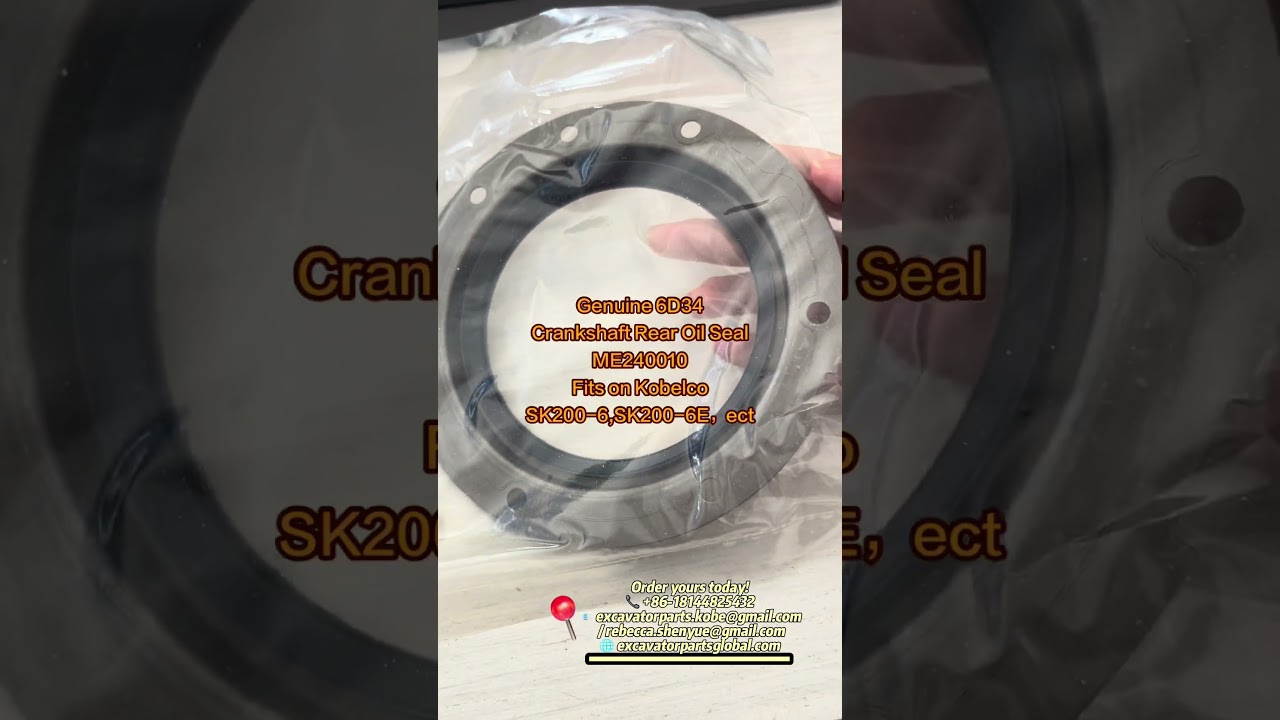
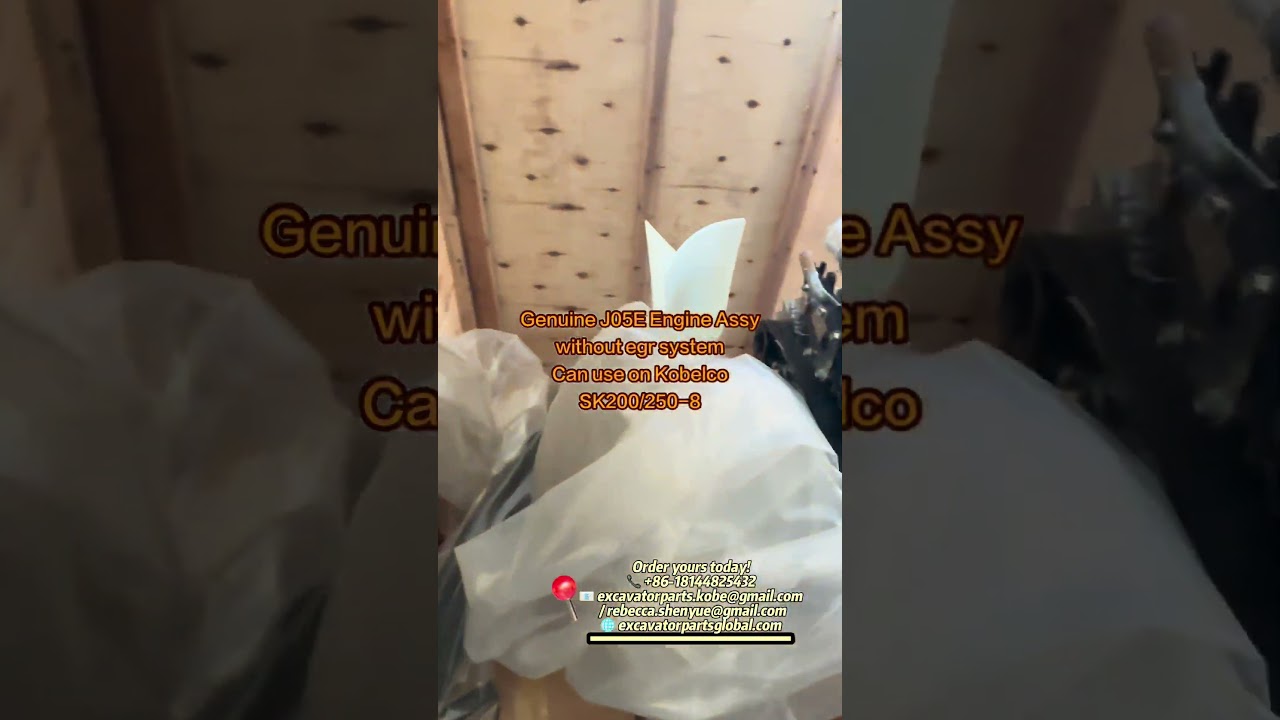
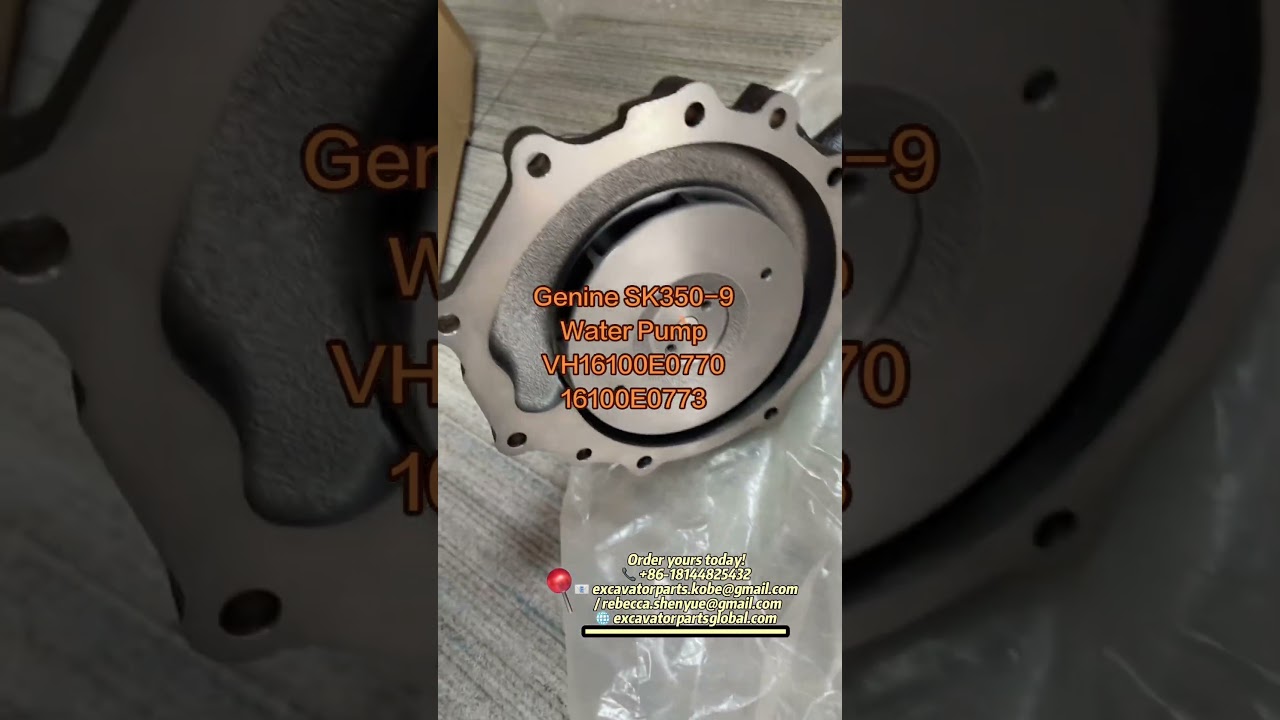
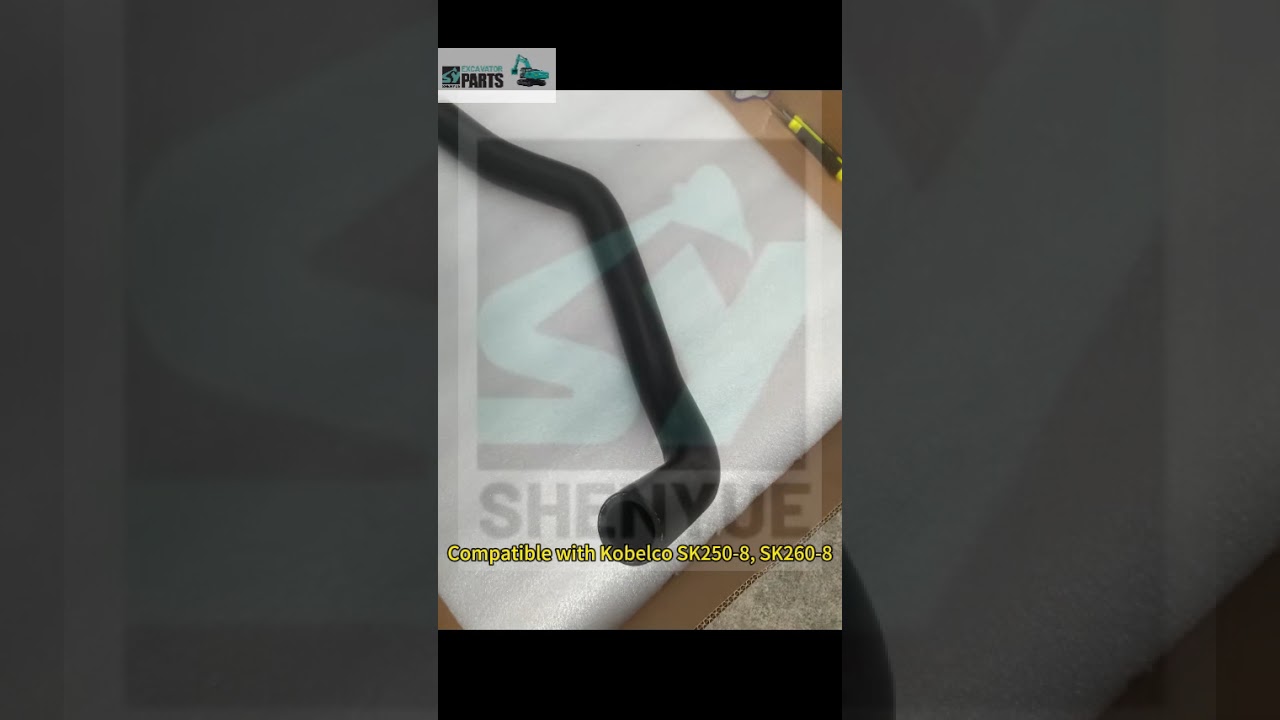
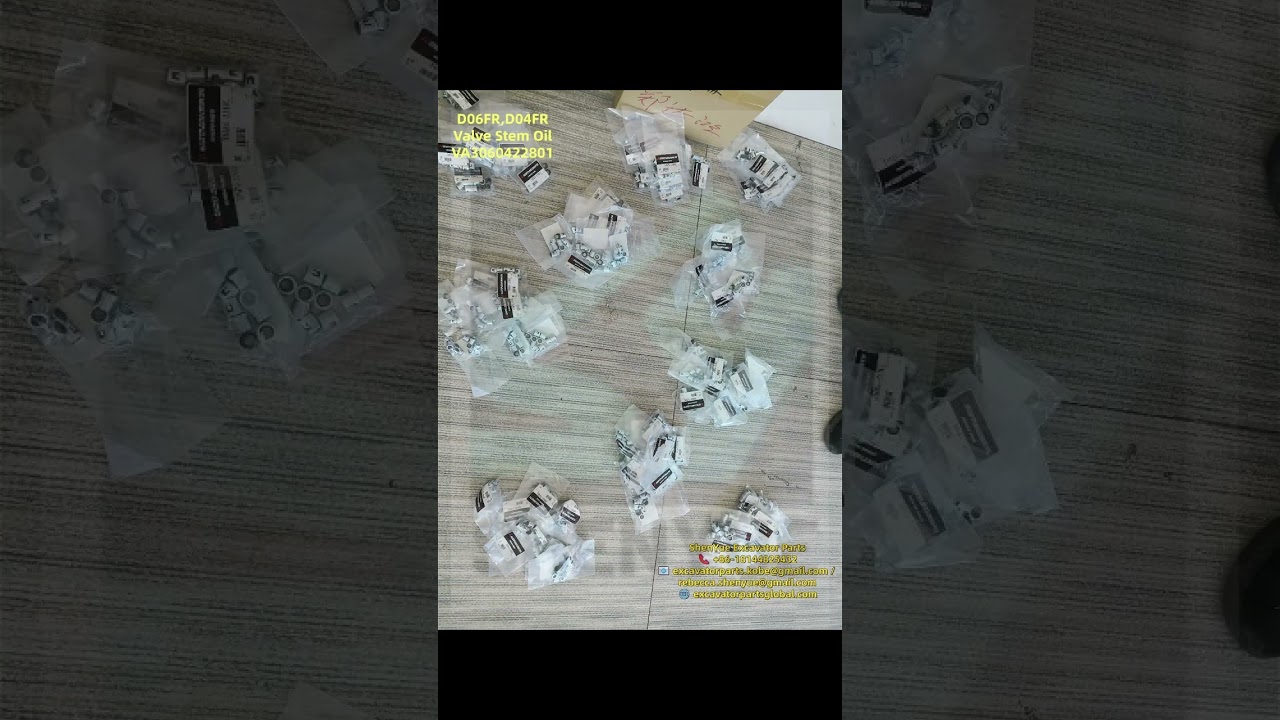
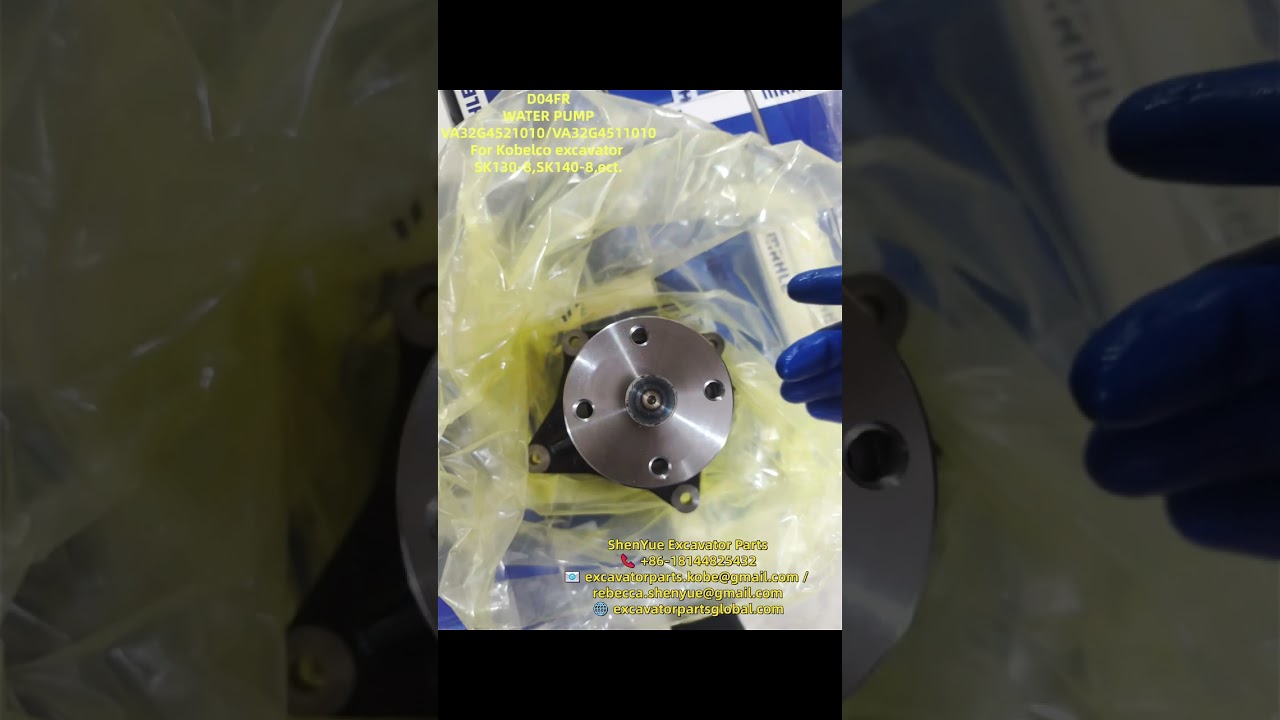
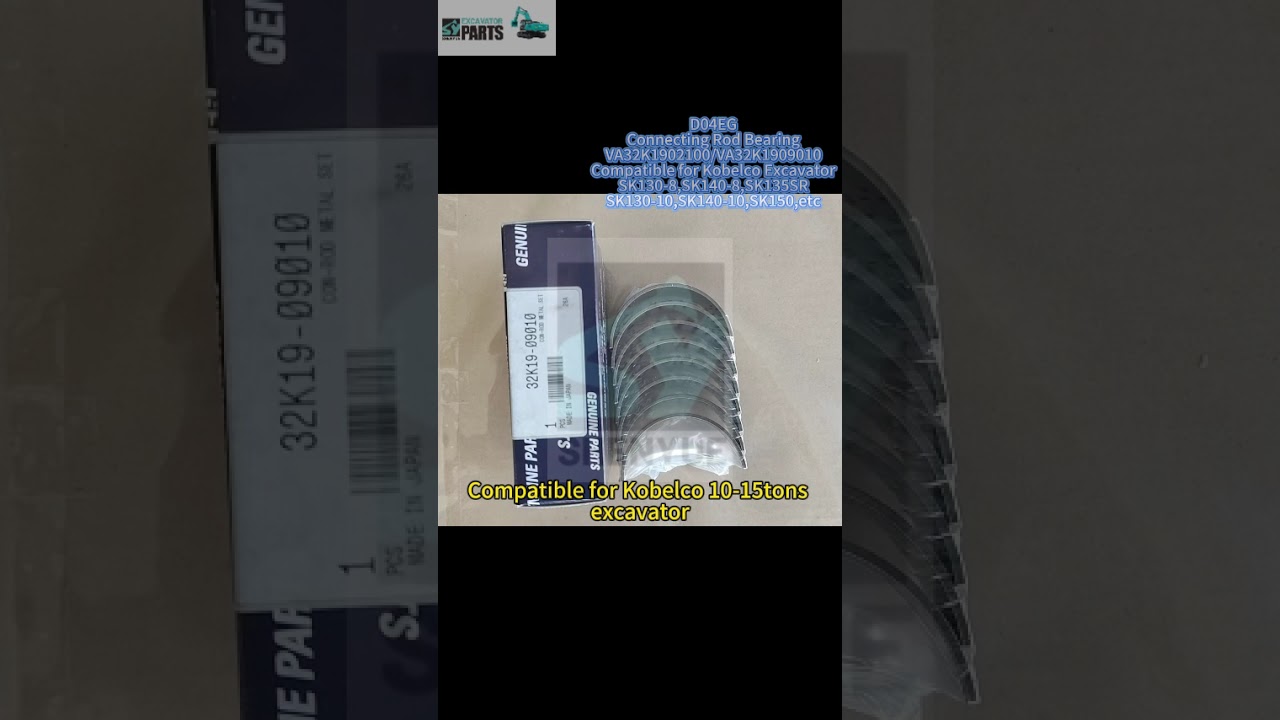
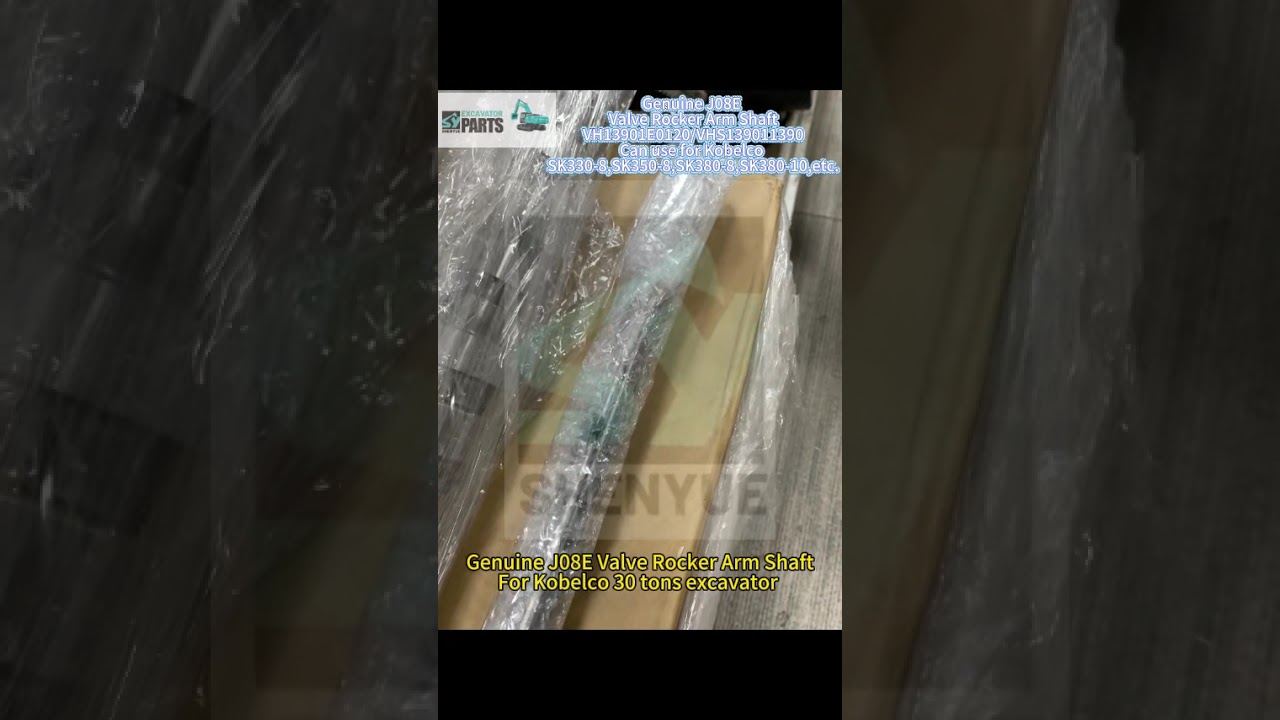
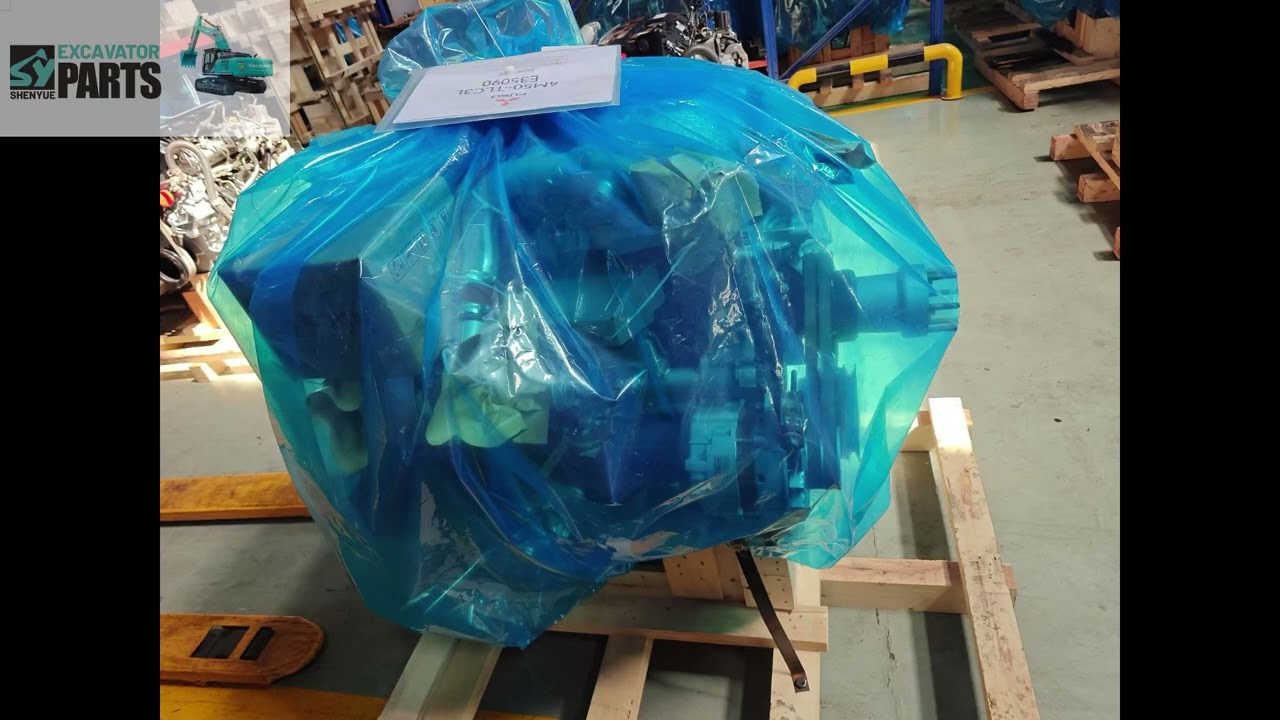
Everything on this page was filmed in our own warehouse. If a part number you need is not on the shelf, tell us the number, the machine model and the serial number, and we will tell you what is available and when.
Kobelco fault-code quick reference
The codes we are asked about most, with the first thing worth checking on each.
| Code | Meaning | Check first |
|---|
| A015 | Engine adjustment not completed or failed | Check engine speed signal and throttle actuator, then run the calibration |
| A025 | Pump proportional valve adjustment not completed or failed | Check the proportional valve, its wiring and the hydraulic oil condition |
| A035 | Unload valve adjustment not completed or failed | Check the unload valve and the pressure sensor input |
| B012-014 | Boom raise pressure sensor | Sensor output, plug and harness continuity |
| B022-024 | Boom lower pressure sensor | Sensor output and connector condition |
| B032-034 | Arm out pressure sensor | Sensor signal and wiring continuity |
| B042-044 | Arm in pressure sensor | Sensor plug and harness |
| B052-054 | Bucket dig pressure sensor | Sensor output against measured hydraulic pressure |
| B062-064 | Bucket dump pressure sensor | Plug, sensor and harness first |
| B072-074 | Swing pressure sensor | Swing pressure signal and swing brake circuit |
| B092-104 | Travel pressure sensors | Left and right travel sensor output and circuit |
| C012-014 | P1 pump pressure sensor | Sensor output, plug and harness before replacing the sensor |
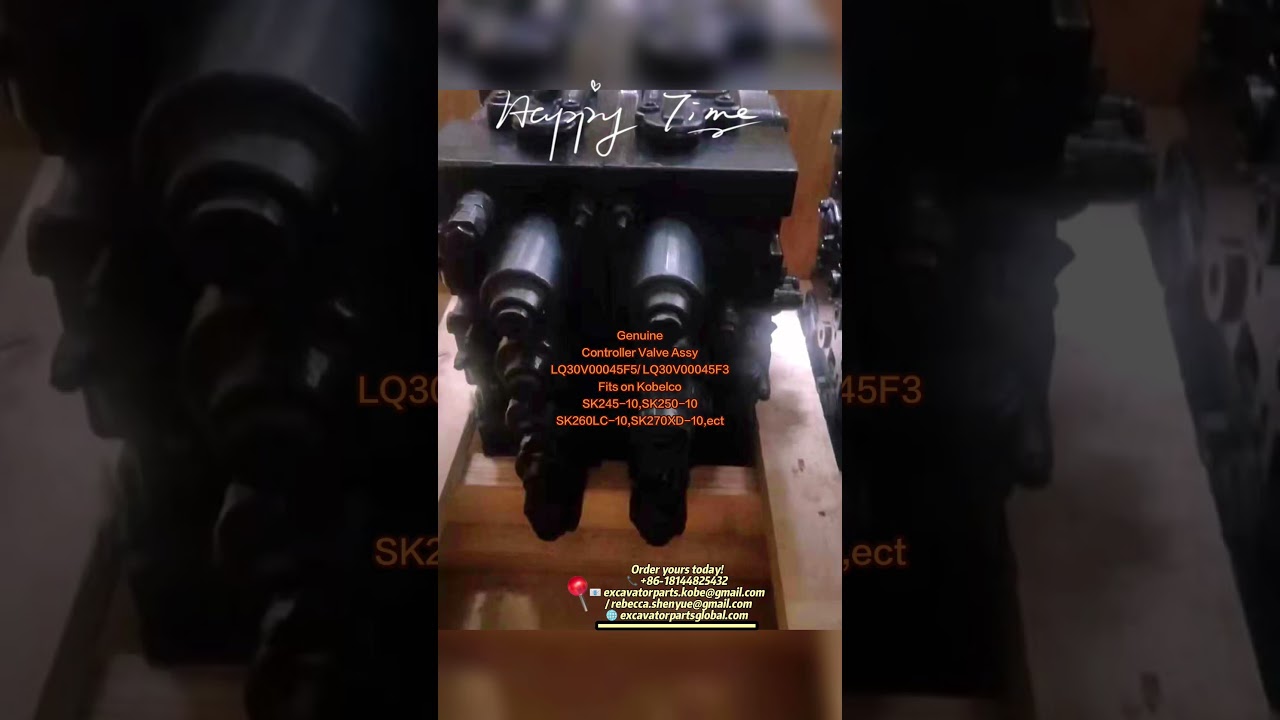
| D013 / D023 / D033 | Proportional valve circuit faults | Valve coil, harness and supply voltage |
| E013 / E023 / E033 | Pump proportional valve faults | Pump proportional valve, wiring and calibration status |
| F021 | Boost valve fault | Boost valve and its circuit |
| F022 | Swing brake solenoid fault | Swing brake solenoid and circuit |
| F023 | Travel speed change solenoid fault | Two-speed solenoid and circuit |
| G013 | Stepper motor current abnormal | Stepper motor and throttle linkage |
| P0087 | Fuel rail pressure too low | Rail pressure against target; suspect injector wear or an SCV fault |
| P0191-0193 | Rail pressure sensor | Sensor output and harness |
| P0335 / P0340 | Main / sub engine speed sensor | Sensor nose, air gap and plug — a main speed sensor fault stops the engine |
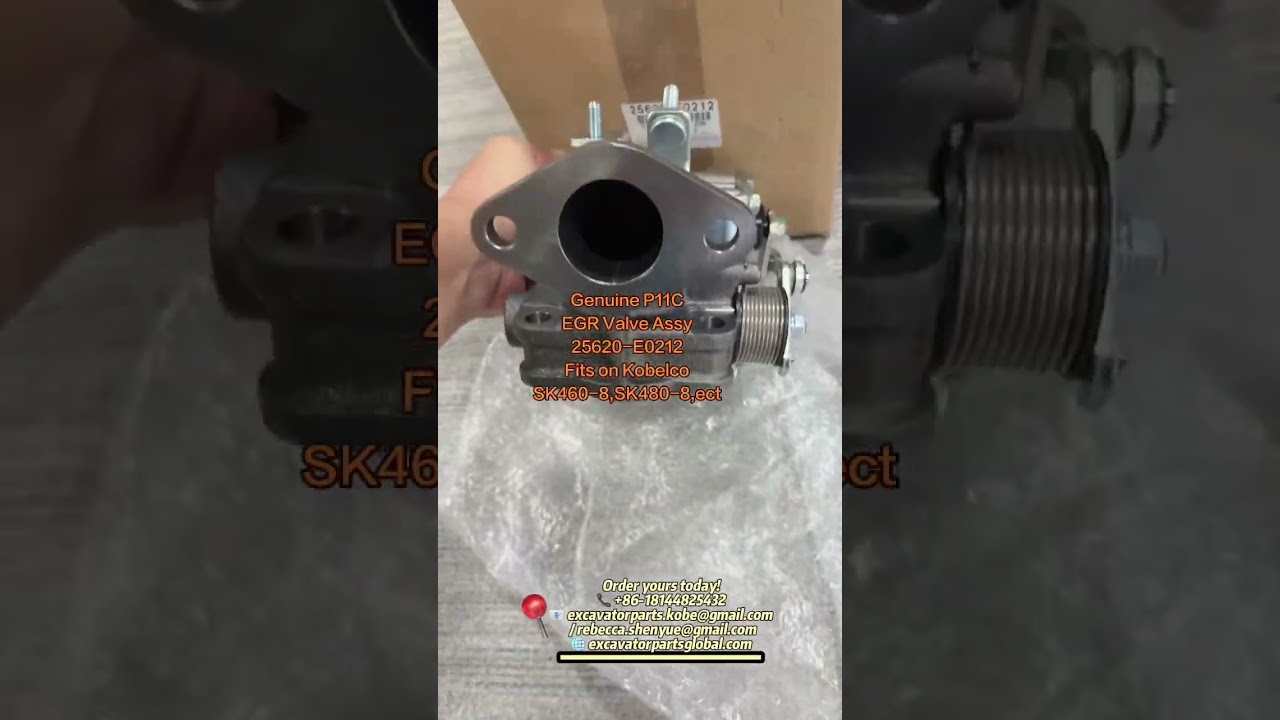
| P0404 / P0405 | EGR valve | EGR valve sticking or its position sensor circuit |
| P2120-2128 | Throttle / pedal position sensor | Pedal sensor track, plug and harness rub points |
| P2228 / P2229 | Atmospheric pressure sensor | Sensor and connector |
| P0234 / P0299 | Turbo overboost / underboost | Vane actuator travel and boost leaks on the charge-air side |
| P0117 / P0118 | Water temperature sensor | Sensor and harness; confirm real temperature first |
| P2635 | High-pressure fuel pump solenoid | Pump metering solenoid and its supply |
| U1001 | CAN communication interrupted | Controller plugs, ground points and harness chafing |
Code definitions change between model generations and controller software versions. Always confirm against the service manual for your machine serial before ordering on a code alone — and remember that a single blown supply fuse can produce a convincing set of valve codes.
Frequently asked questions
Are you a Kobelco authorised distributor?
No, and we will not claim to be. We are an authorised distributor for Mitsubishi, Garrett, TONGMYUNG, Marusan and NIKURA. Kobelco parts reach you either as genuine parts supplied through the original channel or as quality aftermarket alternatives, and every quotation states which one is being offered.
How do I know a part on the video will fit my machine?
Send the part number you saw on the clip, the machine model and the serial number, and a photograph of the machine's data plate. Fitment is confirmed against the serial number before anything ships, because the same model can change through a build series.
Can you identify a part from the video alone?
Often, yes. Pause the clip on the cleanest frame and send us the screenshot. If the number is legible we will match it; if it is worn we will work from the casting marks and the machine details.
Is everything on these videos in stock?
No. We hold more than 3,000 part types on the shelf and have more than 100,000 part numbers available to order through the original supply channels. The videos show parts that passed through our warehouse, which is not the same as every one of them being on the rack today. Ask and we will tell you which it is.
How quickly will I get a price?
Within 24 hours on a working day, provided the inquiry carries the part number, the quantity you need and the destination port. A photograph of the old component saves a round trip when the number has worn off the casting.
What is the difference between genuine, OEM and aftermarket on your quotations?
Genuine is the manufacturer's own part in the manufacturer's packaging. OEM is a part made to the same specification by an original-equipment supplier. Aftermarket is a quality alternative we have selected and stand behind. We mark every line so you can decide what your job justifies.
Do you supply engines and rebuild kits, or only individual parts?
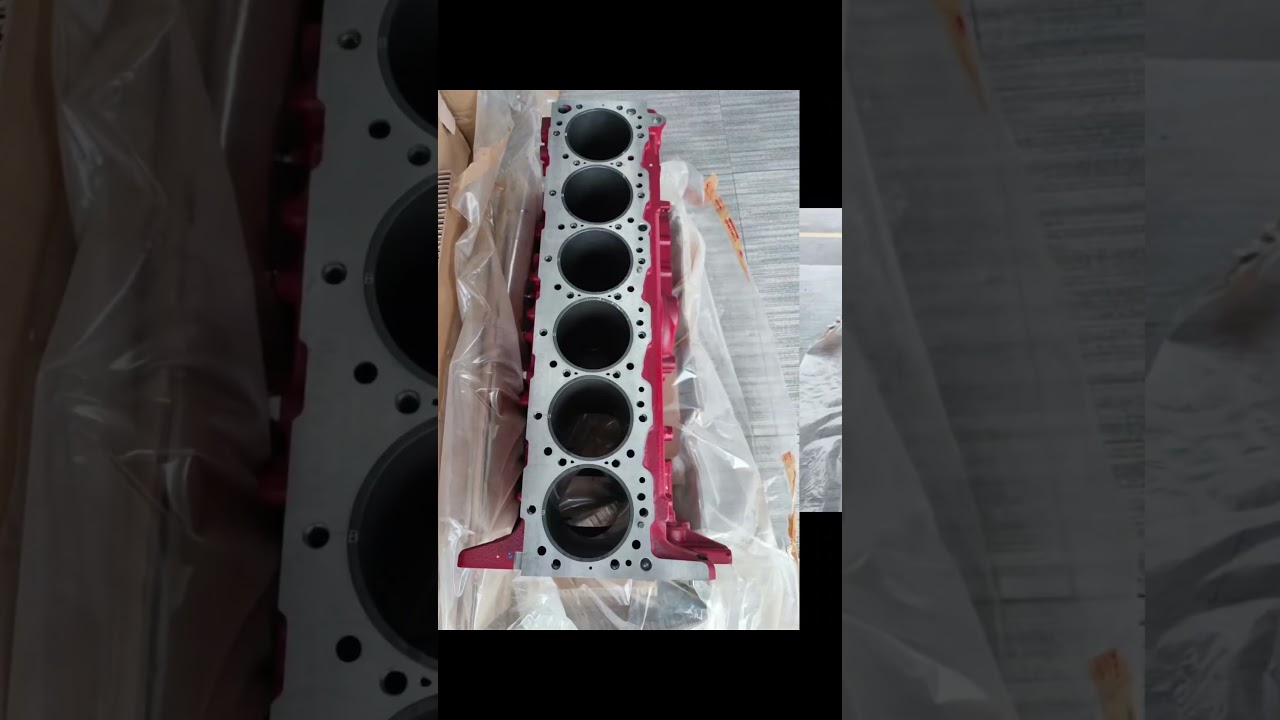
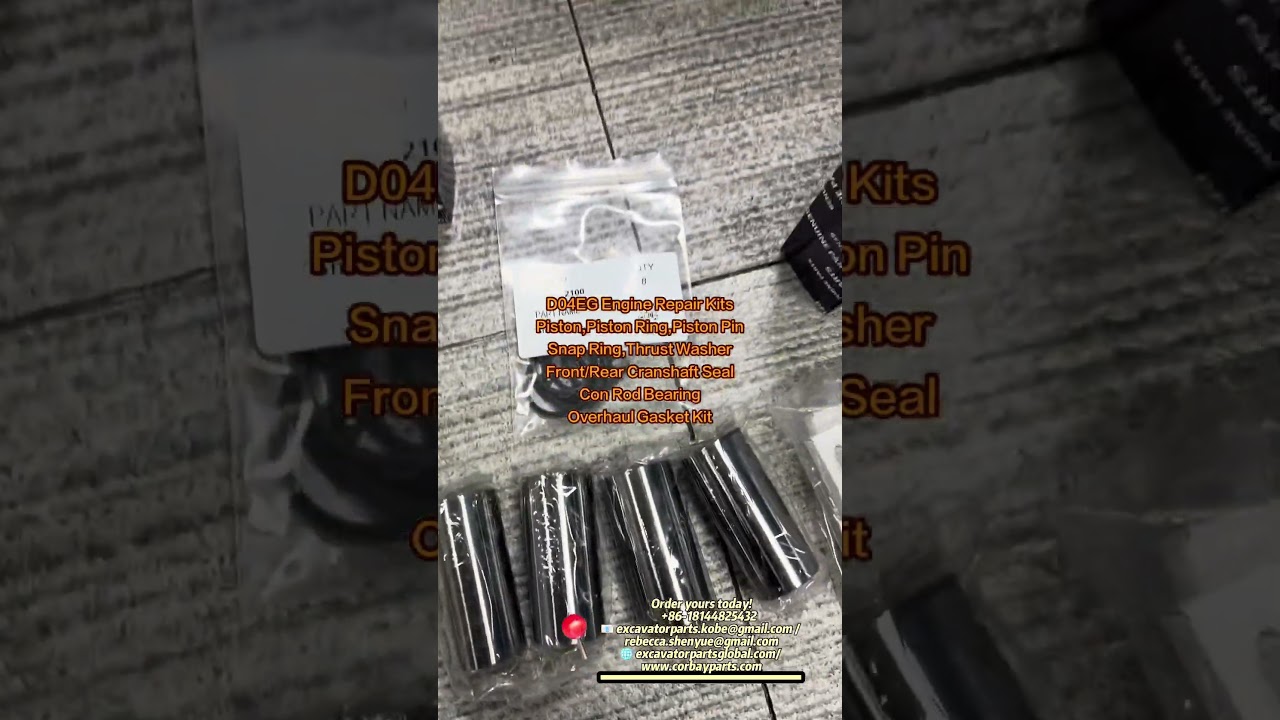
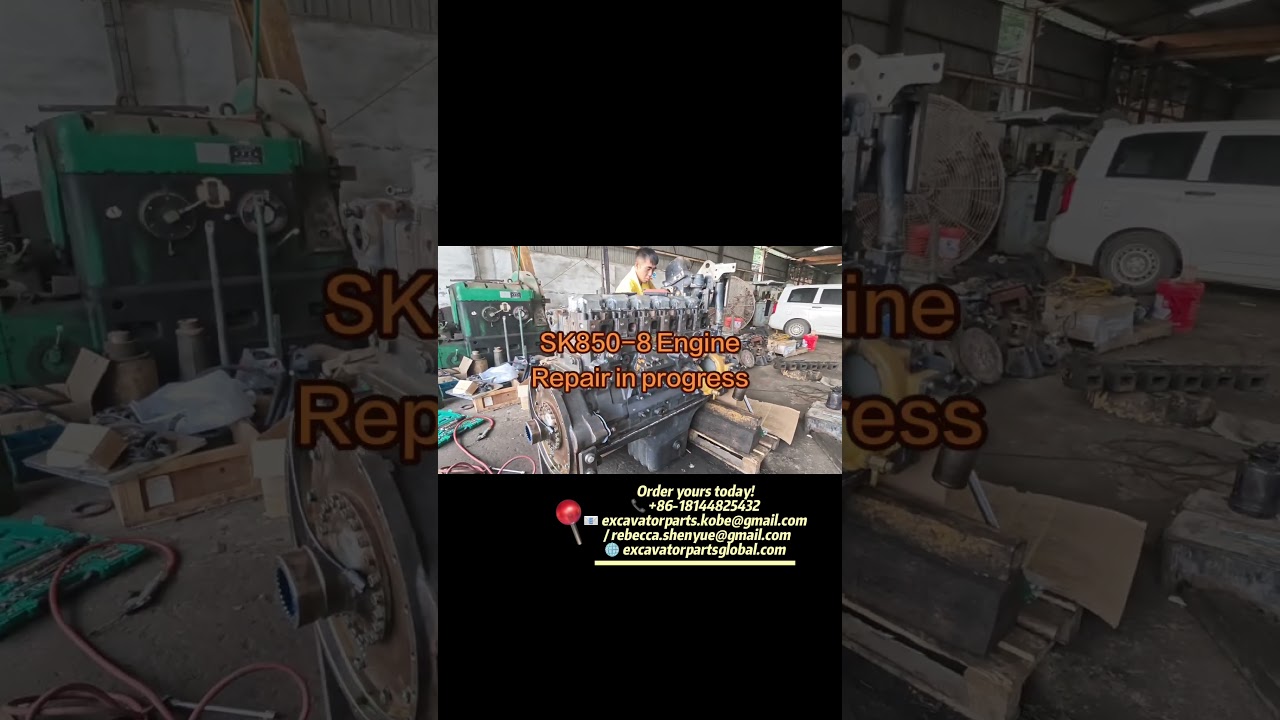
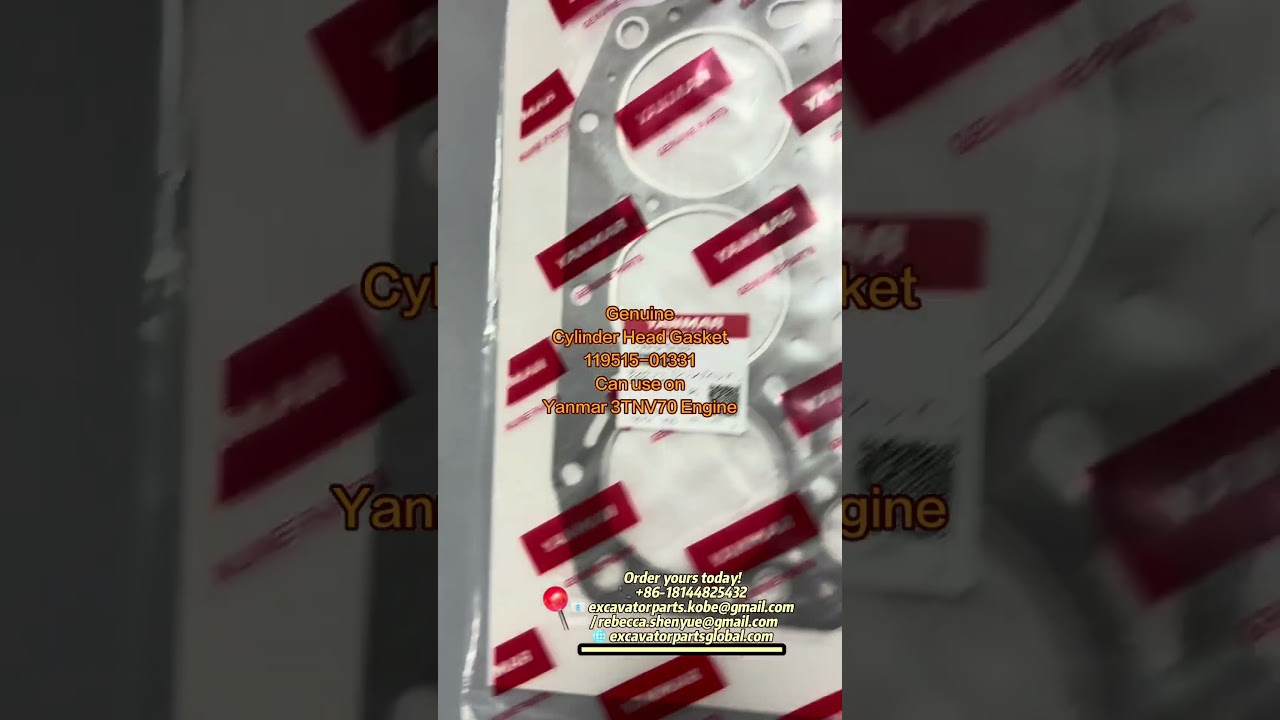
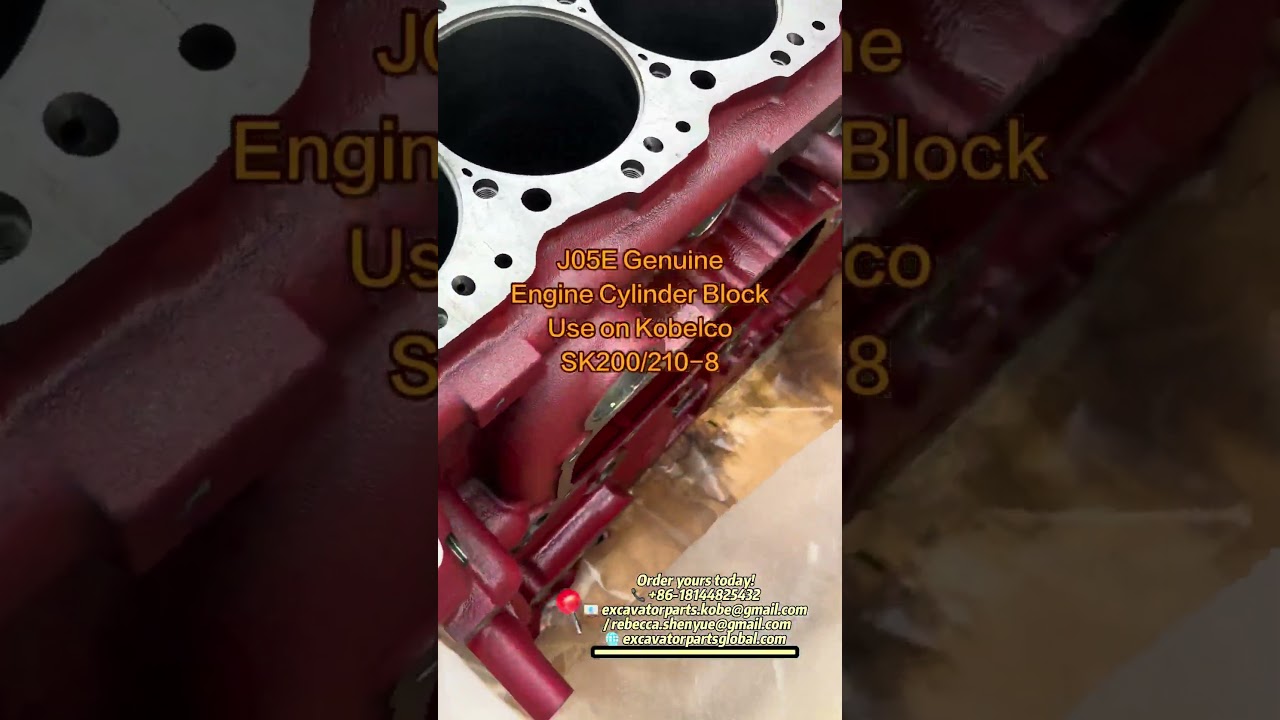
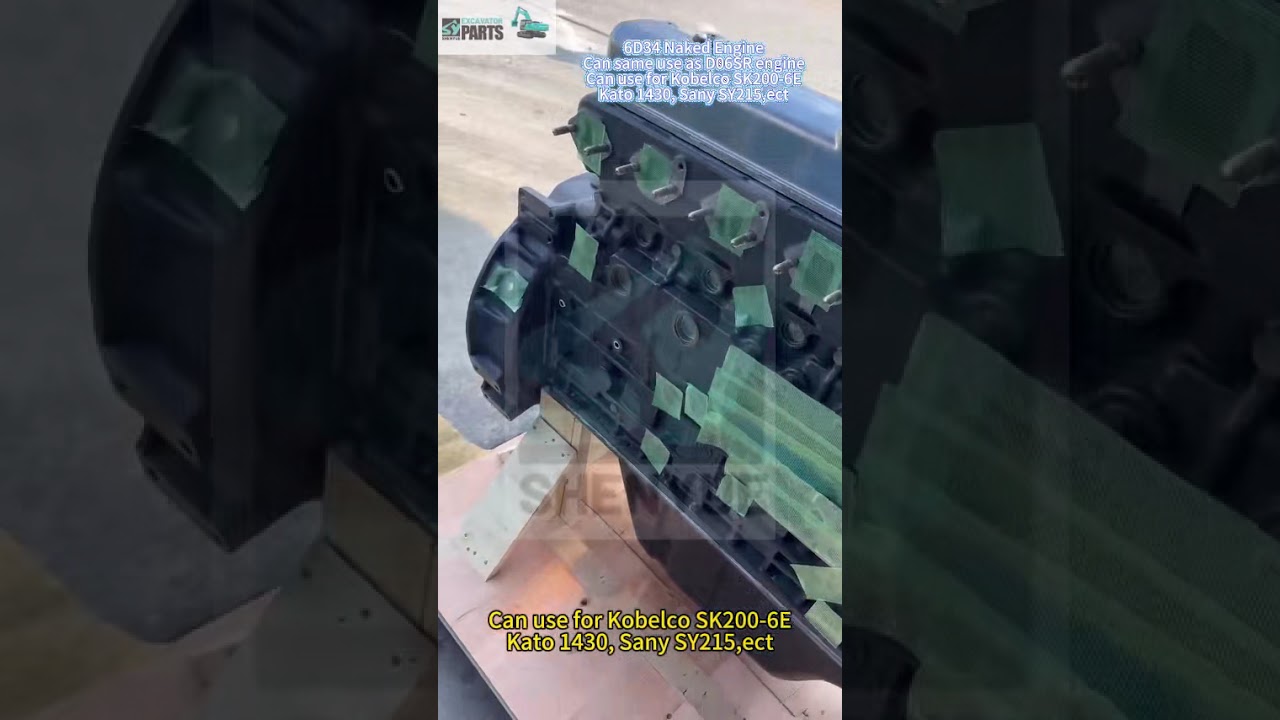
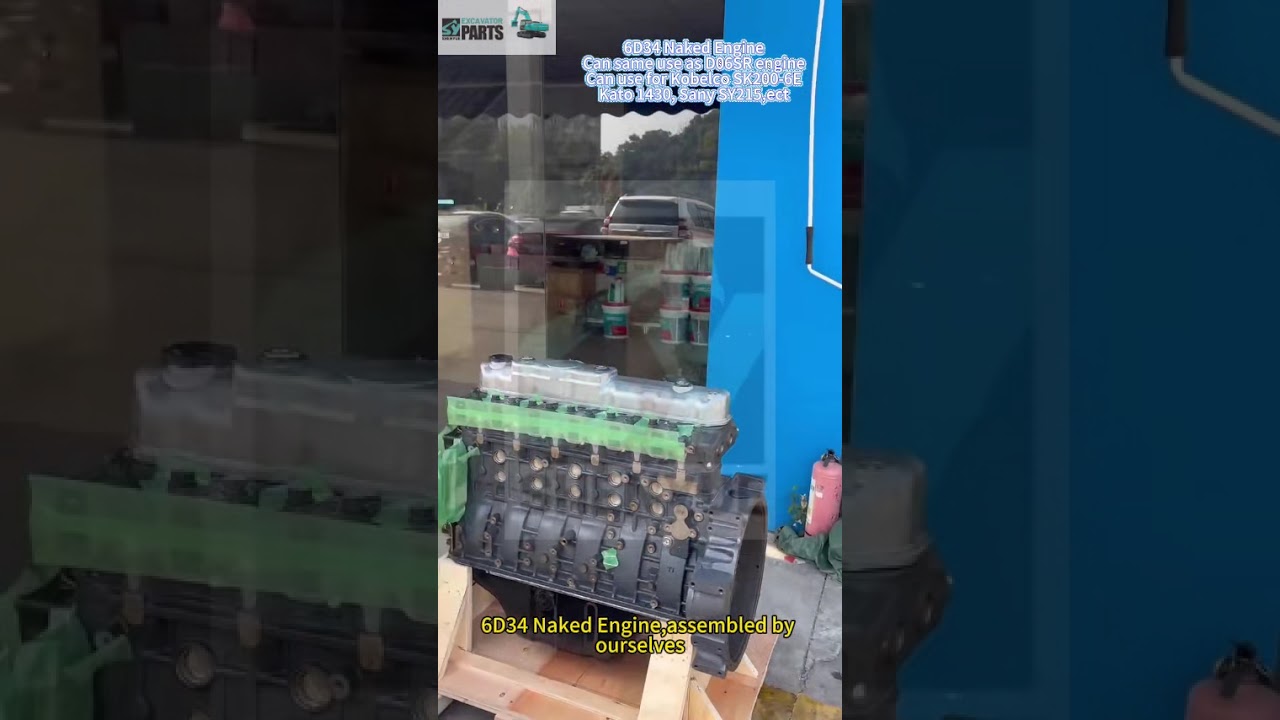
Both. The range covers complete engines, bare blocks, cylinder heads, crankshafts, overhaul kits and the individual gaskets, bearings and seals a rebuild consumes, so a rebuild does not stall waiting on one small part.
Why do you show the fault codes on a video page?
Because the code is usually the fastest way to the right part. The table on this page lists the codes we are asked about most, with the first thing to check for each. Code definitions change between model generations and controller software versions, so always confirm against the manual for your machine serial.
Where are you based, and who do you ship to?
We are in Guangzhou, China, and have been supplying excavator parts since 2007. Corbay is the export brand of Guangzhou Shenyue Machinery Technology Co., Ltd. We ship worldwide; give us the destination port with the inquiry and the freight will be quoted with the parts.
Do you stock OEM and aftermarket as well as genuine?
Yes. Every line on a quotation is marked genuine, OEM or aftermarket, so you can decide what the job justifies. Where we are an authorised distributor for the brand — Mitsubishi, Garrett, TONGMYUNG, Marusan and NIKURA — the quotation says so. Kobelco is not one of our authorised brands and we never present it as one.
Can you supply parts for the earlier Kobelco generations?
The clips and the lists cover the -6, -8, -9, -10 and -12 generations, with the earlier SK series where we have stock or a supply channel. If your machine is older than the range shown, send the model and serial number and we will tell you honestly whether we can help.
 Short